What Is The Most Toxic Laundry Detergent – Straight Answer
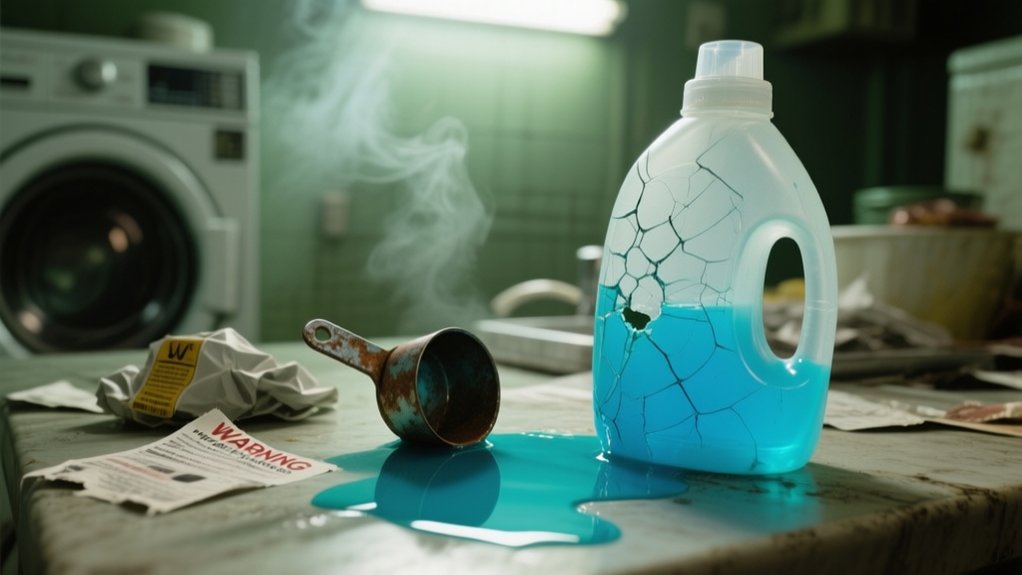
You’re exposing yourself to harmful chemicals each time you use Tide Original or Gain Liquid, among the most toxic laundry detergents rated poorly for skin irritants and probable carcinogens like 1,4-dioxane.
These contain sodium lauryl sulfate, formaldehyde releasers, and synthetic fragrances linked to respiratory issues and environmental harm. Pods pose ingestion risks, especially for children.
Choosing safer, well-rated alternatives reduces these dangers. Understanding the ingredients and health impacts will help you make safer laundry choices.
Key Takeaways
- Tide Original and Gain Liquid Detergent are rated F by EWG for containing highly toxic and irritating ingredients.
- Arm & Hammer Clean Burst contains sodium lauryl sulfate and non-biodegradable additives, making it a harmful choice.
- Common toxic ingredients include sodium lauryl sulfate, 1,4-dioxane, formaldehyde releasers, and synthetic fragrances.
- These detergents pose risks of skin irritation, respiratory problems, hormone disruption, and environmental damage.
- Safer alternatives have EWG ratings of A or B and avoid synthetic fragrances and harmful chemicals.
What Makes Laundry Detergents Toxic?
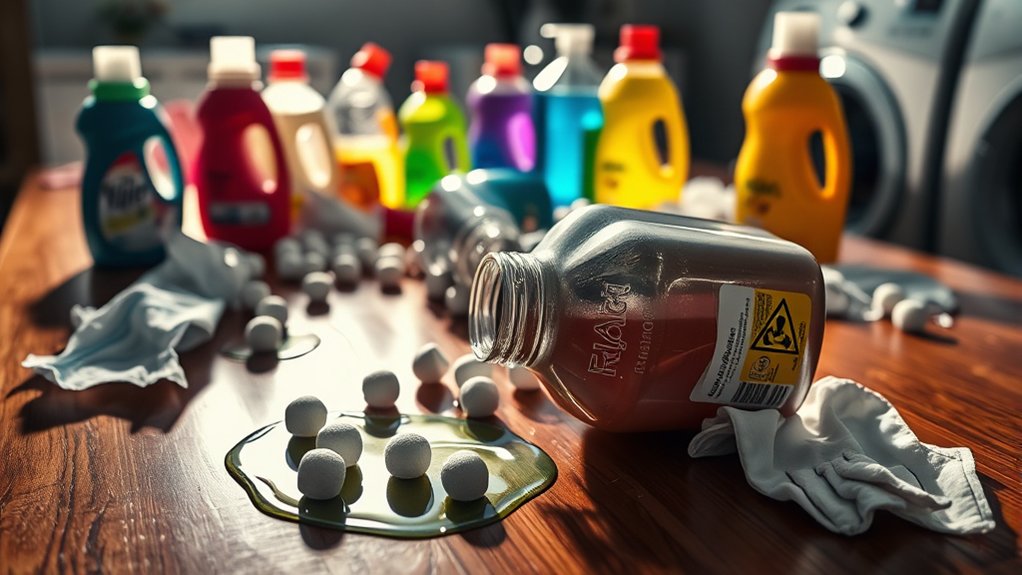
Although laundry detergents promise clean clothes, many contain harmful chemicals that pose health and environmental risks. You should be aware that toxic ingredients like sodium lauryl sulfate (SLS) and other harsh chemicals can irritate your skin and trigger allergic reactions.
Synthetic fragrances, often composed of thousands of unlisted chemicals, may disrupt hormones and cause respiratory issues.
Furthermore, optical brighteners, commonly added to enhance whiteness, are non-biodegradable and threaten aquatic ecosystems once they enter waterways.
These elements collectively make many detergents not only harmful to your health but also to the environment.
Understanding these components helps you make informed choices and avoid products laden with substances that compromise both personal and ecological well-being.
Which Laundry Detergent Brands Are the Most Harmful?
Understanding the harmful ingredients in laundry detergents sets the stage for identifying which brands pose the greatest risks to your health and the environment.
Among Toxic Laundry Detergents, Tide Original and Gain Liquid Detergent stand out, both earning an F grade from EWG due to their harmful chemicals like sodium borate and methylisothiazolinone, which can cause skin irritation.
Arm & Hammer Clean Burst also rates poorly for containing sodium lauryl sulfate and non-biodegradable additives.
Meanwhile, All Free Clear and Persil ProClean, rated D, include irritants like benzisothiazolinone and formaldehyde releasers, alongside heavy use of artificial fragrances.
These Laundry Detergent Brands consistently expose you to skin-irritating compounds and environmental hazards, underscoring the need for careful detergent choice.
Key Harmful Ingredients to Avoid in Laundry Detergents
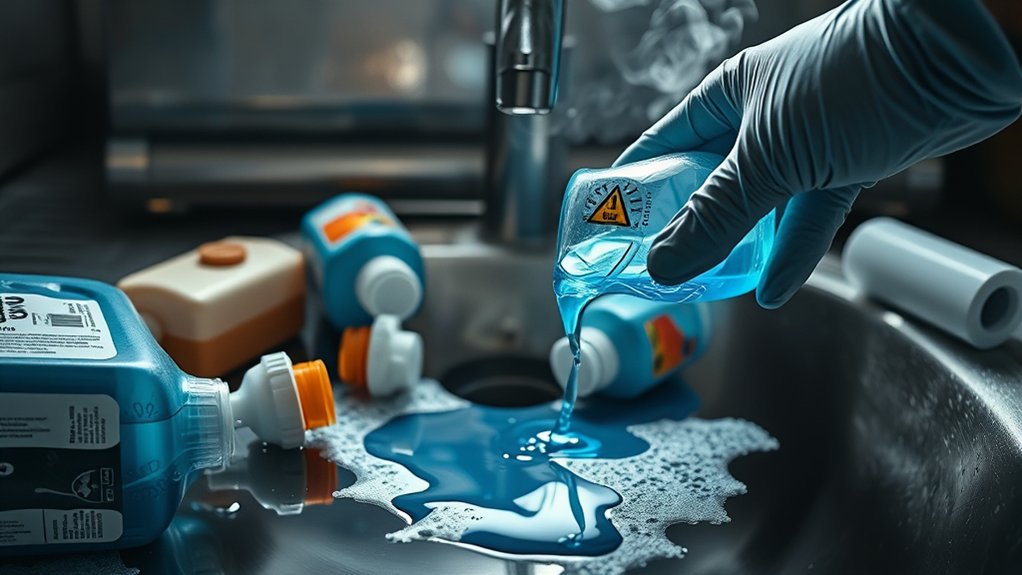
What ingredients should you watch out for when choosing a laundry detergent?
First, avoid 1,4-Dioxane, a probable human carcinogen often contaminating detergents and posing long-term risks.
Next, steer clear of formaldehyde releasers; these preservatives slowly emit formaldehyde, linked to cancer and respiratory problems.
Sodium Lauryl Sulfate (SLS) is another concern, as it irritates skin and eyes, particularly for sensitive individuals.
Synthetic fragrances can contain thousands of chemicals that disrupt hormones and trigger allergies, so be cautious.
Finally, optical brighteners, added to enhance whiteness, irritate skin and persist in the environment due to poor biodegradability.
Health and Environmental Risks of Toxic Laundry Detergents
You might come across chemical hazards like formaldehyde releasers, SLS, and 1,4-dioxane when using some laundry detergents.
These substances can cause respiratory problems, skin irritation, and even mess with your hormones.
On top of that, these toxic ingredients don’t just disappear—they stick around in the environment, polluting waterways and putting aquatic life at risk.
Knowing about these health and environmental dangers can really help you pick safer detergent options.
Chemical Hazards Overview
Although laundry detergents are essential for cleaning, many popular brands contain chemicals that pose serious health and environmental risks. Toxic ingredients like sodium borate, methylisothiazolinone, and formaldehyde releasers in detergent formulations can disrupt hormones and trigger skin irritation or allergies.
Sodium lauryl sulfate (SLS), a common surfactant, is a known irritant affecting skin and eyes. Synthetic fragrances add to the chemical burden, linked to respiratory problems and cancer risks.
Moreover, optical brighteners contribute to environmental pollution by harming aquatic ecosystems once washed down drains.
You should be aware that ingestion of liquid detergents, especially pods, can cause severe health effects in children, including throat burns and respiratory distress.
Understanding these chemical hazards helps you make safer choices and minimize exposure to toxic substances in everyday laundry products.
Environmental Impact Concerns
Beyond the direct health hazards posed by toxic laundry detergent ingredients, their environmental footprint demands close attention. Toxic compounds like 1,4-dioxane and formaldehyde releasers persist in soil and waterways, causing long-term contamination.
You should recognize that conventional detergents often contain non-biodegradable ingredients and synthetic fragrances. These contribute to water pollution and disrupt ecosystems.
To minimize environmental damage, consider these factors:
- Non-biodegradable ingredients increase water pollution and harm aquatic life.
- Synthetic fragrances, unlike fragrance-free options, disrupt aquatic ecosystems.
- Toxic chemicals bioaccumulate, threatening biodiversity and food chains.
- Production and disposal generate carbon emissions, worsening environmental degradation.
Choosing environmentally friendly, fragrance-free detergents reduces these impacts, promoting safer water quality and ecosystem health.
Health Effects Summary
When you use conventional laundry detergents like Tide Original or Gain Liquid Detergent, you expose yourself to harmful chemicals such as sodium borate and methylisothiazolinone. These can disrupt hormones and trigger skin allergies.
These detergents often contain synthetic fragrances that increase the risk of allergic reactions and respiratory issues, especially in sensitive individuals.
Ingredients like formaldehyde releasers and 1,4-dioxane are probable human carcinogens, raising significant health risks over prolonged exposure.
Studies confirm that these chemicals contribute to skin irritation and may elevate cancer risks. Understanding these health effects highlights the importance of evaluating detergent ingredients carefully.
Choosing alternatives free from harsh chemicals and synthetic fragrances can reduce your exposure to these adverse health outcomes. This promotes safer laundry practices for you and your family.
Risks of Liquid Laundry Detergents and Pods
You should know that liquid laundry detergents and pods often contain toxic chemicals like sodium lauryl sulfate and formaldehyde releasers.
These ingredients can irritate your skin and lungs, which is definitely something to watch out for.
Pods, in particular, pose an extra risk because they can be accidentally swallowed by children.
This can lead to serious injuries, so it’s really important to keep them out of reach.
Knowing about these health hazards helps you take the necessary safety precautions when handling these products.
It’s always better to be safe than sorry!
Health Hazards Overview
Although liquid laundry detergents and pods effectively clean clothes, they carry significant health risks you should be aware of. These products contain toxic ingredients like sodium borate, methylisothiazolinone, 1,4-dioxane, and formaldehyde releasers, which pose serious health hazards.
You should note:
- Skin irritation and rashes often affect sensitive individuals upon contact.
- Inhalation of fumes can trigger respiratory allergies and worsen asthma.
- Ingestion, especially by children, causes throat burns and respiratory distress.
- Pods, due to higher concentration, present increased risks compared to liquids.
Understanding these dangers helps you recognize the potential harm from exposure to these chemicals. It emphasizes the need for caution in handling liquid detergents and pods.
Safety Precautions
Since liquid laundry detergents and pods contain synthetic fragrances and harsh chemicals, you need to handle them with care to minimize health risks. Detergents are toxic and often cause skin irritation and respiratory problems, especially if you have sensitive skin.
Accidental ingestion, particularly of pods, is a common cause of severe health incidents. Following safety precautions is essential to prevent exposure and injury.
| Risk Factor | Safety Precaution |
|---|---|
| Skin irritation | Wear gloves when handling |
| Ingestion (children) | Store pods out of reach |
| Respiratory issues | Use in well-ventilated areas |
| Chemical burns | Seek immediate medical help |
Criteria for Choosing Safer Laundry Detergents
When selecting a safer laundry detergent, you should prioritize products with an EWG rating of A or B. These indicate safer ingredient profiles and lower health risks.
To make an informed choice, consider these criteria:
- Choose fragrance-free detergents to avoid synthetic scents linked to hormone disruption and allergies.
- Opt for hypoallergenic formulas to reduce skin and respiratory irritation risks.
- Look for detergents with safer ingredients, especially plant-based and biodegradable components, minimizing environmental impact.
- Guarantee transparent labeling that clearly lists ingredients, helping you avoid harmful chemicals like SLS and formaldehyde releasers.
Top Non-Toxic Laundry Detergents to Consider
Understanding the criteria for safer laundry detergents helps you identify trustworthy products on the market.
Top non-toxic choices like Seventh Generation Free & Clear and Biokleen Laundry Liquid both hold EWG-rated A status, confirming their use of plant-based ingredients that minimize skin irritation.
ECOS Free & Clear also earns this rating, combining natural detergents with biodegradable components for environmental safety.
Better Life Natural Laundry Detergent offers a plant-based formula free from synthetic fragrances, further reducing risks of irritation.
Molly’s Suds stands out with a minimal, five-ingredient composition effective over 120 loads, reinforcing its position as a non-toxic choice.
How to Protect Your Family From Toxic Laundry Detergents
Although many laundry detergents promise cleanliness, not all formulas are safe for your family’s health. To protect your loved ones from toxic laundry products, focus on evidence-based choices and practices.
First, select detergents with an EWG rating of A or B to minimize harmful chemical exposure.
Second, choose fragrance-free, plant-based options to reduce skin irritation and hormone disruption.
Third, always perform an extra rinse cycle to eliminate detergent residue that may cause allergic reactions.
Fourth, securely store all laundry products away from children to prevent accidental ingestion, which can lead to severe health issues.
Frequently Asked Questions
How Should I Store Laundry Detergent Safely at Home?
You should store laundry detergent in its original container with a tightly sealed lid to prevent spills and accidental ingestion.
Keep it out of reach of children and pets, ideally in a locked cabinet or on a high shelf.
Avoid places with extreme temperatures, like garages or near heaters, to maintain product stability.
Regularly check for leaks or damage, and safely dispose of expired or unused detergent to minimize risks.
Can Toxic Detergents Damage My Washing Machine?
Just like a knight’s armor corrodes without care, toxic detergents can damage your washing machine.
Chemicals like sodium lauryl sulfate wear down internal parts, causing mechanical failures over time.
These substances leave residue, clog drainage, and encourage mold growth, which affects performance and hygiene.
Using harsh detergents regularly may also void your warranty, leading to costly repairs.
Are Homemade Laundry Detergents Safer Than Commercial Ones?
Homemade laundry detergents can be safer if you choose gentle, natural ingredients, but they’re not automatically less toxic than commercial ones.
You need to evaluate possible allergens in essential oils or harsh homemade additives.
Commercial detergents undergo rigorous testing for safety and effectiveness, offering consistency you mightn’t get with DIY mixes.
Ultimately, your safety depends on ingredient choices and your skin’s sensitivities, so always test new detergents cautiously.
Do Laundry Detergent Residues Affect Clothing Longevity?
Yes, laundry detergent residues directly affect your clothing’s longevity. When residues build up, they weaken fabric fibers and trap dirt, accelerating wear and fading colors.
Ingredients like optical brighteners can cause long-term discoloration, while excess surfactants degrade fabric quality.
Over time, this chemical buildup makes fabrics stiff and fragile, forcing harsher washing that further damages your clothes.
How Can I Dispose of Toxic Laundry Detergent Properly?
You shouldn’t just toss toxic laundry detergent like it’s harmless confetti. Instead, tightly seal the original container to prevent leaks and store it safely away from kids and pets.
Avoid pouring it down drains to protect water systems.
Check the product label for disposal instructions, then take it to your local hazardous waste facility. Following these steps guarantees you handle toxic detergents responsibly and minimize environmental harm.
Conclusion
When you pick a laundry detergent, imagine the invisible trail it leaves on your skin, in the air, and down the drain. Toxic chemicals can silently harm your family and the planet, so choosing safer options isn’t just smart, it’s essential.
By avoiding harsh ingredients and opting for verified non-toxic brands, you create a cleaner, healthier home. Your choices ripple beyond the wash. Protect your loved ones with every load you do.