Which Oxiclean For Brewing – Buying Guide
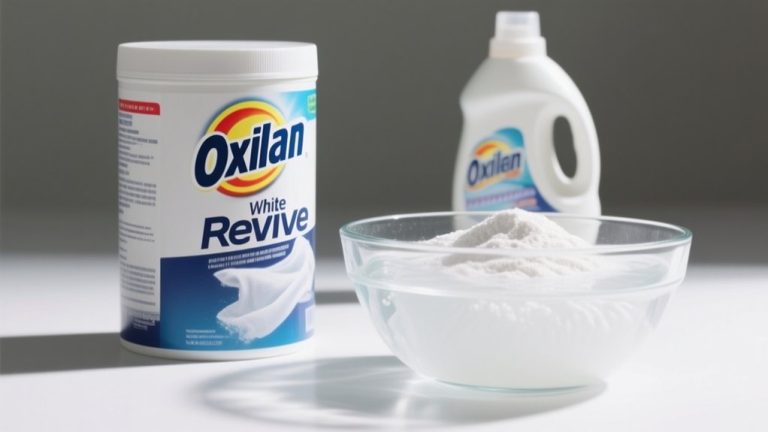
Choose fragrance-free OxiClean, such as a verified OxiClean Free formula, for brewing. Avoid scented versions and products with optical brighteners to prevent unwanted odors or residue.
Check the current label or safety data sheet because formulas can change. OxiClean suits routine cleaning, while PBW handles stubborn organic buildup better. Craftmeister works well in cold water.
Match box size to how often you brew, use the recommended dilution, soak, rinse thoroughly, and sanitize before use. The guide below helps you choose.
Which OxiClean Is Best for Brewing?
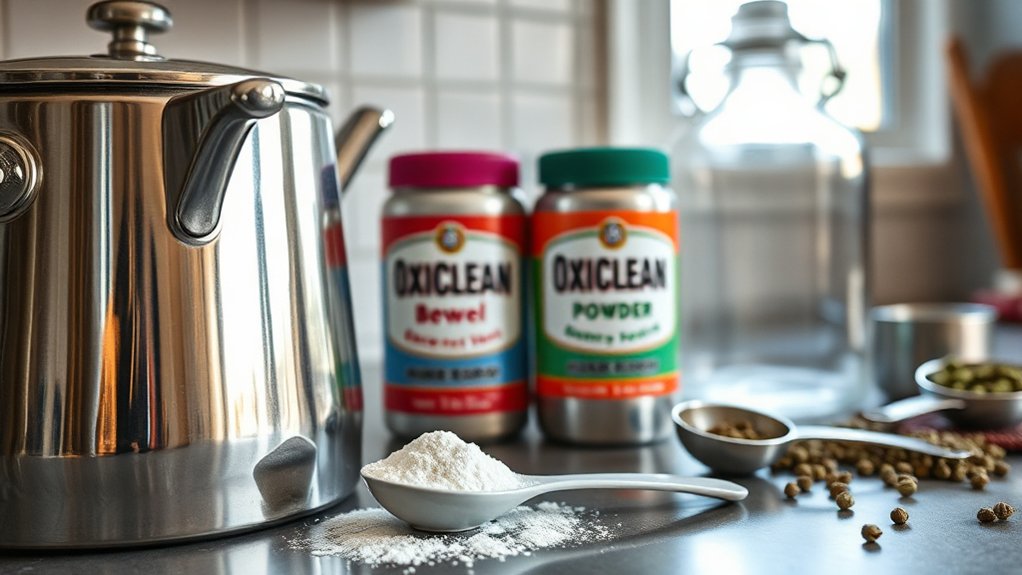
For brewing, choose the original, fragrance-free OxiClean since added scents can linger on equipment and risk affecting your beer.
Check the label before buying: scented formulas aren’t suitable for cleaning gear that’ll contact your wort or beer. You can also consider a fragrance-free alternative such as Oxifree if you want to avoid added scents.
OxiClean can clean brewing equipment effectively, but you’ll need to rinse it thoroughly. Its residue may leave a slick film, so don’t assume a quick rinse is enough.
Use hot water to help remove any remaining cleaner, and inspect surfaces before you use the equipment again.
Generic OxiClean versions may cost less and can offer a practical option for home brewing.
Choose a fragrance-free product, follow its directions, and rinse every cleaned item carefully.
How Does OxiClean Compare With PBW and Craftmeister?
If you’re weighing fragrance-free OxiClean against brewery cleaners, PBW offers stronger performance on organic residue and fermenter stains.
Craftmeister is often the most efficient, especially in cold water.
OxiClean and PBW share some ingredients and can deliver similar results, but PBW’s sodium metasilicate boosts its cleaning power.
OxiClean and PBW share ingredients, but PBW’s sodium metasilicate gives it extra cleaning power.
You may find PBW better at dissolving stubborn fermenter stains and organic buildup.
Craftmeister can clean efficiently in cold water, making it a practical choice when you want to save time and effort.
OxiClean is usually easier to find and cheaper, particularly in generic form.
If you use OxiClean to clean brewing equipment, plan to rinse thoroughly.
Users often report that removing residue takes a long time.
PBW and Craftmeister typically require less rinsing, though your choice may depend on availability, price, and cleaning needs.
How Can You Spot Fragrance and Brighteners?
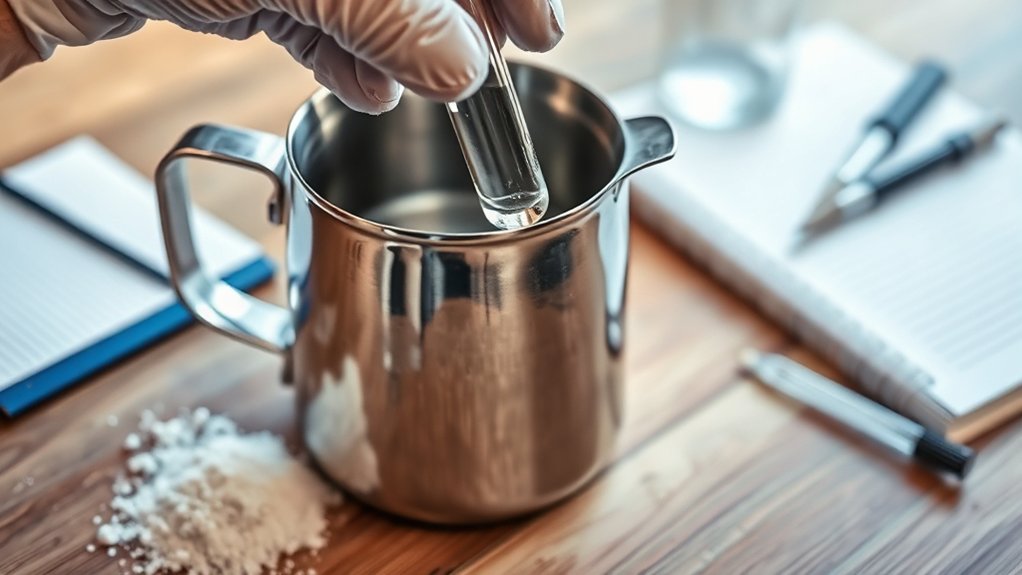
To spot fragrance and brighteners, check the label for “fragrance-free” and avoid products that list optical brighteners. These additives can leave unwanted residues and risk contaminating your brew, so don’t rely on a product’s general cleaning claims.
Read the ingredient list and reject any formula that names brighteners or optical brightening agents.
Look for “OxiClean Free” or “Oxifree” on the packaging; these labels indicate a fragrance-free product. The original OxiClean formula is also a practical choice because it typically contains no added fragrances or dyes.
Still, formulas can change, so verify the specific product rather than assuming every version is suitable. For a fuller ingredient breakdown, review its safety data sheet and confirm that the listed ingredients meet your brewing needs before using the cleaner.
What OxiClean Size Suits Your Brewing Routine?
Choose an OxiClean size based on how often you brew and the capacity of your equipment. If you brew occasionally, a 1.5-pound box should cover several cleaning sessions without leaving you with a large amount to store.
Choose a 1.5-pound OxiClean box for occasional brewing—it covers several cleaning sessions without taking up much storage space.
For regular brewing, choose a 4.5-pound box. It gives you a practical supply for cleaning larger equipment, such as fermenters and carboys, across multiple sessions.
If you brew at a larger scale, consider a container of 7 pounds or more. Buying in bulk can improve value per use and reduce trips to restock.
You can also compare generic cleaners, which often cost less than the brand-name option while offering similar effectiveness.
Match the package size to your brewing frequency and equipment, so you’ll have enough on hand without buying more than you need.
How Much OxiClean Should You Use?
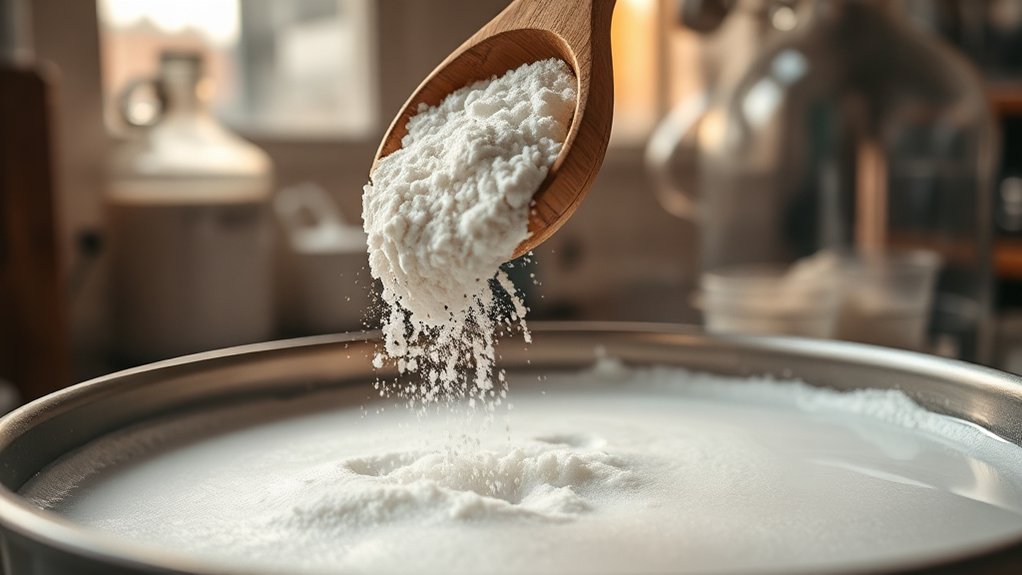
Use about ¼ to ½ cup of OxiClean per gallon of water when cleaning your brewing equipment.
If your gear is really dirty, feel free to adjust the amount somewhere within that range.
Just be sure to check the product label for any specific instructions.
Recommended Solution Strength
For most brewing equipment, mix ¼ to ½ cup of OxiClean per gallon of hot water. Use the lower end for light soil and the higher end for stubborn residue. Choose a concentration that suits your cleaning needs, and check the product label for manufacturer guidance.
| Equipment condition | Starting strength |
|---|---|
| Light soil | ¼ cup per gallon |
| Stubborn residue | ½ cup per gallon |
Use hot water to dissolve the cleaner, then soak your equipment according to the label. After cleaning, rinse thoroughly with clean water. Stronger solutions can leave a powdery film if you don’t rinse well, so inspect surfaces before brewing.
If you see residue, rinse again. It may mean you used too much cleaner or didn’t rinse enough. Adjust your mix for your brewing setup and follow the manufacturer’s directions.
Adjusting for Heavy Soil
When stubborn grime calls for a stronger mix, start with about 1–2 ounces of OxiClean per gallon of water.
Adjust within that range to match the soil. Assess each piece of equipment before mixing; heavier contamination may need the upper end, while lighter residue needs less.
Don’t add extra powder beyond the recommended range since too much can leave a frustrating film.
For stubborn stains or buildup, soak your equipment for at least 30 minutes to give the solution time to work.
Then rinse thoroughly with hot water. If a surface still feels slick, rinse again until that residue disappears.
- Match the dose to the mess, not guesswork.
- Give tough deposits time to loosen.
- Rinse until your gear feels clean, not slippery.
Reassess soil levels each cleaning and adjust your dose accordingly.
How Long Should Brewing Gear Soak?
How long should brewing gear soak in OxiClean? For most equipment, allow at least 15 to 30 minutes. This gives the cleaner time to dissolve organic residue and loosen stains without making the process unnecessarily long.
Most brewing gear needs 15–30 minutes in OxiClean to loosen residue and stains.
Use hot water when appropriate; it can help break down stubborn deposits more effectively.
Check your gear periodically as it soaks. If residue remains, extend the soak and reassess rather than assuming every item needs the same treatment. Heavily soiled equipment may need one to two hours for a thorough clean.
Follow the product manufacturer’s directions for recommended soak times, since using the solution as directed helps you get good results and avoid potential residue issues.
Your equipment’s condition and soil level should guide adjustments, so don’t leave items soaking longer than necessary.
How Should You Rinse and Sanitize Brewing Gear?
Rinse brewing gear thoroughly with hot water after using OxiClean, checking that no slick or powdery film remains. Hot water helps remove leftover cleaner, while a sprayer can reach corners, valves, and other hard-to-clean areas. You may need up to five rinses; keep going until the surfaces feel clean and look clear.
Excess OxiClean can leave powdery residue that may affect your beer’s quality, so inspect every piece before moving on.
Then sanitize your equipment with a brewing sanitizer such as Star-San just before brewing or bottling. Don’t skip this final step. Rinsing removes cleaner, but sanitizing helps eliminate potential contaminants.
For a reliable routine, remember:
- Rinse with hot water and check for residue.
- Spray all surfaces and hidden areas.
- Sanitize immediately before use.
A careful finish protects your hard-won batch.
Frequently Asked Questions
Is Oxiclean Safe for Cleaning Stainless Steel Brewing Equipment?
Yes, you can safely clean stainless steel brewing equipment with original, fragrance-free OxiClean when you follow the label directions.
Its sodium carbonate and sodium percarbonate help loosen organic residue without harming stainless steel.
Rinse every surface thoroughly afterward so cleaner residue won’t affect your brew.
Don’t use scented or additive-containing versions, and remember that OxiClean isn’t a sanitizer.
After cleaning, sanitize your equipment with a brewing sanitizer such as Star-San before use.
Can Oxiclean Damage Aluminum Brewing Components?
Yes, Oxiclean can damage aluminum brewing components, especially if you leave them soaking for a long time. Its alkaline ingredients may cause pitting or corrosion.
If you use it, keep contact brief and rinse every part thoroughly afterward.
For safer cleaning, choose PBW or Craftmeister, which are generally more suitable for aluminum.
Before using any cleaner, check your equipment manufacturer’s guidance and the product’s safety information to protect your gear.
Does Oxiclean Remove Beer Stone From Fermenters?
Oxiclean won’t cut it for beer stone. You’ll need an acid-based cleaner to remove that mineral buildup effectively.
You can use Oxiclean for general fermenter cleaning, but its alkaline action doesn’t dissolve beer stone formed from calcium and other minerals.
Rinse thoroughly after cleaning since leftover residue may contribute to buildup.
For best results, clean regularly with Oxiclean, then use a brewing-safe acid cleaner when you spot beer stone.
Follow each product’s directions carefully.
Can Oxiclean Be Used to Clean Draft Beer Lines?
Yes, you can use OxiClean to clean draft beer lines because it helps remove organic residue and stains.
Dilute it according to the product directions; too much can leave a powdery film that takes extra rinsing to clear.
Flush the lines thoroughly with clean water so no cleaner remains to affect your beer’s flavor.
Then use a beer-line sanitizer, such as Star San, before serving.
Regular cleaning helps prevent buildup and maintain good beer quality.
How Should Oxiclean Be Stored Between Brewing Sessions?
Store your OxiClean in a cool, dry place between brewing sessions, away from direct sunlight.
Seal the container tightly after each use to keep moisture out. Dampness can cause clumping and reduce cleaning effectiveness.
Keep it out of reach of children and pets, and label generic products clearly so you don’t confuse them with other cleaners.
Check the expiration date regularly and discard expired product to help guarantee reliable cleaning results.
Conclusion
Choose OxiClean Free, fragrance-free and free of optical brighteners, for brewing gear; avoid scented versions that can leave unwanted residues. You’ll also find that PBW or Craftmeister may suit stubborn brewery soils better, though they cost more.
Use the label’s dilution guidance, soak only as needed, then rinse thoroughly and sanitize before brewing. Coincidentally, the same careful rinse that protects your beer’s flavor also helps your cleaner go further: less residue means less rework.
Match the package size to your batch routine.