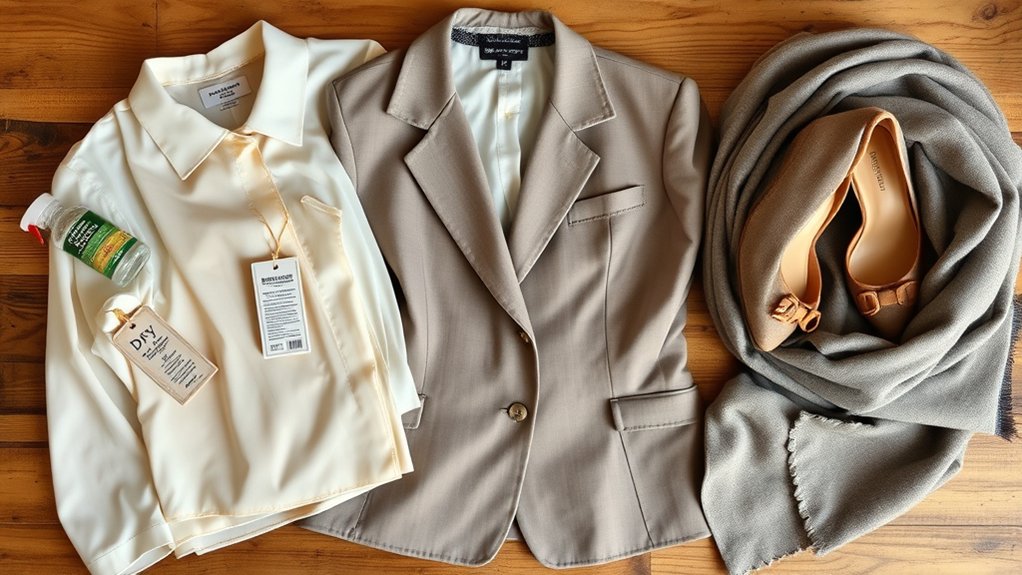
What To Dry Clean – Complete Guide
You should always dry clean items labeled “Dry Clean Only,” delicate fabrics like silk, wool, and structured clothing such as suits and formal dresses to maintain their shape and quality. Avoid home washing on tricky embellishments or heavily soiled items like coats.
Hand washing suits some sturdier or lightly delicate garments if the care label allows. Preparing clothes properly and selecting a skilled cleaner guarantees the best results.
Keep going to uncover how to protect and extend your garment’s life after dry cleaning.
Which Clothes Always Need Dry Cleaning?
When should you always opt for dry cleaning? You should choose dry cleaning for garments labeled “Dry Clean Only” to prevent damage or shrinking. Delicate fabrics like silk, lace, wool, and rayon require this method to preserve their texture and appearance.
Structured clothing, such as suits, blazers, and formal dresses, also benefits from dry cleaning since it maintains their shape and finish. Plus, items with intricate embellishments, beading, or glued decorations need professional care to avoid loosening or damage.
For effective stain removal without harming the fabric, dry cleaning is the safest option. Heavy or heavily soiled items like coats, drapes, and curtains demand thorough cleaning that dry cleaning uniquely provides. This ensures fabric longevity and keeps them looking their best.
Which Garments Can You Hand Wash Instead of Dry Cleaning?
You can hand wash garments made from sturdy fabrics like cotton, linen, and polyester. This not only saves you time but also reduces your exposure to harsh chemicals. Plus, it’s pretty straightforward!
Delicate items like silk blouses or wool sweaters can also be hand washed gently, but only if the care label says it’s okay. It’s all about being careful and treating these fabrics with the right amount of love.
Knowing which fabrics do well with hand washing helps you keep your clothes looking great. And the best part? You avoid unnecessary trips to the dry cleaner, saving both money and effort.
Suitable Fabrics for Hand Washing
Which garments can you confidently hand wash instead of sending them to the dry cleaner? Delicate fabrics such as silk, lace, and wool are often suitable for hand washing. This helps protect them from harsh dry cleaning chemicals.
Always check the care label to make sure the garment can be hand washed safely. Cotton and linen items with simple designs usually do well with hand washing if the label allows it. Just be careful with heavily embellished pieces — avoid hand washing them unless the label specifically says it’s okay.
| Fabric Type | Suitable for Hand Washing? | Notes |
|---|---|---|
| Silk, Lace, Wool | Yes | Use gentle detergent |
| Cotton, Linen | Yes | Check care label |
| Embellished | No/With Caution | Risk of damage |
Following care labels is the best way to keep your garments looking great.
Hand Washing Benefits
Although dry cleaning remains essential for certain fabrics, hand washing offers several benefits that make it a preferable choice for many garments. When you hand wash, you get precise control over water temperature and detergent use. This helps reduce risks like shrinkage or color bleeding.
Before deciding, always check your garment carefully to assess the fabric type and any embellishments.
Here are three key benefits of hand washing:
- It’s ideal for delicate fabrics such as silk, lace, and wool, which dry cleaning chemicals might damage.
- You can safely hand wash everyday items like sweaters, jeans, and casual blazers to help extend their lifespan.
- Garments with intricate beading or glued elements are best hand washed to avoid damage.
Hand washing helps keep your clothes looking great while avoiding unnecessary trips to the dry cleaner. It’s a simple way to maintain your clothing’s quality and care.
Why Care Labels Matter for Dry Cleaning
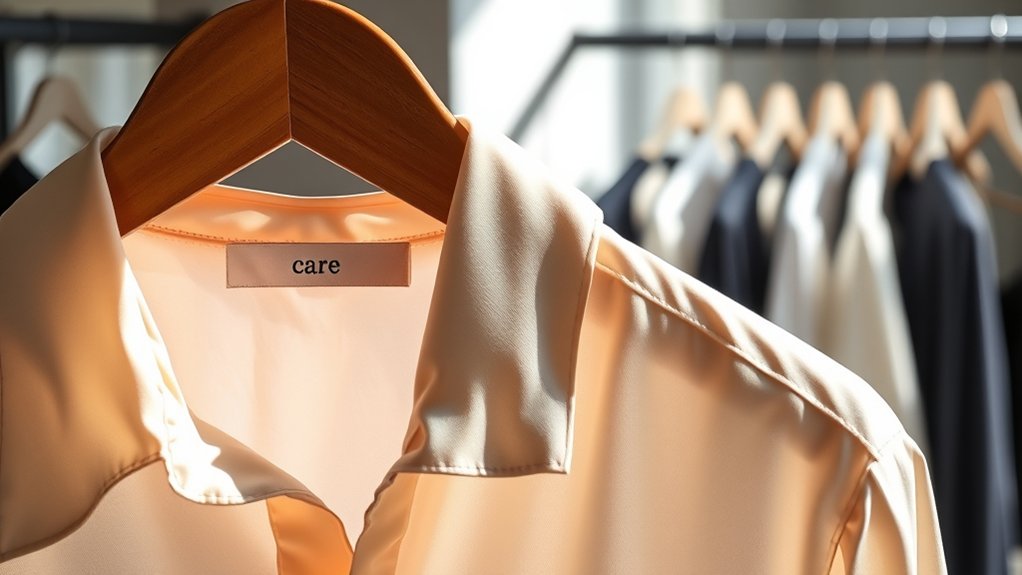
You really need to pay attention to care labels if you want to keep your clothes looking great. They tell you exactly how to clean your garments and what fabrics need special treatment.
These labels basically act as your guide, showing whether dry cleaning is the way to go and what solvents or temperatures are safe to use. If you skip reading them, you could end up ruining your favorite pieces or making them wear out faster than they should.
Understanding Label Instructions
Why do care labels play such a crucial role in dry cleaning? They provide essential instructions to ensure you treat garments properly and preserve their quality.
Care labels use specific symbols, like a circle indicating dry cleaning, to guide you on the correct cleaning method.
Here’s why you should always follow care label instructions:
- Prevent Damage: Labels like “Dry Clean Only” warn against water or home washing because these can ruin the fabric or structure.
- Maintain Appearance: Proper cleaning helps preserve the color, shape, and fabric integrity.
- Handle Special Fabrics: Some labels specify particular solvents or techniques needed for delicate materials.
Following these instructions might seem like a hassle, but it really pays off in the long run!
Identifying Fabric Requirements
Care labels don’t just tell you how to clean a garment. They reveal the fabric’s specific needs that determine the best cleaning method. These labels let you know if your item requires dry cleaning or if home washing is safe, helping you avoid damaging delicate fabrics.
Fabric symbols on care labels specify appropriate techniques like dry cleaning, hand washing, or machine washing. This ensures proper garment care and keeps your clothes looking good.
Ignoring these instructions can cause irreversible harm, such as shrinking, color fading, or fabric stretching.
By following care labels, you protect your garment’s quality and longevity. This way, you maintain its appearance after dry cleaning.
Understanding these fabric requirements is essential for making informed decisions that preserve your clothes and extend their wearability.
How to Spot and Treat Stains Before Dry Cleaning
Before sending your garment for dry cleaning, thoroughly inspect it for stains. Note their type and how long they’ve been there. Properly spotting and treating stains before cleaning can really improve removal success and protect your fabric.
First, identify each stain’s nature. Fresh stains are easier to treat, so it’s best to act promptly.
Avoid using water, bleach, or detergent because these can set stains or damage the fabric. Instead, apply a gentle stain remover or a white vinegar-water mix carefully. Make sure to test it first on a hidden spot.
Always blot stains gently with a clean cloth to avoid spreading or pushing them deeper into the fabric.
How to Sort Clothes by Fabric and Color for Safe Dry Cleaning
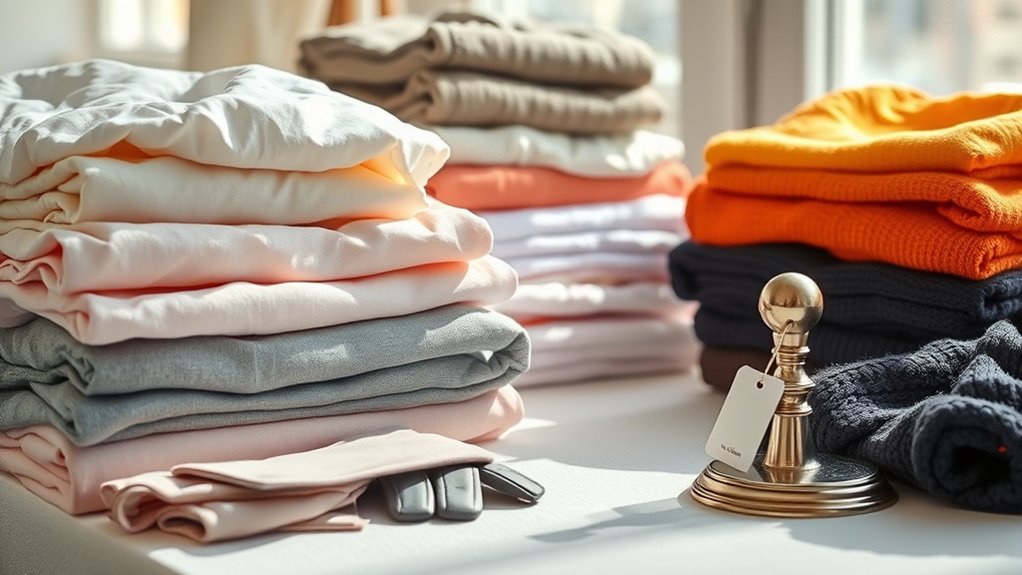
When preparing your clothes for dry cleaning, sorting them by fabric type and color is key to protecting their quality and appearance. Start by separating delicate fabrics like silk, lace, wool, and rayon from sturdier materials such as denim, coats, and suits. This helps prevent damage during cleaning.
Next, group garments by color—light, dark, and bright—to avoid dye transfer and keep colors vibrant. It’s a good idea to bring matching items together, like suits and skirts, so they get consistent fabric care and color preservation.
Use garment or reusable laundry bags for fragile or multiple pieces to protect them and make handling easier. Before sorting, take a moment to check your clothes for stains or damage.
Let your dry cleaner know about any concerns so they can treat stains properly. Doing this careful sorting will help ensure your clothes come back looking their best after dry cleaning.
When and How Often Should You Dry Clean Your Clothes?
Sorting your clothes properly sets the stage for effective dry cleaning, but knowing when and how often to send garments to the cleaner is just as important. You should always check the care label for specific guidance on dry cleaning frequency.
Generally, dry cleaning is best reserved for clothes that are visibly soiled or stained, rather than on a fixed schedule.
Delicate clothing, such as wool or silk, usually requires less frequent cleaning, often just once or twice per season. To help you decide, here are some simple tips:
- Dry clean only when garments show visible dirt, stains, or odors.
- For delicate clothing, limit dry cleaning to prevent fabric wear.
- Regularly air and brush clothes to reduce dry cleaning frequency.
Following these tips helps maintain your clothes’ condition and longevity. It’s a smart way to keep your wardrobe looking fresh without overdoing it.
How to Prepare Clothes Before Dropping Them Off
Although dropping off your clothes for dry cleaning might seem straightforward, proper preparation guarantees the best possible results and protects your garments during the cleaning process. Start by carefully checking care labels for specific instructions like “Dry Clean Only” or recommended methods.
Next, inspect garments for stains, damage, loose buttons, or missing embellishments, and be sure to let your cleaner know about any issues. Also, remove items from pockets. Pens, tissues, coins, and sharp objects can cause damage.
Avoid trying to remove stains yourself. Professional cleaners use specialized treatments that are more effective and safer for delicate fabrics.
Finally, fold or hang clothes neatly instead of stuffing them into plastic bags. This helps prevent wrinkles and fabric stress, so your items arrive in great condition.
How to Choose the Right Dry Cleaner for Your Clothes
Selecting the right dry cleaner requires careful research and consideration to guarantee your garments receive the best care possible. You want a cleaner with proven experience and reliability, especially for delicate fabrics. Here’s how to choose wisely:
First, check their reputation by reading reviews on platforms like the Better Business Bureau and customer testimonials to ensure consistent quality. Confirm the cleaner specializes in your garment types, such as silk or wool, to avoid damage.
You can even test their service by dropping off an inexpensive item to see how they handle it.
Also, make sure to verify clear policies on pricing, damages, and lost items before committing. Prioritizing a dry cleaner that combines reputation, experience, and specialization lets you entrust your clothes with confidence. It’s worth taking the time to find someone you can trust.
What Really Happens During Professional Dry Cleaning
When you bring your clothes in, the professionals first take a close look at each piece. They inspect and tag every garment to spot any specific stains and figure out what kind of fabric they’re dealing with.
Then, instead of using water like your usual wash, they clean your clothes with a special liquid solvent. This method is great because it’s gentle on delicate fibers and stops your clothes from shrinking.
Inspection And Tagging
Before your garments enter the cleaning chamber, professionals carefully inspect each piece for stains, damage, and fabric-specific care requirements. This inspection guarantees nothing is overlooked, especially hidden stains or delicate fabrics needing special attention.
After inspection, tagging is essential. Each garment receives a unique identifier linked to its inspection notes and cleaning instructions. This step prevents mix-ups and maintains quality control throughout the process.
Here’s what happens during inspection and tagging:
- Examine garments thoroughly for visible and hidden stains or damage.
- Attach a barcode or label that corresponds to the garment’s specific care needs.
- Record inspection details linked to the tag for accurate tracking during cleaning.
This meticulous inspection and tagging protect your garments and guarantee precise handling. It’s all about making sure your clothes get the care they deserve.
Solvent Cleaning Process
Once your garments are tagged and ready, the solvent cleaning process begins. Before entering the machine, targeted pretreatment uses specialized solvents to tackle specific stains without harming fabric integrity.
During the dry cleaning process, clothes are immersed in a liquid solvent, commonly perchloroethylene or hydrocarbon, that gently dissolves oils and dirt. This solvent circulates through a cleaning cycle where it’s continuously filtered and recycled. This helps remove contaminants to avoid cross-contamination and maintain effectiveness.
After cleaning, the garments undergo low-heat drying to evaporate residual solvent safely. They’re then pressed, steamed, and given a final inspection to ensure pristine condition before packaging.
This precise solvent cleaning process guarantees thorough, fabric-safe stain removal, making professional dry cleaning your best option for delicate and non-water-safe garments.
Tips to Protect and Extend the Life of Dry-Cleaned Clothes
Although dry cleaning helps maintain your clothes’ appearance, you need to take specific steps to protect and extend their lifespan. Proper care guarantees your dry-cleaned garments stay in excellent condition longer.
Start by regularly brushing or lint-rolling your dry-cleaned garments to remove dust and lint. This helps protect the fabric from buildup and wear.
Also, store clothes in breathable garment bags, not plastic ones. This allows fabric fibers to breathe and prevents degradation.
Try to avoid over-wearing items; letting fabrics rest helps preserve their integrity. Make sure to schedule cleanings based on how often you wear the clothes and the fabric type.
Keep in mind that too much dry cleaning can actually weaken fibers.
Frequently Asked Questions
Can Dry Cleaning Remove Odors Like Smoke or Mildew?
Yes, dry cleaning can remove odors like smoke or mildew effectively. The specialized solvents penetrate fabric fibers to neutralize odor-causing particles.
If the smell is persistent, professional cleaners often use ozone or enzyme treatments to target stubborn residues. Keep in mind, newer or milder odors respond best.
Heavily contaminated items might need multiple cleanings or specialized treatments to fully eliminate the smell.
You’ll see the best results with prompt care.
Is Dry Cleaning Safe for Leather or Suede Items?
Dry cleaning leather or suede is like walking a tightrope. You need skilled hands to keep it safe. When done by experienced professionals using specialized solvents, it preserves texture, color, and shape. It also prevents cracking or drying.
You should always inform your cleaner about the material and treatments. Some delicate pieces need special care.
Avoid home kits because they can stain or damage your items.
Trust experts to maintain your leather or suede’s integrity. They know how to handle these materials properly. That way, your items stay looking great for longer.
How Environmentally Friendly Is the Dry Cleaning Process?
You can find eco-friendly dry cleaning options that minimize environmental impact by choosing services using biodegradable solvents like hydrocarbon or silicone-based cleaners. These alternatives avoid harmful chemicals like perchloroethylene, which helps reduce pollution and health risks.
Look for certifications such as Green Earth, which guarantee sustainable practices. These include using energy-efficient machines and ensuring proper solvent disposal.
Can Dry Cleaning Cause Color Fading or Fabric Damage?
Think of your favorite garment as a vibrant painting. Dry cleaning can sometimes dim its colors or warp its canvas. Yes, dry cleaning can cause color fading or fabric damage, especially if harsh solvents or high heat are involved.
Delicate fabrics like silk and wool need gentle handling. To protect your clothing’s brilliance, always choose a skilled dry cleaner.
And don’t forget to tell them about any fabric sensitivities. That way, your garment stays as vivid as the day you bought it.
What Should I Do if My Clothes Get Damaged During Dry Cleaning?
If your clothes get damaged during dry cleaning, start by photographing the damage immediately.
Contact your dry cleaner right away with detailed descriptions and evidence.
Review their loss and damage policy to understand your rights.
Request a written explanation of the damage cause and their resolution process.
If the damage is severe, get an independent repair estimate.
You might also want to consider consulting consumer protection agencies to make sure you get fair compensation.
Conclusion
You might think dry cleaning is just for suits, but it’s also perfect for delicate silks and stubborn stains you can’t tackle at home. Coincidentally, paying attention to care labels and sorting your clothes properly can save you money and headaches.
By choosing the right cleaner and prepping your garments, you’re not just maintaining fabric—you’re extending your wardrobe’s life. So, next time you hesitate, remember: expert care makes all the difference.