How To Sanitize Laundry – Full Guide
To sanitize your laundry effectively, sort clothes by fabric and color, then use the warmest safe water setting, ideally above 80°F, to maximize pathogen elimination. Add an EPA-registered sanitizer like Lysol® Laundry Sanitizer during the rinse cycle for 16 minutes to kill 99.9% of bacteria without fabric damage.
Handle contaminated items with gloves and avoid shaking to prevent germ spread. Follow these precise steps, and you’ll maintain a healthier home environment. Explore further for deeper insights and advanced tips.
Key Takeaways
- Sort laundry by fabric and color, handle contaminated clothes carefully, and select the warmest safe water temperature for effective sanitizing.
- Use EPA-registered laundry sanitizers like Lysol® Laundry Sanitizer, added during the rinse cycle for 16 minutes for optimal bacteria elimination.
- Bleach, hydrogen peroxide, and white vinegar are effective sanitizing agents; choose based on fabric type and pathogen presence.
- Wear gloves and avoid shaking laundry from sick individuals; wash items separately in water above 80°F to prevent germ spread.
- Use commercial machines with high-temperature settings, extra rinse cycles, and features like lint interceptors for thorough sanitization and efficiency.
Why Sanitizing Your Laundry Really Matters
Why should you prioritize sanitizing your laundry? Regular washing often leaves bacteria intact, especially on items like children’s clothes, bedding, and towels.
These pathogens can survive for hours to weeks, posing significant health risks, particularly if you or someone in your household has a weakened immune system.
Laundry sanitizing targets and eliminates these harmful microorganisms more effectively than standard detergents. By using disinfecting products designed for this purpose, you reduce the likelihood of spreading contagious illnesses throughout your home.
Products such as Lysol® Laundry Sanitizer kill 99.9% of bacteria without damaging fabrics, ensuring both hygiene and longevity.
Prioritizing laundry sanitizing strengthens your defenses against infection and maintains a healthier living environment for everyone in your household.
How to Prepare Laundry for Effective Sanitizing
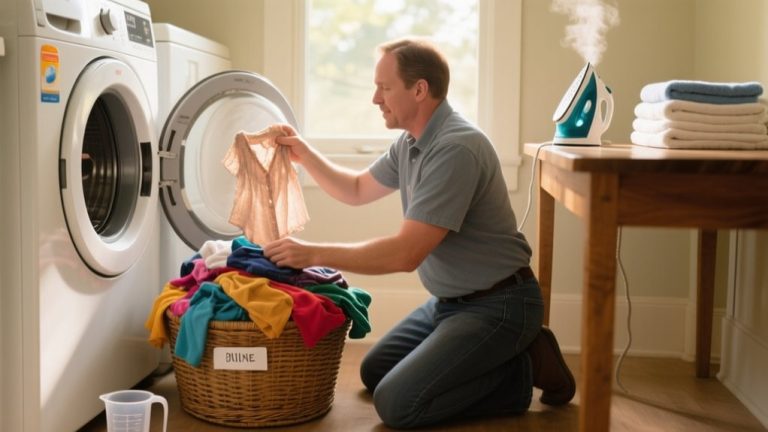
Start by sorting your laundry according to fabric type and color to protect materials and enhance sanitizing effectiveness. Proper preparation helps you sanitize laundry using the most effective methods. Follow these steps:
Sorting laundry by fabric and color protects materials and boosts sanitizing effectiveness.
- Handle contaminated clothes carefully; avoid shaking to prevent germ spread and store them in washable bags until washing.
- Select the warmest water temperature safe for each fabric to maximize pathogen elimination.
- Pre-treat stains and apply a high-quality detergent combined with an EPA-registered laundry sanitizer for thorough disinfection.
Using a high-quality detergent enhances the sanitizing process by breaking down soils and allowing sanitizers to work effectively.
Effective Sanitizing Agents Beyond Bleach for Laundry
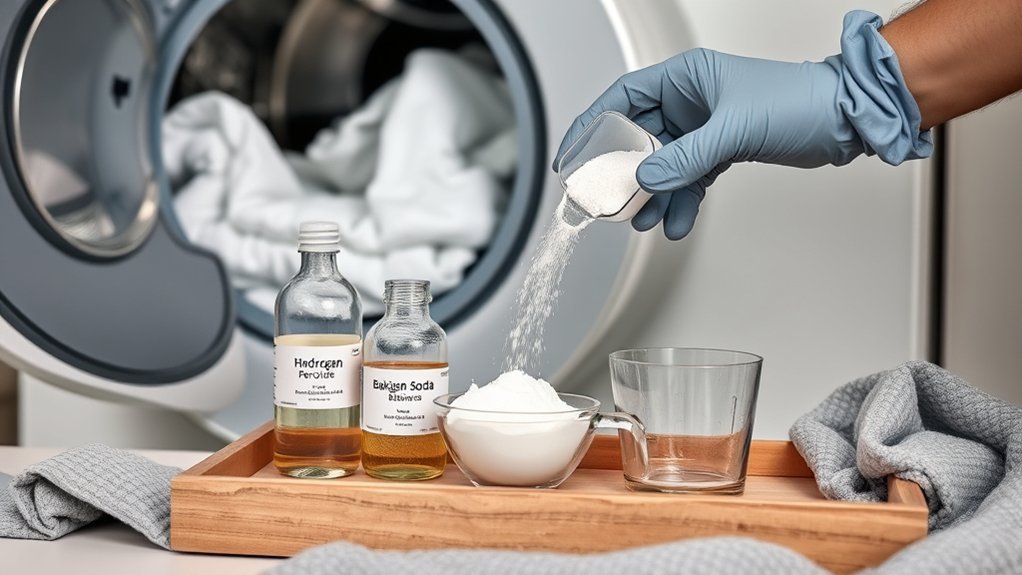
Although bleach is a common sanitizing agent, several effective alternatives can disinfect your laundry without its harsh effects.
Hydrogen peroxide at 3% concentration is effective against bacteria, viruses, and fungi when combined with detergent for at least 30 minutes.
White vinegar’s acetic acid offers antimicrobial action, making it a suitable rinse for colored fabrics.
Pine oil, while useful for low germ levels during a second wash, isn’t effective against human pathogens.
Commercial laundry sanitizers provide a reliable solution, killing 99.9% of bacteria on various fabrics, including delicates, and perform well in cold water.
Using EPA-registered laundry sanitizer products regularly enhances sanitizing laundry efforts and supports disinfecting surfaces in fabrics, especially in households with immunocompromised individuals.
This helps considerably reduce illness transmission.
How to Use Lysol® Laundry Sanitizer
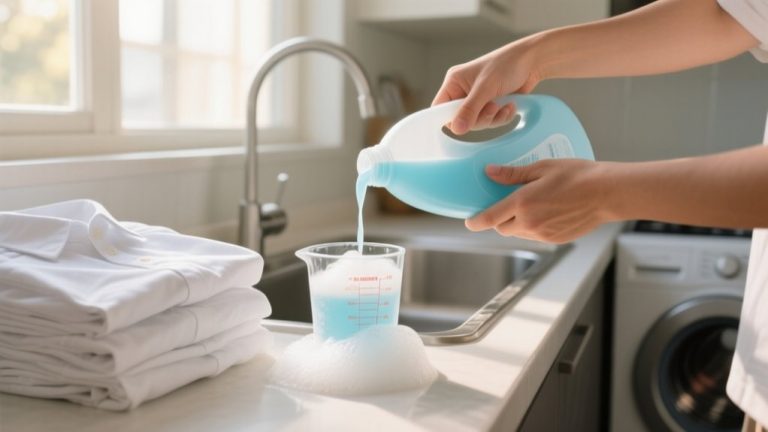
To effectively sanitize your laundry with Lysol® Laundry Sanitizer, add two capfuls to the fabric softener compartment or during the rinse cycle of your washing machine, whether standard or HE. This method guarantees the sanitizer distributes evenly during the rinse cycle.
Follow these steps for best results:
- Use exactly two capfuls per load to maintain proper concentration.
- Confirm the rinse cycle lasts at least 16 minutes to maximize bacteria elimination.
- Utilize cold water settings as Lysol® Laundry Sanitizer works effectively without damaging fabrics.
Lysol® Laundry Sanitizer kills 99.9% of bacteria, making it ideal for baby clothes and delicates.
Always adhere to the product label instructions to ensure safe and effective sanitizing in your laundry routine.
How Water Temperature Affects Laundry Sanitizing
You’ll find that cold water alone often doesn’t get rid of all the bacteria, especially on synthetic fabrics.
Using warm water at 80°F or higher really helps because it kills more germs and makes your detergent work better.
Heat is super important when it comes to disinfecting, so it’s a good idea to always pick the warmest setting that’s safe for your clothes.
Cold Water Sanitizing Effectiveness
How effective is cold water at sanitizing your laundry? Cold water alone may struggle to eliminate bacteria, but with the right approach, you can still sanitize laundry effectively. Here’s what you need to know:
- Use a specialized laundry sanitizer formulated for cold water. Products like Lysol® Laundry Sanitizer kill 99.9% of bacteria even at low temperatures.
- Activate your washing machine’s sanitizing cycle if available. This boosts germ reduction without needing hot water.
- Avoid relying solely on traditional detergents in cold water. They often don’t provide sufficient sanitization, especially for heavily soiled items.
Warm Water Benefits
Although cold water can clean laundry, washing with warm water greatly improves sanitizing effectiveness by killing bacteria and viruses more efficiently.
Warm water at 80°F or higher enhances detergent dissolution, boosting its cleaning and sanitizing power compared to cold water. This temperature accelerates the breakdown of oils and soils, particularly on towels and bedding, ensuring deeper cleaning.
When combined with sanitizing agents like Lysol® Laundry Sanitizer, warm water can eliminate up to 99.9% of bacteria on fabrics, markedly reducing illness transmission risk.
Regularly using warm water in your laundry routine also prevents bacteria buildup and odors, promoting fabric longevity.
Warm water therefore plays an essential role in effective laundry sanitizing by optimizing both microbial reduction and fabric care.
Heat’s Role In Disinfection
When you increase water temperature to at least 130°F during laundry, you greatly enhance the disinfection process by effectively killing bacteria and viruses that cold water can’t eliminate.
Heat plays a critical role in sanitizing laundry by reducing pathogen viability on fabrics.
To maximize sanitization with hot water, consider these steps:
- Use the hottest safe setting for your fabric to boost detergent and sanitizer effectiveness.
- Prioritize washing towels and bedding at higher temperatures since they harbor more bacteria.
- For heavily contaminated items, guarantee water temperature reaches at least 80°F to eliminate pathogens while protecting fabric integrity.
When and How Often Should You Sanitize Laundry?
Why should you sanitize laundry regularly? Sanitizing laundry reduces the risk of spreading contagious illnesses, especially during cold and flu season or when caring for sick individuals.
You should sanitize laundry immediately when dealing with contaminated items like clothes exposed to body fluids, using the warmest water setting safe for the fabric.
High-touch items such as towels and bedding require sanitizing weekly or bi-weekly to eliminate bacteria and odors effectively.
Incorporate EPA-registered sanitizers in every wash cycle to kill up to 99.9% of bacteria, guaranteeing thorough disinfection.
If someone in your household has a weakened immune system, sanitize laundry after every use to maintain a safe environment.
Following these practices guarantees your laundry is hygienic and helps prevent pathogen transmission.
Tips for Sanitizing Delicates, Baby Clothes, and Sportswear
Since delicates, baby clothes, and sportswear require specific care, you should tailor your sanitizing approach to preserve fabric quality while guaranteeing effective disinfection.
Here are three tips to help you disinfect laundry properly:
- To sanitize delicates, add 2 capfuls of Lysol® Laundry Sanitizer to the fabric softener compartment or rinse cycle. Just make sure it’s compatible with your washing machine.
- For baby clothes, always follow the manufacturer’s instructions. Wash in cold water with gentle detergent, and use a sanitizer safe for sensitive fabrics to keep both integrity and hygiene.
- Sportswear demands warm water washing with a high-quality detergent plus a laundry sanitizer. This helps eliminate bacteria and odors effectively.
These targeted methods guarantee you thoroughly disinfect laundry without compromising fabric performance.
How to Deep Clean and Sanitize Your Washing Machine
Maintaining a clean washing machine requires monthly deep cleaning to remove residue, odors, and bacteria that can accumulate over time.
Start by wiping the drum and exterior surfaces with soapy water or disinfecting wipes to guarantee thorough sanitizing.
Begin by cleaning the drum and exterior with soapy water or disinfecting wipes for complete sanitization.
Pour a specialized washing machine cleaner into the drum and run a hot, empty cycle to eliminate buildup effectively.
Regularly inspect and clean the lint filter and drain trough to maintain peak wash efficiency and prevent clogs.
For enhanced disinfecting, use an EPA-registered disinfectant, strictly following the manufacturer’s instructions for application and contact time.
Always consult your machine’s care labels and manufacturer guidelines before cleaning to avoid damage and promote longevity.
This routine deep cleaning supports efficient laundry performance and hygiene.
Practical Laundry Habits to Prevent Germ Spread at Home
When handling laundry, it’s a good idea to wear gloves and try not to shake contaminated items. This helps keep germs from spreading around.
You can use effective sanitizing methods like Lysol® Laundry Sanitizer or wash with warm water along with EPA-registered products to safely get rid of bacteria.
By sticking to these habits, you’ll make sure your laundry is thoroughly disinfected without harming your clothes or causing cross-contamination.
It’s all about keeping things clean and safe in a simple way.
Safe Laundry Handling
When handling laundry from sick individuals, wearing disposable gloves greatly reduces the risk of germ transfer and protects your health.
To maintain safe laundry handling and avoid spreading pathogens, follow these key steps:
- Always wash contaminated laundry separately in washing machines using the warmest water safe to wash the fabric, ideally above 80°F, to effectively kill germs.
- Avoid shaking laundry to prevent airborne contamination and immediately clean and disinfect laundry hampers and surrounding surfaces.
- After handling laundry, thoroughly wash hands with soap and water to eliminate residual pathogens.
Adhering to these protocols aligns with Disease Control guidelines, ensuring you minimize cross-contamination and maintain a safe household environment.
Proper handling is essential before moving on to effective sanitizing techniques.
Effective Sanitizing Techniques
Although standard washing removes many germs, it doesn’t always eliminate all harmful bacteria, especially on items like towels, bedding, and children’s clothes. To apply effective sanitizing techniques, use the warmest water setting safe for the fabric. Consider adding a laundry sanitizer like Lysol® Laundry Sanitizer, which can kill bacteria even in cold water.
Always handle contaminated laundry carefully. Wear gloves, avoid shaking, and wash your hands immediately after.
| Step | Action | Purpose |
|---|---|---|
| Water Temperature | Use warmest water setting | Enhances bacteria removal |
| Sanitizer Application | Add during rinse cycle | Kills 99.9% of bacteria |
| Handling Precautions | Wear gloves, wash your hands | Prevents germ spread |
Follow these to guarantee your laundry can be washed safely and hygienically.
How to Choose Commercial Laundry Equipment for Sanitizing
Since effective sanitization depends on both temperature and cycle design, choosing commercial laundry equipment with built-in sanitizing cycles is essential to reduce bacteria and pathogens on fabrics.
You should focus on factors that guarantee thorough sanitization and operational efficiency.
When selecting commercial laundry equipment, consider these key points:
- High-temperature settings: Verify the machine reaches temperatures effective for killing microbes.
- Extra rinse cycles: Confirm the washer offers additional rinses to fully remove sanitizing agents, preventing residue buildup.
- Laundry volume capacity: Match machine speed and capacity to your workload to maintain turnaround without compromising sanitization.
Also, look for features like drain troughs and lint interceptors to enhance washing efficiency and avoid cross-contamination.
These elements collectively optimize sanitizing performance.
Frequently Asked Questions
Can Sanitizing Laundry Prevent Allergies and Skin Irritations?
Yes, sanitizing your laundry can prevent allergies and skin irritations by eliminating allergens like dust mites and mold spores trapped in fabrics.
When you use a laundry sanitizer and wash at higher temperatures, you kill 99.9% of bacteria and pathogens that cause skin irritation.
This process reduces allergen buildup and prevents odors, helping you maintain healthier skin and a cleaner environment, especially if you have sensitive skin or allergy concerns.
How Do Sanitizing Practices Differ for Hand-Washed Versus Machine-Washed Laundry?
Sanitizing hand-washed laundry requires you to use warm water (80°F or higher) and add disinfectants like hydrogen peroxide or vinegar.
You often need to soak longer since there’s limited agitation.
For machine-washed laundry, you can select high-temperature cycles and use specialized sanitizing settings or products like Lysol® Laundry Sanitizer.
This ensures consistent heat and agitation for thorough bacteria elimination.
Machine washing offers more reliable, efficient sanitization compared to the variability of hand-washing.
Are There Natural Alternatives to Chemical Laundry Sanitizers?
Yes, you can use natural alternatives like 3% hydrogen peroxide, white vinegar, pine oil, and baking soda to sanitize your laundry.
Hydrogen peroxide effectively combats bacteria, viruses, and fungi.
Vinegar helps reduce odors and sanitize colored fabrics.
Pine oil suits low-level germ control, while baking soda boosts detergent performance and neutralizes odors.
Keep in mind these alternatives work best for routine sanitization, not high-risk infection scenarios.
What Are the Environmental Impacts of Using Bleach Regularly?
Using bleach regularly is like pouring poison into nature’s veins. You release harmful chemicals, such as dioxins, that contaminate waterways and disrupt aquatic life.
Its production emits significant carbon, and its persistence degrades soil quality by harming microbial communities essential for ecosystems.
Plus, bleach forms toxic byproducts contributing to air pollution.
To protect the environment and your health, consider less damaging alternatives like hydrogen peroxide or vinegar for sanitizing laundry.
Can Sanitizing Laundry Remove Odors Caused by Mold or Mildew?
Yes, sanitizing your laundry effectively removes odors caused by mold or mildew. Sanitizers kill 99.9% of bacteria and fungi responsible for those smells.
Using hot water and a quality detergent breaks down organic matter, while additives like white vinegar or hydrogen peroxide during rinsing target mold spores.
Make sure your fabrics dry completely to prevent odors from coming back.
Also, clean your washing machine regularly to keep your laundry fresh and odor-free.
Conclusion
Sanitizing your laundry is vital. Did you know that up to 85% of household washing machines harbor bacteria? By preparing your laundry properly and choosing effective sanitizers like Lysol® Laundry Sanitizer, you greatly reduce germ presence.
Remember, water temperature and fabric type matter when sanitizing. Regularly cleaning your washing machine and adopting hygienic laundry habits help keep your home safer.
Taking these steps guarantees your laundry isn’t just clean but truly sanitized.