How To Remove Pet Hair From Laundry – Do It Right
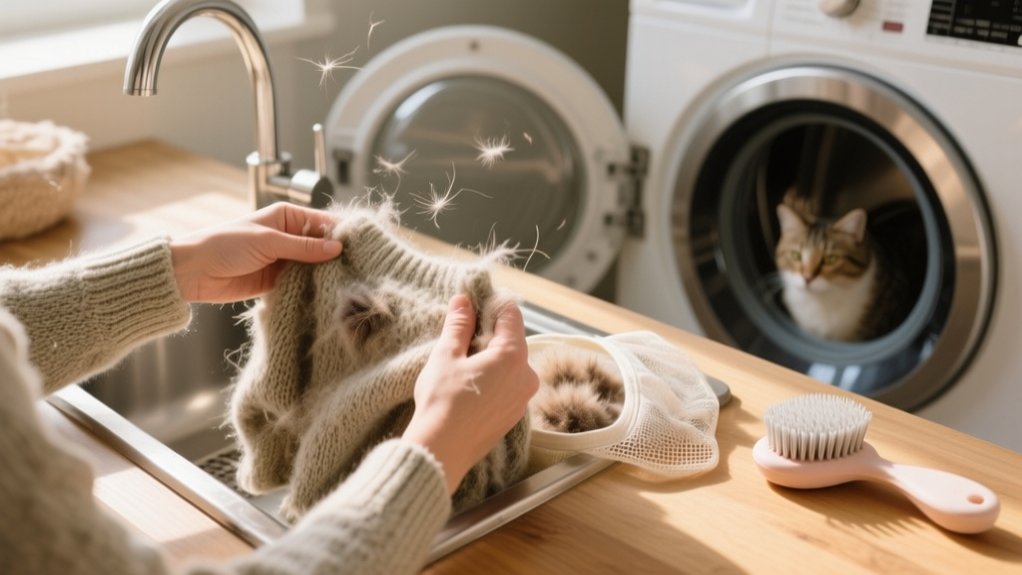
To remove pet hair from your laundry effectively, start by using a lint roller on clothes before washing to lift loose hairs. Toss items in a no-heat dryer cycle with dryer sheets or dryer balls to loosen and capture hair while reducing static cling.
Pretreat stubborn hair with baking soda or lightly dampen fabric to help release it. Regular pet grooming and keeping appliances clean prevent buildup.
If you keep going, you’ll discover even more tips to tackle pet hair for good.
Key Takeaways
- Use a lint roller or rubber gloves to remove loose pet hair from clothes before washing.
- Start laundry with a no-heat tumble dry and dryer sheets to loosen hair and reduce static cling.
- Pretreat fabrics with baking soda and enzymatic detergents to break down hair and odors effectively.
- Incorporate dryer sheets and dryer balls to reduce static and loosen pet hair during drying.
- Regularly groom pets and clean washer and dryer lint traps to prevent excessive pet hair buildup.
Why Pet Hair Clings to Your Laundry and How to Remove It
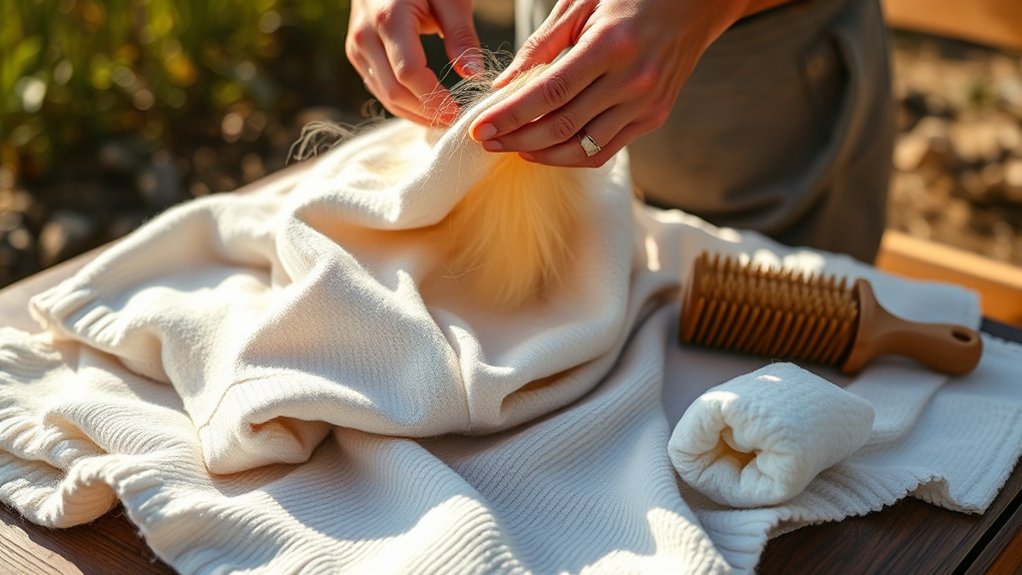
Although pet hair seems to stick stubbornly to your laundry, understanding why it clings can help you tackle the problem effectively.
Pet hair often attaches itself due to static electricity generated by friction between fabrics, especially synthetic ones that boost static buildup.
Pet hair clings primarily because static electricity builds up from friction, especially on synthetic fabrics.
Moisture can also cause hair to clump and weave into your clothes’ fibers, making it harder to remove. Fabrics like wool or velcro attract more pet hair than smoother materials such as silk or denim.
To reduce static, wash your clothes in cold water and use dryer sheets in the washer and dryer cycles.
Regular grooming of your pet and using a lint roller before washing can also help remove loose hair, preventing it from embedding deeper in your laundry.
How to Use a Lint Roller to Remove Pet Hair Before Washing
Using a lint roller is one of the simplest and most effective ways to remove pet hair from your clothes before washing. Just roll the sticky sheets gently over the fabric surface, starting at the top and working down, especially on textured fabrics like wool and knits.
This quick step helps remove pet hair trapped deep in fibers, preventing clogs in your washing machine and enhancing washing performance.
Remember to use fresh lint roller sheets for larger areas like blankets to cover more surface efficiently. Be gentle but thorough to protect delicate fabrics.
And make it a regular habit to reduce pet hair buildup before laundry.
The Dry, Wash, and Dry Method for Loosening Pet Hair
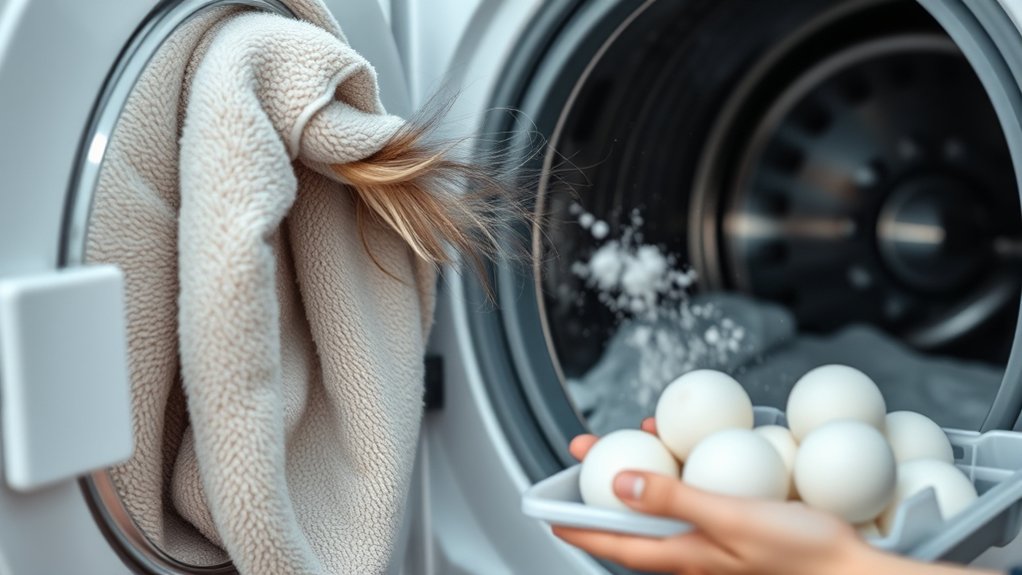
Start by running your clothes through a no-heat tumble dry for about 10 minutes.
This helps loosen pet hair effectively. It also reduces static cling, which makes it easier for your washer to pull the hair away during the wash.
Using this simple method can save you a lot of trouble with stubborn pet hair stuck to your laundry later on.
No-Heat Tumble Dry
One simple yet effective way to loosen pet hair before washing is to tumble dry your clothes on a no-heat, low-speed cycle for about 10 minutes.
This no-heat tumble dry method helps remove pet hair by preventing it from clumping and embedding deeper into fabric fibers.
Adding dryer sheets during this cycle reduces static cling, so more hair collects in the lint trap. This approach works especially well for delicate setting fabrics, protecting them from damage in the wash cycle.
Plus, it helps maintain your washer’s efficiency by reducing hair buildup in filters and drain lines.
Try this to see how much easier it’s to keep pet hair from clothes under control.
Feel relief knowing your laundry isn’t ruined by stubborn hair. Enjoy fresher, cleaner clothes after every wash. Save time by preventing hair buildup in your machine.
Hair Loosening Benefits
Because pet hair tends to cling stubbornly to fabrics, the dry, wash, and dry method offers a practical solution to loosen and remove it effectively.
Starting with a no-heat tumble dry in your dryer for about 10 minutes helps loosen pet hair from clothing, separating clumps before they enter the washing machine.
This step reduces lint buildup and prevents filters from clogging, making pet hair removal easier. Adding dryer sheets during drying minimizes static cling, which can otherwise cause hair to stick even more.
By regularly using this method, you’ll improve laundry efficiency, protect your clothes, and extend your appliances’ lifespan.
This approach not only helps loosen pet hair but also guarantees cleaner, fresher laundry with less hassle.
How Dryer Sheets and Dryer Balls Help Remove Pet Hair
Using dryer sheets and dryer balls can make a noticeable difference in removing pet hair from your laundry.
Dryer sheets reduce static cling, which helps pet hair release from your clothes more easily during the drying cycle.
Meanwhile, dryer balls enhance air circulation inside the dryer, loosening pet hair from fabric fibers.
Together, they create a barrier that prevents hair from sticking, improving the lint trap’s effectiveness and keeping your dryer running smoothly.
By incorporating these tools, you’ll find pet hair less stubborn and your laundry fresher.
- Feel relief knowing your clothes come out cleaner and hair-free
- Enjoy the ease of less time spent picking off pet hair
- Protect your dryer from hair buildup and maintain its efficiency
These simple additions make pet hair removal practical and stress-free.
Pretreating Clothes to Remove Stubborn Pet Hair
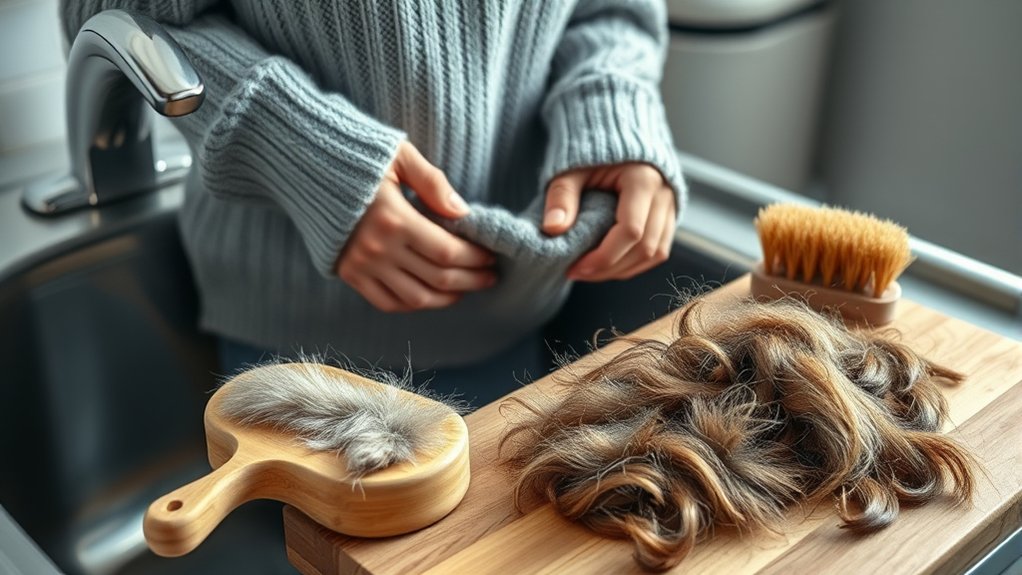
If you’re dealing with stubborn pet hair, a great first step is to grab a lint roller and lift off as much hair as you can before tossing your clothes in the wash.
Another handy trick is to pretreat your clothes with baking soda or enzymatic detergents. These help break down the hair and any lingering odors.
You might also try lightly dampening the fabrics or running them on an air-fluff cycle. This helps loosen the hair even more, making it easier to get rid of.
Effective Pretreatment Techniques
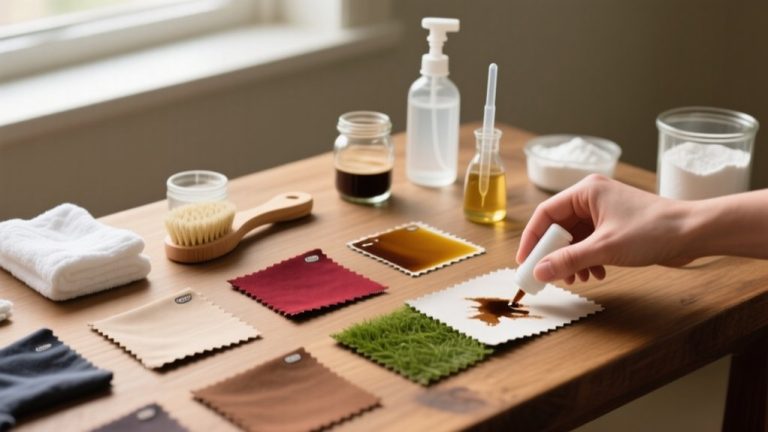
Although pet hair can cling stubbornly to your clothes, you can tackle it effectively with the right pretreatment techniques. Start by using a lint roller to remove loose pet hair, especially on fabrics like wool and knits.
Next, try wearing damp rubber gloves and rubbing them over the fabric to lift stubborn hair. Before washing, add half a cup of baking soda to your laundry to loosen pet hair and neutralize odors.
For an extra edge, toss clothes in the dryer on a no-heat setting with dryer sheets for about 10 minutes to reduce static cling.
These pretreatment techniques, combined with enzymatic detergents during washing, make hair removal easier and your laundry fresher.
Feel empowered knowing you can beat stubborn pet hair. Enjoy fresher, cleaner clothes without endless brushing. Save time and frustration with simple, effective steps.
Best Products For Pretreating
Pretreatment techniques work best when paired with the right products designed to tackle stubborn pet hair. When pretreating clothes, you want tools that effectively lift and loosen hair before washing.
Lint Rollers and Rubber Gloves help physically remove hair, while Baking Soda and Enzymatic Detergents break down hair and odors chemically. Dryer Sheets reduce static cling, making pet hair release easier during washing.
Using these products together can save you time and frustration.
| Product | How It Helps |
|---|---|
| Lint Rollers | Capture pet hair on fabric surface |
| Baking Soda | Loosens hair, neutralizes odors |
| Enzymatic Detergents | Break down hair and stains |
| Rubber Gloves | Lift hair via static charge |
| Dryer Sheets | Reduce static for easier hair removal |
Handling Pet Hair on Different Fabrics: Removal and Care Tips
When you choose fabrics like silk, leather, denim, or 100% cotton, you’re already making it easier to manage pet hair since these materials naturally repel fur better than others.
For delicate fabrics, wash on a delicate setting to loosen pet hair without damage. Before washing, use a lint roller to remove loose fur and prevent buildup in your machine.
Regular grooming of your pet reduces shedding, making removal easier across all fabrics. Using a laundry detergent designed for pet odors and stains enhances cleanliness and freshness.
Feel relief knowing your favorite fabrics withstand pet hair challenges.
Enjoy smoother laundry days with simple, effective care tips. Protect your wardrobe while loving your furry friend with ease.
Preventing Pet Hair From Getting on Clothes
To keep pet hair off your clothes, start by grooming your pets regularly to cut down on shedding at the source. Preventing pet hair also means designating pet-free zones like bedrooms to limit where hair can accumulate on your clothes.
Use furniture covers to block hair transfer from pet lounging spots. Regular vacuuming and sweeping help clean and remove pet hair from your living spaces, reducing how much clings to your clothing.
| Tip | Action | Benefit |
|---|---|---|
| Regularly grooming | Brush your pet often | Reduce shedding |
| Designate pet-free zones | Keep certain rooms pet-free | Limit hair accumulation |
| Use furniture covers | Cover couches and chairs | Prevent hair transfer |
These steps make preventing pet hair manageable and keep your clothes cleaner longer.
How to Keep Your Washer and Dryer Clean From Pet Hair
Keeping pet hair off your clothes starts with prevention, but you also need to protect your washer and dryer from buildup. Pet hair can clog your machines, reducing their efficiency and causing maintenance headaches.
To keep your washer and dryer clean, remove pet hair before washing by using a lint roller on clothes. Wash pet items separately to avoid contaminating other laundry.
After each dryer load, clean the lint screen thoroughly to prevent hair buildup and potential fire hazards. Regular maintenance is essential to guarantee your appliances stay in top condition and free from stubborn pet hair clogs.
- Enjoy fresh, clean laundry without the frustration of lingering pet hair.
- Protect your washer and dryer from costly damage caused by lint buildup.
- Feel confident your machines are working efficiently for years to come.
Picking the Best Washers and Dryers for Pet Hair Removal
How do you choose a washer and dryer that truly handles pet hair without turning laundry day into a hassle?
Start with a washer like the Maytag Pet Pro, featuring a Pet Pro Option and a built-in Pet Pro Filter designed specifically for removing pet hair.
The Smart Pet Pro Washer’s 5.0 CU. FT. capacity and high reviews make it a reliable choice.
For drying, pick a dryer with moisture sensing technology, such as the Smart Pet Pro Electric Dryer, to optimize drying while capturing pet hair efficiently.
Look for static reduction features like dryer sheets or balls to minimize hair cling.
Don’t forget regular maintenance. Clean lint traps and wash pet items separately to keep your washer and dryer running smoothly and hair-free.
Frequently Asked Questions
Can Pet Hair Cause Damage to My Washing Machine?
Yes, pet hair can cause damage to your washing machine if you don’t manage it properly. Hair can clog filters and drain lines, leading to poor performance and costly repairs.
You’ll want to clean the lint screen regularly and perform routine maintenance to prevent buildup.
Using machines designed for pet owners or adding pet hair removers can also help protect your washer and keep it running smoothly over time.
Are There Specific Detergents That Help Remove Pet Hair Better?
Detergents that target pet hair work like a magnet pulling away stubborn bits. You’ll want to choose liquid detergents with enzymes and anti-static ingredients. They break down hair and stop it from clinging back.
Brands like ARM & HAMMER specialize in this, loosening hair and odors effectively.
Pairing these detergents with pre-treating clothes using a lint roller makes a huge difference. It saves you frustration and ensures cleaner, hair-free laundry every time.
How Often Should I Clean My Lint Trap to Prevent Clogs?
You should clean your lint trap after every dryer load to keep clogs at bay. Doing this guarantees your dryer runs efficiently and reduces fire risks caused by lint buildup.
Even if it looks clean, small hair and debris can accumulate, so make it a habit.
Also, check and clean the venting system at least once a year to maintain proper airflow and prevent stubborn clogs from pet hair and lint.
Can Pet Hair Trigger Allergies After Washing Clothes?
Pet hair is like stubborn shadows clinging to your clothes, and yes, it can trigger allergies even after washing. You might think a wash cycle sweeps it all away, but dander often hides in fabric folds.
To protect yourself, use allergen-fighting detergents and anti-static dryer sheets.
Washing pet bedding separately also helps keep those invisible irritants from sneaking into your clean laundry, giving you relief and peace of mind.
Is Hand-Washing More Effective for Pet Hair Removal Than Machines?
Yes, hand-washing is often more effective for removing pet hair, especially on delicate fabrics.
When you soak and gently agitate by hand, you loosen hair without pushing it deeper into fibers like machines might.
Using a lint roller or rubber gloves while washing helps capture stray hairs too.
This hands-on approach lets you focus on problem areas immediately, giving you better control and a thorough clean for stubborn pet hair.
Conclusion
So, you’ve battled pet hair like a laundry warrior and lived to tell the tale—congratulations! You now know lint rollers aren’t just fancy toys, and dryer sheets moonlight as pet hair ninjas.
Remember, treating your clothes and appliances with care saves you from looking like a walking furball. Keep these tips handy, and next time your pet’s shedding tries to stage a coup, you’ll be ready to kick hair to the curb because clean clothes beat fur pajamas any day.