Does Laundry Stripping Work – Here’s the Truth
Yes, laundry stripping works well to remove stubborn buildup from fabrics caused by detergent, fabric softeners, sweat, and hard water minerals. You’ll soak thick items like towels in hot water mixed with washing soda, Borax, and detergent. This mixture breaks down residue and restores freshness and absorbency.
However, it doesn’t remove stains or fix worn-out fabrics. You should avoid stripping delicate or special-care textiles. Keep going to discover which fabrics to strip, safety tips, and how often to do it.
Key Takeaways
- Laundry stripping effectively removes detergent, fabric softener, sweat, and body oil buildup, restoring freshness and absorbency to fabrics.
- The process shows success when the soak water turns murky, indicating released residue from the items.
- It is best suited for thick fabrics like towels, bedding, and gym clothes that often trap stubborn odors and buildup.
- Laundry stripping does not remove stains or odors originating within the fabric and requires separate stain treatments.
- Frequent stripping can weaken fabrics, so it should be done only every few months and avoided on delicate or treated materials.
Laundry Stripping: What It Is and How It Works
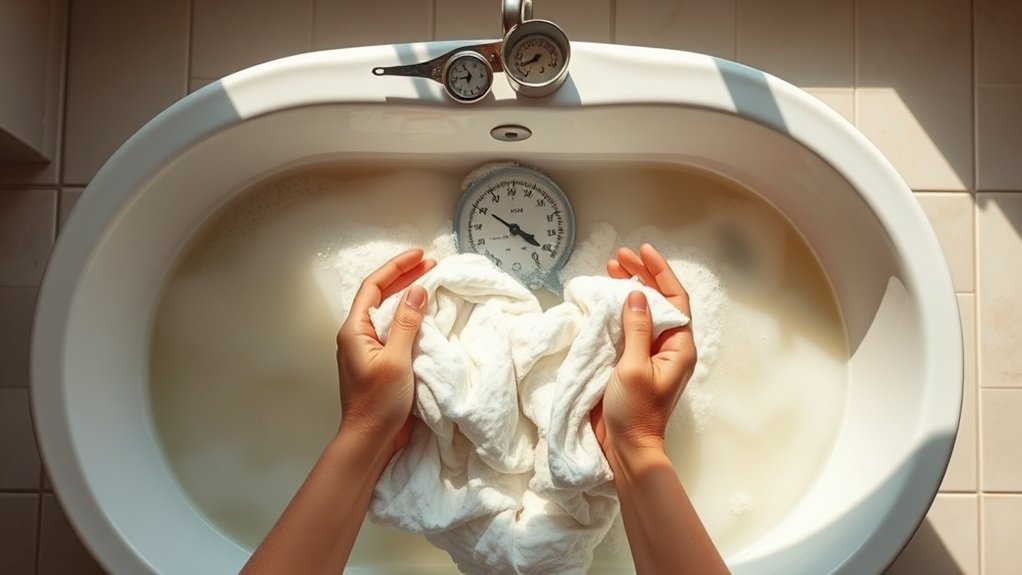
Laundry stripping is a powerful deep-cleaning method designed to remove stubborn residue from detergents, fabric softeners, and body oils that regular washing often misses.
You’ll use a specific laundry stripping process that soaks your items, especially towels and sheets, in hot water mixed with Borax, washing soda, and powdered detergent.
Soak towels and sheets in hot water with Borax, washing soda, and powdered detergent for deep cleaning.
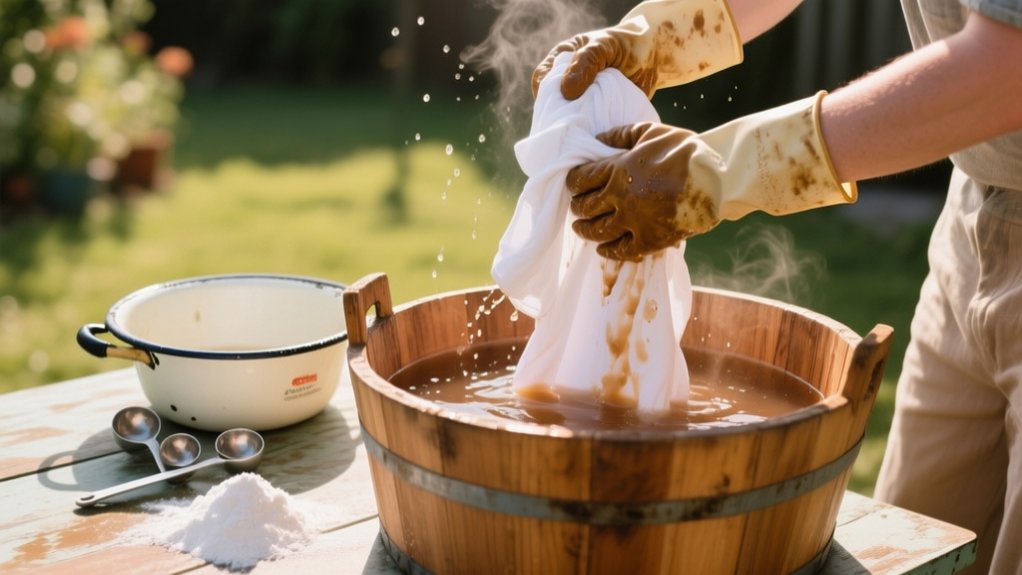
This solution penetrates fabric fibers to break down and remove buildup effectively. After several hours of soaking, you’ll notice murky water, which shows the method’s success in lifting residues.
While laundry stripping won’t eliminate stains, it revitalizes fabrics by restoring freshness and absorbency, especially in items that feel stiff or musty.
This deep cleaning method has gained popularity for its proven ability to remove buildup and renew your laundry’s performance.
Common Causes of Fabric Buildup in Laundry
Although regular washing helps keep your clothes clean, certain habits and environmental factors can lead to fabric buildup over time.
Overusing detergent and fabric softeners causes built-up residue that clings to fibers, making fabrics stiff and less absorbent.
Hard water minerals also accumulate in your laundry, further contributing to this issue.
Overloading your washing machine prevents proper rinsing, so dirt and residues remain trapped in clothes.
To minimize buildup, avoid excessive detergent.
Stick to recommended amounts or try adding a cup of Washing Soda occasionally to soften water and boost cleaning.
Skipping fabric softeners can help prevent residue too.
Signs Your Laundry Needs Stripping
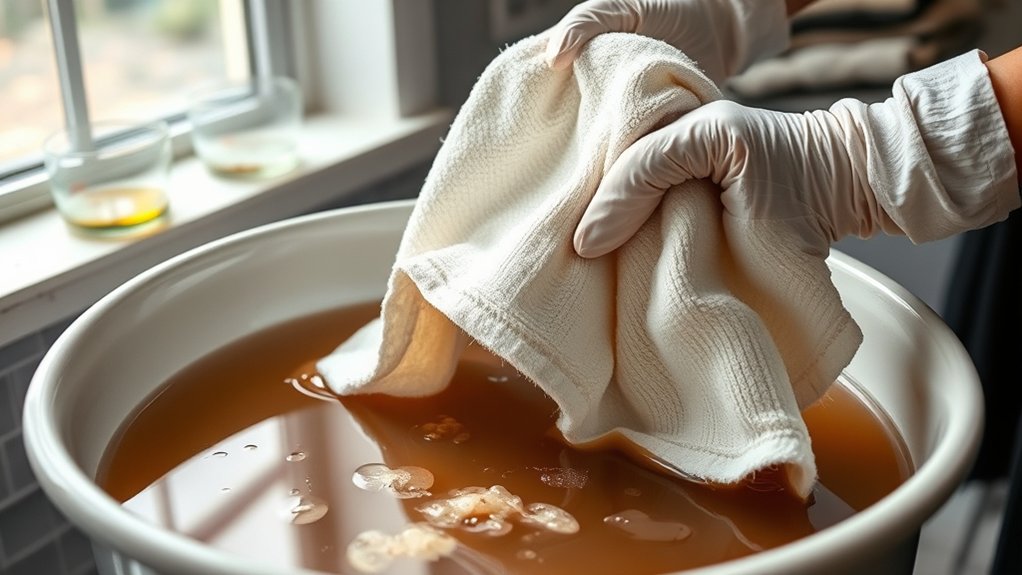
You’ll start to notice residue buildup when your towels feel stiff or sticky. That’s a big clue it’s time to strip them.
Plus, if your sheets look dingy or your towels don’t soak up water like they used to, that’s another sign there’s trapped buildup causing trouble.
And don’t ignore those stubborn odors that just won’t go away, even after washing—they’re telling you your laundry needs a deeper clean.
Residue Buildup Indicators
Stiff or sticky towels and dingy bath linens often signal that fabric softener, detergent residue, or body oils have built up over time.
This residue buildup can trap odors and reduce your laundry’s freshness, especially in gym clothes and frequently used items.
If your fabrics emit musty or unpleasant smells despite regular washing, it’s a clear sign they need a deep clean.
When you strip your laundry, the dark, murky water you see during the process confirms that detergent and grime are being released from the fibers.
Stripping is an effective way to remove these stubborn residues, restoring your laundry’s softness and cleanliness.
Recognizing these indicators helps you decide when it’s time to strip and maintain your fabrics properly.
Fabric Texture Changes
When your laundry starts to feel rough or sticky, it’s a clear sign that residue has built up beyond what regular washing can handle. This buildup often comes from fabric softeners, detergents, and body oils that coat the fabric fibers, reducing their absorbency and softness.
Towels that lose their plush feel or struggle to soak up water are prime examples requiring stripping. Similarly, sheets that look dull or linens that feel stiff benefit from a thorough stripping to remove embedded residue.
By stripping your laundry, you restore the fabric’s natural texture and improve its performance, especially absorbency.
If you notice these fabric texture changes, it’s time to tackle the problem with stripping, ensuring your laundry feels fresh, clean, and fully functional again.
Persistent Odors Detected
How can your laundry still smell musty even after washing? Persistent odors often mean sweat, body oils, and detergent residues have built up deep within the fabric fibers.
These trapped substances cause that stale smell, especially on towels and gym clothes. Regular washing doesn’t always remove trapped grime, so your laundry needs a deep cleaning method like stripping.
This process targets and lifts away buildup, restoring freshness and absorbency. If your items feel stiff or sticky, or if you have hard water contributing to mineral deposits, laundry stripping can effectively remove trapped residues causing unpleasant odors.
When you notice persistent odors despite routine washing, it’s a clear sign your laundry requires stripping to truly refresh and deodorize the fabric.
Laundry Items That Benefit Most From Stripping
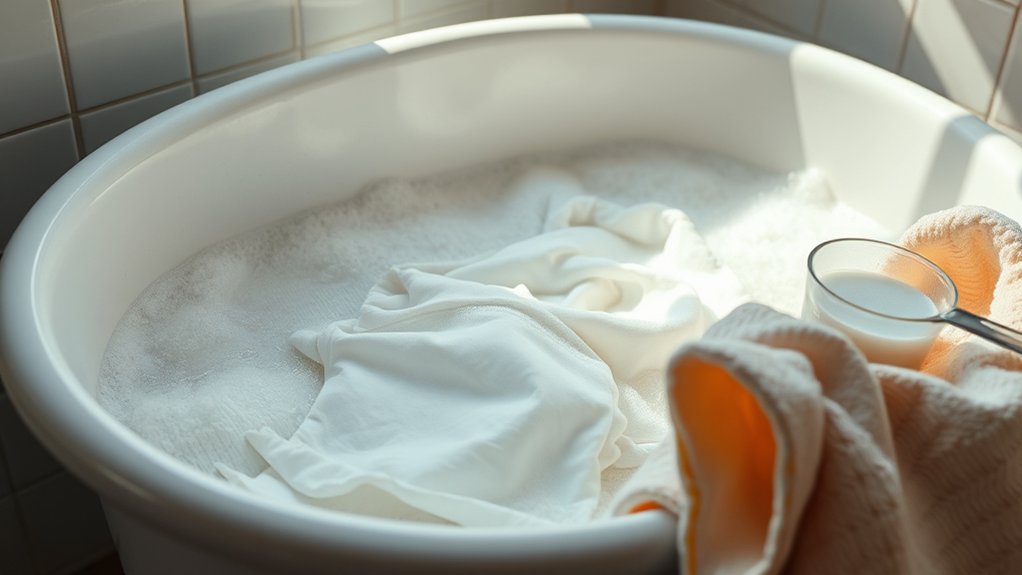
You’ll notice that thick fabrics like towels, sheets, and gym clothes really benefit from laundry stripping. That’s because they tend to hold onto detergent residue and odors.
Common items to strip include bath towels, blankets, and linens that might look clean but still smell musty or appear dingy.
Just keep in mind, stripping won’t get rid of stains. So, it’s best to avoid using it on heavily soiled or delicate items unless you pre-treat them first.
Ideal Fabrics For Stripping
Although laundry stripping can refresh many items, it works best on thicker fabrics like towels and bedding that tend to trap residue over time.
Ideal laundry items for stripping include bath towels, hand towels, washcloths, duvet covers, and mattress pads.
These fabrics often accumulate oils, detergent buildup, and minerals that a regular wash can’t fully remove. Stripping provides a deep clean that restores softness and absorbency.
Gym clothes also benefit from this process, especially after intense workouts, as stripping helps eliminate stubborn odors.
However, avoid stripping delicate fabrics or those labeled for cold water wash since the hot water used in stripping can cause damage.
Common Laundry Candidates
Laundry stripping works best on items that regularly trap oils, detergent residue, and odors, such as thick towels, bed sheets, and gym clothes. These thicker fabrics benefit most because regular washing often leaves behind buildup that dulls their texture and scent.
Towels that feel stiff or less absorbent and gym clothes holding onto odors are prime candidates for laundry stripping. Even blankets and pillowcases can regain freshness and brightness through this deep cleaning method.
| Item Type | Common Issue | Benefit of Laundry Stripping |
|---|---|---|
| Towels | Stiffness, residue | Restores softness and absorbency |
| Bed Sheets | Musty odors, dullness | Brightens fabric, removes odors |
| Gym Clothes | Odors, buildup | Eliminates trapped sweat odors |
| Blankets | Buildup, odors | Refreshes and deep cleans |
Items To Avoid
While stripping works wonders for thick, heavily soiled fabrics, you should avoid using this method on delicate items or those labeled for cold water washing. These items often require gentler care, and stripping solutions can damage their fibers or fade colors. Always check care labels before deciding to strip laundry.
Delicate fabrics like silk, lace, and some synthetics won’t respond well to the intense soaking and agitation involved in stripping. Furthermore, items with special finishes or treatments can lose their effectiveness if stripped.
To protect your wardrobe, reserve laundry stripping for thick, durable fabrics like towels, sheets, and gym clothes that benefit most from deep cleaning.
Can Laundry Stripping Really Remove Odors and Residue?
How well can stripping tackle stubborn odors and buildup in your clothes? Laundry stripping effectively removes odors and residue by breaking down buildup from laundry detergent, fabric softeners, sweat, and body oils. This process is especially useful for gym clothes, which often retain odors and stiffness.
While stripping won’t remove stains, it greatly improves freshness and fabric feel by eliminating accumulated residue.
| Residue Type | Effectiveness |
|---|---|
| Laundry Detergent | High |
| Fabric Softeners | High |
| Sweat & Body Oils | High |
| Musty Odors | High |
| Stains | Low (not removed) |
How to Strip Your Laundry: Step-by-Step
Alright, to get started with stripping your laundry, first fill up a large tub with hot water.
Then, add washing soda, Borax, and powdered detergent—make sure to mix everything until it’s fully dissolved.
Next, toss your clothes in and make sure they’re completely submerged.
Let them soak for several hours, and don’t forget to stir every now and then to help break down all that buildup.
After they’ve soaked, give your clothes a thorough rinse.
Finally, run a clean wash cycle to get rid of any leftover residue. Easy, right?
Preparing Laundry Stripping Solution
Start by filling a large tub about halfway to three-quarters full with hot water, making sure the temperature suits your fabric’s care instructions.
Next, prepare your laundry stripping solution by adding ¼ cup washing soda, ¼ cup Borax, and ½ cup powdered laundry detergent. Stir gently until fully dissolved.
Submerge your laundry items completely and swish them around to help the solution penetrate.
After soaking, you’ll drain the tub and thoroughly rinse the items.
Then run them through a rinse cycle without detergent to remove residual buildup effectively.
Soaking And Rinsing Process
Once your laundry items are fully submerged in the stripping solution, let them soak for 4 to 5 hours.
During this time, occasionally stir the water to help break down and lift buildup from the fabric fibers. You’ll notice the water turning murky. That’s a clear sign the residue is being released.
After soaking, carefully drain the tub and rinse your laundry thoroughly with clean water to remove any remaining stripping solution and loosened buildup.
It’s important to rinse well to prevent residue from settling back onto your items.
Finally, run a normal wash cycle without detergent to guarantee all remnants are fully removed.
This soak and rinse process is essential for effectively stripping your laundry and restoring fabric freshness.
Safety Tips and Fabrics to Avoid When Stripping
Although laundry stripping can effectively remove buildup, you should avoid using this method on delicate fabrics like silk, lace, or wool. The hot water and chemicals can cause damage or shrinkage.
To guarantee safety, always check the care labels before stripping. Some fabrics require special attention and aren’t suited for this process.
Here are three key safety tips and fabrics to avoid:
- Skip stripping items labeled “cold water wash only” to prevent damage.
- Avoid fabrics with waterproof or stain-resistant coatings, as stripping removes these finishes.
- Limit stripping frequency because repeated exposure weakens fabric fibers over time.
What Laundry Stripping Can’t Fix (And What You Should Know)
While laundry stripping excels at removing detergent and mineral buildup, it won’t fix actual stains or repair worn-out fabrics. If you’re dealing with stains, you’ll need targeted stain removers before or instead of stripping.
Laundry stripping removes buildup but won’t treat stains or mend worn fabrics; use stain removers first.
Laundry stripping also can’t restore items that have lost their structural integrity due to wear and tear.
Keep in mind, this method isn’t suitable for delicate fabrics or those requiring cold water washes, as the hot water used can cause damage.
Furthermore, stripping won’t eliminate odors originating from the fabric itself; specialized treatments are necessary for persistent smells.
How Often Should You Strip Your Laundry?
How often should you strip your laundry to keep it fresh and free of buildup? Laundry stripping is typically recommended every few months, especially for towels and sheets that trap residue.
But the frequency really depends on your conditions and habits.
Consider these factors to decide when to strip:
- Hard water presence: If you live in a hard water area, mineral deposits can build up faster, so you might need to strip more often.
- Signs of buildup: When items feel less absorbent or smell musty, it’s definitely time to strip.
- Regular laundry routine: Using too much detergent or fabric softener can increase residue.
But washing consistently with the right amounts can delay the need for stripping.
Adjust your laundry stripping schedule based on these points to keep your fabrics fresh and healthy.
Alternatives and Prevention to Avoid Laundry Stripping
If you want to keep your laundry fresh and avoid the hassle of stripping, adopting preventive measures is essential. Use the correct amount of detergent and avoid fabric softeners to minimize buildup.
Washing towels and linens in hot water preserves absorbency, while adding a laundry booster can enhance cleaning. Also, consider a water softening system to reduce mineral residue from hard water.
Don’t overload your machine and guarantee thorough rinsing to prevent residue accumulation.
| Prevention Method | Benefit | Key Tip |
|---|---|---|
| Correct detergent usage | Reduces buildup | Measure detergent precisely |
| Hot water washing | Maintains absorbency | Use for towels and linens |
| Water softening system | Minimizes mineral residue | Ideal for hard water areas |
These steps help you avoid frequent laundry stripping and keep fabrics fresh longer.
Frequently Asked Questions
Can Laundry Stripping Damage Washing Machines?
Yes, laundry stripping can damage your washing machine if you’re not careful. The hot water and strong powders might stress older or delicate components, and residues can clog filters or hoses.
To protect your machine, always run a rinse cycle afterward with vinegar or baking soda to clear buildup.
Avoid stripping delicate fabrics or overloading the washer, as that increases wear and tear, helping you keep your machine in good shape.
Is Laundry Stripping Environmentally Friendly?
Laundry stripping isn’t exactly a green knight for your laundry routine. It uses strong chemicals and lots of hot water, which can stir up trouble for the environment by raising energy use and water pollution risks.
If you want to keep your clothes fresh and the planet happy, consider gentler detergents and regular washing habits to prevent buildup.
That way, you avoid harsh stripping and its hidden environmental costs.
What Are the Best Detergents for Laundry Stripping?
The best detergents for laundry stripping are powdered ones like Arm & Hammer, Tide, or OxiClean. They dissolve better in hot water and break down buildup from fabric softeners, oils, and minerals.
Avoid detergents with bleach, as they can damage fabrics.
Make sure to use high-efficiency (HE) formulas for deep cleaning without residue. Use about ½ cup of detergent per load to get the best stripping results.
How Long Does Laundry Stripping Take per Load?
Laundry stripping usually takes about 4 to 5 hours per load, as you need to soak your clothes in hot water mixed with Borax, washing soda, and detergent.
You’ll want to stir the items occasionally during soaking to help break down residue.
Afterward, you should run a regular wash cycle without detergent to rinse thoroughly.
Including washing and drying, expect the whole process to take several hours beyond just soaking.
Can Laundry Stripping Be Done in Cold Water?
You can technically do laundry stripping in cold water, but it won’t be effective.
The stripping agents need hot water to properly dissolve and break down buildup in your fabrics. Using cold water limits this process, so your clothes won’t get as clean.
For best results, stick to hot water when laundry stripping, especially for towels or sheets.
If your items require cold water only, skipping stripping is a safer choice.
Conclusion
Laundry stripping can feel like a game-changer, yet it’s not a fix-all miracle. While it powerfully removes buildup and odors that regular washing misses, it’s best reserved for occasional use on sturdy fabrics.
Overdoing it risks damage and won’t revive every laundry issue. Balancing stripping with regular care and smart detergent choices keeps your fabrics fresh without harsh treatment.
In the end, stripping works but only when you use it wisely and sparingly.