Can You Use Oxiclean On Stainless Steel – Quick Answer
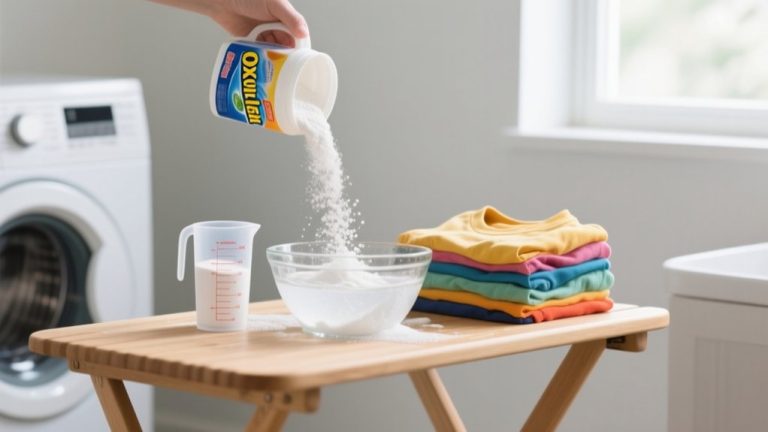
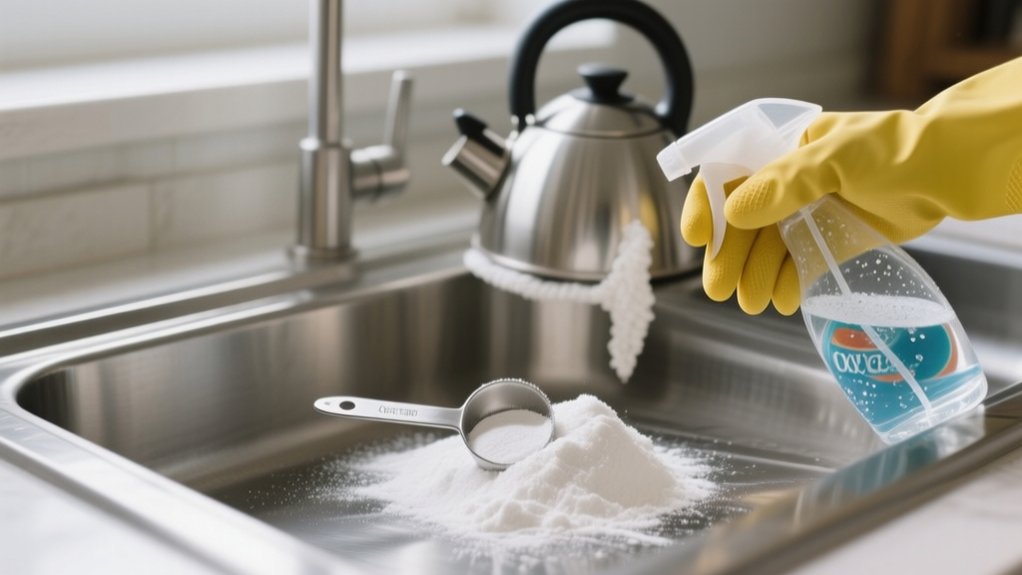
Yes, you can use OxiClean on stainless steel to help loosen baked-on grease, but test it on a hidden spot first. Follow the product label when mixing the solution, then apply it for a few minutes and gently scrub with a soft, non-abrasive sponge.
Rinse the surface thoroughly with clean water and dry it with a soft cloth to prevent water spots and restore shine. A few simple steps can help you clean stubborn residue safely.
Can You Use OxiClean on Stainless Steel?
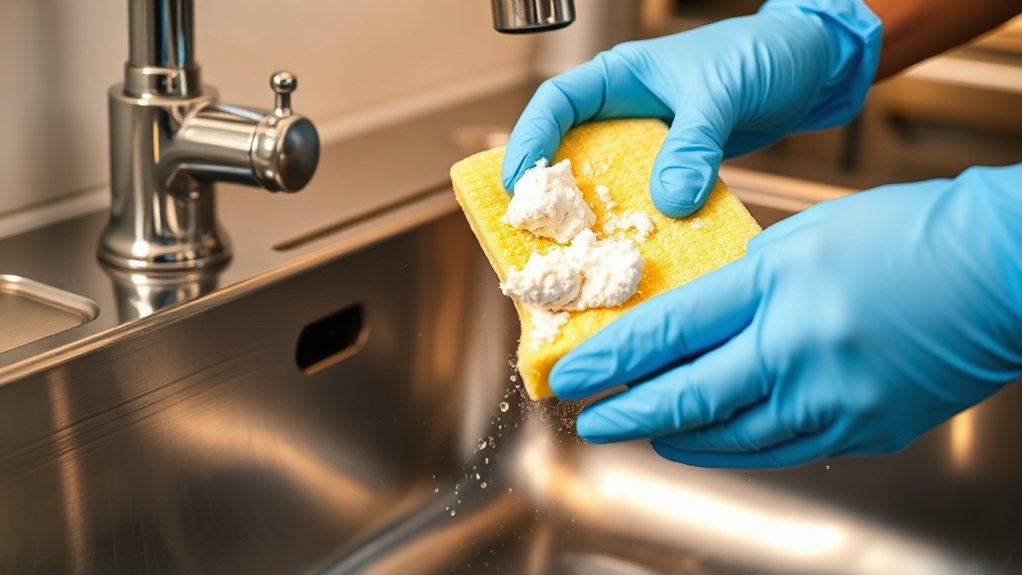
Yes, you can generally use OxiClean on stainless steel appliances and cookware; its oxygen-based formula can lift stains and grease.
Before cleaning, test the solution on a small, hidden spot to check for any reaction.
Follow the product label’s directions for dilution and application, and don’t assume a stronger mix will work better.
Apply the solution as instructed, then let it sit for a few minutes.
Gently scrub with a non-abrasive sponge to protect the stainless steel finish.
Rinse the surface thoroughly with clean water to remove residue and help preserve its shine.
If you prepare the solution with hot water, check the label first and use the temperature it recommends.
With careful testing, proper dilution, and thorough rinsing, you can clean stainless steel while reducing the risk of damage.
What Does OxiClean Do to Baked-On Grease?
OxiClean can help loosen baked-on grease on stainless steel. Its sodium percarbonate releases oxygen in water, which helps break down grease much like hydrogen peroxide. Those oxygen molecules penetrate and lift stubborn residue, so soaking can make cleanup easier. For best results, you may need to let the item soak longer.
| Step | What happens | Your benefit |
|---|---|---|
| Dissolve | OxiClean releases oxygen | Grease begins to loosen |
| Soak | Oxygen penetrates residue | Stubborn buildup lifts |
| Rinse | You wash away residue | Steel keeps its shine |
Use warm water to prepare the solution, then rinse the surface thoroughly after soaking. Leftover cleaner can dull the finish. For remaining residue, wash with dish soap and water. Regular cleaning can also help prevent baked-on grease from building up over time.
How Can You Test OxiClean Safely?
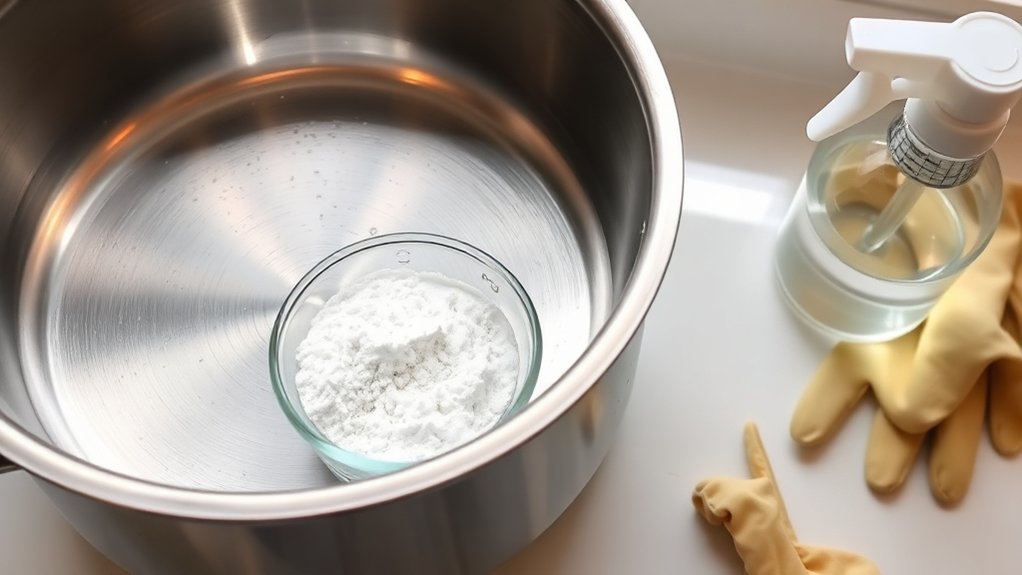
Before using OxiClean on the entire surface, test it on a small, hidden spot. Make sure the stainless steel is dry first; moisture can dilute the solution and lead to uneven results.
Apply a small amount of OxiClean solution to the inconspicuous area, then gently rub it with a soft cloth or sponge. Don’t scrub hard, since you’re checking the product’s effect, not removing a stain.
Watch the spot for a few minutes. Look for discoloration, damage, or any other unwanted change. If you don’t see a negative reaction, it’s generally safe to use OxiClean on the rest of the surface.
Rinse the test area thoroughly with water to remove residue, then check the steel’s shine and condition. If you notice a change, don’t proceed.
How Do You Soak a Stainless Steel Pan?
Once you’ve tested your cleaner, soak the pan to loosen baked-on food and grease. Fill it with hot or boiling water, then add your chosen cleaning solution, such as Stain Solver or mild dish soap.
Make sure the water covers every stained area so the residue can soften evenly. Picture the pan filled to the rim, with crusted food fully underwater. For stubborn stains, leave it to soak for several hours or overnight.
Lift loosened residue gently with a non-abrasive sponge to avoid scratching the steel. Rinse thoroughly with warm water, then dry the pan to prevent water spots.
After soaking, check the surface as you scrub; softened grease should come away with gentle pressure. Don’t use an abrasive pad, which can scratch the finish.
Drying with a clean towel leaves the pan ready for its next use.
When Should You Repeat the Soak?
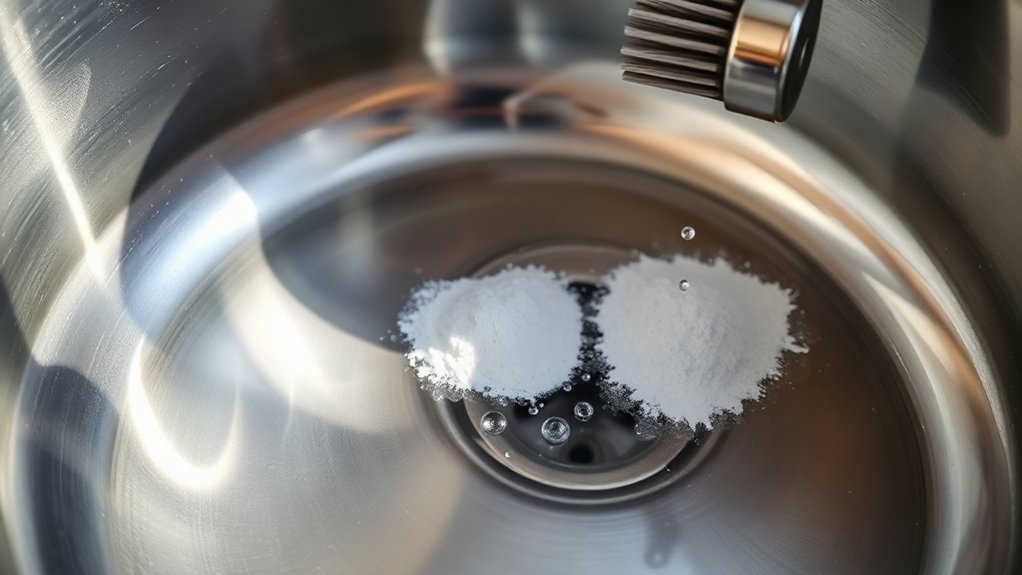
If baked-on grease remains after the first soak, repeat the treatment rather than scrubbing harder. Visible residue means the pan needs more time in the Stain Solver solution. Check its condition during the soak so you can judge whether another round is necessary.
| What you see | What to do |
|---|---|
| Grease remains after soaking | Repeat the soak |
| Stubborn baked-on stains | Soak overnight |
| Heavy, persistent grease | Soak all day |
For stubborn stains, an overnight soak can give the solution more time to loosen grease. If the pan is heavily soiled, you may need to leave it soaking all day. Check periodically; you don’t have to repeat a full soak if the grease has already lifted.
When visible grease remains, continue soaking or start another round based on how much residue you see. This extra treatment can improve results without forcing you to scrub harder.
How Should You Scrub and Rinse the Pan?
After soaking, scrub the pan with a non-abrasive sponge, following the stainless steel grain to lift grease without scratching the finish.
Use gentle, steady strokes, letting the loosened residue come away without pressing hard. If stains remain stubborn, soak the pan in a Stain Solver solution before scrubbing again.
Scrub gently with steady strokes, and soak stubborn stains in a Stain Solver solution before trying again.
Picture the steel’s fine lines and move your sponge in the same direction. Sweep across baked-on grease with short, controlled strokes.
Rinse every surface thoroughly with warm water to wash away cleaning agents.
Dry the pan immediately with a soft cloth to prevent water spots and restore its shine.
Check the handle, rim, and cooking surface for leftover suds or residue. A thorough rinse keeps cleaning agents from affecting your next meal.
Once the pan feels clean and looks clear, dry it promptly.
What Should You Avoid on Stainless Steel?
To protect stainless steel, avoid abrasive cleaners, scouring pads, steel wool, and metal brushes because they can scratch its finish. Choose soft cloths and gentle products instead. Don’t scrub with tools that could leave lasting marks.
| Avoid | Possible damage |
|---|---|
| Chlorine bleach | Discoloration or corrosion |
| Excess vinegar or acid | Pitting or tarnishing |
Don’t leave food or liquid spills sitting on the surface for long. Wipe them up promptly to help prevent stains and damage. Even mild cleaners can harm stainless steel if you use them too much or let spills linger.
Check product labels before cleaning and keep chlorine-based bleach away from your pan. With careful choices, you can preserve the finish and reduce the risk of corrosion, scratches, or discoloration. When in doubt, use a nonabrasive cleaner and a soft cloth.
How Can You Tell the Grease Is Gone?
Once you’ve cleaned the stainless steel, check that the grease is gone: the surface should look shiny and free of dark spots, feel smooth rather than sticky, and smell fresh.
Then use these quick checks:
- Look closely: Check for a bright, even finish. Dark spots or visible residue mean you should clean again.
- Feel the surface: Run your fingers over it. Smooth steel feels clean; a tacky patch suggests grease remains.
- Rinse with warm water: Watch how water moves. It should spread across the steel; beads may signal leftover grease.
- Test with a sponge: Wipe gently using a non-abrasive sponge. If it picks up grease, give the area another wash.
Finally, notice the smell. A fresh scent usually confirms you’ve removed the grease.
If any check raises doubt, rinse and clean the spot again, then repeat these checks before you finish.
Frequently Asked Questions
Can Oxiclean Discolor Stainless Steel?
Yes, OxiClean can discolor stainless steel, especially if you use a strong solution or leave it on too long.
Its sodium percarbonate releases oxygen, which may cause spots or a dull finish.
To reduce the risk, test it on a hidden area first, follow the product directions, and avoid abrasive scrubbing.
Rinse the surface thoroughly with clean water after use, then dry it to prevent residue or water marks.
Is Oxiclean Safe for Stainless Steel Cookware With Nonstick Coatings?
Oxiclean isn’t reliably safe for stainless steel cookware with nonstick coatings. Although it may clean stainless steel, its ingredients can scratch or damage the coating, so don’t assume the pan’s steel body makes every surface safe.
Check your cookware maker’s care instructions first. If they allow Oxiclean, test a small, hidden spot, use it briefly, and rinse thoroughly.
For routine cleaning, choose a cleaner labeled safe for nonstick cookware.
Can Oxiclean Damage Stainless Steel if Left on Too Long?
Yes, OxiClean can damage stainless steel if you leave it on too long. Prolonged exposure may dull or discolor the finish and make the surface more prone to scratches.
Follow the product label, and don’t exceed 30 minutes of contact.
Test an inconspicuous spot first, then rinse the metal thoroughly with clean water to remove residue and help prevent corrosion.
Don’t let the solution dry on your stainless steel.
Is Oxiclean Safe to Use Around Food Preparation Surfaces?
Yes, you can use OxiClean around food-preparation surfaces because your counter doesn’t need a dramatic chemical thriller.
Follow the product label’s dilution and application directions, and keep the cleaner away from food while you work.
After cleaning, rinse the surface thoroughly with clean water, especially if you used powder, so no residue remains.
Let it dry before preparing food.
OxiClean is generally considered a safer option than harsher cleaners, but proper rinsing matters.
What Should You Do if Oxiclean Leaves a Cloudy Film?
If OxiClean leaves a cloudy film, wash the stainless steel with warm, soapy water and a non-abrasive sponge to remove residue.
Rinse the surface thoroughly with clean water so no cleaner remains.
If cloudiness persists, wipe it with equal parts vinegar and water to break down lingering residue.
Rinse again, then dry the surface with a soft cloth. You’ll prevent water spots and restore a polished appearance.
Conclusion
You can use OxiClean on stainless steel to loosen baked-on grease, but test a small area first and follow the product label. Soak the pan briefly, repeat only if needed, then scrub gently with a nonabrasive sponge and rinse thoroughly.
Avoid steel wool, harsh abrasives, and prolonged soaking. When the surface feels smooth and looks clean, the grease is gone. Treat your pan with care, and it’ll shine again because a little patience can do more than a lot of force.