Can You Dry Clean A Quilt – What To Know
You shouldn’t dry clean a quilt because the harsh chemicals and agitation can weaken fibers, cause dyes to bleed, and damage delicate stitching. This is especially true for antique or heirloom pieces. Some quilts resist dry cleaning better than others, but testing a small hidden area first is essential.
Safer methods include gentle hand washing or spot cleaning. If your quilt is fragile, consulting a textile conservator can protect its value. Understanding these details helps you preserve your quilt’s integrity.
What Is Dry Cleaning and How It Affects Quilts
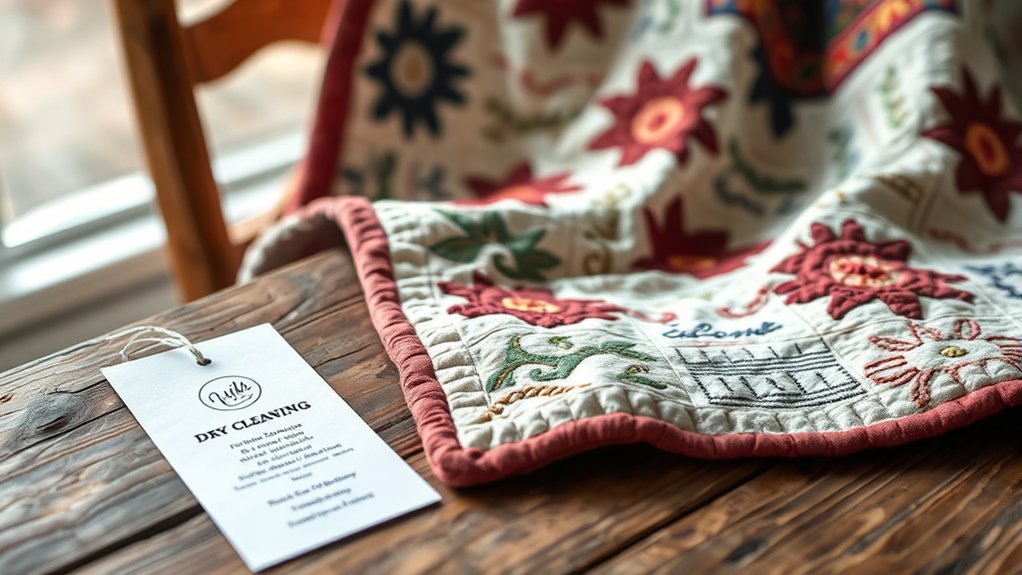
How exactly does dry cleaning work, and what impact does it have on your quilt? Dry cleaning uses chemical solvents instead of water to clean textiles within specialized machines. While it’s effective for many fabrics, this process can affect quilts, especially those with delicate fibers.
The agitation combined with solvents may weaken threads and cause fabric deterioration. For heirloom quilts, which often have fragile materials and dyes, dry cleaning poses significant risks. These solvents can cause dyes to bleed or fabrics to shrink, which compromises the quilt’s integrity.
Over time, dry cleaning might even make fibers brittle, speeding up wear in antique or delicate quilts. So, it’s really important to understand these effects before choosing dry cleaning for your cherished quilt.
Why You Should Avoid Dry Cleaning Quilts
You’ll want to avoid dry cleaning quilts because the solvents used can weaken those delicate fibers and even cause the seams to come loose.
On top of that, the agitation during the process can do more damage to fragile fabrics, especially if you’re dealing with heirloom pieces.
Plus, many quilt dyes aren’t stable when exposed to these chemicals, which means you run the risk of colors fading or bleeding.
Risks Of Dry Cleaning
Although dry cleaning might seem like a convenient option for cleaning quilts, it poses significant risks that can compromise their fabric and design. The chemical exposure and heat involved can weaken fibers, cause dye bleeding, and accelerate fabric deterioration. This not only affects the quilt’s appearance but also its structural integrity, potentially leading to irreversible fabric damage.
Delicate materials and embellishments, common in quilts, are especially vulnerable. Professional conservators recommend avoiding dry cleaning to preserve the quilt’s historical and sentimental value.
| Risk | Effect |
|---|---|
| Chemical Exposure | Weakens fibers, damages delicate threads |
| Dye Bleeding | Causes colors to run or fade |
| Fabric Deterioration | Accelerates wear and fading |
| Structural Integrity | Loss of strength, leading to tears |
Fabric Damage Concerns
When exposed to dry cleaning solvents and mechanical agitation, the delicate fibers in quilts, especially antique or heirloom pieces, can weaken or dissolve. This compromises their fabric integrity. You should avoid dry cleaning because chemical solvents can cause significant fabric damage, particularly in fragile materials like silk or hand-dyed textiles.
The process also risks tearing seams and fraying intricate appliqué work.
Furthermore, dyes may bleed or fade, resulting in color loss. Without gentle rinsing, residues may remain trapped and accelerate deterioration.
- Fragile materials vulnerable to chemical solvents
- Mechanical agitation causing tearing and fraying
- Color bleeding and fading from harsh chemicals
- Residue buildup accelerating fabric deterioration
- Weakened fibers compromising quilt structure
Understanding these concerns helps you protect your quilt’s longevity by steering clear of dry cleaning.
Risks of Dry Cleaning Antique and Heirloom Quilts
Because antique and heirloom quilts contain delicate fibers and intricate details, dry cleaning poses significant risks to their integrity. The chemicals used can weaken or even dissolve fragile fibers. Plus, the agitation during cleaning might loosen seams or cause layers to come apart.
Conservators often warn that solvents might react badly with dyes or aged textiles, which ups the chances of damage. Heirloom quilts with hand-appliqué or lace are especially at risk and can get distorted during dry cleaning.
| Risk Factor | Potential Effect | Impact on Quilt |
|---|---|---|
| Chemicals | Fiber weakening/dissolution | Structural integrity compromised |
| Mechanical Agitation | Seam loosening, fabric delamination | Loss of original form |
| Dye-Solvent Reaction | Color fading or bleeding | Aesthetic deterioration |
Because of these risks, dry cleaning antique quilts should be approached with extreme caution or avoided altogether.
Can Your Quilt Be Safely Dry Cleaned? (How to Assess)
Determining whether your quilt can be safely dry cleaned requires a careful evaluation of its fabric, construction, and dye stability. Not all quilts tolerate dry cleaning. Fragile fabrics or unstable dyes risk damage from solvents and agitation.
You should inspect your quilt closely, especially if it features delicate materials like silk or puffy appliqué. Testing a small, hidden area with solvent can reveal if the dye or fabric will react poorly.
Consider these factors to assess safety:
- Fabric type and fragility
- Presence of loose lace or delicate embellishments
- Dye stability under solvent exposure
- Structural integrity of seams and appliqué
- Results from careful testing on an inconspicuous spot
This thorough approach helps prevent irreversible damage to valuable or heirloom quilts. It’s always better to be cautious than sorry when dealing with something precious.
When Is Dry Cleaning Appropriate for a Quilt?
Although dry cleaning isn’t suitable for all quilts, it can be the best option for those with delicate lace, puffy appliqué, or heavily soiled areas that resist gentle hand washing.
You should avoid dry cleaning antique quilts or those made with fragile fibers, as solvents and agitation may accelerate fabric deterioration.
Before proceeding, have a professional conservator assess your quilt’s fabric, construction, and dye stability to guarantee dry cleaning won’t cause harm.
Quilts with loose dyes, silk fabrics, or glazed surfaces typically aren’t safe for this method.
By carefully evaluating these factors, you can determine when dry cleaning is appropriate.
This way, you preserve your quilt’s integrity without risking damage to its delicate fabrics or historic value.
Safer Alternatives to Dry Cleaning Quilts
You can safely clean your quilt by gently hand washing it with a mild, dye-free detergent. This helps you avoid damage from harsh chemicals.
When you have localized stains, try spot cleaning with a soft cloth and the right kind of solution. This way, you’re targeting just the problem areas without exposing the whole quilt to solvents.
These methods are great because they keep the fabric’s integrity intact while still getting your quilt nice and clean.
Gentle Hand Washing
When handling a delicate quilt, gentle hand washing is a safer alternative to dry cleaning. It helps reduce the risk of fiber and dye damage. Use cold water along with a mild detergent to protect the fabric’s integrity.
Fully submerge the quilt in a tub or sink. Gently agitate it without scrubbing or twisting. After washing, rinse thoroughly with cold water. Adding distilled white vinegar can help remove detergent residue.
Avoid wringing the quilt. Instead, press out excess water using towels.
Finally, lay the quilt flat on a clean surface or supported frame to dry. This helps maintain its shape and prevents stress.
- Use cold water and mild detergent
- Submerge completely without twisting
- Rinse thoroughly with added vinegar
- Press out water carefully with towels
- Flat drying to preserve shape
Spot Cleaning Techniques
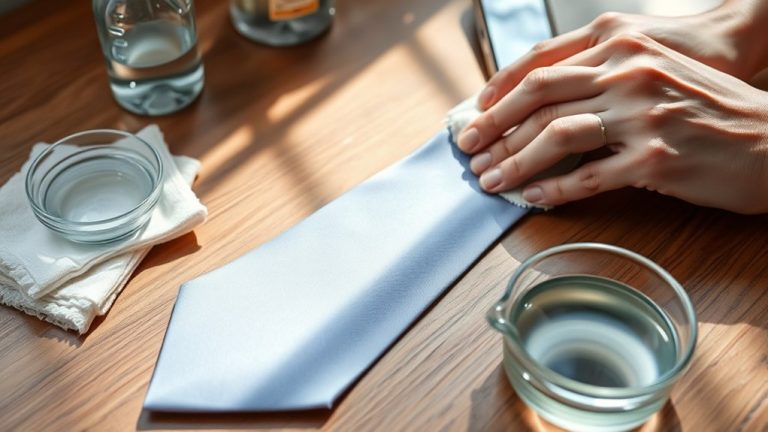
How should you tackle stains on a quilt without risking damage from full washing or dry cleaning? Spot cleaning is your best approach. Apply a mild, dye-free detergent or specialized stain remover to the stain, then use gentle blotting with a clean, damp cloth to lift it.
Avoid harsh scrubbing to protect delicate fabrics and preserve fiber integrity. Always work from the stain’s outer edge inward to prevent spreading. Rinse carefully to remove residue, minimizing water exposure and maintaining fiber preservation.
| Step | Tip |
|---|---|
| 1. Pre-test | Check stain remover on hidden fabric area |
| 2. Apply detergent | Use mild, dye-free formula |
| 3. Blot gently | Avoid scrubbing delicate fabrics |
| 4. Work inward | Prevent stain spreading |
| 5. Rinse lightly | Remove residue without saturating quilt |
How to Spot Clean Quilts Safely at Home
Although spot cleaning a quilt might seem straightforward, it requires careful attention to preserve the fabric’s integrity and colors. To safely spot clean your quilt at home, select a mild, pH-neutral quilt soap designed for gentle cleaning. Avoid scrubbing, which can cause fiber damage, and instead focus on careful stain removal by dabbing gently.
Always test a hidden area first to ensure dye stability. Use distilled or softened water to prevent mineral deposits or bleeding. Remember, blotting is key to lifting stains without harming the fabric.
- Use a mild, pH-neutral quilt soap like Orvus
- Dab stains carefully with a damp cloth or sponge
- Test a small, inconspicuous area before full treatment
- Use distilled or softened water to prevent dye bleeding
- Blot and lift stains; avoid scrubbing or squeezing
When to Ask a Textile Conservator for Help
You should reach out to a textile conservator if your quilt looks fragile, has unstable dyes, or features intricate heirloom details that could get damaged during cleaning.
It’s a good idea to find qualified experts by checking their credentials, maybe through museum recommendations or conservation organizations.
The sooner you act, the better—this way, your valuable or antique quilt gets the specialized care it really needs.
Signs You Need
When your quilt displays signs of fragility, such as weakening fabrics or unstable dyes, it’s vital to seek a textile conservator’s expertise before attempting any cleaning. This is especially true for antique or fragile quilts where improper handling can cause irreversible damage.
You should consult a professional if you notice:
- Significant stains that won’t respond to gentle cleaning
- Mold growth or musty odors indicating contamination
- Fabric deterioration, including fraying or thinning areas
- Unstable or bleeding dyes, ink signatures, or glazed surfaces
- Evidence of insect damage compromising structural integrity
Recognizing these signs ensures your quilt receives the precise care it needs, protecting its longevity and value. When in doubt, always prioritize professional assessment over DIY methods. It’s better to be safe and keep your quilt in the best condition possible.
Finding Qualified Experts
Since quilts often combine delicate fabrics, dyes, and intricate construction, consulting a textile conservator becomes vital if you want to preserve their integrity during cleaning. Qualified experts like textile conservators have specialized training to assess your quilt’s condition, fabric type, and dyes, guaranteeing the safest cleaning method.
For delicate quilts, especially antique, fragile, or heavily stained ones, professional cleaning is essential to avoid irreversible damage.
You can find reputable conservators through organizations such as the American Institute for Conservation or museum conservation departments.
By hiring a professional, you ensure that the cleaning process respects your quilt’s historical and material value, prioritizing preservation while minimizing risk.
When in doubt, seeking expert advice protects your quilt’s longevity and beauty.
Best Storage Practices to Reduce Cleaning Needs
Although cleaning is essential, proper storage can really cut down how often you need to maintain your quilts. You can prevent deterioration and minimize cleaning by managing the environment where you keep them. Choosing storage methods that promote air circulation and protect the fabric is key.
Store quilts in a cool, dry, dark place to avoid fading, mold, and damage. Instead of plastic, use breathable cotton or muslin bags so airflow can happen and moisture doesn’t build up.
Keeping quilts flat or rolled, rather than folded, helps prevent crease lines and stress on the seams.
Try to avoid spots with temperature swings, humidity, or direct sunlight because those things speed up deterioration.
It’s also a good idea to check your quilts regularly for pests, mold, or weakening fabric. Catching problems early means you won’t need to clean them as often.
Following these tips helps your quilts last longer and keeps cleaning to a minimum.
Tips to Keep Quilts Fresh Without Dry Cleaning
Proper storage lays the groundwork for keeping your quilts fresh, but maintaining their condition day-to-day involves simple care techniques that don’t require dry cleaning.
Incorporate quilt care practices like airing quilts regularly in shaded, well-ventilated spaces to naturally eliminate odors and dust.
Use a low-suction vacuum with an upholstery attachment on both quilt surfaces to remove surface dirt efficiently.
Address stains promptly through spot cleaning using mild, dye-free solutions. This helps preserve fibers and avoids the need for full washes.
Store quilts in breathable cotton or muslin bags within dry, dark areas to prevent mustiness.
Always handle your quilts gently and try to limit their exposure to dirt and pollutants.
These precise steps ensure your quilts stay clean and vibrant without resorting to dry cleaning. It’s easier than you might think!
Frequently Asked Questions
How Often Should Quilts Be Professionally Cleaned?
You should have your quilts professionally cleaned every 5 to 10 years, depending on how often you use them and the environment they’re in.
If you own heirloom quilts, clean them only when they show dirt or damage, and less frequently. Avoid over-cleaning to prevent fabric wear.
Always consult a textile conservator before cleaning valuable or fragile quilts. This helps make certain you preserve their condition while maintaining their beauty.
It’s better to be safe than sorry when it comes to something precious.
Can Washing Machines Damage Quilt Stitching?
Oh, sure, throw your quilt into a washing machine and watch it perform a high-speed dance of fraying seams and unraveling stitches! You’ll definitely damage quilt stitching if you’re not careful.
Agitators and tumbling spin cycles put a lot of stress on delicate threads, especially hand-stitched or antique quilts.
Overloading the machine or using harsh detergents just makes things worse, loosening or breaking stitches even more.
If you have to machine wash, use gentle cycles, cool water, and minimal detergent to help protect your quilt’s integrity.
What Fabrics Are Most Common in Quilts?
Cotton is the most common fabric you’ll find in quilts because it’s durable, soft, and easy to dye. You’ll also see wool in heirloom quilts, offering warmth and insulation.
Silk appears in luxury quilts for its sheen but needs gentle care.
Modern quilts often use polyester or synthetic blends for affordability and wrinkle resistance. Hand-dyed and batik fabrics, usually cotton or silk, add vibrant colors and unique patterns to your quilt.
How to Repair Small Tears in Quilts?
Did you know that 85% of quilt damage starts as small tears? To repair them, use a fine needle and matching thread. Apply ladder or whip stitches for a discreet fix.
For delicate quilts, reinforce tears from behind with lightweight fabric patches. Avoid bulky adhesives, as they can harm fibers.
Work gently to preserve the quilt’s texture and longevity. This way, your repair blends seamlessly while keeping the quilt’s historical integrity intact.
It’s all about taking care without making it obvious!
Are There Eco-Friendly Quilt Cleaning Products Available?
Yes, you can find eco-friendly quilt cleaning products that use plant-based, biodegradable detergents free from harsh chemicals, phosphates, and synthetic fragrances.
Look for options certified by Green Seal or EcoLogo for assured environmental standards.
Natural agents like castile soap or enzyme-based cleaners work well on delicate quilts.
These products often feature sustainable packaging and avoid dyes or artificial preservatives.
This way, you can clean your quilt effectively while minimizing environmental impact.
Conclusion
Dry cleaning a quilt is often a risky shortcut, like walking a tightrope without a safety net. You should avoid it unless you’ve carefully assessed the fabric and dyes. Instead, spot clean gently at home and store your quilt properly to keep it fresh.
When in doubt, consult a textile conservator to preserve your quilt’s story. With thoughtful care, you’ll protect your quilt’s beauty without exposing it to unnecessary harm.