Can Dry Clean Remove Stains – What To Know
You can remove many common stains through dry cleaning by acting quickly and providing clear stain details. Dry cleaners use specialized solvents and targeted treatments, like enzymatic cleaners for protein stains or acidic solutions for tannins. These help dissolve and lift stains while protecting delicate fabrics.
However, older, set-in, or deeply penetrating dye and oil stains may resist removal. Understanding how timing, fabric type, and stain nature impact effectiveness will help you get the best results and take good care of your garments.
Which Stains Do Dry Cleaners Remove Best and Why?
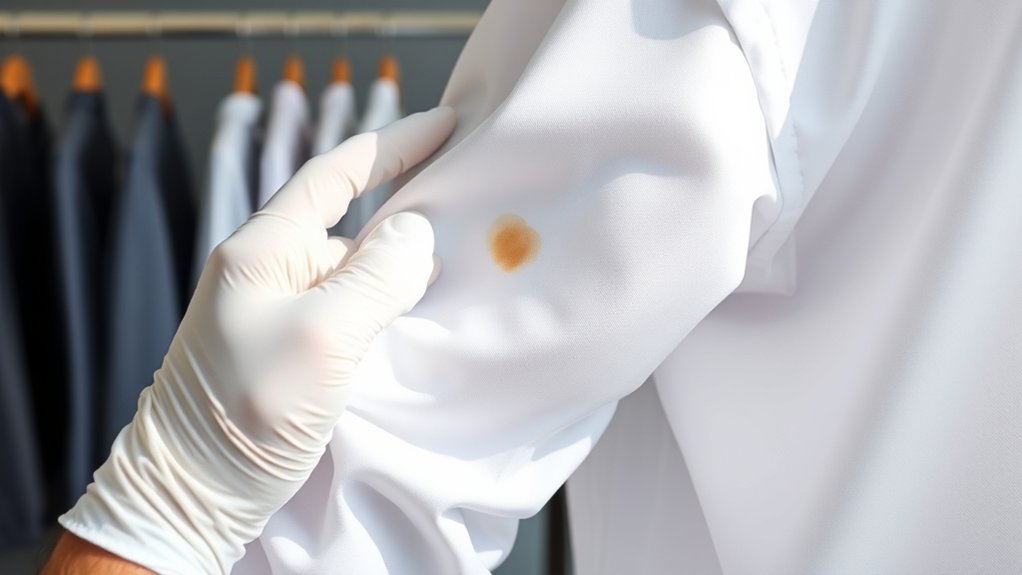
When you bring your garments to a dry cleaner, they excel at tackling oil-based stains like grease, butter, and motor oil because their specialized solvents break down lipids effectively. These dry cleaning solvents dissolve oil stains more efficiently than water-based methods, preserving the fabric’s integrity.
Besides oil stains, dry cleaners use enzyme-based stain removal methods to treat protein-based stains such as blood and sweat. These stains respond well to targeted enzymes.
Delicate fabrics like silk, leather, and fur benefit from professional techniques that remove stains without damage.
However, dye stains like ink are more challenging and require prompt attention to improve removal chances.
Understanding these distinctions helps you trust dry cleaning for specific stain types and fabric care.
How Dry Cleaning Gets Rid of Different Stains
You’ll see that dry cleaning works by matching the right solvents and treatments to each type of stain. For example, oil-based marks dissolve in specialized solvents like Perc.
On the other hand, protein stains are broken down with enzymatic cleaners.
Before the actual cleaning, they pre-treat the stains with targeted solutions.
Then, by using gentle solvents for delicate fabrics, dry cleaning can effectively remove a wide range of stains without causing any damage.
It’s a smart way to keep your clothes looking great!
Stain Types Treated
Although stain removal can be challenging, dry cleaners tackle various types of stains by using specialized treatments tailored to each one. When removing stains, dry cleaners remove oil-based stains like grease and motor oil with solvents such as Perc or hydrocarbon, which effectively dissolve these tough residues.
Protein-based stains, including sweat and blood, require enzymatic solutions that break down proteins for easier removal. Tannin stains from coffee, tea, and wine need prompt treatment using targeted spotters to prevent setting.
Dye stains from ink or permanent markers pose greater difficulty but can sometimes be salvaged if addressed early.
For delicate fabrics like silk, leather, and suede, dry cleaners use gentle, fabric-specific solvents to remove stains without causing damage. Understanding the type of stain informs the precise treatment dry cleaners apply. It really comes down to matching the right method to the stain type for the best results.
Dry Cleaning Techniques
Understanding the types of stains is just the start; the real challenge lies in how dry cleaners effectively remove them. Dry cleaning techniques rely on a precise cleaning process tailored to stain type and fabric fibers. Here’s how it works:
First, pre-treatment targets stains with acidic, alkaline, or enzymatic solutions to break down protein-based or stubborn marks before cleaning.
Then, specialized solvents like Perc or hydrocarbon dissolve and lift oil-based stains without damaging fibers.
Finally, heat and steam enhance solvent penetration, loosening stains for thorough removal. It’s a careful balance that keeps your clothes looking fresh without causing harm.
Why Timing Matters in Stain Removal
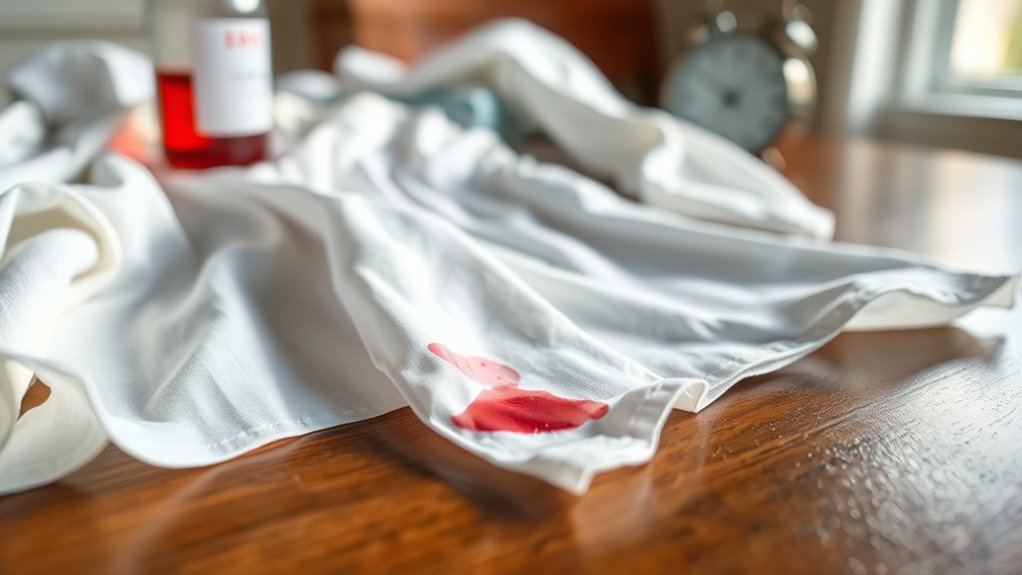
You’ve got to act fast when dealing with stains if you want the best shot at getting them out completely. The longer you wait, the more oils, proteins, and tannins can sink deeper into the fabric or even stick to the dyes.
That makes the stain way tougher to remove later on. So, knowing what happens when you delay really shows why it’s so important to treat stains right away for the best results.
Prompt Treatment Benefits
Because stains start bonding with fabric fibers and reacting with dyes almost immediately, treating them promptly greatly increases your chances of complete removal. Prompt treatment is essential for effective stain removal, especially with oil-based stains, which become more stubborn over time.
Immediate action allows professional cleaners to tackle stains before they set. This reduces the need for harsh chemicals or repeated dry cleaning.
Here’s why prompt treatment matters:
- Prevents permanent discoloration by stopping stains from bonding or reacting with fabric dyes.
- Enables professional cleaners to remove fresh stains more efficiently, preserving your garment’s integrity.
- Avoids the risk of stains setting during washing or drying, which complicates removal efforts.
Risks Of Delayed Cleaning
While it might be tempting to delay stain treatment, doing so allows stains to set deeper within fabric fibers. This makes removal much more difficult or even impossible.
Delayed cleaning causes stains to bond firmly, increasing the risk of permanent discoloration, especially with tannin stains from coffee or wine. The longer you wait, the more heat or chemical reactions can alter the fabric.
This can lead to color loss or fabric damage during cleaning. Prompt professional intervention is vital to prevent stains from becoming irreversible.
Acting quickly not only preserves the fabric’s integrity but also maximizes the effectiveness of stain removal techniques.
Ultimately, understanding the risks of delayed cleaning shows why timing really matters in successful stain management. So, don’t wait too long—treat stains as soon as possible!
Techniques and Solvents Used in Dry Cleaning
Although dry cleaning avoids water, it relies on specialized solvents like perchloroethylene (Perc) and hydrocarbon solvents to effectively dissolve oil-based stains. These solvents form the backbone of stain removal. They make sure your fabric gets cleaned without messing up its texture.
Spot treatment plays a critical role here. Enzymatic cleaners break down protein-based stains, while acidic or alkaline solutions target tannin and dye stains.
Dry cleaning techniques usually start with pre-treatment using spotting solutions. Then, solvents are applied, and controlled heat helps lift the stains better.
Choosing the right solvent is essential. Non-water-based options are great for preserving delicate fabrics like silk and wool. They prevent damage during cleaning and keep your clothes looking their best.
Cleaning Delicate Fabrics With Dry Cleaning
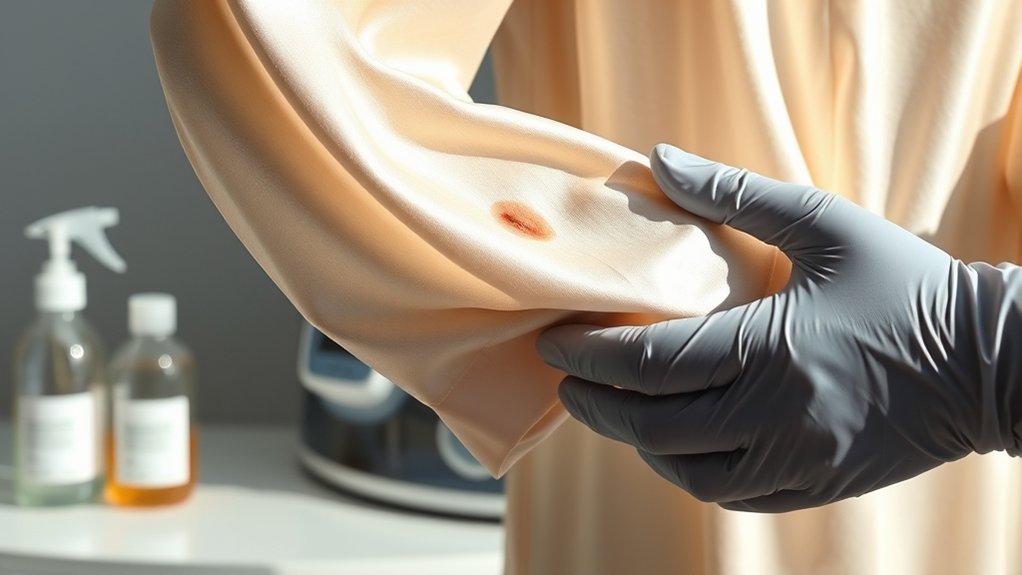
The specialized solvents and spotting techniques used in dry cleaning are especially suited for delicate fabrics like silk, wool, and linen. When you choose dry cleaning, you rely on gentle solvents such as hydrocarbon and perchloroethylene that effectively remove stains without causing damage.
Dry cleaning uses specialized techniques tailored to each fabric type. It carefully treats stains while minimizing agitation and controlling temperature. This controlled process helps preserve the texture, color, and shape of your delicate fabrics.
Dry cleaning preserves delicate fabrics by carefully treating stains with minimal agitation and precise temperature control.
Unlike home washing, dry cleaning assesses fabric condition beforehand to prevent the risk of permanent damage. Through these precise methods, professional dry cleaners remove stains that are otherwise impossible to treat safely at home.
This way, your delicate fabrics remain pristine and intact.
What Stains Are Hardest or Impossible to Remove?
Why do some stains resist even the most thorough dry cleaning processes? Certain stains interact with fabric fibers in ways that make removal extremely challenging or impossible.
Here are the hardest stains you’ll encounter:
- Permanent stains and dye-based stains Ink, permanent markers, and some food dyes penetrate deeply, especially if not treated right away.
- Old stains and set-in stains Over time, these stains bond tightly with fibers, making them nearly impossible to fully eliminate.
- Heat-set stains and protein-based stains Dried blood or milk, when heat-set, become highly resistant. They often require specialized treatment beyond standard dry cleaning.
Tips to Help Your Stains Come Out in Dry Cleaning
When you act quickly and provide your dry cleaner with detailed information about the stain’s type, age, and fabric, you markedly improve the chances of successful removal. Avoid home remedies or heat, as they risk damaging the fabric and setting stains permanently.
Bring your garment to professional dry cleaners promptly to maximize stain removal effectiveness.
| Action | Reason |
|---|---|
| Act quickly | Fresh stains respond better to treatment |
| Inform dry cleaners | Tailors stain removal method precisely |
| Avoid heat (ironing) | Prevents stain from setting permanently |
| Skip home remedies | Prevents fabric damage and stain setting |
Following these tips ensures stains dry cleaning can remove remain manageable and preserves your garment’s integrity.
Frequently Asked Questions
How Long Does a Typical Dry Cleaning Process Take?
A typical dry cleaning process takes about 1 to 3 hours, depending on your garment’s complexity and stain treatment needs.
You’ll usually see pre-treatment, cleaning, drying, and finishing done within this timeframe.
If your item is heavily stained or requires special care, expect more time or multiple visits.
Many cleaners offer rush or same-day services, often completing your garment within 24 hours.
But timing can vary depending on workload and fabric type.
Can Dry Cleaning Remove Odors From Clothes?
Yes, dry cleaning can remove odors from clothes effectively. It uses specialized solvents and steam to penetrate fabric fibers, eliminating odor-causing molecules without soaking your garments.
This method works well for sweat, smoke, and food odors, especially on delicate or dry-clean-only items.
If odors persist, multiple cleanings or professional odor-neutralizing treatments might be necessary. Overall, dry cleaning refreshes your clothes, leaving them clean and smelling fresh.
Is Dry Cleaning Safe for All Types of Fabric Dyes?
Dry cleaning isn’t a magic wand for all fabric dyes. It’s mostly safe but not foolproof. You’ll find that stable, well-bonded dyes usually hold up perfectly.
But delicate or unstable dyes might bleed or fade if mishandled.
Always tell your cleaner about any dye issues to avoid surprises. They use special solvents to protect colors but can’t fix dye damage already done.
How Often Should I Dry Clean My Garments?
You should dry clean most garments every 4 to 6 wears to keep them looking good and prevent stains from setting.
Delicate fabrics like silk or wool usually need more frequent cleaning, often after each wear.
If your clothes get heavily stained or you wear them a lot, think about dry cleaning every 2 to 3 wears.
Always check the care label and chat with your dry cleaner to make sure you’re not over-cleaning or damaging the fabric.
Are There Environmental Concerns With Dry Cleaning Solvents?
Dry cleaning solvents can be like ticking time bombs for the environment if not handled properly. You should know that traditional solvents like perchloroethylene pose health and pollution risks.
Luckily, many cleaners now use greener alternatives like hydrocarbon solvents or liquid carbon dioxide, which reduce harm.
To protect the environment, you should choose cleaners that follow regulations, recycle solvents, and minimize emissions of volatile organic compounds (VOCs).
Conclusion
So, if your shirt looks like a Jackson Pollock after dinner, don’t just hope dry cleaning will magically erase the chaos. Dry cleaners are stain wizards but not miracle workers. They tackle most spots with skill, timing, and fancy solvents, but some stains just laugh in their face.
Treat your clothes right and act fast. Remember, even the best dry cleaning can’t undo every culinary crime you commit. Choose wisely, or wear your stains with pride.