Diaper In Washing Machine How To Clean – Guide
If you’ve washed a diaper by mistake, first check your washer drum for gel beads, residue, or lint. These can cause clogs and damage. Shake clothes outside to get rid of any loose bits.
Next, run a hot rinse cycle. Then clean the machine’s interior with salt and hot water to help dissolve any gel beads left behind.
Don’t forget to run a self-clean cycle to keep everything fresh. Regular maintenance really helps prevent future messes. Keep going to discover how to thoroughly restore your washer and clothes after this mishap.
Identify Diaper Damage in Your Washer
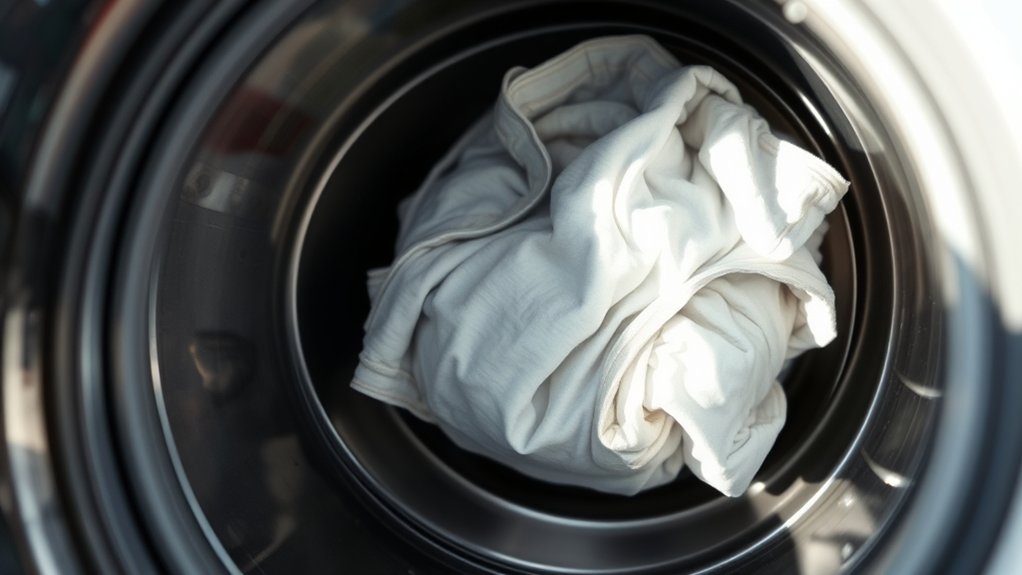
Although it’s easy to accidentally wash a disposable diaper with your laundry, you should check your washer carefully afterward to spot any damage. Look inside the washer drum for gel beads, clumps, or sticky residue buildup. These can cause leaks or mechanical issues if left untreated.
Pay attention to lint and brown flecks that might indicate diaper debris has spread throughout the machine. Gel beads can clog filters and drains, so inspecting these parts is essential to prevent further damage.
Over time, unnoticed residue can wear down seals and liners, leading to leaks or costly repairs. Catching these signs early helps you protect your washer and avoid lingering odors or malfunctions caused by diaper-related residue.
Clean Clothes After Washing a Diaper
Once you’ve checked your washer for any diaper residue, it’s important to focus on cleaning your clothes properly after washing a diaper. Start by shaking out excess lint and diaper gel residue outdoors to minimize buildup.
Then, run an additional hot rinse cycle to thoroughly remove any leftover gel or debris from the fabric.
Before reloading, inspect the machine’s interior and wipe away any remaining gel or lint to prevent contamination. After washing, transfer your clothes to the dryer to help remove lint and make sure they dry completely.
If you noticed significant diaper residue during inspection, consider performing a washing machine cleaning or self-clean cycle to keep your washer fresh and avoid future issues.
Taking these steps helps keep your clothes clean and your machine in good shape.
Remove Gel Residue With Salt and Hot Water
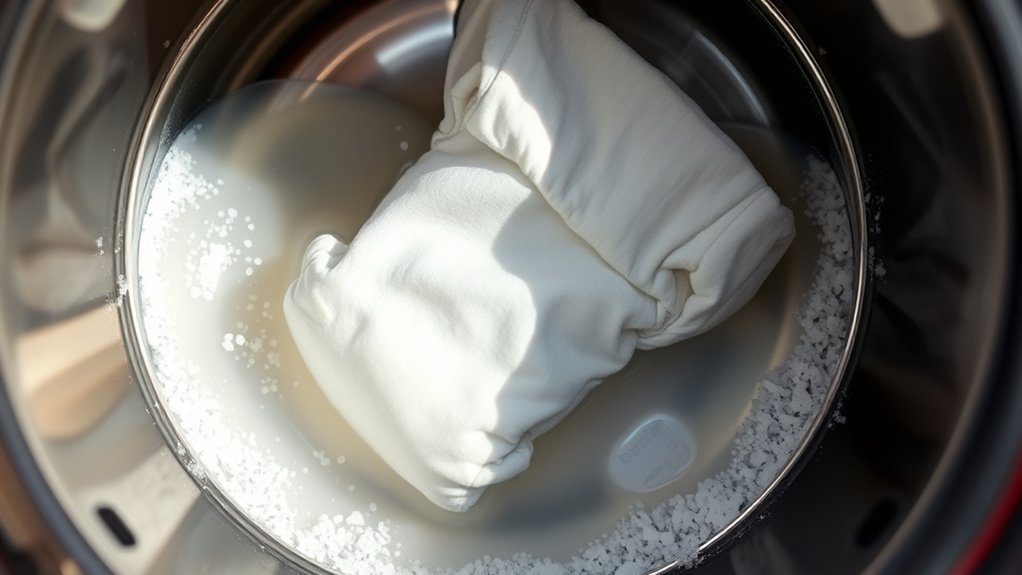
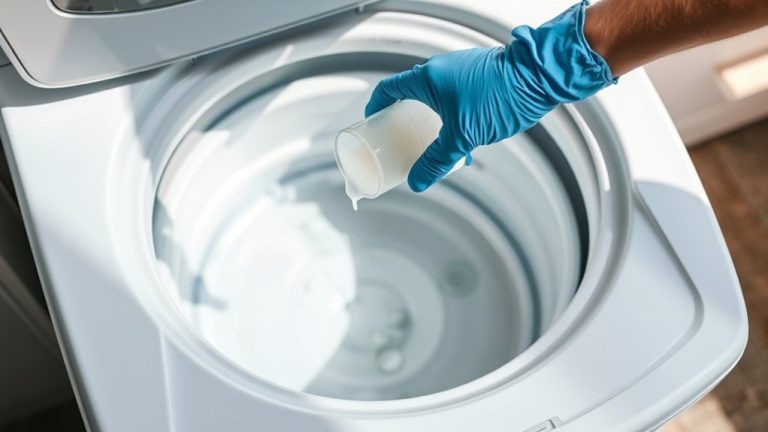
If you want to effectively remove stubborn diaper gel residue, adding one or two cups of Morton Salt directly into your washing machine drum can make a big difference. The salt works by dehydrating and loosening the gel beads, making it easier for hot water to break down and rinse away the gel residue from both your clothes and the washing machine interior.
Run a hot water cycle without soap after adding the salt to maximize the cleaning effect. If you still notice any gel or gunk after the first wash, don’t hesitate to repeat the salt and hot water cycle.
This method not only clears gel residue from diapers but also helps prevent buildup inside your washing machine, keeping it fresh and functioning well.
Give it a try—you might be surprised how well it works!
Clean Your Washing Machine After a Diaper Incident
When you discover gel or lint residue from diapers in your washing machine, act quickly to prevent it from spreading and causing further buildup. First, remove all laundry to avoid transferring gel residue onto other clothes. Shake out the items outside to dislodge any remaining gel chunks or lint.
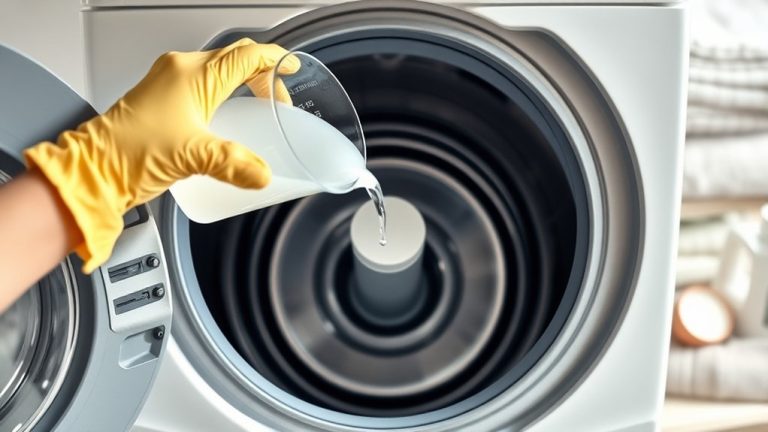
Next, thoroughly wipe down the interior surfaces of your washing machine. Focus on the rubber gasket and drum to clear visible debris. Then, run a self-clean cycle with hot water and a washing machine cleaner or bleach to sanitize the machine and tackle detergent buildup.
Afterward, check the machine for any leftover residue and remove lint if necessary. Finally, re-wash the laundry to make sure all traces of gel and lint are completely gone. This will keep your washing machine clean and fresh.
Maintain Washer and Dryer to Prevent Future Messes
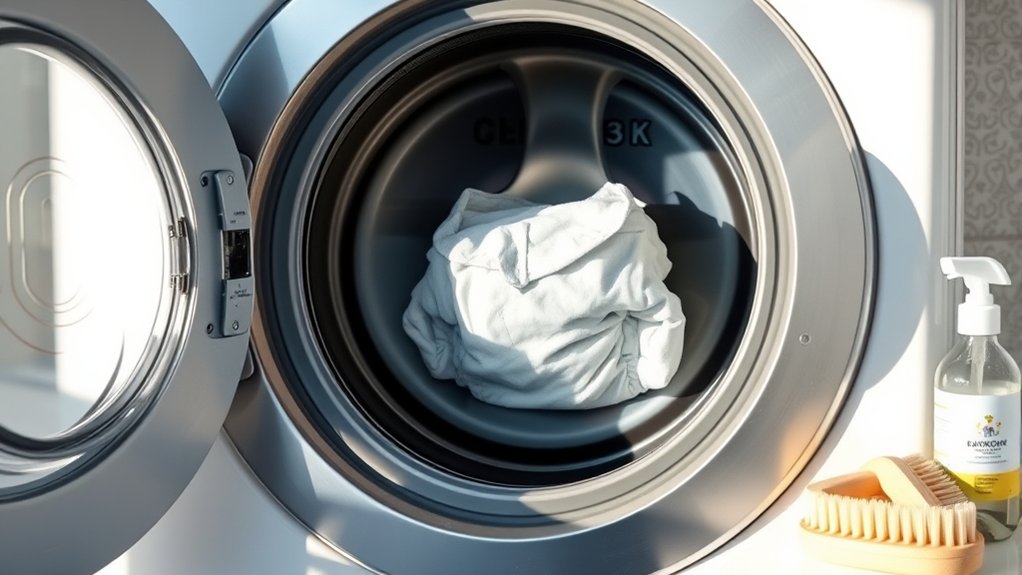
Although diaper mishaps can be frustrating, maintaining your washer and dryer regularly will help you prevent future messes and keep your appliances running smoothly. Start with washer maintenance by running the self-clean cycle often, using a specialized cleaner to tackle residue buildup.
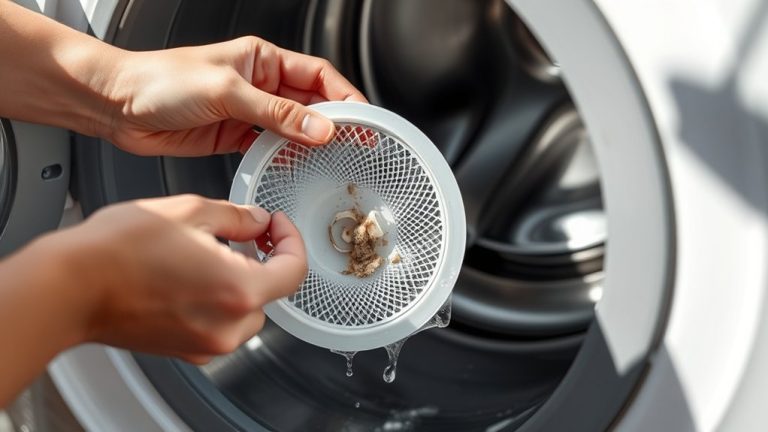
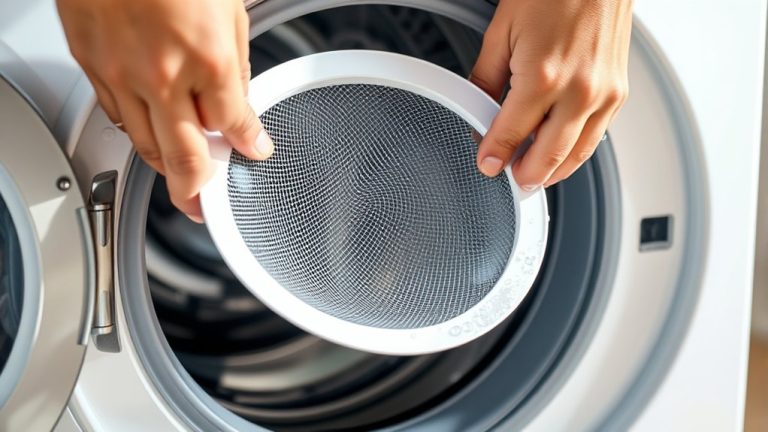
After any diaper-related mess, open the washer’s liner to remove lint or gel that could cause clogs. Don’t forget to clean the washing machine filter and drain periodically, following manufacturer instructions to prevent clogs from trapped debris.
Once a month, run a hot water cycle with vinegar or baking soda to dissolve mineral deposits and eliminate odors.
Finally, wipe down the rubber gasket and door seal to keep them dry and free from mold or residue.
These steps guarantee effective washing machine care and fewer future problems. It’s definitely worth the effort to keep your appliances in top shape!
Avoid Washing Diapers With Laundry by Mistake
Since washing pull-up diapers with your regular laundry can spread gel beads and lint throughout your clothes, you’ll want to keep them separate to avoid contamination. Diaper mishaps like this not only leave gel beads stuck to fabrics but also cause lint to cling, creating stains and irritation.
The absorbent gel doesn’t dissolve; it dries into paper-like residue that can clog your washing machine’s internal parts. To prevent these issues, wash diapers separately and inspect your machine regularly.
If you find residue buildup, run a salt wash cycle with hot water to clear leftover gel and lint. Taking these steps helps you avoid clogging and keeps your cleaning routine efficient and hassle-free.
When to Get Professional Help for Persistent Problems
If your washing machine keeps developing odors, leaks, or blockages despite your best efforts to clean it, it’s time to contemplate professional help. When repeated filter checks and deep cleans don’t solve the problem, persistent buildup or damage to internal components could be the cause.
Also, if you notice error codes or unusual noises, these signals point to electrical or mechanical issues needing expert diagnosis. Seeking professional repair ensures a thorough inspection and proper maintenance, preventing further damage and costly fixes down the line.
Don’t ignore recurring problems. Getting help early can extend your machine’s lifespan and keep it running efficiently. Remember, timely professional intervention is key to resolving stubborn washing machine troubles safely and effectively.
Frequently Asked Questions
What Type of Detergent Is Best for Cloth Diapers?
You’ll want to use fragrance-free, dye-free, and plant-based detergents for your cloth diapers to avoid irritation and buildup.
Enzymatic detergents work well by breaking down stains and odors without harming waterproof layers. Be sure to follow the recommended detergent amount. Too much leaves residue, and too little won’t clean properly.
Avoid fabric softeners, bleach, or brighteners since they can damage the fabric and waterproofing over time.
Specialized cloth diaper detergents are often your best bet. They’re made specifically to keep your diapers clean and in great shape. Just stick with those, and you’ll have less to worry about.
How Often Should Cloth Diapers Be Washed?
Think of washing cloth diapers like changing the oil in your car. Wait too long, and problems pile up. You should wash them every 2 to 3 days to keep odors, bacteria, and diaper rash at bay.
Washing more often wastes water, while waiting too long lets smells and stains settle in.
Keeping a steady schedule helps your diapers stay fresh, absorbent, and ready for your little one’s next adventure.
Can Fabric Softeners Be Used With Cloth Diapers?
No, you shouldn’t use fabric softeners with cloth diapers. They leave residues that reduce absorbency and can cause skin irritation or leaks.
Fabric softeners coat the fibers, making diapers less effective at soaking up moisture.
Instead, try natural alternatives like vinegar or baking soda to soften your diapers safely.
This helps keep them absorbent, comfortable, and long-lasting.
It’s better for your baby and kinder on your budget.
What Water Temperature Is Ideal for Washing Diapers?
You know what they say: “Don’t throw the baby out with the bathwater.” For washing diapers, aim for water between 90°F and 130°F.
Lower temps around 90°F keep waterproof layers safe and clean, while occasional hotter washes near 130°F tackle tough odors or stains.
Avoid going higher to protect elastics and fabrics. Using the right temperature keeps diapers fresh, rash-free, and lasting longer.
It also makes your job a little easier.
How to Prevent Diaper Odors Between Washes?
To prevent diaper odors between washes, rinse them regularly with water or a vinegar solution to reduce ammonia buildup.
Store diapers in a breathable container with the lid slightly open to allow airflow and minimize smells.
Don’t overload your washing machine when it’s wash day, and use enzyme-based detergent to break down odor-causing bacteria.
Remember to deep clean both diapers and your machine occasionally to keep everything fresh and odor-free.
It really helps keep the odors at bay!
Conclusion
Accidents happen, but with these steps, you can keep your washer running smoothly and your clothes fresh as a daisy. By spotting diaper damage early, removing gel residue, and cleaning your machine thoroughly, you’ll prevent future messes from piling up like laundry mountains.
Stay vigilant to avoid mixing diapers with regular laundry, and don’t hesitate to call in professionals if problems persist. You’ve got this. Your washer will thank you!