How To Clean Sludge From Top Loader Washing Machine – Guide
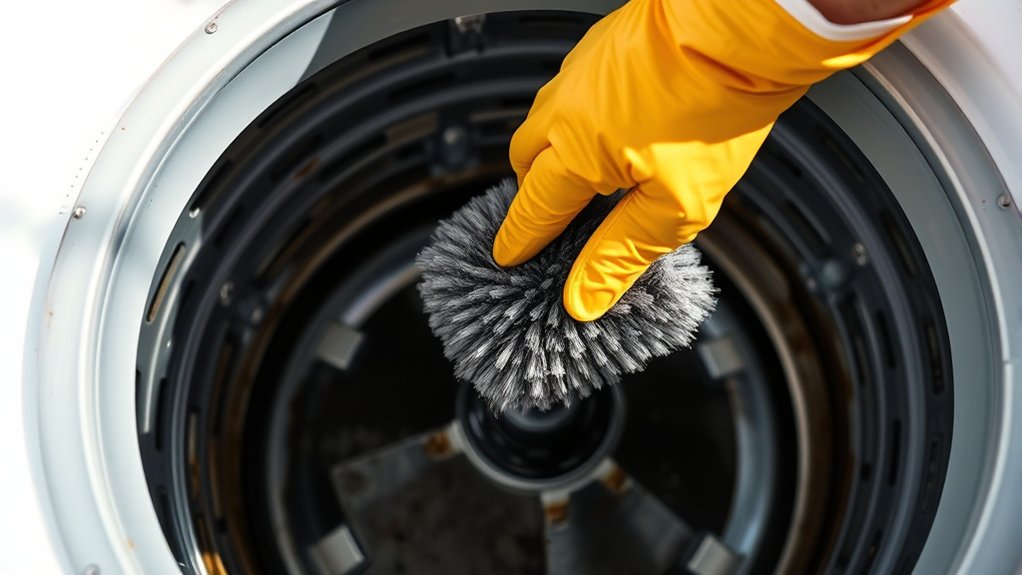
To clean sludge from your top loader washing machine, run a hot water cycle with 3-4 cups of white vinegar. Pause mid-cycle and let it soak for 30-60 minutes.
Next, scrub the drum and agitator with a microfiber cloth or brush soaked in vinegar. After that, run a rinse cycle to flush out any residue.
Make sure to regularly clean the seals and dispensers. Also, leave the lid open to prevent mold buildup.
If sludge remains or odors persist, there are more detailed steps and tips that can help restore your washer’s performance. Just keep at it!
Common Causes of Sludge in Top Load Washers
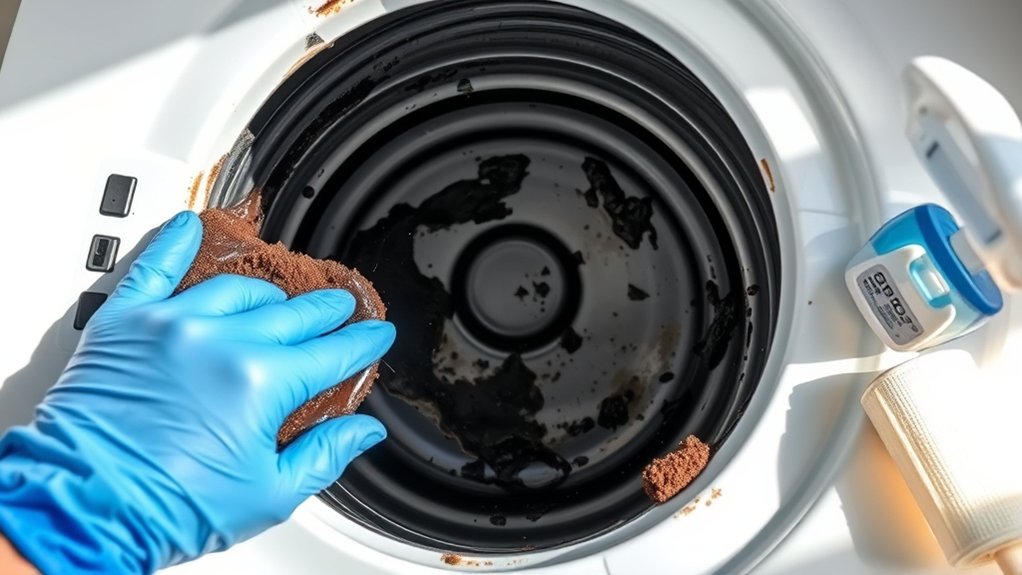
Although it might seem minor at first, sludge buildup in your top load washer can considerably impair its performance. This sludge primarily results from detergent residue, soap scum, and mineral deposits accumulating over time.
Sludge buildup from detergent residue and mineral deposits can significantly reduce your top load washer’s efficiency.
Hard water makes the problem worse by promoting lime scale and mineral deposits inside the drum and hoses.
Using too much detergent or low-quality detergent also increases the risk of buildup. This creates a perfect spot for bacteria, mold, and mildew to grow in those moist areas.
Skipping regular maintenance and the cleaning cycle lets dirt and soap scum pile up, which only makes sludge formation worse.
To keep this from happening, you need to understand these causes clearly. Then, tackle them with consistent cleaning and using the right amount of detergent.
That way, your washer will run smoothly and stay hygienic.
Top Cleaning Products to Remove Washer Sludge
You’ll want to pick cleaning agents that really get rid of detergent residue and mineral buildup but won’t harm your washer.
Products like Affresh tablets, white vinegar, and baking soda are great choices—they target sludge effectively and are safe for regular use.
Just be sure to follow the manufacturer’s guidelines so you keep your machine running smoothly and avoid any corrosion.
Effective Cleaning Agents
When tackling sludge buildup in your top loader washing machine, using specialized cleaning agents like Affresh or Tide Washing Machine Cleaner can break down deposits efficiently. These washer cleaners target and dissolve accumulated sludge and detergent residues.
Incorporating white vinegar and baking soda during a hot water cycle serves as an effective descaling product. It breaks down mineral deposits inside the drum and pipes.
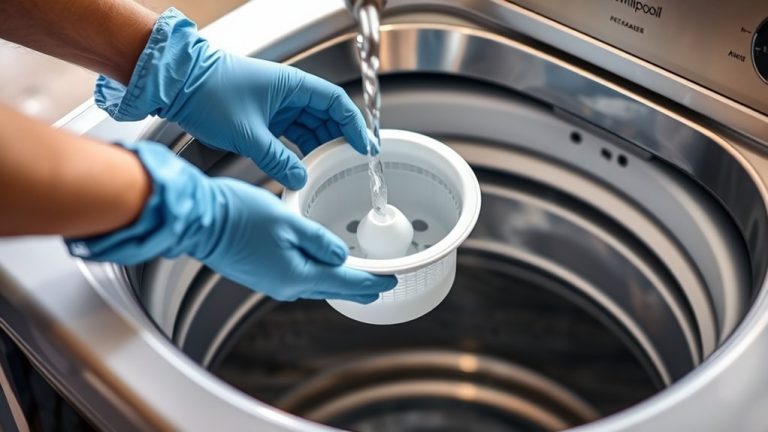
To maintain cleanliness, soak and manually scrub detergent dispensers to prevent residue buildup. Also, manual scrubbing with a brush is essential for hard-to-reach areas such as seals and around the agitator where sludge often accumulates.
Using these precise cleaning agents and techniques ensures thorough sludge removal and helps maintain peak washing machine performance. It’s a simple way to keep your machine running smoothly for a long time.
Safe Product Usage
Specialized washing machine cleaners like Affresh tablets and natural mixtures such as vinegar and baking soda effectively break down sludge buildup in top loader washers. To guarantee cleaning product safety, always follow manufacturer instructions and avoid mixing chemical solutions like bleach with vinegar to prevent harmful fumes.
Proper rinsing after cleaning cycles is essential to remove chemical residue and maintain cleaning cycle safety. Using safe cleaning products protects your appliance warranty and prevents damage to washer components.
| Product Type | Key Benefit | Safety Consideration |
|---|---|---|
| Affresh Tablets | Dissolves sludge efficiently | Follow usage guidelines |
| Vinegar and Baking Soda | Natural, non-toxic alternative | Avoid mixing with bleach |
| Commercial Cleaners | Strong chemical action | Ensure thorough rinsing |
| Bleach (Not Recommended) | Risk of harmful fumes | Avoid mixing with acids |
Step-by-Step Sludge Cleaning for Top Load Washers
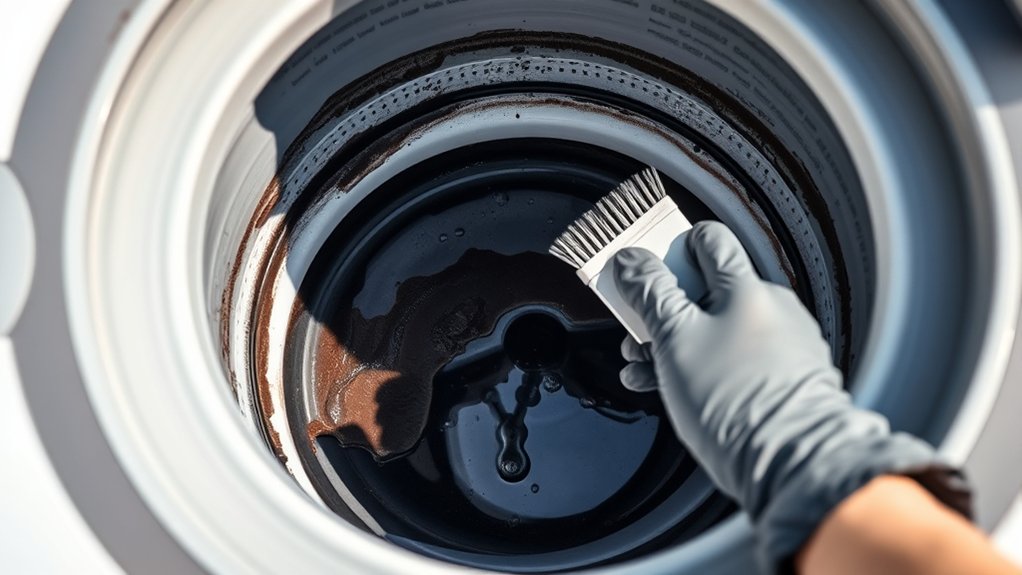
Although sludge buildup can seem stubborn, following a systematic cleaning process will restore your top loader’s efficiency. Start by running a hot water cycle with no laundry, adding 3-4 cups of white vinegar to help break down sludge buildup.
Pause the cycle halfway and let the vinegar solution sit for 30-60 minutes to loosen residues effectively.
Next, use a microfiber cloth or sponge soaked in the vinegar solution for scrubbing interior areas, including drum edges and visible sludge spots. Focus on removing soap scum.
After scrubbing, run a full rinse cycle with hot water to flush out loosened sludge and residual vinegar.
Finally, wipe down all interior surfaces, such as the lid and gasket, to remove remaining buildup and prevent future sludge accumulation during cleaning your washing machine.
Cleaning Sludge Around the Agitator and Drum
Start by removing the agitator if your model allows it.
Then, grab a stiff brush and scrub beneath and around the agitator to clear away any sludge buildup.
Next, apply a hot water and vinegar solution or use a commercial cleaner on the drum and agitator surfaces to help break down the residue.
Finally, run a hot cycle to flush out the loosened sludge, and wipe down all the surfaces with a microfiber cloth for a thorough clean.
Agitator Sludge Removal
When you remove the agitator according to your washing machine’s manufacturer instructions, you gain direct access to the area beneath it. This makes it easier to do a thorough sludge removal. Start by inspecting the agitator and the surrounding drum area for any sludge buildup and debris.
Use a brush or cloth dipped in a vinegar and water solution to scrub all surfaces carefully. This cleaning method helps loosen accumulated sludge and mineral deposits. After you’ve done the manual cleaning, run a hot water cycle with a cup of bleach or vinegar. This will dissolve any leftover grime and sanitize the agitator and drum.
Make sure to remove any trapped lint or debris around the agitator base. Doing this helps prevent sludge from building up again in the future.
Finally, reassemble the agitator securely so it functions properly and supports ongoing maintenance of your top loader washing machine.
Drum Surface Cleaning
Since sludge often accumulates around the agitator post and drum surface, you’ll need to use a vinegar and baking soda mixture to effectively loosen and dissolve the buildup. This combination helps break down grime and mineral deposits, making sludge removal easier.
After applying the mixture, scrub manually with a soft brush or cloth. Focus on the agitator buildup and those hard-to-reach spots at the drum’s bottom. This step ensures you get rid of all residue, which is key for keeping your washing machine clean.
Next, run a hot water cycle with a good cleaning agent like Affresh or bleach. This will flush out any loosened sludge particles for good.
Doing regular drum surface cleaning and deep cleaning stops sludge from coming back. It also keeps your washer running at its best and helps it last longer.
Stick with these steps, and your washing machine will stay clean and work well for a long time.
Tools For Scrubbing
Although tackling sludge buildup can be challenging, having the right tools makes the task more efficient and effective. Use a stiff-bristled brush or an old toothbrush for precise agitation around the agitator and inside the drum.
After scrubbing, a microfiber cloth or sponge wipes away loosened residue. For stubborn sludge, soak a cloth in vinegar or a cleaning solution and wrap it on affected parts before scrubbing.
You can also use a plastic putty knife or scraper to gently remove thick deposits without damaging surfaces. Always wear rubber gloves to protect your hands and improve grip on slippery spots.
| Tool | Purpose |
|---|---|
| Stiff-bristled brush | Effective scrubbing |
| Old toothbrush | Detail cleaning in crevices |
| Microfiber cloth | Wiping loose dirt |
| Plastic putty knife | Gentle sludge removal |
Maintenance Tips to Prevent Sludge in Your Washer
To prevent sludge buildup in your top loader washing machine, you should regularly run hot water cycles with cleaning agents like vinegar or Affresh. These help dissolve residues and flush them out effectively. Doing this hot water cycle consistently is super important for maintaining your washer and keeping sludge at bay.
Also, keep the lid open after each wash so the drum can dry completely. This simple step helps reduce mold and sludge formation.
Every month, make sure to clean the detergent dispenser and rubber seals to get rid of soap scum and trapped debris. Using the right amount of high-efficiency detergent is key too, as too many suds can lead to buildup.
Finally, schedule a deep cleaning every 1 to 2 months to tackle those hard-to-reach spots. Following these regular maintenance steps will really help prevent sludge and keep your top load washer running smoothly for a long time.
Natural Cleaning Options for Top Load Washers
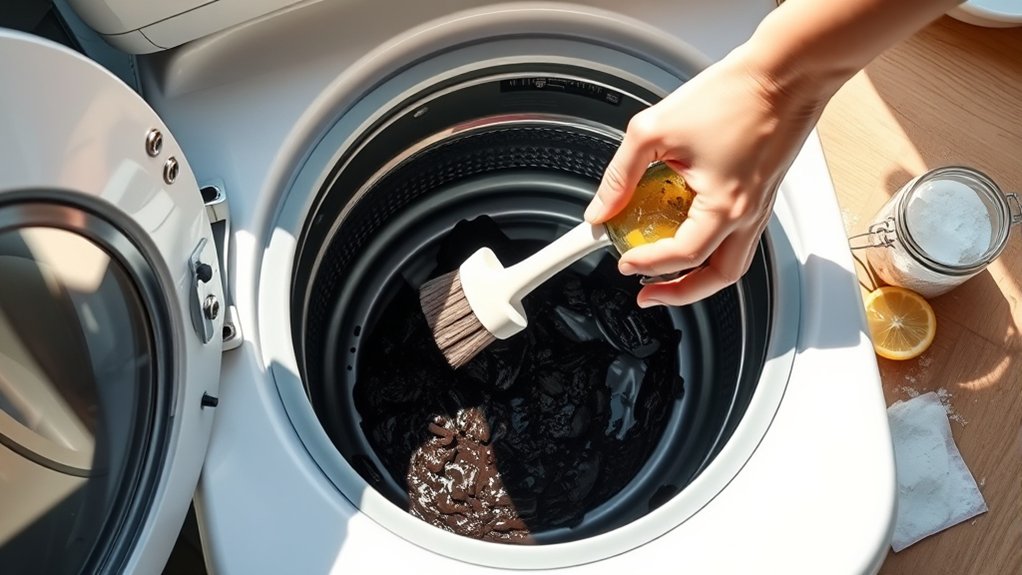
When you want to clean your top load washer without harsh chemicals, natural options like white vinegar and baking soda offer effective solutions.
For sludge removal, run a hot water cycle adding 3-4 cups of white vinegar. This dissolves mineral deposits, soap scum, and mold inside the drum and hoses.
During the cleaning cycle, sprinkle baking soda to act as a gentle abrasive and deodorizer. It breaks down grime and neutralizes odor-causing residues.
Don’t forget to wipe down the agitator, lid, and dispenser regularly with a vinegar-water solution to prevent sludge buildup and mold growth.
This natural cleaning method enhances washer efficiency and avoids toxic chemicals. Plus, it’s safe for septic systems, making it an environmentally responsible choice for maintaining your top load washer’s performance and hygiene.
When to Call a Pro for Washer Sludge or Repairs
Natural cleaning methods can effectively reduce sludge buildup in your top loader washer. But they might not fix every problem.
If sludge sticks around or you notice foul odors, water leaks, or your washer isn’t working right, it’s time to call a professional. Issues with internal parts like clogged pumps, damaged components, hoses, or filters need expert diagnosis and special tools.
Trying to fix these yourself could void your warranty. So, if your washer is still under coverage, it’s best to contact a technician.
| Issue Type | Possible Cause | Recommended Action |
|---|---|---|
| Persistent Sludge | Internal Components | Professional Repair |
| Water Leaks | Damaged Internal Hoses | Expert Diagnosis |
| Malfunction/Odor | Clogged Pump/Filters | Contact Warranty Service |
Frequently Asked Questions
Can Sludge Buildup Damage My Washing Machine’s Motor?
Yes, sludge buildup can damage your washing machine’s motor. It clogs internal components, forcing the motor to work harder. This increases wear and the risk of overheating.
Sludge can also block the motor’s cooling system, which reduces its lifespan.
Plus, it may cause electrical shorts or corrosion around the motor area.
Regular cleaning helps prevent these issues. It keeps the motor well-lubricated and reduces mechanical stress.
This way, your motor runs efficiently and lasts longer.
How Often Should I Replace My Washing Machine’s Water Hoses?
You should replace your washing machine’s water hoses every 3 to 5 years. Picture a rubber hose slowly cracking like aging leather. That’s what happens over time.
Make sure to inspect them regularly for bulges or cracks. This is especially important if you have hard water or high pressure because those things speed up wear.
Upgrading to stainless steel braided hoses can extend their lifespan and reduce failure risks. This helps protect your machine and your home from potential water damage.
Does Using Too Much Detergent Contribute to Sludge Formation?
Yes, using too much detergent directly contributes to sludge formation in your top loader washing machine. Excess detergent doesn’t rinse away completely, leaving behind soap scum that combines with minerals and dirt.
This buildup creates a thick layer of residue, which can clog filters and hoses. It also promotes mold and bacteria growth.
To prevent sludge, always measure detergent precisely according to the manufacturer’s guidelines and avoid overusing it. Just stick to the recommended amount, and your machine will stay cleaner and work better.
Can Hard Water Increase Sludge Buildup in Washers?
Imagine you live in a hard water area; you’ll notice sludge forming faster in your washer. Yes, hard water can increase sludge buildup because minerals like calcium and magnesium react with detergent residues.
This reaction creates deposits that accumulate in the drum and hoses, impairing your machine’s efficiency.
To combat this, you should regularly use water softeners or descaling agents to prevent mineral buildup and keep your washer running smoothly. It’s a simple step that can save you from costly repairs down the line.
Plus, your clothes will come out cleaner and fresher.
Is It Safe to Mix Vinegar and Bleach When Cleaning My Washer?
No, you shouldn’t mix vinegar and bleach when cleaning your washer. Combining them produces toxic chlorine gas and chloramine vapors, which can cause severe respiratory and eye irritation.
The acidic nature of vinegar reacts dangerously with bleach’s alkalinity, creating hazardous fumes and potentially damaging your machine.
Always use these agents separately in different cleaning cycles to avoid health risks and guarantee effective sludge removal. Safety guidelines strictly prohibit mixing them.
It’s best to keep things simple and safe when cleaning your washer.
Conclusion
Now that you’ve tackled sludge in your top loader, you’re armed with the know-how to keep it running smoothly. No need to send smoke signals for help.
Regular cleaning and maintenance using the right products will prevent buildup and extend your washer’s life. If sludge persists despite your efforts, don’t hesitate to call a professional.
Staying proactive guarantees your washer performs efficiently. This will save you time and costly repairs in the long run.