How To Clean Top Loading Washing Machine With Bleach – Guide
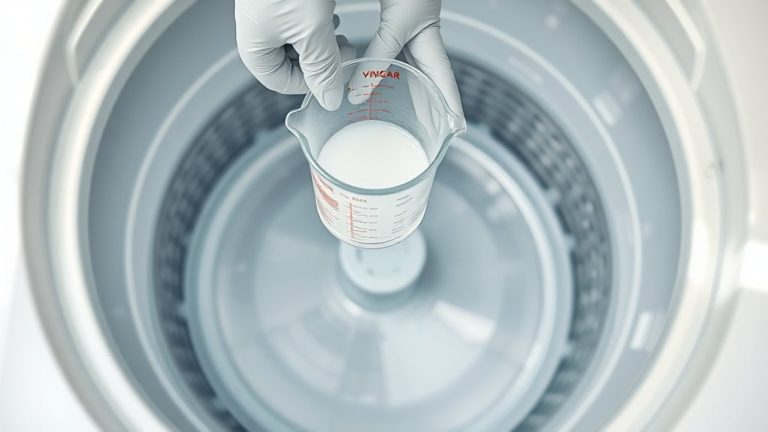
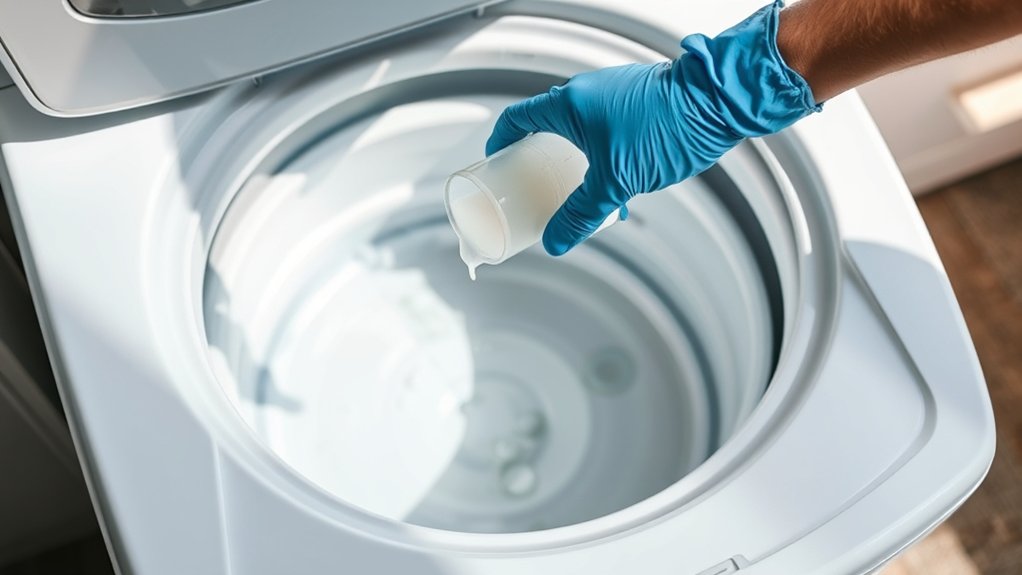
To clean your top-loading washing machine with bleach, first remove all laundry and unplug the washer. Add ½ cup of chlorine bleach into the drum or dispenser. Then, set the hottest, longest cycle and run it empty.
After that, follow with an additional hot water rinse. Leave the door open to air dry. This helps prevent moisture buildup inside the machine.
You should clean dispensers separately by soaking and scrubbing them with a bleach solution. Doing this regularly, about once a month, helps prevent mold and buildup.
Keeping your machine clean preserves its hygiene and performance. Plus, you can explore more tips on preventing odors and extending your machine’s longevity.
Benefits of Cleaning Your Top-Loading Washer With Bleach
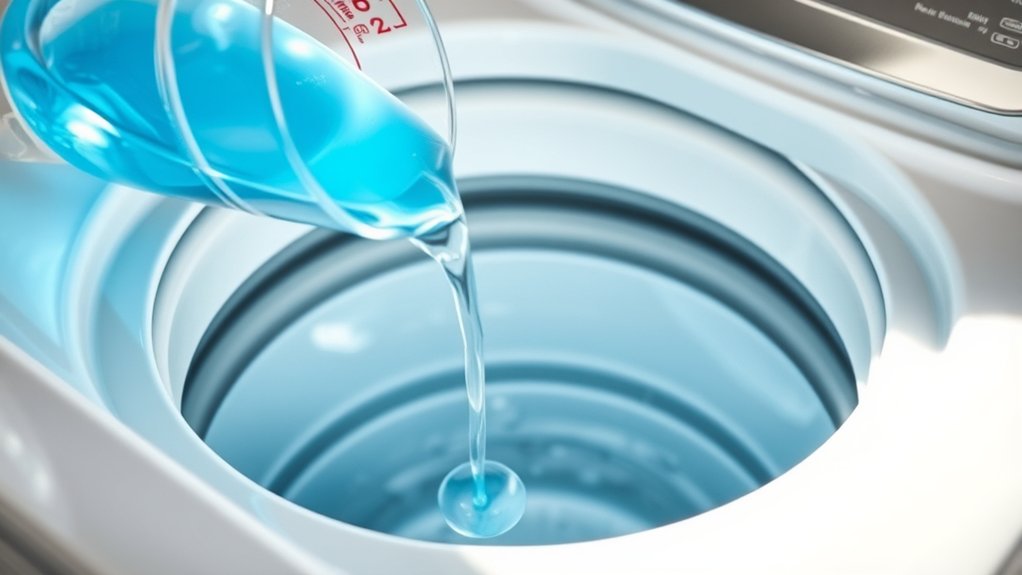
When you clean your top-loading washer with bleach, you actively eliminate mold, mildew, and bacteria that build up inside the drum and dispensers. Using bleach in a dedicated cleaning cycle also helps get rid of mineral deposits and soap scum, which can otherwise mess with your washer’s performance.
Cleaning your top-loading washer with bleach removes mold, mildew, bacteria, mineral deposits, and soap scum for better performance.
Regularly using bleach during cleaning cycles keeps unpleasant odors at bay, thanks to its ability to remove detergent residue and trapped moisture. This means your washer stays fresh and hygienic.
Plus, disinfecting your machine reduces the risk of cross-contamination, so your laundry smells great every time.
Bleaching your washer routinely also helps prevent corrosion and residue buildup, which can extend the life of your appliance.
Supplies You Need to Clean Your Washer With Bleach
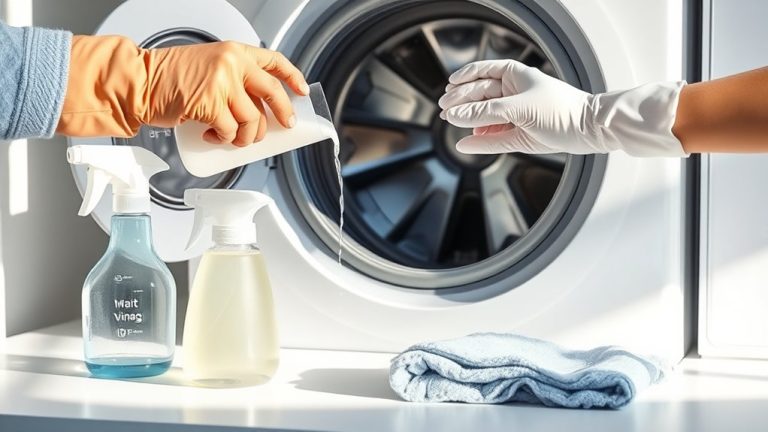
To clean your top-loading washer with bleach, you’ll want to gather a few essential supplies first. Make sure you have chlorine bleach that contains 5-6% sodium hypochlorite, a measuring cup, and a soft cloth or sponge ready to go.
Don’t forget to put on gloves to protect your skin from any bleach irritation while you’re working.
Also, set your washer to use warm or hot water — this helps the bleach clean more effectively.
Essential Cleaning Materials
Although cleaning a top-loading washing machine with bleach is straightforward, gathering the right materials guarantees effective and safe results. You’ll need chlorine bleach with a 5-6% concentration to disinfect and eliminate mold buildup during the cleaning cycle. Accurate dosing is vital, so use a measuring cup to add the recommended ½ cup of bleach.
A soft cloth or sponge helps you wipe down the exterior surfaces and control panels after the cycle finishes. To clean the dispenser thoroughly, a small brush can remove stubborn residues.
Remember, selecting the longest cycle with hot water maximizes the bleach’s effectiveness.
Here’s a quick list of essential materials:
- Chlorine bleach (5-6%) and measuring cup
- Soft cloth or sponge for wiping
- Small brush for cleaning dispenser components
Protective Gear Needed
Since bleach contains harsh chemicals that can irritate your skin and eyes, you must wear proper protective gear while cleaning your washer. Start by putting on protective gloves made of rubber to shield your skin from bleach exposure. Use safety goggles to prevent bleach splashes from reaching your eyes, ensuring full eye protection.
If you’re working in a poorly ventilated area, wear a face mask or respirator to avoid inhaling harmful fumes.
Always keep cleaning supplies, including bleach, out of reach of children and pets to maintain bleach safety.
Use microfiber cloths and small brushes to scrub and wipe surfaces gently without causing damage.
Following these precautions helps you safely handle bleach and maintain effective cleaning while protecting yourself throughout the process. It’s really important to take these steps so you stay safe and get the job done right.
How to Prepare Your Top-Loading Washer for Bleach Cleaning
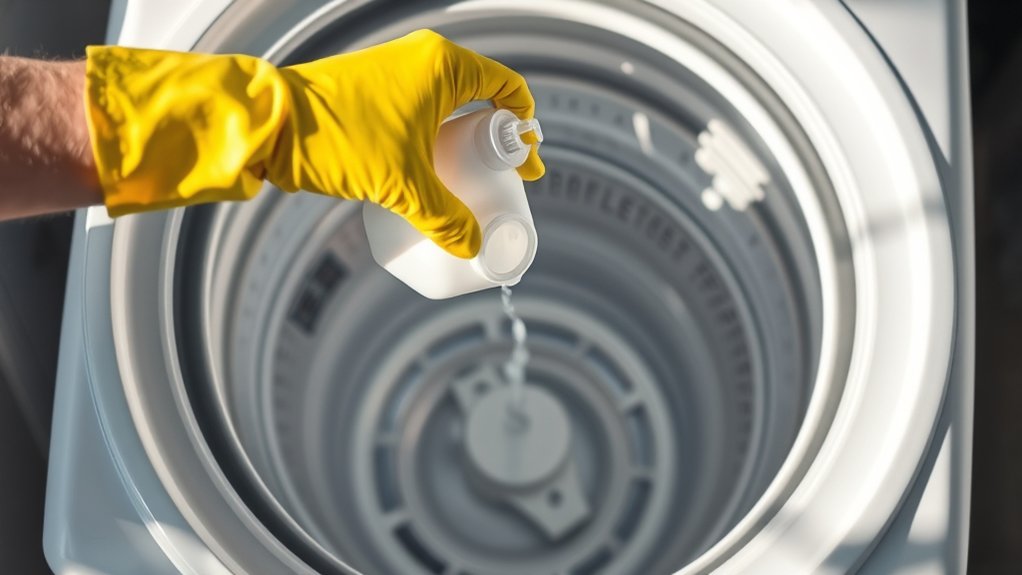
Before you get started, make sure your washing machine drum is completely empty. This helps avoid any interference during the cleaning process.
Next, gather all the supplies you’ll need—bleach, warm water, and any removable parts that you can soak. Having everything ready will make the bleach cleaning process go smoothly and thoroughly.
Empty Washer Drum
How do you prepare your top-loading washer for bleach cleaning? Start by making sure the empty washer drum is ready for effective bleach application. Follow these key steps:
First, remove all laundry and items from the drum to prevent contamination or damage during cleaning. Then, wipe down the inside of the drum with a damp cloth to eliminate loose dirt and residue before adding bleach.
Double-check that no objects, including detergent dispensers or removable parts, remain inside the drum. This helps ensure thorough cleaning.
Also, confirm the washing machine is turned off and unplugged if needed to safely access the drum. Preparing the empty washer drum this way maximizes the bleach’s cleaning efficiency, making sure your top-loading washer is sanitized and ready for use.
Gather Cleaning Supplies
Once you’ve emptied and prepared the washer drum, gather the necessary cleaning supplies to proceed with bleach cleaning. Collect a measuring cup, household bleach, a soft cloth, and warm water to guarantee effective cleaning.
Before starting, turn off and unplug the washer to avoid electrical hazards.
Remove any removable parts such as the dispenser tray and soak them in warm water mixed with a small amount of bleach for thorough disinfection.
Wear gloves to protect your skin from bleach exposure.
Use the clean cloth or sponge to wipe down the interior and exterior surfaces after applying the bleach solution.
Having these clean supplies ready will streamline the process and help maintain your top-loading washer’s hygiene efficiently. It’s always better to be prepared, so everything goes smoothly from start to finish.
How to Run a Bleach Cleaning Cycle in Your Washer
Although it’s essential to start with an empty washing machine, you’ll then add ½ cup of chlorine bleach directly into the drum or bleach dispenser. This step guarantees the bleach disperses effectively during the cleaning cycle.
Always begin with an empty machine before adding ½ cup of bleach for effective cleaning.
Next, set your top load washer to the hottest water temperature and select a full, heavy-duty cycle to maximize sanitizing power.
Follow these steps to run the bleach cleaning cycle:
- Confirm the washer is empty to avoid fabric damage.
- Add ½ cup of bleach into the drum or designated dispenser.
- Start the hottest, longest cleaning cycle.
This process allows bleach to circulate thoroughly, disinfecting and removing residue. Avoid interrupting the cycle to maintain cleaning efficiency and prevent damage to your washer’s components.
How to Rinse Your Washer After Bleach Cleaning
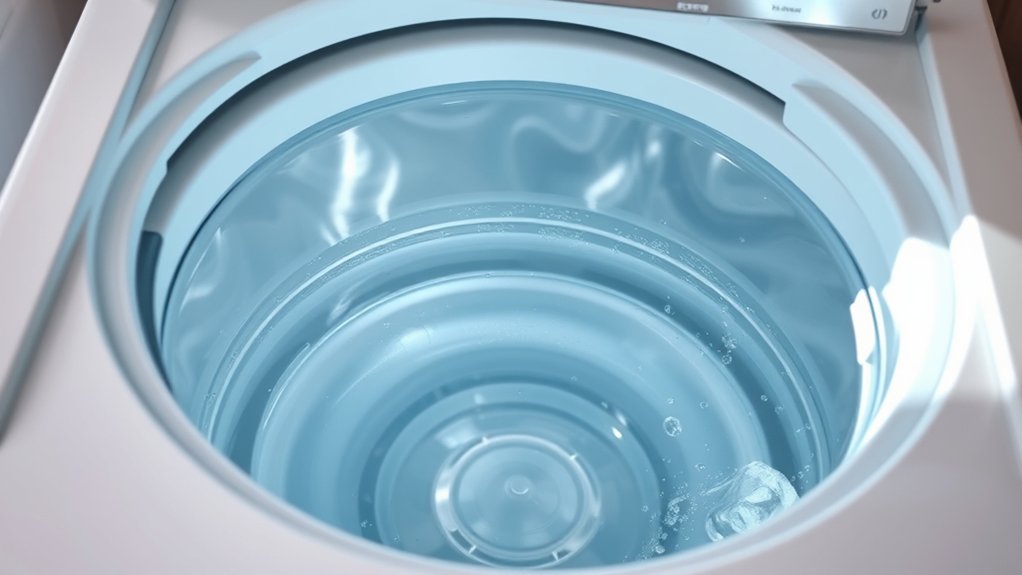
Why is rinsing your washer after a bleach cycle critical? It removes any lingering bleach residue that can damage fabrics or cause odors.
To rinse your washer effectively, run an additional rinse cycle using plain hot water only. Avoid adding detergents or other cleaning agents to prevent unwanted chemical reactions.
The hot water helps break down and flush out residual bleach from the drum.
After completing the rinse cycle, leave the washer door open to air dry the interior thoroughly. This step prevents mold and mildew growth caused by moisture buildup.
Finally, check for any bleach smell. If it persists, run another rinse cycle with plain water until the odor disappears completely. This ensures your washer is safe and fresh for the next use.
How to Clean Dispensers and Hoses for Better Washing
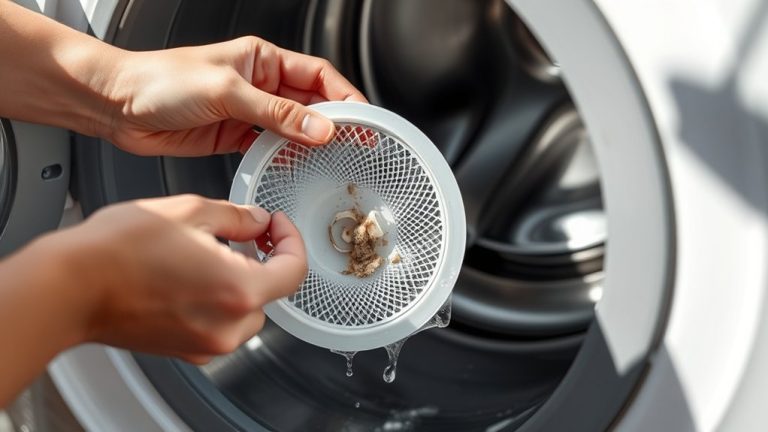
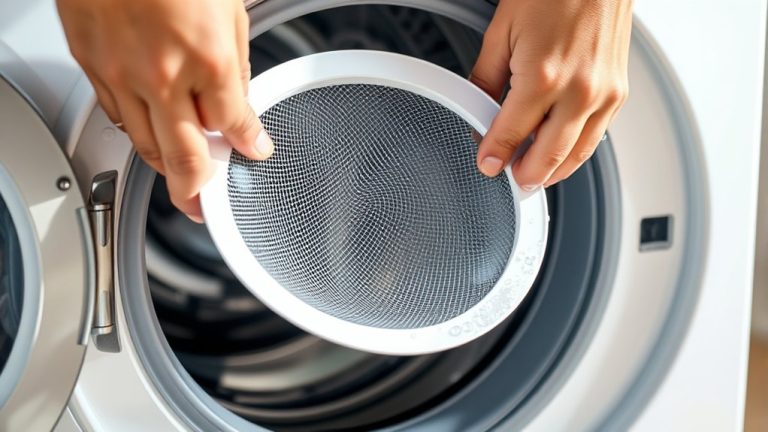
To maintain ideal washing performance, you should clean the detergent and fabric softener dispensers regularly. Start by removing the dispensers and soaking them in warm water mixed with a small amount of bleach to break down residue.
Then, scrub the dispensers thoroughly with a small brush or toothbrush, focusing on corners and crevices to remove buildup. Rinse the dispensers completely with clean water to eliminate any bleach or soap residue.
After that, reinstall the dispensers securely, making sure they’re properly aligned to prevent leaks or blockages.
Also, don’t forget to periodically run an empty hot water cycle with bleach. This helps flush out mold, mildew, and detergent buildup inside the hoses and dispensers, keeping your washer running at peak efficiency.
Tips to Prevent Mold and Mildew in Your Washer
When you leave the washing machine door open after each load, you allow moisture to evaporate, which considerably reduces the risk of mold and mildew growth.
To further prevent mold and mildew, regularly clean the rubber gasket and door seal with disinfecting wipes, removing trapped grime and spores.
Follow cleaning instructions to remove and sanitize dispensers, as detergent residue can harbor mold in hidden crevices.
Always confirm the washer drum is completely dry before closing the door to minimize damp environments.
Incorporate a monthly cleaning cycle using the hottest water and bleach to kill residual mold spores and maintain drum sanitation.
How Often to Clean Your Top-Loading Washer With Bleach
Although the ideal cleaning interval varies based on usage and environment, you should clean your top-loading washer with bleach about once a month to prevent mold and odors effectively. Regular cleaning keeps your washing machine fresh and guarantees odor prevention by removing detergent buildup, mold, and mildew.
Adjust the frequency depending on your situation: For typical use, clean with bleach once every month. If your washer handles heavy loads or operates in a humid environment, increase cleaning to every two weeks.
And if you notice persistent odors or after approximately 30 loads, go ahead and clean with bleach immediately to keep your washer performing at its best. Following this schedule helps keep your washer fresh and prolongs its lifespan, making odor prevention easy and consistent.
Frequently Asked Questions
Can Bleach Damage My Washing Machine’s Parts?
Yes, bleach can damage your washing machine’s parts if used improperly. It can degrade rubber seals and hoses, weaken plastic components, and cause discoloration or corrosion on metal parts.
To prevent damage, always use bleach sparingly and avoid prolonged contact. Make sure to follow the manufacturer’s instructions carefully.
After cleaning, run a rinse cycle to remove any leftover bleach. This helps minimize chemical exposure and keeps your machine’s internal parts in good shape.
Is It Safe to Use Bleach With All Laundry Detergents?
You might think bleach pairs well with all detergents, but it doesn’t. Mixing bleach with certain detergents, especially those containing ammonia or enzymes, can release harmful fumes or weaken cleaning power. So, it’s best to be careful with what you mix bleach with.
Always add bleach separately during the wash cycle. Never combine it directly with detergent. This helps keep everything safe and effective.
Make sure to follow manufacturer guidelines carefully. Doing so helps you avoid fabric damage, residue buildup, or even harm to your washing machine. Using bleach safely means respecting these compatibility rules for effective, damage-free cleaning.
What Should I Do if I Accidentally Spill Bleach Inside the Washer?
If you spill bleach inside the washer, immediately turn off the machine to prevent damage. Carefully remove any remaining bleach from the drum.
Rinse the affected area thoroughly with cold water to dilute and eliminate residue.
Wipe the spill site with a damp cloth to neutralize leftover bleach.
Finally, run an extra rinse cycle with plain water to flush out bleach from the drum and hoses.
Be sure to avoid mixing any other chemicals afterward.
Can I Use Bleach to Clean a Washing Machine With a Fabric Softener Dispenser?
Yes, you can use bleach, but never pour it directly into the fabric softener dispenser. Remove the dispenser first and clean it separately with warm water and mild detergent.
Add bleach directly to the drum during a hot wash cycle to disinfect the machine and eliminate mold.
Always check your washing machine’s manual to make sure bleach is safe for your model.
This helps avoid damage to the dispenser or other parts. It’s a simple step that keeps your machine clean without any trouble.
How Long Should I Wait to Use the Washer After a Bleach Cycle?
You should wait at least 10-15 minutes after a bleach cycle before using your washer again. Studies show that bleach fumes typically dissipate considerably within this time frame, which helps reduce fabric damage and skin irritation risks.
Make sure you ventilate the laundry area during and after the cycle to help clear fumes faster. It really makes a difference.
Always check your washer’s manual—some models might recommend different wait times for the best safety and performance.
Conclusion
Regularly cleaning your top-loading washing machine with bleach is crucial for keeping it running well and staying hygienic. Studies show that 90% of washers develop mold or mildew within a year if they aren’t properly cared for.
By following the steps of prepping, running a bleach cycle, rinsing thoroughly, and cleaning dispensers, you’ll help your machine stay fresh and efficient. It’s really not that hard once you get into the routine.
Consistent maintenance not only extends your washer’s lifespan but also prevents odors and improves laundry results. So, make it a habit for the best outcomes. You’ll thank yourself later!