How To Clean A Public Washing Machine Before Use – Safety Guide
Before using a public washing machine, sanitize it to avoid bacteria, mold, and fungi. First, inspect the drum, rubber seals, and detergent drawer for residue or odors. Run a hot water cycle with either diluted bleach or vinegar to disinfect the interior safely, but don’t mix these two.
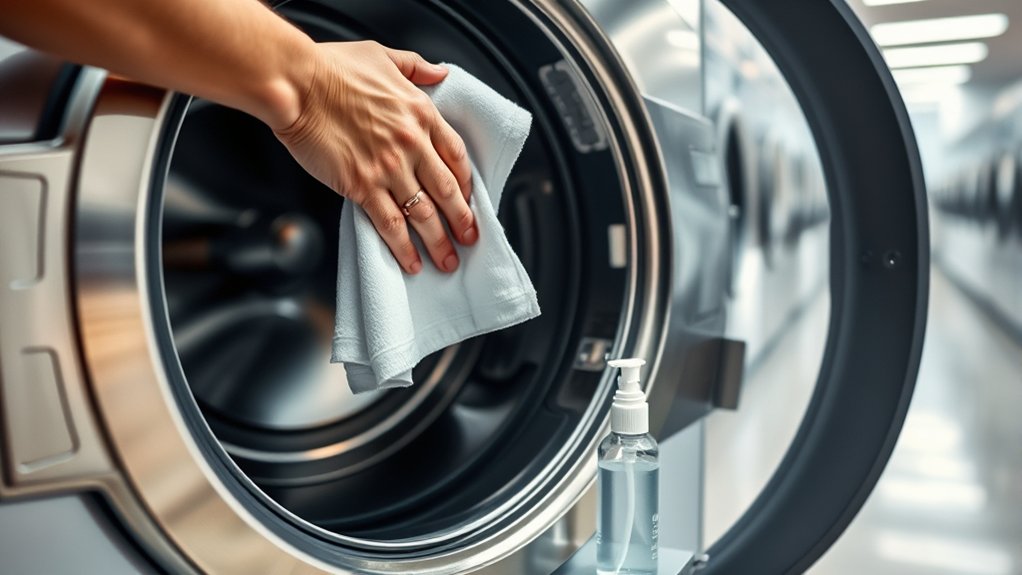
Wipe down the door seals and control panels with antibacterial wipes. Keep your hands clean and consider gloves for extra protection. Following these steps guarantees safer laundry.
And if you want, you can explore further for detailed maintenance and hygiene tips.
Why You Should Sanitize a Public Washing Machine Before Use
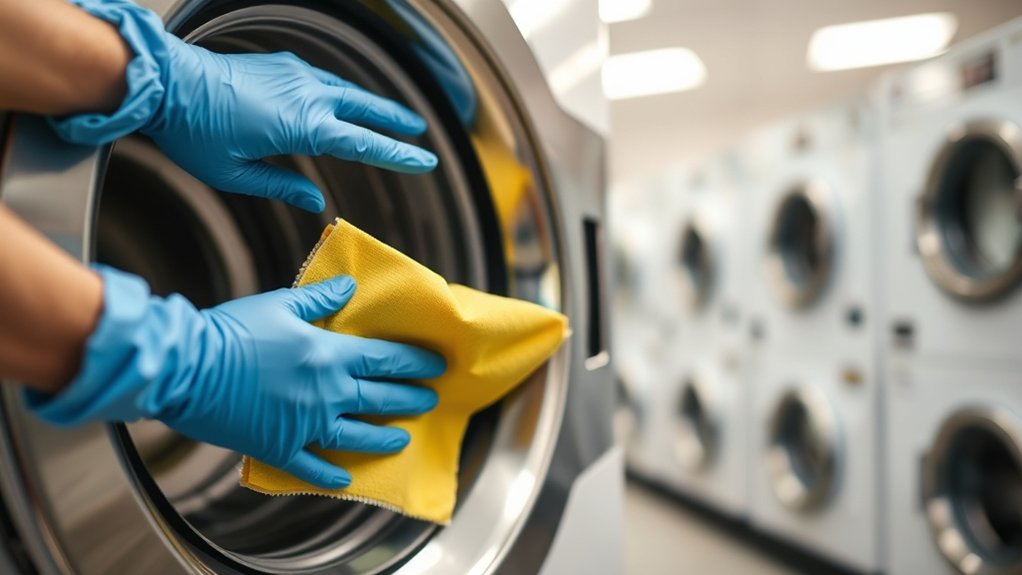
Because public washing machines often have damp areas like door seals and detergent drawers, they can harbor bacteria, mold, and fungi that pose health risks. You should always sanitize these machines before use to eliminate harmful microorganisms left by previous users.
In communal laundry settings, the warm, moist environment inside the machine creates ideal conditions for contamination. That’s why sanitization is essential.
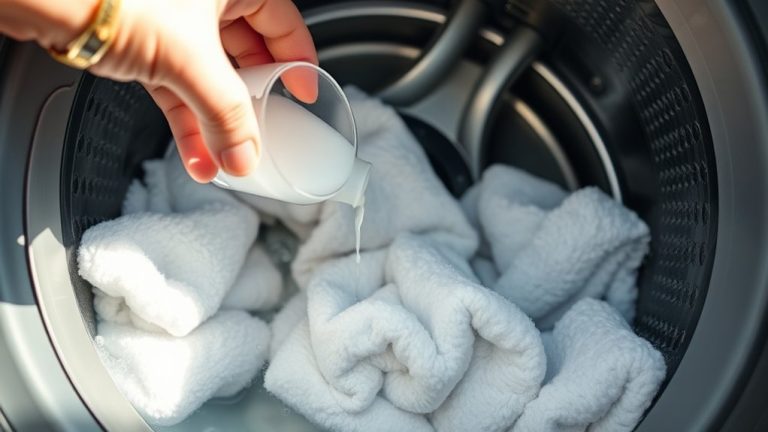
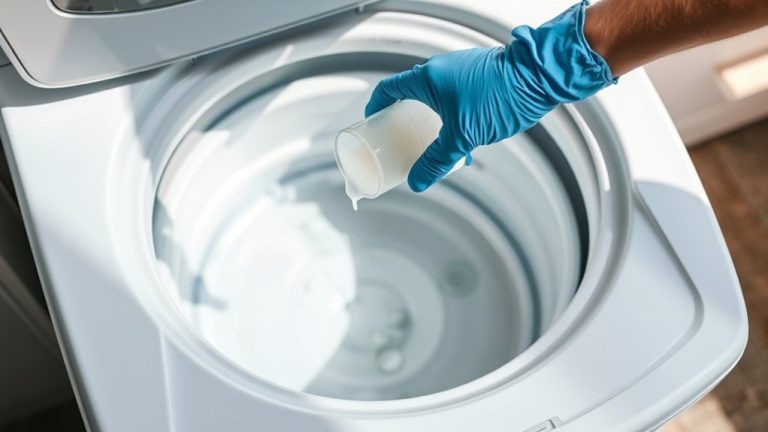
To sanitize effectively, run a hot water cycle with one cup of chlorine bleach or two cups of white vinegar. This not only disinfects the machine but also helps reduce odors.
How to Inspect a Washing Machine for Cleanliness
Before you start using a public washing machine, take a moment to check the drum and door seals for any visible residue or mold. It’s a quick step but really worth it.
Also, don’t forget to peek inside the detergent drawer. Sometimes soap buildup can hide there, trapping moisture and germs.
Catching these little issues early on helps keep your laundry fresh and your clothes safe.
It’s a simple habit that makes a big difference!
Check Drum And Seals
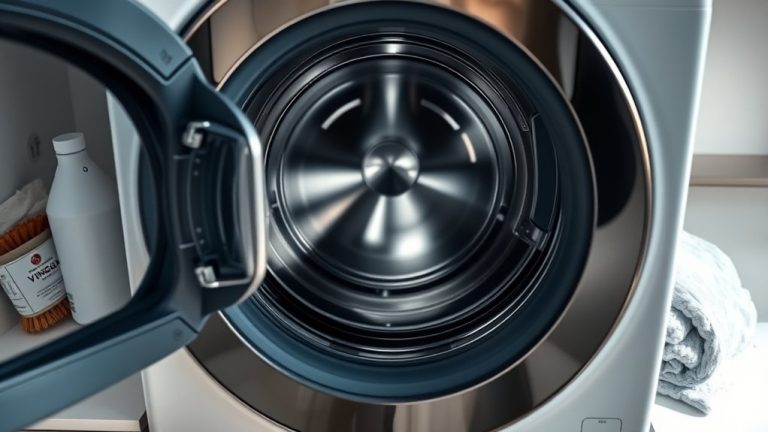
Start by carefully inspecting the washing machine drum and the rubber seals around the door, as these areas often trap moisture, debris, and mold.
Check the drum for any visible residue or stains that could harbor bacteria and cause unpleasant odors.
Then, examine the rubber seals closely for signs of mold buildup or trapped debris, which are common in these damp spots.
If you spot any mold or dirt, it’s best to clean them thoroughly before using the machine.
Pay attention to any unusual smells coming from the drum or seals, as this might indicate contamination needing immediate attention.
Ensuring these parts are clean helps protect your laundry from germs and keeps the machine running efficiently.
Inspect Detergent Drawer
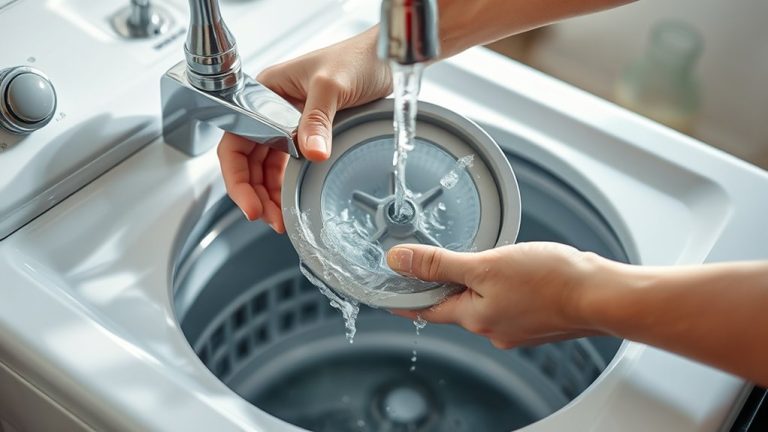
Pull out the detergent drawer and give it a thorough inspection for any residue buildup. Trapped moisture in the detergent compartment can promote bacteria and mold growth, especially in public machines.
To keep things hygienic, remove the drawer and rinse it under hot water to clear away detergent clumps or deposits.
Check for any lingering odors, which may signal mold. Wiping with vinegar helps neutralize these smells.
Make certain the drawer slides back easily without obstruction to maintain proper machine function.
- Rinse detergent compartment under hot water
- Look for residue buildup and deposits
- Detect and neutralize odors with vinegar
- Guarantee drawer inserts smoothly and fully
Regular inspection helps prevent mold and keeps the machine clean for your safety.
Look For Visible Residue
After checking the detergent drawer for buildup and odors, turn your attention to the washing machine’s interior and exterior for any visible residue.
Inspect the drum closely for stains or leftover grime. These can harbor bacteria and cause odors.
Don’t forget the rubber door seal. Look for mold or mildew there. It can trap moisture and cause smells that linger.
Check around the lint trap and other crevices for lint buildup. This often signals poor maintenance.
Finally, make sure the exterior is free from dirt and germs. If you spot any residue, use a suitable cleaning solution to wipe it away before starting your load.
Best Disinfectants to Sanitize Public Washing Machines
Effective disinfectants play an essential role in keeping public washing machines hygienic and safe for everyone to use.
Using the right cleaning agents helps eliminate bacteria, mold, and odors effectively. You can choose from several disinfectants depending on your preference and availability.
Consider these options to sanitize a public washing machine:
- Chlorine bleach: Dilute one cup in water and run a hot cycle to kill germs thoroughly.
- White vinegar: Add two cups during a hot wash to disinfect and neutralize odors naturally.
- Specialized cleaners: Use products like Affresh according to instructions for targeted machine cleaning.
- Antibacterial wipes: Wipe door seals, detergent compartments, and control panels to remove surface bacteria.
Always verify the machine is rinsed well and follow safety guidelines when handling these disinfectants.
It’s important to keep things safe while you clean!
Clean the Washer Drum and Door
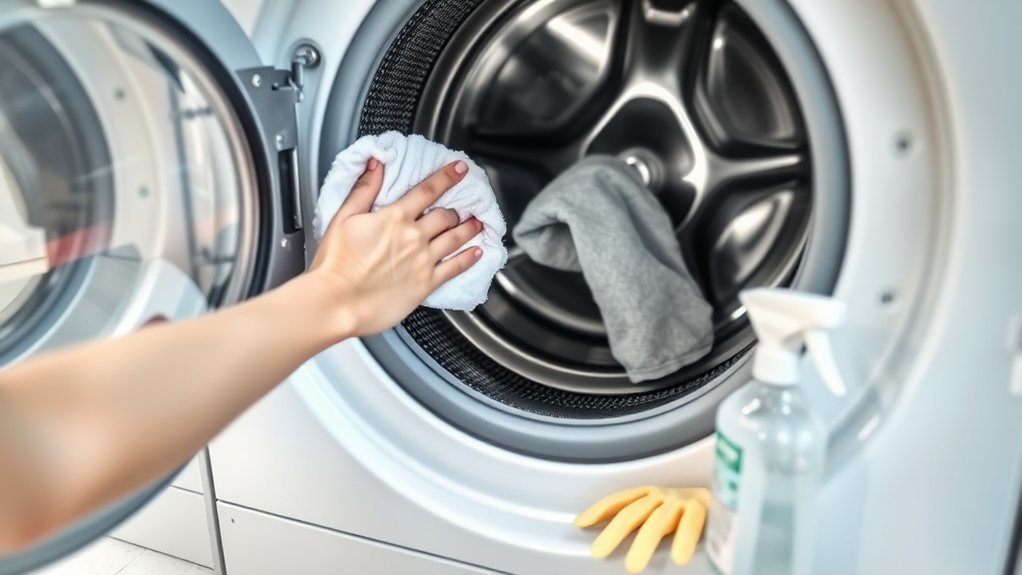
Before you start your load, it’s a good idea to sanitize the washer drum thoroughly. Just run a hot water cycle with some vinegar or bleach—this helps kill bacteria and germs.
And don’t forget about the door seals! They can trap moisture and mold, which lead to those unpleasant odors we all want to avoid.
Keeping these areas clean will make sure your clothes come out fresh and hygienic every time.
Sanitize Drum Thoroughly
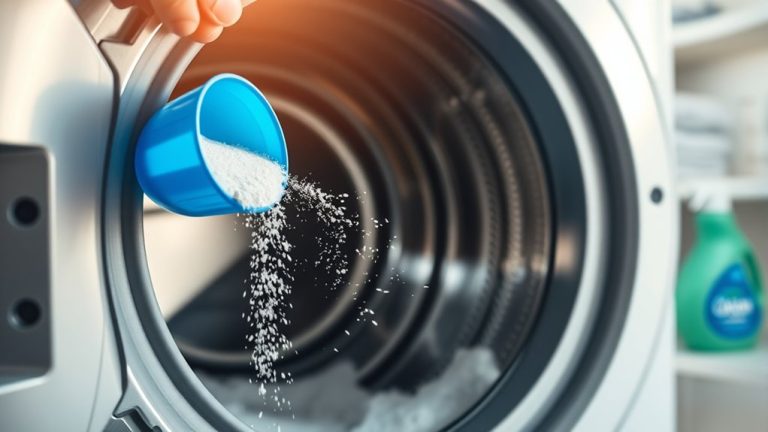
Start by running a hot water cycle with one cup of chlorine bleach to thoroughly sanitize the drum and eliminate bacteria and mold.
If you prefer a natural alternative, use two cups of white vinegar instead during a hot cycle to disinfect the interior.
Before loading your clothes, check the drum for any visible debris or residue to keep your laundry hygienic.
After the cycle finishes, wipe down the drum and door with an antibacterial wipe to maintain cleanliness.
Keep these tips in mind to sanitize the washer drum effectively:
Use bleach or vinegar for deep sanitation.
Inspect the drum for leftover dirt or residue.
Run a hot water cycle for maximum disinfecting power.
Wipe surfaces after sanitizing to prevent future contamination.
Clean Door Seals
Although cleaning the drum is essential, you shouldn’t overlook the door seals. They often trap moisture and dirt that encourage mold and bacteria growth. In communal laundry rooms, it’s really important to clean door seals thoroughly before use.
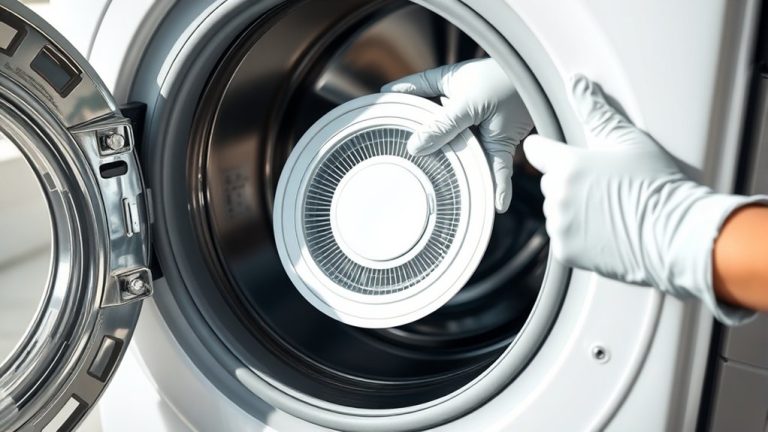
Start by inspecting the rubber gaskets and wiping them down with antibacterial wipes to remove grime and harmful microbes.
Don’t forget the crevices around the door and detergent drawers, where residue and moisture tend to accumulate. After cleaning, leave the door open to let the seals dry completely. This helps prevent mold from developing.
By making it a habit to clean door seals and sanitize the drum regularly, you’ll keep public washers more hygienic.
Plus, you’ll protect yourself from potential health risks linked to dirty machines.
Sanitize Detergent Dispensers and Control Panels
Wipe down detergent dispensers with a vinegar and water solution to remove residue, mold, and bacteria that can build up over time. This simple step guarantees a cleaner wash and reduces unpleasant odors.
After cleaning the dispensers, use disinfectant wipes on control panels to minimize germ transmission, especially since many users touch these surfaces.
Focus on these key areas:
- Hidden corners of detergent dispensers where moisture lingers
- Around control buttons on the panel
- Exterior surfaces of detergent dispensers
- Entire control panel area
Regular sanitizing prevents buildup, protects your clothes, and extends the machine’s lifespan.
Consistent cleaning stops residue buildup, safeguards your garments, and helps your washing machine last longer.
Taking these precautions keeps your laundry environment hygienic and safer to use every time.
Run a Hot Water Cycle to Sanitize Your Washer
One effective way to sanitize your public washing machine is by running a hot water cycle at 160°F (71°C) for at least 25 minutes. This high temperature helps kill harmful bacteria and pathogens lurking inside.
For better disinfection, add one cup of chlorine bleach directly into the drum before starting the cycle. Be sure not to mix chlorine bleach with vinegar to avoid toxic fumes.
After the cycle finishes, wipe down the interior surfaces and door seals to remove any leftover contaminants. Regularly running a hot water cycle with chlorine bleach, ideally once a month or after every 30 uses, keeps the machine hygienic and reduces mold growth.
Taking these precautions guarantees a safer, cleaner washer for your laundry. It’s a simple step that really makes a difference in keeping your clothes fresh and your washer in good shape.
Use Vinegar Safely to Sanitize Your Washer Naturally
You can use vinegar as a natural sanitizer to get rid of odors and disinfect your washer without resorting to harsh chemicals.
Just mix equal parts white distilled vinegar and water. Then, run a hot cycle to give the drum a thorough cleaning.
After that, make sure to follow up with a regular wash. This helps rinse out any leftover vinegar and keeps your machine in great shape.
Easy, right?
Vinegar Benefits Explained
Although many commercial cleaners promise spotless results, vinegar offers a natural and hypoallergenic alternative. It effectively removes odors, detergent residues, and mineral deposits from your washing machine.
Using vinegar for cleaning helps keep your machine fresh and can prevent buildup that affects performance. It’s also a safer way to sanitize without harsh chemicals.
So, if you’re looking for a simple and eco-friendly option, vinegar is a great choice.
Here’s why vinegar is beneficial for your washing machine:
- Dissolves detergent buildup and mineral deposits
- Eliminates bacteria and mold growth in the drum
- Acts as a natural fabric softener, leaving clothes soft
- Helps maintain the machine’s efficiency and extends lifespan
Proper Vinegar Usage
When using vinegar to sanitize a public washing machine, it’s important to mix it correctly and avoid combining it with other cleaners, especially bleach, to prevent harmful fumes.
To clean safely, mix one cup of white distilled vinegar with one cup of water and run a hot full wash cycle.
Vinegar is hypoallergenic and environmentally friendly, making it a great alternative if you’re sensitive to harsh cleaning agents.
After the vinegar cycle finishes, run a regular wash cycle to rinse out any residue and keep the machine running well.
Using vinegar regularly prevents buildup of detergent residue and mold.
This helps maintain a cleaner, healthier laundry environment without relying on harsh chemicals or other cleaning agents.
It’s an easy and effective way to keep things fresh!
Safety Precautions
Since vinegar is a natural and effective sanitizer, you must handle it properly to avoid any safety hazards.
When using vinegar to clean a public washing machine, follow important precautions that laundry facilities require to help prevent damage and health risks.
Always mix one cup of white distilled vinegar with one cup of water before running a hot wash cycle.
Confirm the washing machine is empty to avoid residue affecting future loads.
Never combine vinegar with bleach or other chemicals to prevent toxic fumes.
Run an additional rinse cycle after sanitizing to remove any leftover vinegar.
User Hygiene Tips While Doing Laundry
To protect yourself from germs while using public laundry facilities, make sure you sanitize your hands both before and after handling the machines. Practicing good user hygiene helps minimize the risk of spreading bacteria and viruses.
Use antibacterial wipes to clean the machine’s exterior, door seals, and detergent drawers before you start.
Avoid touching your face during laundry to prevent transferring any pathogens. You might also want to consider wearing disposable gloves while loading and unloading clothes for a little extra protection.
Once you finish, wash your hands again right away to get rid of any lingering germs.
Also, don’t leave wet clothes sitting inside the machine because this can promote mold and bacteria growth.
Keeping up with these habits guarantees a safer, cleaner laundry experience every time you use shared machines. It’s really worth it!
Dry and Air Out the Washing Machine After Cleaning
After cleaning your public washing machine, always leave the door open for at least 30 minutes to let moisture evaporate and stop mold and bacteria from growing. Properly drying the machine helps keep it fresh and safe for your laundry.
Leave the washing machine door open 30 minutes after cleaning to prevent mold and keep it fresh.
To guarantee the machine is thoroughly dry and aired out:
- Wipe down the drum and seals with a dry cloth to remove residual moisture.
- Make sure the detergent drawer is completely dry before closing.
- Regularly clean the lint filter to prevent moisture buildup.
- Use a fan or place the machine in a well-ventilated area for better airflow.
Doing these simple steps really makes a difference. It keeps your washing machine in good shape and your clothes smelling fresh.
Personal Hygiene to Prevent Contamination in Laundry Rooms
Many people overlook the importance of personal hygiene when using public laundry rooms, but keeping your hands clean and using some protective measures can really cut down on contamination risks.
Laundry facilities often ask you to sanitize your hands before and after using machines to help limit the spread of germs.
It’s a good idea to bring antibacterial wipes with you. You can use them to disinfect surfaces like the drum and door seals before starting your load.
Also, try not to touch your face while handling laundry — it’s an easy way to accidentally contaminate yourself.
Using a clean, dry laundry basket to carry your clothes helps reduce the chance of bringing contaminants into the machine.
Plus, wearing disposable gloves gives you an extra layer of protection against bacteria in shared spaces.
Frequently Asked Questions
Can I Use Bleach Instead of Vinegar to Sanitize the Machine?
Yes, you can use bleach instead of vinegar as a sanitizing agent for machine maintenance.
Bleach effectively kills bacteria and removes buildup when you run a hot water cycle with the machine empty. Just don’t mix bleach with vinegar, as that creates harmful fumes.
After sanitizing with bleach, run a regular cycle to rinse any residue. This keeps the machine clean and safe for your laundry without causing damage.
It’s a simple way to maintain your machine and make sure it stays fresh.
How Often Should Public Washing Machines Be Professionally Cleaned?
Think of public washing machines as busy crossroads where germs gather like traffic jams. You should follow frequency guidelines and have them professionally cleaned every 1 to 3 months to keep things flowing smoothly.
High-traffic laundromats need even more frequent attention.
Cleaning protocols guarantee every nook, from seals to detergent drawers, is sanitized. Staying on top of this prevents unpleasant surprises, so you don’t get caught in a hygiene gridlock during your wash.
Are Front-Loading Washers More Hygienic Than Top-Loading Ones?
Yes, front-loading washers offer clear benefits when it comes to washing machine hygiene.
You’ll find they use less water and have better seals, which reduce mold and bacteria buildup.
Their efficient rinsing also cuts down on detergent residue, keeping the drum cleaner than top-loaders.
What Should I Do if I Find Mold Inside the Machine?
If you find mold inside the machine, report it to management right away to guarantee proper cleaning.
You should wear gloves and a mask to protect yourself during any inspection or cleaning.
Use a bleach or vinegar solution separately to scrub moldy areas, then run a hot water cycle to rinse.
Follow mold prevention tips and practice regular washing machine maintenance to keep the machine safe and hygienic for everyone.
Is It Safe to Leave Laundry Unattended in a Public Washer?
You shouldn’t leave your laundry unattended in a public washer because it increases the risk of laundry theft and disrupts machine maintenance schedules.
Leaving clothes behind can frustrate other users waiting for machines and may violate laundromat policies.
To keep your laundry safe and respect others, set a timer or stay nearby.
Promptly removing your clothes helps maintain cleanliness and guarantees machines stay in good working order for everyone.
Conclusion
Just like a knight preparing for battle, you should arm yourself by sanitizing public washing machines before use. Taking these simple steps guarantees you’re not inviting unseen foes, germs and bacteria, into your clothes. By inspecting, disinfecting, and practicing good hygiene, you protect yourself and others.
Remember, a clean washer isn’t just about spotless laundry; it’s about safeguarding your health in the shared arena of public laundry rooms. Stay vigilant and clean for every load.