Is Persil Bad For The Environment – Fact Check
Persil can harm the environment, but the impact depends on the formula and how you use it. Some ingredients may pollute waterways, encourage algae growth, and harm aquatic life. Plus, plastic bottles and shipping add waste and emissions.
You can reduce your impact by choosing concentrated or certified lower-impact detergents. Follow recycling instructions and wash clothes in cold water. Check the ingredient list and packaging claims before you buy. The details below explain what to look for.
Is Persil Bad for the Environment?
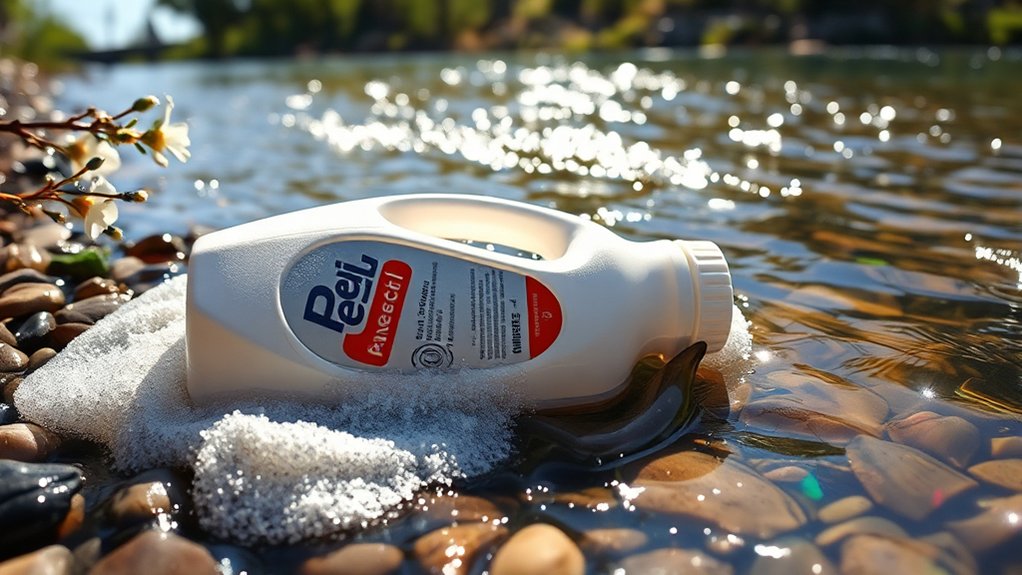
Is Persil bad for the environment? It can be, especially when you consider the effects of producing, transporting, and disposing of its products. Some Persil detergents contribute to water pollution and eutrophication, which can damage aquatic ecosystems.
You may also add to greenhouse gas emissions when you choose bulky liquid formulas. Their production and transportation require significant energy.
Many traditional Persil products come in plastic packaging, which adds to landfill waste and plastic pollution.
Persil has taken steps toward sustainability, including offering concentrated formulas, but its overall impact remains a concern compared with options such as detergent sheets.
If you’re trying to reduce your laundry-related ecological footprint, choosing Persil over a more eco-friendly alternative may work against that goal.
Your choice matters, though no single product determines your entire environmental impact.
What’s in Persil, and Do Formulas Vary?
Persil’s environmental impact depends partly on what’s in the formula: most versions use surfactants, enzymes, and cleaning additives, while ingredients and their effects vary by product and region.
Some formulas may also contain phosphates, so check the label rather than assuming every Persil detergent has the same ingredients.
Persil formulas can vary, so check the label to see whether a specific detergent contains phosphates.
Product lines differ, and versions marketed as “green” or “bio” may offer a more eco-friendly option.
Persil has also worked to reduce its environmental footprint by removing certain harmful chemicals and using more sustainable packaging.
These changes don’t make every formula identical or impact-free.
To choose a product that suits your priorities, compare ingredient lists and packaging claims for the specific version sold where you live.
Your choices during laundry matter, too: using the recommended amount and washing at a lower temperature can reduce resource use.
Can Persil Harm Water and Aquatic Life?
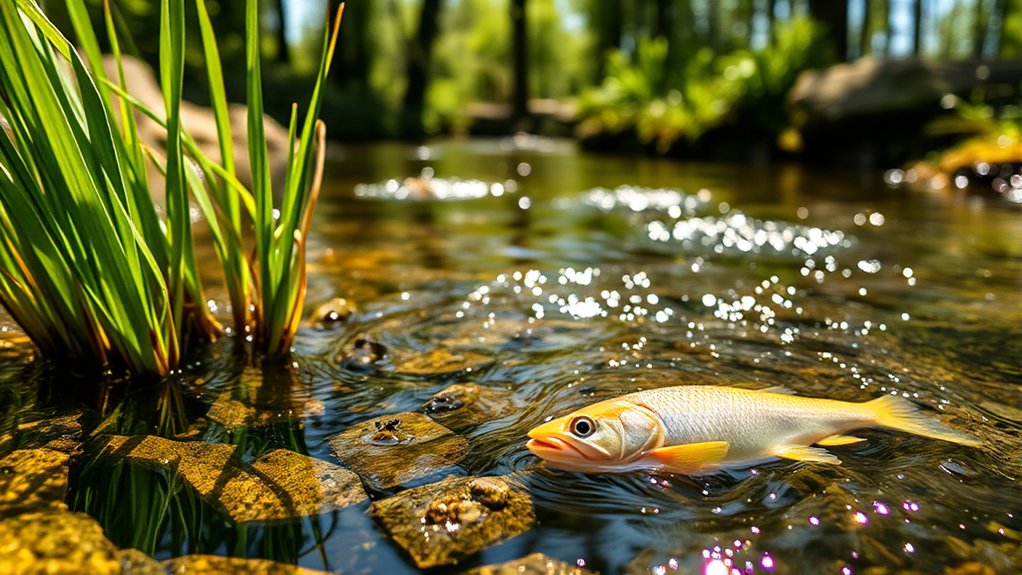
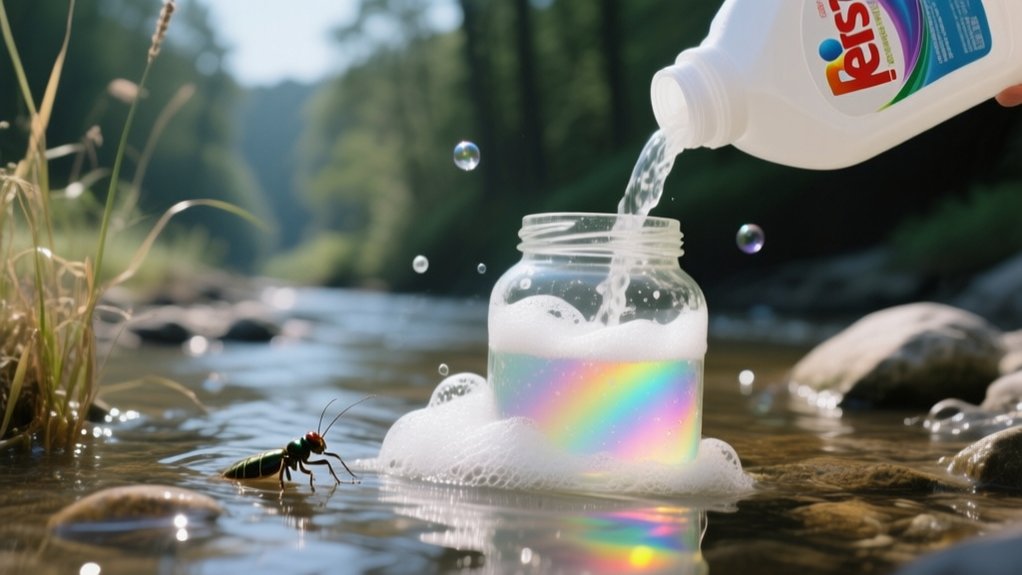
When detergent enters waterways, its effects can extend beyond cleaning clothes. Persil, like many conventional detergents, may contain phosphates and surfactants that encourage excess algae growth. As algae die and decompose, they use oxygen, leaving less for fish and other aquatic organisms. This process, called eutrophication, can damage entire water bodies.
Manufacturing can also release chemicals that reach waterways and disrupt aquatic ecosystems. Some Persil formulations may contain ingredients that don’t readily biodegrade, allowing them to persist in aquatic habitats.
Research on conventional detergents links their chemicals to long-term toxicity, including effects on aquatic species’ growth and reproduction. The degree of harm depends on the formula, amount released, and local conditions.
You can reduce potential impacts by using only the recommended dose and choosing a suitable, lower-impact detergent when available. Don’t assume every formula carries identical risks.
Do Persil Packaging and Shipping Create Waste?
Although packaging varies by product, Persil’s liquid detergents can create substantial waste. Bulky bottles add plastic, and their weight and volume require more energy to ship than compact alternatives such as detergent sheets.
Some bottles use materials that aren’t recyclable, so you may find them in landfills. Other Persil packages may be recyclable, but unclear instructions can leave you unsure how to dispose of them correctly.
| Issue | Environmental effect |
|---|---|
| Plastic bottles | More packaging waste |
| Non-recyclable materials | Landfill disposal |
| Unclear labels | Improper sorting |
| Heavy liquid loads | Higher shipping emissions |
| Bulky products | More transport trips |
When you buy and use these products, packaging and delivery both contribute to their footprint. The overall impact remains significant, even though packaging varies across Persil products.
What Are Greener Alternatives to Persil?
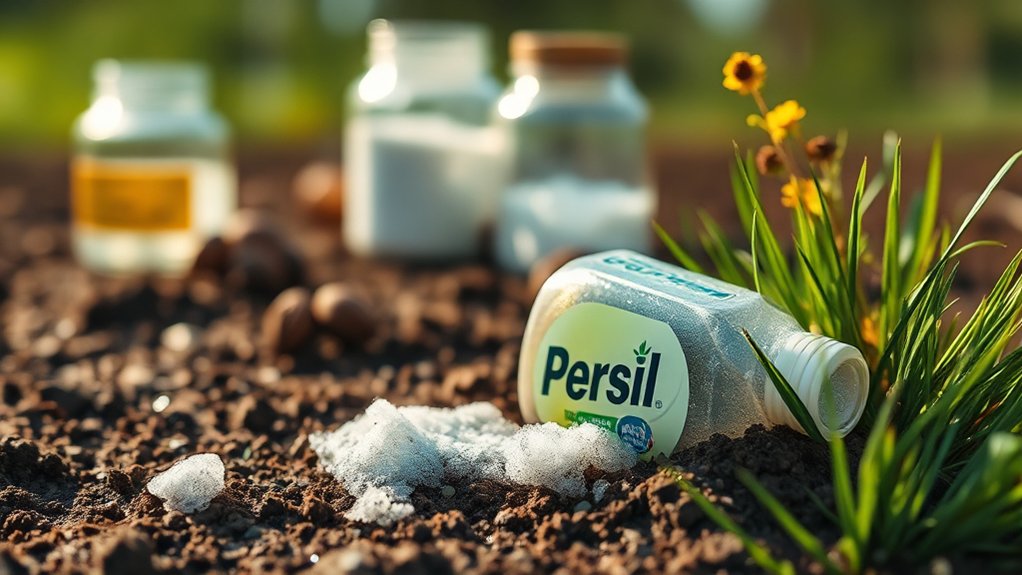
You can reduce your laundry’s environmental impact by choosing concentrated detergents or sheets, which use less packaging and take up less space during shipping.
These lighter options can also lower transport-related carbon emissions.
For a liquid detergent, consider Ecover or Seventh Generation; both use biodegradable ingredients and recyclable packaging.
Zero Trace is another alternative that avoids harmful chemicals and can help reduce water pollution.
Check product labels, since formulas and packaging vary.
Look for the EPA’s Safer Choice label to find products that meet strict environmental and health standards.
You can also wash clothes in cold water with an eco-friendly detergent.
Compared with hot-water washing, this can save up to 80% of energy, helping you cut your household’s carbon footprint without changing your laundry routine considerably.
Frequently Asked Questions
Is Persil Tested on Animals?
Persil says it doesn’t test its products on animals for cosmetic safety, but you should know that regulations in some markets may require animal testing.
In the European Union, where cosmetics testing on animals is banned, Persil products aren’t tested on animals.
The brand’s parent company says it’s working to reduce animal testing and develop alternatives.
If you’re choosing cruelty-free products, check Persil’s current statements and look for independent certifications before buying.
Is Persil Safe for People With Sensitive Skin?
Yes, Persil’s sensitive-skin products can be a softer landing for easily irritated skin.
You’ll find some variants labeled “Dermatologically Tested” and formulated without dyes or parabens, which may reduce exposure to common irritants.
However, “gentle” isn’t a guarantee. Your skin may still react, and formulas differ.
Check the label, then patch-test a small amount of freshly washed fabric before regular use.
If irritation develops, stop using the detergent and seek medical advice.
How Should Persil Be Stored Safely at Home?
Store Persil in a cool, dry place away from direct sunlight and heat sources like radiators or stoves.
Keep the detergent tightly sealed in its original packaging to prevent spills and contamination.
Place it somewhere children and pets can’t reach to reduce the risk of accidental ingestion or exposure.
Check the package’s expiration date regularly and dispose of expired product properly.
Always follow the storage and safety instructions printed on the label.
Can Persil Be Used in Septic Systems?
You can use Persil in a septic system, but choose carefully and follow the label’s dosing instructions.
Excessive detergent may disrupt beneficial bacteria, while some ingredients may not break down readily and could affect system performance.
Check your specific Persil formula for septic-system guidance, and don’t overuse it.
If you’re unsure whether your product suits your system, ask a septic professional for advice on safer laundry options.
What Certifications Does Persil Have for Sustainability?
Persil’s sustainability certifications vary by product and market, so you should check the label for the exact claim.
Some Persil products carry the EU Ecolabel, a recognized certification that sets strict environmental criteria.
That distinction matters: a certification offers independently assessed standards, while broader sustainability pledges describe company goals.
You can also look for product-specific information on biodegradability, packaging, and cold-water performance to understand what environmental benefits apply to the detergent you’re considering.
Conclusion
Persil isn’t automatically bad for the environment, but it isn’t impact-free either. Its ingredients, packaging, and transport can all contribute to pollution and waste. The exact effects depend on the formula and how you use it.
So, is the theory that Persil harms the planet true? It’s partly true. You can reduce your footprint by using the recommended dose, choosing concentrated products, and comparing ingredient and packaging claims before you buy.