Does Downy Expire – Here’s the Answer
Wondering whether that bottle of Downy sitting in your laundry room is still good to use? You’re not alone, and many people struggle with figuring out if fabric softener has gone bad. It’s frustrating to waste money on products that may not work the way they should, so let’s clear it up.
Yes, Downy fabric softener does expire, usually within 2 to 3 years, especially if not stored properly. Over time, its active ingredients break down, reducing softness and fragrance effectiveness.
You might notice clumping, separation, or a weaker scent when it’s past its prime. Using expired Downy can leave your clothes less soft and fresh.
Proper storage and disposal are important to maintain quality and safety, keep exploring for tips on how to handle and extend your Downy’s life.
What’s Inside Downy Fabric Softener?
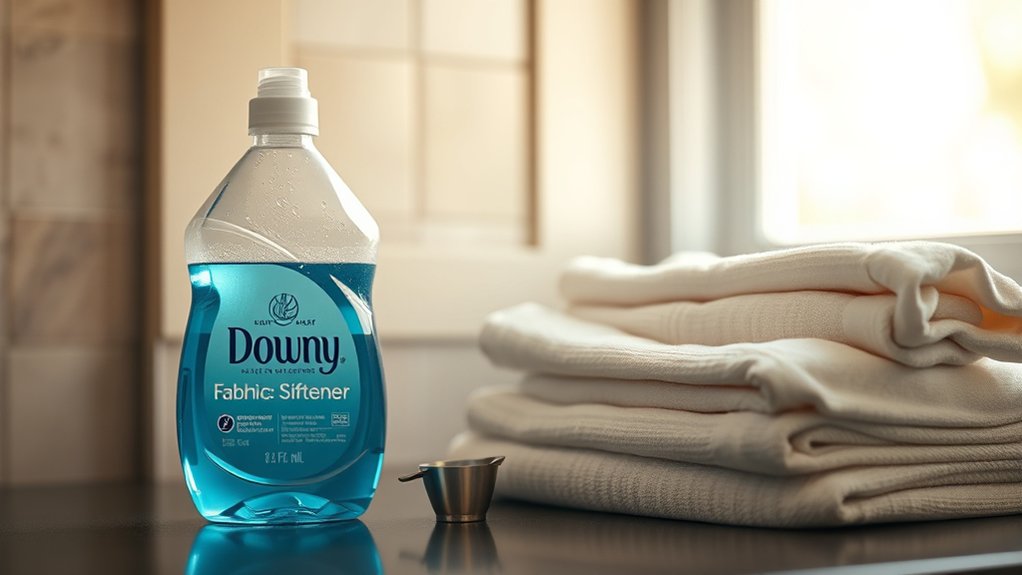
Although you might focus on its softening power, Downy fabric softener contains several key ingredients that work together to enhance your laundry experience.
Cationic surfactants are the active agents that soften fabrics and reduce static cling effectively during washing. Emulsifiers play a vital role by evenly distributing these ingredients throughout your clothes, ensuring consistent softness.
Additionally, Downy is infused with fragrances, giving your laundry a long-lasting pleasant scent. The product also includes colorants, which improve its visual appeal on the shelf.
To maintain effectiveness over time, preservatives are added, extending the shelf life of the fabric softener.
Understanding these components helps you appreciate why Downy performs so well in delivering soft, fresh-smelling clothes after every wash.
How Long Does Downy Fabric Softener Last?
How long does Downy fabric softener remain effective once you bring it home? Typically, it lasts 2-3 years if stored properly.
Over time, the active ingredients like cationic surfactants break down, reducing its ability to soften and prevent static.
Using expired Downy can leave your clothes stiff or less fresh.
Keep in mind these key points about Downy’s lifespan:
- Shelf life is about 2-3 years in a cool, dry place away from sunlight
- Signs of expiration include clumping, separation, or fragrance changes
- Expired softener loses its effectiveness on fabric
- Always check the product label for storage and disposal guidelines
How to Store Downy to Keep It Fresh
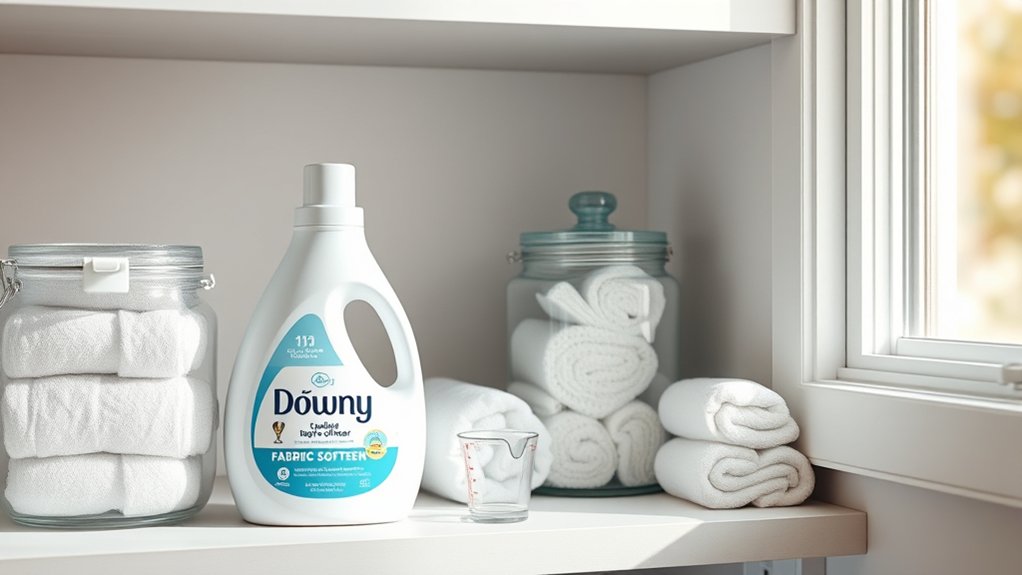
To keep your Downy fabric softener fresh and effective, store it in a cool, dry place between 50°F and 85°F (10°C to 30°C) and always keep the container tightly sealed. Avoid direct sunlight and heat sources, as these can degrade the active ingredients.
Make sure the container stays clean and free from contamination to maintain product integrity.
| Storage Tip | Reason |
|---|---|
| Cool, dry place | Prevents ingredient degradation |
| Tightly sealed container | Minimizes evaporation and moisture |
| Away from sunlight | Protects from UV light damage |
| Avoid heat sources | Prevents breakdown of active ingredients |
| Clean container exterior | Avoids contamination |
Following these guidelines helps preserve Downy’s effectiveness, ensuring your laundry stays soft and fresh.
How to Spot Expired Downy Fabric Softener
When you notice changes in the texture or scent of your Downy fabric softener, it’s a clear sign the product may have expired. To accurately spot expired Downy, pay attention to these key indicators:
Changes in texture or scent of Downy fabric softener signal it may be expired and less effective.
- Clumpy, watery, or separated layers in the liquid, showing altered consistency.
- A dull or completely absent fragrance, indicating lost effectiveness.
- Clothes feeling rough, staticky, or lacking softness after use.
- Visual residue or dullness on garments, signaling product degradation.
Always check the product label for expiration dates and storage instructions to prevent using ineffective fabric softener.
What Happens If You Use Expired Downy?
Although expired Downy might seem harmless, using it can greatly reduce its effectiveness on your laundry. You’ll likely notice your clothes feel stiff and less comfortable since the softening agents lose potency over time.
Expired Downy may also leave residue on fabrics, causing dullness and potential discoloration. The fragrance can degrade, resulting in musty or unpleasant smells rather than the fresh scent you expect.
Additionally, expired fabric softener often fails to reduce static cling effectively, which means your clothes might come out more staticky after drying.
Beyond performance issues, using old Downy could irritate your skin due to ingredient degradation.
For these reasons, it’s best to avoid using expired Downy to maintain your laundry’s quality and comfort.
How to Safely Dispose of Old Downy Fabric Softener
Using expired Downy not only compromises your laundry’s quality but also raises concerns about proper disposal. To avoid environmental damage and health risks, you need to handle old fabric softener carefully.
First, check the label for any manufacturer-specific instructions.
Then, follow these key steps:
- Store expired Downy in a sealed container to prevent leaks.
- Never pour it down drains or toss it in regular trash to avoid contamination.
- Take it to your local hazardous waste disposal facility for safe handling.
- Contact your local waste management authority for tailored disposal guidance.
Natural Alternatives to Downy Fabric Softener
These options work best when you choose products matched to your laundry load.
Vinegar As Softener
When you want a natural alternative to Downy fabric softener, white vinegar offers an effective solution. By adding half a cup to your rinse cycle, you soften clothes and reduce static without harsh chemicals.
Vinegar also tackles odors and detergent residues, ensuring fresher laundry. It breaks down soap buildup and minerals in hard water, improving fabric cleanliness and softness. Plus, vinegar is eco-friendly, biodegradable, and safe for most fabrics.
Consider these benefits:
- Softens fabric naturally and reduces static cling
- Eliminates odors and detergent residues
- Enhances cleaning by breaking down soap and minerals
- Offers a sustainable, chemical-free option
You can even add essential oils for a customized scent without sacrificing vinegar’s natural advantages.
Wool Dryer Benefits
Although traditional fabric softeners like Downy remain popular, wool dryer balls offer a powerful, natural alternative that enhances your laundry routine.
They reduce drying time by 25% to 30%, saving energy and cutting utility costs. Wool dryer balls naturally soften fabrics without chemicals, making them an eco-friendly choice.
They also help reduce static cling, so your clothes come out feeling fresher and easier to manage.
You can reuse these balls for up to 1,000 loads, considerably reducing waste compared to disposable softener sheets.
Essential Oil Uses
Since many seek natural alternatives to traditional fabric softeners like Downy, essential oils offer a versatile and effective solution. You can easily enhance your laundry routine by using essential oils such as lavender, lemon, or eucalyptus. They provide natural fragrance and antibacterial benefits without harsh chemicals.
Try these practical uses:
- Add a few drops to wool dryer balls to soften clothes and reduce drying time.
- Infuse essential oils into washcloths or dryer balls for a fresh, customizable scent.
- Create a DIY fabric spray by mixing essential oils with water to refresh linens between washes.
- Benefit from their natural odor-fighting properties to keep fabrics fresher longer.
Incorporating essential oils is an eco-friendly, customizable approach that replaces traditional fabric softeners effectively.
Tips to Extend the Life of Your Downy Fabric Softener
Proper storage also keeps the product ready for the next step in care.
Proper Storage Practices
When storing your Downy fabric softener, keep it in a cool, dry place away from direct sunlight and heat to preserve its active ingredients. Proper storage extends its effectiveness and prevents degradation.
Always keep the container tightly sealed to minimize evaporation and maintain quality.
Avoid humidity, which can cause clumping or separation.
Follow these tips to guarantee ideal storage:
- Store in a well-ventilated, moisture-free environment.
- Seal the bottle securely after each use.
- Regularly inspect for dirt or water contamination.
- Adhere to any specific label instructions.
Avoiding Contamination Risks
Although proper storage is essential, avoiding contamination is equally important to extend the life of your Downy fabric softener. Always keep the container tightly sealed to prevent moisture, dirt, and airborne particles from compromising the product.
Store it in a cool, dry place away from direct sunlight to protect its active ingredients.
When dispensing, avoid metal utensils or containers, as they can trigger chemical reactions that reduce efficacy.
Regularly inspect the fabric softener for any signs of separation or clumping, which indicate contamination or expiration. If you notice these changes, dispose of the product responsibly, following local hazardous waste guidelines.
Frequently Asked Questions
Can Downy Fabric Softener Cause Allergies?
Yes, Downy fabric softener can cause allergies, especially if you have sensitive skin or respiratory issues. You may experience itching, rashes, or sneezing, so test a small amount first. If that happens, consider hypoallergenic alternatives.
Is Downy Safe for All Fabric Types?
No. About 70% of fabrics tolerate Downy well, but you should not use it on silk, wool, or moisture-wicking athletic wear. Follow the label instructions and test a small area first to avoid damage or reduced fabric performance.
Can Downy Be Used in High-Efficiency Washers?
Yes, you can use Downy in high-efficiency washers if you choose the HE-specific formula. Use the machine’s fabric softener compartment to help avoid residue buildup and excess suds.
Does Downy Soften Towels Better Than Other Brands?
Yes, Downy can soften towels better than many brands because its cationic surfactants penetrate fibers deeply, which helps reduce static cling and fluffiness. It also leaves a long-lasting fragrance that can keep towels smelling fresh between washes.
Can Downy Be Mixed With Other Laundry Products?
No, you shouldn’t mix Downy with bleach. You can use it with detergents, but in separate cycles. Avoid combining it with other softeners, since that can cause residue buildup and reduce fabric softness.
Conclusion
Now that you know Downy fabric softener typically lasts about two years when stored properly, you can confidently use it without worry. Curiously, around 30% of household cleaning products are thrown out prematurely due to confusion about expiration, so understanding how to spot expired Downy helps you avoid waste.
By storing it in a cool, dry place and checking for changes in texture or smell, you guarantee your laundry stays fresh and soft every time.