Is Ariel Laundry Detergent Toxic – The Truth
Ariel laundry detergent contains surfactants potentially contaminated with 1,4-Dioxane, a probable carcinogen. It also releases multiple volatile organic compounds (VOCs) that can trigger allergies and respiratory issues.
Its fragrances and brighteners may cause skin irritation and accumulate in the environment. Ariel PODS pose ingestion risks for children, leading to severe health effects.
Using protective measures and opting for safer alternatives can reduce harm. By exploring further, you’ll gain insight into its health impacts and how to minimize exposure effectively.
Key Takeaways
- Ariel detergent contains surfactants possibly contaminated with carcinogenic 1,4-Dioxane and releases VOCs that can trigger allergies and respiratory issues.
- Direct skin contact with Ariel may cause irritation, dermatitis, and allergic reactions, especially in sensitive individuals.
- Ariel PODS pose serious ingestion risks to children, causing vomiting, chemical burns, and skin irritation, with over 11,000 incidents reported in 2022.
- Fragrance chemicals and optical brighteners in Ariel can disrupt hormones, worsen respiratory health, and harm aquatic environments through bioaccumulation.
- To reduce risks, store Ariel safely, use gloves, ensure ventilation, and consider plant-based, fragrance-free alternatives for safer laundry options.
The Toxic Chemicals in Ariel Detergent
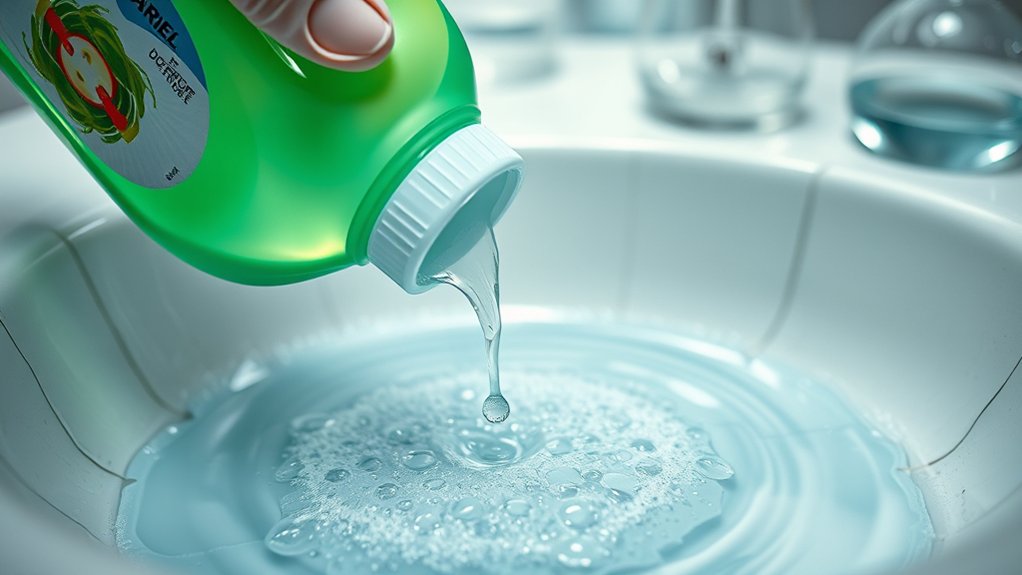
Although Ariel laundry detergent effectively cleans clothes, it contains several toxic chemicals that pose health and environmental risks. You should be aware that surfactants in Ariel may be contaminated with 1,4-Dioxane, a probable human carcinogen linked to serious health concerns.
Moreover, fragrance components in Ariel release over 25 volatile organic compounds (VOCs), which increase the likelihood of allergic reactions and exacerbate respiratory issues. These toxic chemicals don’t just affect air quality; direct contact with Ariel can cause skin irritation and dermatitis, especially for sensitive individuals.
Common preservatives like Benzisothiazolinone further elevate the risk of persistent allergic skin conditions.
Understanding these chemical components helps you make informed decisions about the detergent’s safety for your household and the environment.
How Ariel Detergent Affects Skin and Breathing
The presence of toxic chemicals in Ariel detergent directly impacts your skin and respiratory system. Ariel Laundry Detergent contains preservatives like Benzisothiazolinone, which cause skin irritation, redness, and inflammation upon contact. Prolonged exposure can lead to dermatitis and other skin conditions.
Furthermore, fragrance components release over 25 VOCs, worsening respiratory issues in sensitive individuals. Surfactants contaminated with 1,4-Dioxane, a probable carcinogen, pose further risks to both skin and breathing.
| Chemical Component | Health Effect |
|---|---|
| Benzisothiazolinone | Skin irritation |
| Fragrance VOCs | Respiratory issues |
| Surfactants (1,4-Dioxane) | Skin & respiratory risk |
| Prolonged Exposure | Dermatitis |
| Direct Contact | Redness & inflammation |
Understanding these effects helps you minimize adverse reactions from Ariel detergent.
The Safety Risks of Ariel PODS for Children
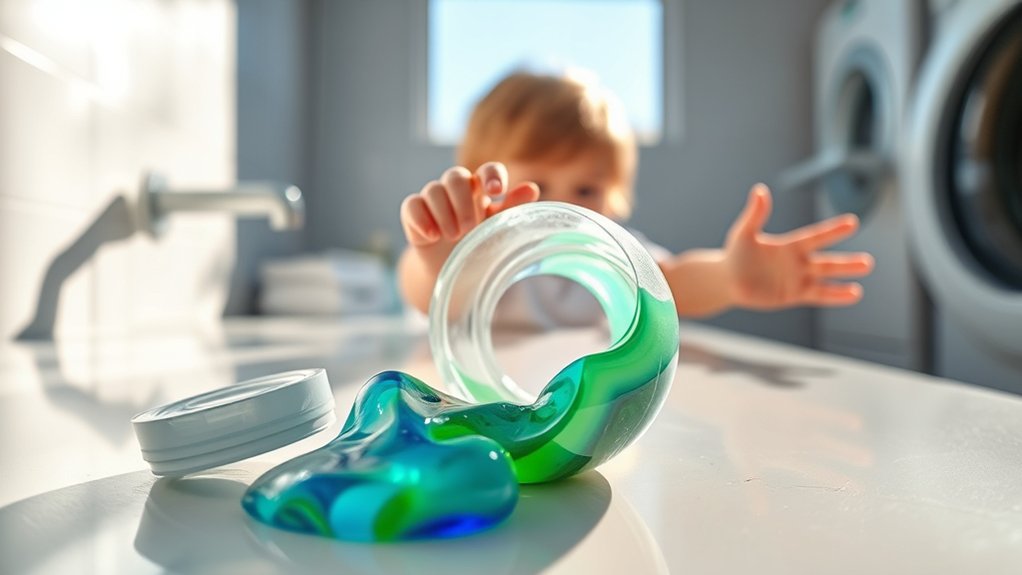
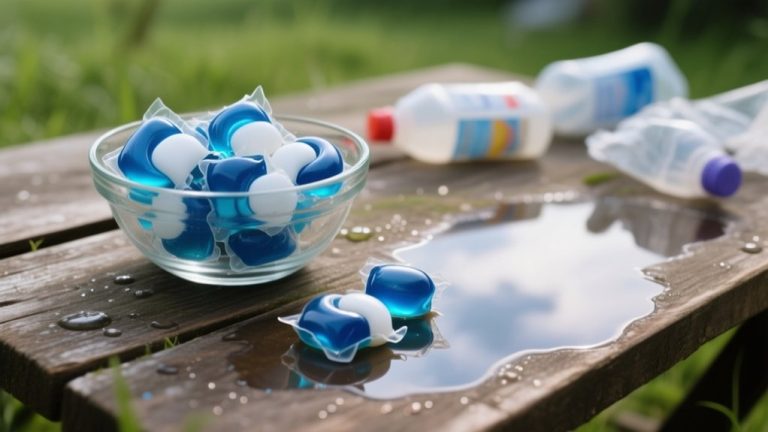
You should know that Ariel PODS can be really dangerous for kids. Their bright and colorful design actually makes children more likely to accidentally eat them.
If a child comes into contact with the detergent, it can cause serious problems like chemical burns and breathing difficulties.
Child Exposure Hazards
How can parents effectively protect their children from the dangers posed by Ariel PODS? The highly concentrated formula presents significant child exposure hazards due to its chemical composition and candy-like appearance.
In 2022 alone, over 11,000 incidents involved children exposed to these pods. This exposure resulted in symptoms such as intense vomiting, chemical burns, respiratory distress, and skin irritation.
The vivid coloring and small size increase the risk of accidental ingestion, which can cause severe health repercussions. Understanding these risks, you must recognize that even minimal contact with the detergent’s formula can provoke adverse reactions.
Vigilance is critical because the hazardous chemicals in Ariel PODS pose immediate threats to children’s health.
Awareness of these exposure hazards is essential for minimizing potential harm.
Preventive Safety Measures
Since Ariel PODS resemble candy and contain highly concentrated chemicals, taking preventive safety measures becomes essential to protect children from accidental exposure. You should store all laundry detergents, especially Ariel PODS, in high, secure cabinets away from children’s reach.
Keep containers tightly sealed to prevent spills and contact with the detergent’s concentrated formula. This can cause severe symptoms like vomiting, chemical burns, skin irritation, and respiratory discomfort.
Awareness of these risks allows you to implement effective safety measures and reduce exposure incidents, which numbered over 11,000 in 2022 alone.
Why Ariel’s Fragrances and Brighteners Are Harmful
You should know that Ariel’s fragrances often have chemicals that can cause respiratory problems and mess with your hormones over time.
On top of that, the optical brighteners in Ariel don’t just make your skin sensitive—they also stick around in water environments, which can harm wildlife.
Fragrance Chemical Risks
Why do Ariel’s fragrances and optical brighteners pose significant health and environmental risks?
When you use washing machines with Ariel, its formula contains fragrance chemicals and brighteners that release over 25 volatile organic compounds (VOCs). These VOCs can exceed safe exposure limits, especially during hot water cycles, affecting indoor air quality and your respiratory health.
Moreover, these fragrances may include endocrine disruptors linked to reproductive issues.
Key risks include:
- Respiratory irritation from VOCs emitted during washing.
- Potential endocrine disruption from undisclosed phthalates.
- Allergic reactions caused by preservatives like Benzisothiazolinone.
- Photosensitive skin reactions triggered by optical brighteners.
Understanding these chemical risks helps you make safer laundry choices while protecting your health and environment.
Brighteners’ Environmental Impact
Although Ariel’s optical brighteners enhance fabric appearance, they resist degradation and accumulate in aquatic environments, causing lasting ecological harm. When you use Ariel, these compounds persist in water bodies, disrupting aquatic ecosystems by interfering with photosynthesis and harming organisms.
Furthermore, the fragrances in Ariel may contain phthalates and volatile organic compounds (VOCs), which degrade indoor air quality and pose respiratory risks. The brighteners and fragrance components can act as endocrine disruptors, threatening both human health and marine life through reproductive and developmental effects.
In addition, washing with hot water accelerates VOC release, often exceeding safe exposure limits and intensifying environmental pollution.
Understanding these impacts is vital when evaluating Ariel’s overall safety and ecological footprint.
How Ariel’s Chemicals Harm the Environment

Because Ariel laundry detergents contain chemicals like Sodium Laureth Sulfate and optical brighteners, they introduce harmful substances into aquatic environments that disrupt ecosystems and pose health risks.
Ariel detergents release chemicals that harm aquatic ecosystems and threaten human health.
You should be aware that:
- Sodium Laureth Sulfate can release 1,4-Dioxane, a probable carcinogen, contaminating water bodies.
- Optical brighteners persist in water, bioaccumulate in marine life, and cause skin irritation in humans.
- Volatile organic compounds (VOCs) emitted during washing degrade indoor air quality and may cause respiratory issues.
- Wastewater treatment plants often fail to remove these complex chemicals, allowing toxic substances to harm aquatic organisms.
Understanding these impacts helps you recognize Ariel’s environmental footprint and the challenges in mitigating chemical pollution from laundry detergents.
How Your Laundry Habits Increase Exposure to Ariel Chemicals
Your daily laundry routine directly influences the level of exposure to harmful chemicals found in Ariel detergents. Using Ariel in hot water cycles greatly increases the release of volatile organic compounds (VOCs). These can surpass safe exposure limits and degrade indoor air quality.
Moreover, frequent use exposes you to surfactants and optical brighteners that bioaccumulate in aquatic life. This indirectly affects human health through seafood consumption. Ingredients like Benzisothiazolinone pose risks of sensitization, raising the chance of allergic reactions and skin irritation with repeated contact.
Improper storage of Ariel PODS, which resemble candy, heightens accidental ingestion risks, especially for children. Over 11,000 exposure incidents were reported in 2022.
To minimize these risks, ventilate laundry areas effectively during washing to reduce inhalation of harmful VOCs and chemical residues.
Safer Ariel Alternatives to Protect Your Health
When selecting laundry detergents, choosing plant-based and fragrance-free alternatives can greatly reduce your exposure to harmful chemicals found in Ariel products.
These safer options minimize skin irritations, allergic reactions, and respiratory issues linked to synthetic fragrances and preservatives like Benzisothiazolinone.
Consider these key points to protect your health:
- Use biodegradable surfactants to lower the risk of skin sensitization.
- Opt for fragrance-free formulas to avoid phthalates and VOC emissions.
- Choose detergents free from harsh preservatives to reduce respiratory discomfort.
- Select eco-friendly products that degrade quickly, lessening environmental and human chemical exposure.
How to Stay Safe When Using Ariel Detergent
Although Ariel detergents offer effective cleaning, you must take specific precautions to minimize health risks during use. Always store Ariel products in high or locked cabinets to prevent accidental ingestion, especially since Ariel PODS resemble candies and caused over 11,000 exposures in 2022.
Wear gloves to reduce skin contact and avoid dermatitis or allergic reactions from preservatives like Benzisothiazolinone. Guarantee proper ventilation in laundry areas to lower inhalation of volatile organic compounds, which can spike during hot water cycles.
Whenever possible, choose fragrance-free formulas to avoid phthalates and respiratory irritation from undisclosed fragrances.
Stay vigilant to prevent direct contact with the detergent, as exposure may cause redness, itching, or inflammation.
These precise measures help you use Ariel safely while minimizing adverse health effects.
Frequently Asked Questions
What Is the History of Ariel Laundry Detergent?
You’ll find Ariel laundry detergent started in the 1960s as a powder by Procter & Gamble, pioneering stain-fighting technology.
In the 1980s, it evolved into liquid form to meet consumer demands.
You’ll notice reformulations over time addressed environmental impact, removing phosphates.
In 2012, Ariel introduced PODS for convenience, although safety concerns arose.
Where Is Ariel Laundry Detergent Manufactured?
Think of Ariel as a global river, flowing through multiple lands. You’ll find Ariel laundry detergent manufactured in key regions like Europe, North America, and Asia.
Procter & Gamble operates diverse facilities adapting formulations to meet local regulations. This decentralized production guarantees efficiency and sustainability.
How Does Ariel Detergent Compare in Price to Other Brands?
You’ll find Ariel detergent priced competitively against mainstream brands like Tide, often offering a lower cost per load.
However, when comparing to ethical or plant-based detergents, Ariel usually costs less upfront but lacks the eco-friendly benefits.
Regional price fluctuations and promotions further influence affordability.
While Ariel appeals to budget-conscious consumers, you should weigh its cost against factors like ingredient safety and environmental impact to determine true value.
What Packaging Materials Does Ariel Use for Its Products?
Ariel uses mainly plastic containers and single-use plastic pouches like PODS for its packaging.
Think of it as a double-edged sword balancing convenience and environmental impact. These materials are recyclable, aligning with sustainability efforts, though single-use pouches dissolve in water but still raise ecological concerns.
The company also employs lightweighting and recycled plastics to reduce its carbon footprint.
You’ll find clear ingredient labels, though some chemical details remain undisclosed due to regulations.
Does Ariel Offer Any Hypoallergenic Detergent Options?
Ariel doesn’t offer any hypoallergenic detergent options. If you have sensitive skin or allergies, you might experience reactions from preservatives like Benzisothiazolinone or undisclosed fragrance components, including phthalates.
Since their formulations lack plant-based or biodegradable ingredients suited for sensitive skin, you should consider alternative brands explicitly designed for hypoallergenic use. This can help minimize skin irritation and respiratory issues.
Always review ingredient lists carefully before purchasing.
Conclusion
You might be surprised to learn that up to 20% of people using Ariel detergent report skin irritation or respiratory issues. This highlights its potential health risks.
Given the toxic chemicals, especially in Ariel PODS, it’s essential you handle this detergent cautiously. By adjusting your laundry habits and considering safer alternatives, you can markedly reduce exposure.
Staying informed and vigilant guarantees you protect both your health and the environment while keeping your clothes clean.