Can You Use Body Wash As Laundry Detergent – Is It Safe?
You shouldn’t use body wash as laundry detergent because it lacks the enzymes and surfactants needed to clean fabrics effectively. It can cause excessive suds, leading to washing machine damage, residue buildup, stiff clothes, and skin irritation.
While it’s okay for emergency hand washing of lightly soiled clothes, relying on body wash sacrifices cleaning power and risks your machine’s health. Learn why laundry detergent is designed specifically to protect your clothes and washer.
Key Takeaways
- Body wash lacks enzymes and surfactants needed for effective fabric cleaning, making it an inadequate laundry detergent substitute.
- Excessive suds from body wash can damage washing machines by clogging pumps and causing leaks or mechanical issues.
- Using body wash in laundry can leave residue that stiffens clothes and irritates sensitive skin.
- Body wash may be used sparingly for hand washing delicate or lightly soiled clothes in emergencies only.
- Safer alternatives include baking soda, vinegar, homemade laundry soap, or laundry sheets designed for fabric care.
Why Body Wash Isn’t a Good Laundry Detergent
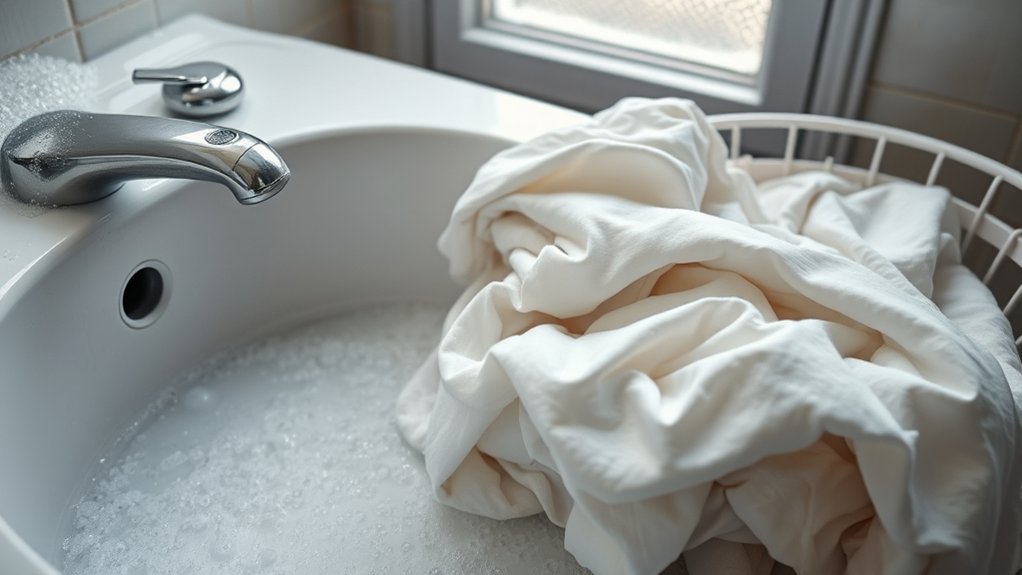
Although you might consider using body wash as a laundry detergent in a pinch, it’s not designed to clean fabrics effectively. Body wash lacks the specific enzymes and surfactants found in laundry detergents that break down stains and odors on clothes.
Body wash isn’t formulated to clean fabrics and lacks the enzymes needed to tackle stains and odors.
Furthermore, body wash produces excessive suds, which can overflow and damage your washing machine by clogging drain pumps. This buildup not only hampers your machine’s performance but can also leave clothes feeling stiff and cause unpleasant smells.
The pH level of body wash isn’t suitable for fabrics, further reducing its cleaning effectiveness and potentially causing skin irritation.
For these reasons, relying on body wash instead of laundry detergent isn’t a safe or efficient choice for cleaning your clothes.
Risks of Using Body Wash Instead of Laundry Detergent in Your Washing Machine
When you use body wash in your washing machine, the excessive suds can overflow and damage sensitive components.
Plus, the residue left behind from body wash can make your clothes feel stiff and even cause unpleasant odors inside the machine.
Over time, this kind of misuse can lead to more frequent maintenance and might reduce how well your washing machine works.
Excessive Suds Formation
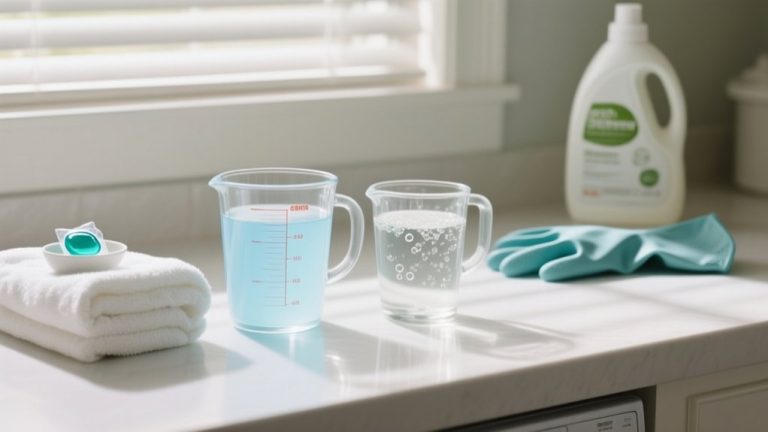
Because body wash produces far more suds than laundry detergent, using it in your washing machine can cause serious issues like overflow and drain pump clogging.
Unlike laundry detergents, body wash lacks the optimized cleaning properties designed for fabrics and machine mechanics.
Excessive suds can disrupt wash cycles, reducing cleaning efficiency and potentially damaging your machine.
Here’s what you risk with excessive suds from body wash:
- Overflow of suds leading to leaks and water damage
- Drain pump clogging requiring costly repairs
- Interference with agitation and rinse cycles
- Voiding your washing machine’s warranty
- Reduced overall cleaning performance due to improper sudsing
For these reasons, relying on laundry detergents formulated for minimal suds and maximum fabric care is essential.
Residue Build-Up Issues
Anyone using body wash as a laundry detergent risks residue buildup that can affect both fabrics and the washing machine.
Body wash lacks the specialized cleaning power of laundry detergent, which is formulated to break down stains and rinse cleanly.
This difference means residue from body wash can accumulate on your clothes, leaving them stiff and potentially irritating your skin.
Over time, this residue also builds up inside the washing machine, fostering unpleasant odors and compromising washing efficiency.
Laundry detergents are designed to minimize such buildup, ensuring fabrics come out clean without leftover deposits.
By using body wash instead, you sacrifice effective cleaning power and risk persistent residue problems that affect your laundry’s freshness and fabric integrity.
Stick to laundry detergent to avoid these residue-related issues.
Washing Machine Damage
Although body wash may seem like a convenient alternative, using it in your washing machine can cause significant damage.
Body wash produces excessive suds that can overflow and clog washing machines, risking costly repairs. It doesn’t effectively clean fabrics and can leave residue that stiffens clothes and fosters unpleasant odors.
Its different pH levels may also damage fabrics or cause fading over time.
Consider these risks when substituting body wash for laundry detergent:
- Excessive suds overflow from washing machines
- Clogged drain pumps requiring maintenance
- Residue buildup that leaves clothes stiff
- Unpleasant odors developing inside the machine
- Potential damage or fading of fabrics
For your washing machine’s longevity and fabric care, stick to detergents designed for laundry use.
How Body Wash Ingredients Harm Clothes and Machines
When you use body wash as laundry detergent, you risk damaging both your clothes and washing machine due to its unsuitable formulation.
Body wash contains harmful ingredients designed for skin cleansing, not for breaking down fabric stains or odors effectively. Its high suds production can cause overflow, potentially harming your machine.
Unlike laundry detergent, body wash often leaves residue on fabrics, making clothes feel stiff and possibly irritating your skin.
The differing pH levels in body wash may also weaken fabric fibers and affect color retention.
Moreover, residue buildup inside your washing machine from body wash can lead to unpleasant odors and increased maintenance needs.
Emergency Alternatives to Laundry Detergent

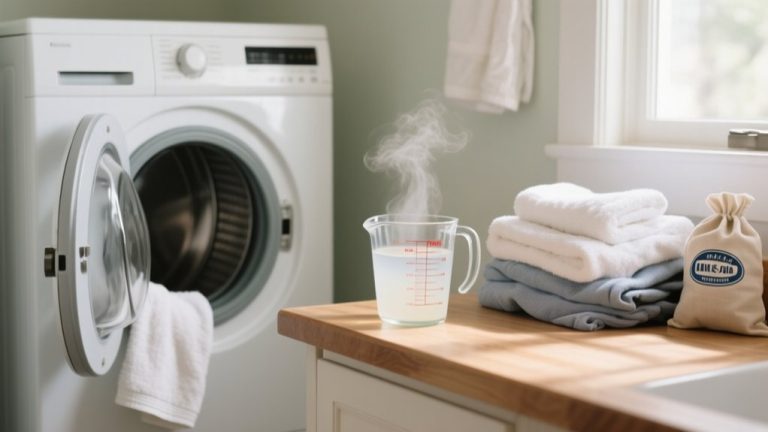
When you run out of laundry detergent, don’t worry—baking soda and vinegar can come to the rescue. Just remember to use them separately to help tackle stains and odors.
If you’re up for a little DIY, you can whip up a homemade laundry soap using common household ingredients like borax and bar soap. It’s a budget-friendly option that works pretty well.
And if you want something super convenient, there are laundry sheets made specifically for emergencies. They’re mess-free and perfect for keeping your clothes fresh when you’re in a pinch.
Baking Soda And Vinegar
If you find yourself without laundry detergent, you can turn to baking soda and vinegar as effective emergency alternatives.
Baking soda works as a natural deodorizer and stain remover, while vinegar softens fabrics and breaks down residue.
Use about half a cup of baking soda in the washer drum before adding clothes, then add half a cup of vinegar during the rinse cycle.
Never mix them directly, as they neutralize each other.
These pantry staples are safe for most fabrics but may not tackle heavy stains like laundry detergent sheets.
Consider these benefits:
- Removes odors and light stains
- Softens fabric naturally
- Breaks down detergent buildup
- Inexpensive and widely available
- Safe for most clothing types
This combo offers a practical, budget-friendly solution when you’re out of detergent.
Homemade Laundry Soap
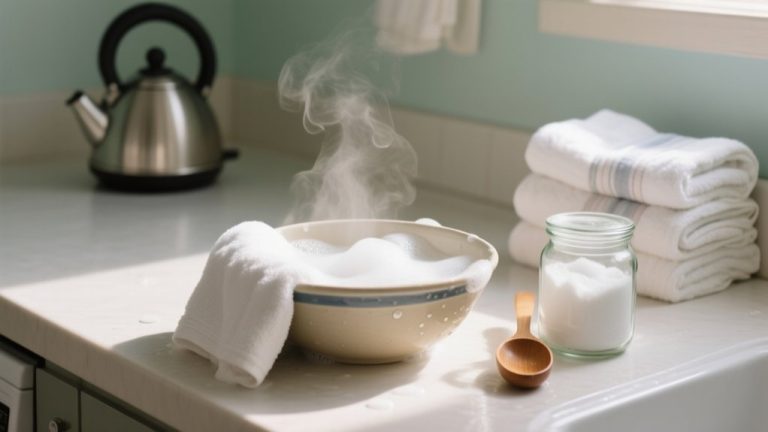
Although commercial detergents are convenient, you can create effective homemade laundry soap by combining baking soda, borax, washing soda, and finely grated bar soap. This DIY laundry soap helps you wash clothes efficiently, reduces waste, and saves money.
You can adjust the recipe based on available materials or preferred scents. Always test the soap on a small fabric area to avoid damage.
| Ingredient | Purpose |
|---|---|
| Baking Soda | Deodorizes, softens water |
| Borax | Boosts cleaning power |
| Washing Soda | Removes stains, grease |
| Grated Bar Soap | Cleans, adds lather |
This homemade laundry soap is an eco-friendly, cost-effective alternative to store-bought detergents, perfect for emergencies or regular use.
Laundry Sheets For Emergencies
Since emergencies often demand quick and efficient solutions, laundry sheets offer a practical alternative to traditional detergents. These sheets effectively remove dirt and grime, allowing you to wash your clothes without hassle.
They’re especially convenient when you need a compact, mess-free option that’s easy to store or carry.
Laundry sheets provide benefits like:
- Pre-measured doses to prevent waste
- Lightweight, space-saving design
- Quick dissolution in water without excessive suds
- Various formulations for sensitive skin or eco-friendliness
- Easy use without spills or residue
Using laundry sheets in emergencies guarantees you can clean your clothes efficiently and safely, making them a reliable, evidence-based choice when traditional detergents aren’t available.
Using Body Wash to Hand Wash Clothes: When It Makes Sense
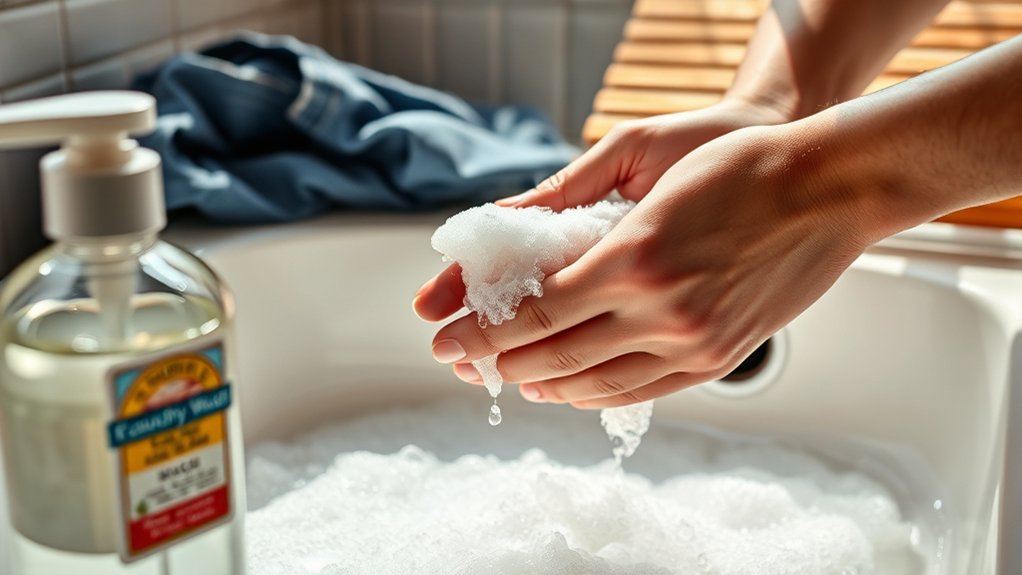
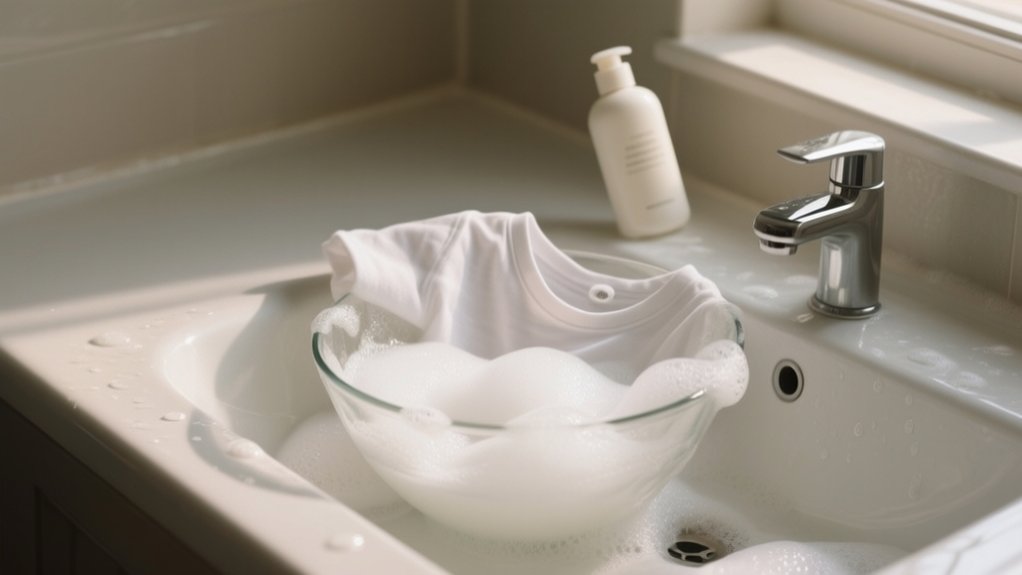
While body wash isn’t designed for laundry, you can use it to hand wash clothes in emergencies when detergent isn’t available. Use it sparingly, especially for lightly soiled garments or delicate fabrics, to avoid excessive suds and residue buildup.
Fill a basin with cold to warm water and add a small amount of body wash. Multiple rinses guarantee all soap is removed, preventing stiffness or irritation. Always test on a hidden spot first.
| When to Use Body Wash | Tips for Hand Washing |
|---|---|
| Emergencies only | Use cold to warm water |
| Lightly soiled garments | Add a small amount of body wash |
| Delicate fabrics | Rinse multiple times thoroughly |
| Test fabric first | Avoid excessive suds |
| Not for tough stains | Prevent residue buildup |
How to Use Body Wash Safely for Laundry
How can you safely use body wash for laundry without damaging your clothes or washing machine? Since body wash isn’t designed for fabric cleaning, limit its use to emergencies and prefer hand wash methods.
Follow these guidelines:
Use a small amount of body wash to prevent excessive suds buildup. Hand wash clothes in a basin with cold to warm water to protect fabric integrity.
Rinse garments multiple times to remove any residue that might cause stiffness or irritation.
Avoid using body wash in washing machines to prevent clogs and odors from suds accumulation.
Focus on delicate or lightly soiled items, as body wash lacks the cleaning power for heavily stained clothes.
Common Mistakes to Avoid When Using Body Wash for Laundry
Although body wash might seem like a convenient substitute for laundry detergent in emergencies, using it improperly can lead to several problems. You risk excessive suds that may overflow your washing machine, causing damage.
Body wash isn’t designed for fabrics, which leads to inadequate cleaning and residue buildup that stiffens clothes and irritates skin. Its pH isn’t suited for effective stain removal either. Plus, residue can cause odors inside your machine.
| Mistake | Consequence |
|---|---|
| Using too much body wash | Overflow, machine damage |
| Machine washing only | Inadequate cleaning, residue buildup |
| Ignoring pH differences | Poor stain removal |
| Neglecting rinsing | Odors, stale laundry |
Avoid these to protect both your laundry and appliance.
What Laundry Detergent Does That Body Wash Can’t
Because laundry detergent contains specially designed surfactants and enzymes, it tackles tough stains and odors much more effectively than body wash can.
When you use detergent formulated for laundry, you benefit from:
Using laundry detergent provides optimized cleaning, stain removal, and fabric protection that body wash simply can’t match.
- Optimized pH levels for fabric cleaning, unlike body wash tailored for skin
- Controlled sudsing that prevents washing machine damage and clogs
- Enzymes that break down stubborn stains and odors efficiently
- Fabric brighteners and anti-fading agents that protect your clothes’ appearance
- Easy rinsing that avoids residue buildup, preventing stiffness and irritation
Body wash lacks these features, making it less effective and potentially harmful to your laundry.
If you want clean, fresh clothes without risking damage, sticking to a proper laundry detergent is the smarter, more effective choice.
Frequently Asked Questions
Can Body Wash Cause Allergic Reactions When Used on Clothes?
Yes, body wash can cause allergic reactions when used on clothes. Since it’s formulated for skin, not fabrics, residues may remain in your clothes after washing.
These residues contain fragrances and additives that can irritate sensitive skin or trigger allergies. If you have skin conditions or sensitivities, wearing clothes washed with body wash might lead to redness, itching, or discomfort.
It’s best to use products designed specifically for laundry to avoid these risks.
Will Body Wash Affect the Colorfastness of Dyed Fabrics?
Yes, body wash can affect the colorfastness of dyed fabrics. Its lower pH and additives may cause color fading or bleeding, especially on sensitive or dark materials.
Excess suds mightn’t rinse out completely, which can dull your clothes’ vibrancy.
If you choose to use body wash, test it on a small hidden area first to spot any adverse effects.
For best results, stick to detergents designed specifically for laundry.
How Does Body Wash Compare in Cost to Regular Laundry Detergent?
Sure, if you want to turn your laundry day into a luxury spa experience, go ahead and use body wash.
But in reality, it’s pricier per load than regular detergent.
Body wash costs more and cleans less effectively, meaning you’ll use more product and run extra cycles.
Laundry detergent, designed for the task, stretches further and saves you money in the long run.
Can Body Wash Be Used in Both Top-Load and Front-Load Washers?
You shouldn’t use body wash in either top-load or front-load washers. Body wash creates excessive suds that can overflow and damage your machine’s electronics and components.
It also leaves residue that stiffens clothes and causes unpleasant odors. Unlike laundry detergent, it’s not designed to clean fabrics properly and can clog your washer’s drain pump.
For safe, effective washing, stick with products specifically made for your machine type.
Are Certain Types of Body Wash Better Suited for Laundry Use?
Certain body washes with minimal additives, low fragrance, and fewer moisturizing agents might be less harmful for laundry use, but none are truly designed for fabric cleaning.
You’ll find that their pH balance and surfactants don’t effectively remove stains or odors.
For best results and to protect your clothes and washer, it’s best you stick with detergents specifically formulated for laundry rather than experimenting with body wash variants.
Conclusion
When it comes to laundry, remember that “not all that glitters is gold.” Body wash might seem like a quick fix, but it lacks the enzymes and agents needed to clean clothes effectively and can harm your machine.
Use it only in emergencies or for handwashing small items, and always dilute it properly. For regular laundry, stick to detergent. It’s designed to protect your fabrics and washing machine while delivering the clean results you expect.