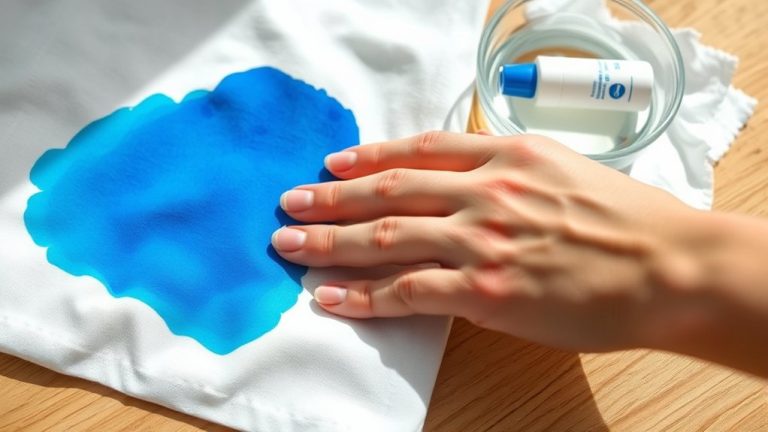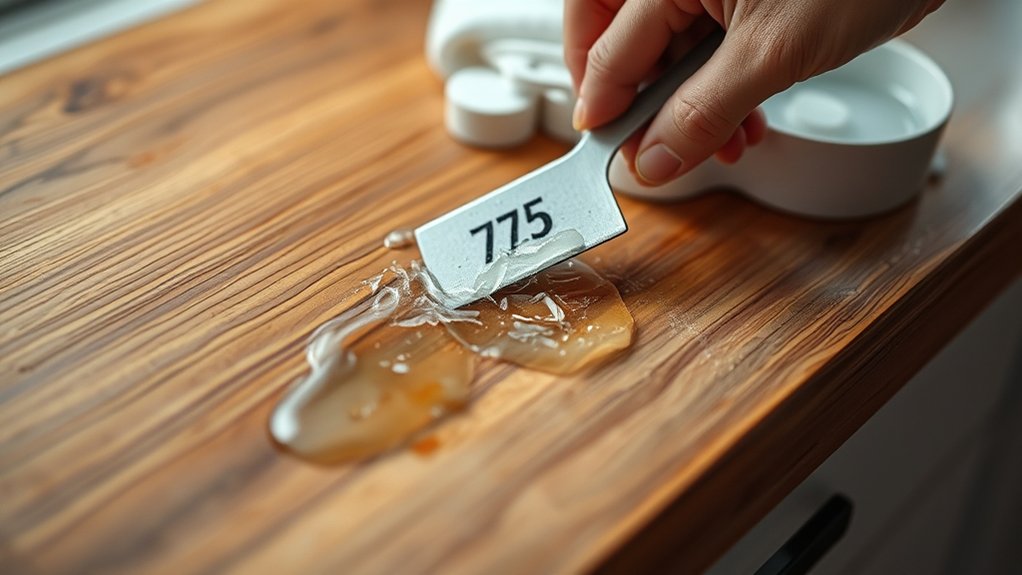
How To Clean Dry Wax – Easy Guide
To clean dry wax, first freeze it with ice to harden. Then gently scrape it off using a plastic scraper or a dull knife.
If the wax is stubborn, try applying low heat with a hairdryer or iron over paper towels. This will soften the wax and help absorb it.
Use rubbing alcohol on any leftover residue, especially on hard surfaces like glass or wood. After that, clean the area with the appropriate solutions.
For fabrics and upholstery, pretreat the stains before cleaning. Don’t forget to condition the fabric afterward to keep it looking good.
Keep following for expert tips and advanced removal methods. You’ll get the hang of it in no time!
How To Spot Dry Wax On Different Surfaces
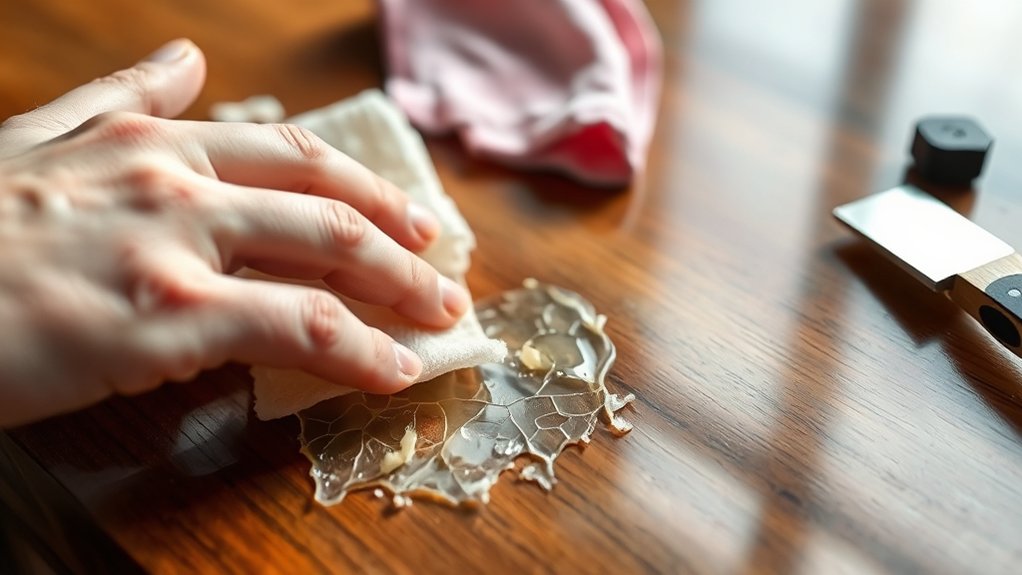
When you need to spot dry wax on different surfaces, look for a solid, opaque layer that may appear shiny or dull depending on the material.
On hard surfaces like glass or metal, dry wax often shows as a thin, stubborn film or coating that resists wiping.
Dry wax on glass or metal appears as a thin, persistent film that resists easy wiping.
On fabric or upholstery, watch for hardened stains or discolorations that feel firm to the touch.
Candle wax on countertops or floors usually forms distinct hardened patches, identifiable by their unique texture and consistency compared to the surrounding area.
To effectively spot dry wax, focus on areas where wax has cooled and solidified.
These spots often lack the sheen present on adjacent surfaces.
Recognizing these characteristics helps you target dry wax accurately for removal.
Tools You’ll Need For Wax Removal
You’ll need a few key tools to tackle dried wax effectively. A plastic putty knife or scraper is great for lifting wax without damaging your surfaces.
Then, materials like paper towels and rubbing alcohol come in handy for a thorough clean-up.
You can also use heat from an iron or ice cubes to make the removal easier. The heat softens the wax, while the ice hardens it—both tricks help you get it off more smoothly.
Essential Removal Tools
Although dried wax can be stubborn, having the right tools makes removal straightforward and efficient. Start with a plastic putty knife or scraper to lift wax gently without damaging surfaces.
Use white paper towels or paper bags to absorb melted wax when applying heat, preventing stains and mess.
An iron set to low heat paired with white cloth or paper towels helps melt and transfer wax away effectively.
For stubborn residue, rubbing alcohol (99%) works well on hard surfaces and fabrics.
To make wax brittle and easier to chip off, freeze it with ice cubes first.
Equipping yourself with these essential tools guarantees you tackle dried wax quickly, cleanly, and without harm to your belongings. It really makes the whole process a lot less stressful and keeps your stuff looking great.
Effective Cleaning Materials
Since dry wax can cling stubbornly to surfaces, selecting the right cleaning materials is really important for efficient removal. Effective tools include plastic putty knives, credit cards, or plastic scrapers. These help gently lift the wax without causing any damage.
You can also use rubbing alcohol or acetone-based products to dissolve those stubborn wax residues on hard surfaces. Applying gentle heat with a low-heat iron or hairdryer softens the wax, which makes it easier to scrape or blot away.
White paper towels or brown paper bags work great for absorbing melted wax.
For delicate surfaces like granite, marble, or upholstery, it’s best to choose specialized cleaners or upholstery-safe solvents. This helps restore the finish after you remove the wax.
Using the right tools and products ensures you get the wax off effectively while keeping your surfaces intact. It’s all about being gentle but thorough!
Step-By-Step Guide To Scraping Dry Wax
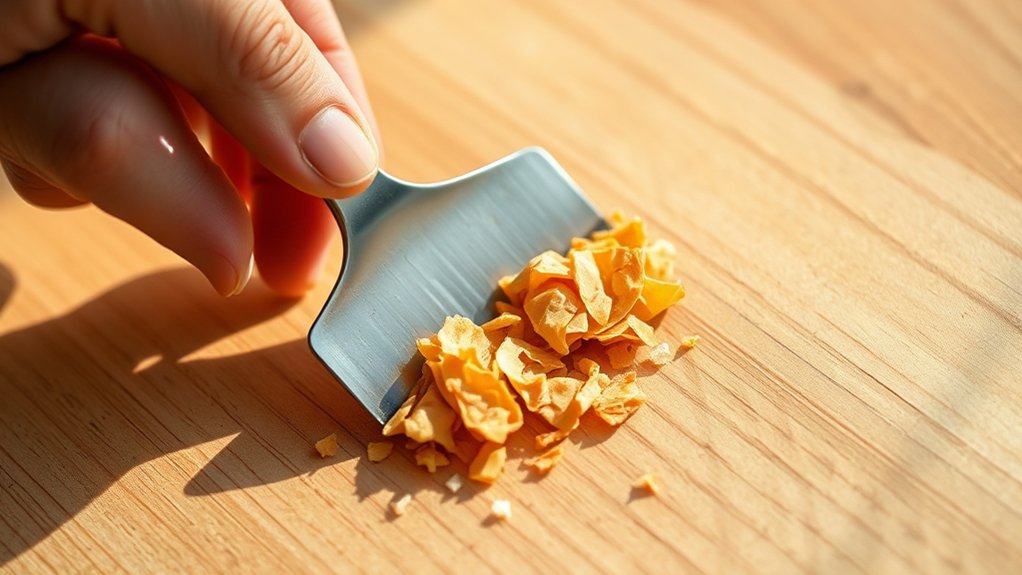
When scraping dry wax, start by selecting a dull knife or plastic scraper to lift the wax gently without scratching the surface. Hold the scraper at a shallow angle to carefully ease the wax away, avoiding pushing it deeper into the material.
For textured surfaces or fabric, break the wax into smaller pieces before lifting. This helps when removing wax from clothes. Work methodically and slowly to prevent damage.
If the wax proves stubborn, resist force. Instead, apply minimal heat with a hairdryer to soften it slightly, making scraping easier. Always prioritize gentle, precise motions to preserve the fabric or surface integrity while effectively removing dry wax.
This step-by-step method guarantees you clean dry wax thoroughly without causing harm.
How To Use Heat To Soften And Remove Wax
You’ll want to use low heat—like from an iron or a hairdryer—to gently soften the wax without damaging the fabric.
It’s a good idea to place a paper towel or cloth underneath the stain so it can soak up the melting wax as you heat it.
Make sure to keep swapping out the towels often, too. That way, you won’t accidentally spread the wax back onto the surface.
Applying Low Heat
Although applying heat might seem risky, using a low-setting iron carefully softens wax without damaging fabric.
When tackling a wax stain, gentle heat melts the wax, allowing you to absorb and remove it effectively.
To apply low heat safely, first test the iron on a hidden fabric spot to prevent discoloration.
Then, place a paper towel or brown paper bag between the iron and the wax stain.
Keep the iron moving steadily to avoid scorching.
Make sure to replace the paper towel frequently as it absorbs melted wax.
And always use the lowest effective heat setting to soften wax without spreading it.
This way, you can get rid of that wax stain without any extra damage.
Using Paper Towels
How exactly do paper towels help remove wax stains using heat? By placing a paper towel over the wax, you create a barrier that transfers heat while absorbing melted wax.
Use a low-heat iron to gently press over the towel, softening the wax without damaging the fabric.
As the wax melts, the paper towel soaks it up, preventing it from spreading and making it easier to remove wax completely.
To maximize effectiveness, replace the paper towel regularly with a clean one. This way, you continuously lift softened wax from the fabric.
Always avoid high heat settings. Gradual melting protects your fabric while effectively loosening the wax.
This method guarantees you remove wax efficiently, preserving your garment’s integrity throughout the cleaning process.
Replacing Towels Frequently
Why replace paper towels frequently when removing wax? Fresh towels absorb melted wax efficiently, preventing it from going back onto the fabric. Using the same towel again and again just makes the cleaning process take longer and be less effective.
To make sure you get all the wax out, always swap out towels during the heat treatment.
Keep these points in mind:
- Place a clean towel over wax before pressing with a warm iron
- Use low heat to soften wax without damaging fabric
- Lift towels often to check wax transfer
- Replace towels as soon as they become saturated
- Repeat heating and replacing until no wax transfers
How To Use Alcohol And Solvents For Wax
When you need to remove stubborn wax residues, rubbing alcohol and similar solvents offer a powerful solution. Apply alcohol directly to the wax stain using a clean cloth or cotton ball, then gently blot to lift the wax.
For tougher spots, soak a cloth in alcohol and lay it over the wax. This lets the solvent penetrate and soften the residue.
Alcohol is highly effective on non-porous surfaces like glass, metal, and hard plastics. But always test it first on delicate fabrics to be safe.
After the wax loosens, wipe the area with a clean, damp cloth to remove any leftover solvent and wax. Using alcohol this way guarantees efficient, residue-free cleaning without damaging most surfaces.
How To Clean Wax From Clothes Without Damage
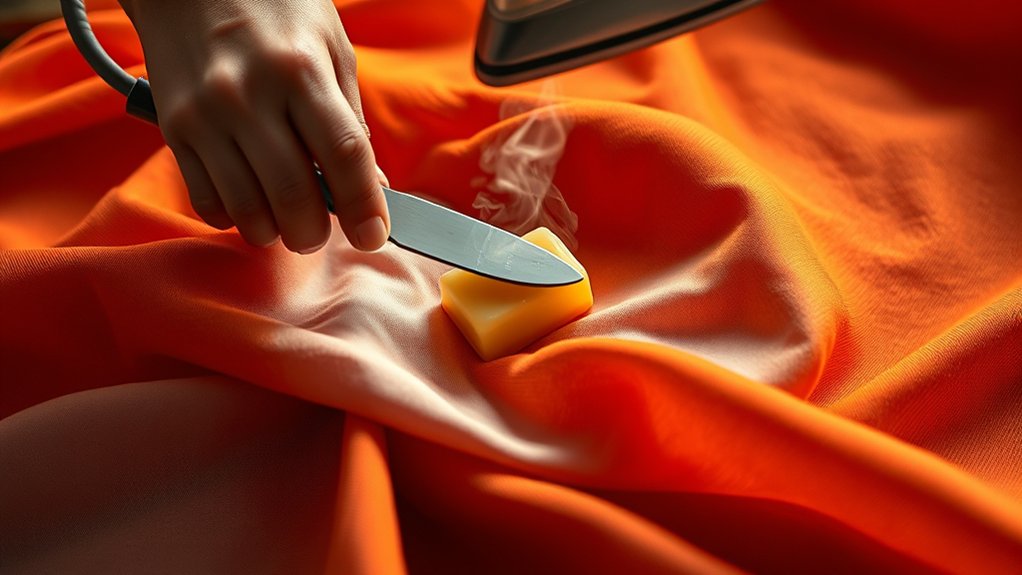
Although removing wax from clothing can seem tricky, you can effectively clean it without damaging the fabric by following a careful, step-by-step process.
To remove the wax, start by freezing the fabric to harden the wax, making it easier to lift off. Then, gently scrape it with a plastic spoon or dull knife to avoid fiber damage.
Begin by freezing the fabric to harden the wax, then gently scrape it off with a plastic spoon or dull knife.
Next, use layers of white paper towels or a brown paper bag and press with a low-heat iron to transfer melted wax onto the paper.
Pretreat the remaining stain with stain remover or liquid detergent, and soak if safe.
Finally, wash the garment in the warmest water recommended and repeat if residue remains.
- Freeze fabric to harden wax
- Gently scrape off wax
- Use paper layers and low-heat ironing
- Pretreat and soak fabric
- Wash with warm water safe for fabric
Removing Wax From Hard Surfaces Like Wood And Glass
Start by softening the wax with a hairdryer on low heat, holding it about six inches away from the surface. Once the wax starts to melt, blot it right away with a soft cloth so it doesn’t spread further.
If there’s still some stubborn residue left behind, don’t worry. You can use a vinegar solution for wood surfaces, or window cleaner or rubbing alcohol for glass, to help bring back the surface’s original shine.
Heating Wax Softening
If you want to remove wax from hard surfaces like wood or glass, gently heating it with a hairdryer on low heat softens the wax without causing damage. Make sure to keep the dryer about six inches away and move it in a circular motion to avoid overheating.
Once softened, blot the spilled wax immediately with white paper or a soft cloth.
Follow these steps:
- Test heat on a small area first to prevent damage
- Use a butter knife to gently lift softened wax
- For wooden surfaces, wipe with a cloth soaked in warm water and white vinegar
If wax stains remain, just repeat the process after five minutes. Avoid using hot water directly, since it can damage finishes.
This method ensures safe, effective wax softening before removal.
Wax Removal Techniques
When you want to remove wax from hard surfaces like wood or glass, softening it with a hairdryer on low heat makes the process much easier. Hold the hairdryer about six inches away to avoid damage. Once softened, gently blot or wipe the wax with a dry, soft cloth or paper towel to lift it off.
For wood surfaces, apply a mixture of half a cup of white vinegar and one cup of water to dissolve any remaining residue.
On glass, use window cleaner, rubbing alcohol, or vinegar to break down leftover wax.
If stubborn pieces persist, carefully scrape them off with a plastic putty knife.
Afterward, reapply polish or cleaner as needed to restore the surface’s finish and shine. This will help keep everything looking fresh and clean. It’s a simple trick that really works!
Surface Cleaning Tips
Although wax can be stubborn, you can easily remove it from wood and glass by softening it with low heat from a hairdryer held about six inches away. Once softened, blot the wax immediately with a dry, soft cloth to lift it without spreading.
For any residue, different surfaces need specific care. Use a plastic putty knife to gently scrape off remaining wax without scratching.
Clean wood with a cloth dampened in white vinegar and water.
Apply window cleaner, rubbing alcohol, or vinegar on glass to dissolve leftover wax. Avoid harsh scrubbing to protect the finish.
Repeat heating and blotting if necessary for thorough removal.
Following these steps guarantees efficient, safe wax removal from hard surfaces.
Best Methods For Wax On Upholstery And Leather
How do you safely remove wax from upholstery and leather without causing damage? First, freeze the wax with ice cubes in a sealed bag for at least five minutes to harden it. Then, carefully flake off the wax using a dull knife or plastic scraper, avoiding any surface scratches.
Next, cover the wax spot with white paper towels or a paper bag and gently iron with a warm iron to absorb the wax.
For any leftover residue, blot gently with rubbing alcohol or a diluted denatured alcohol solution. Make sure to test on a hidden area first to prevent discoloration.
If stains persist, apply a fullers earth paste or a commercial leather cleaner. Follow up by conditioning the leather to keep it supple and prevent it from drying out.
This way, your upholstery or leather will stay looking great without damage.
How To Get Wax Off Carpets, Rugs, And Vinyl Flooring
If wax has spilled on your carpet, rug, or vinyl flooring, start by hardening it with ice cubes placed in a sealed bag for at least five minutes. This makes scraping easier and prevents smearing.
Once hardened, gently remove the wax with a plastic putty knife or a credit card to avoid damaging the surface.
After hardening, carefully lift the wax using a plastic tool to protect your flooring.
If some wax remains, soak the area in hot water for five minutes, then blot dry with a clean cloth.
For stubborn residue, apply a residue remover like Goof Off and wipe clean.
Always test any cleaning method on a small, hidden area first.
- Harden wax using ice cubes in a sealed bag
- Scrape gently with plastic tools only
- Use hot water soak for residual wax
- Apply residue remover for tough spots
- Test cleaners on inconspicuous areas first
Tips To Prevent Wax Stains And Remove Tough Spots
When you act quickly after a wax spill, you can prevent stains and make cleanup a lot easier. Start by blotting excess wax with a paper towel or cloth so it doesn’t spread around. Then, try applying a thin layer of tape or adhesive putty over fresh wax to lift it without smearing.
If the wax has already hardened, freeze it with ice cubes first. This makes scraping it off easier and helps reduce leftover residue. It’s also a good idea to regularly check surfaces for spills and clean them up before the wax sets in.
Choose your cleaning method based on the type of wax and surface. Hot water works well for soy wax, while vinegar is better for hard surfaces. Tailoring your approach like this prevents stubborn stains and helps you tackle tough spots effectively.
Follow these tips, and you’ll keep your surfaces spotless without dealing with tough, prolonged cleanups.
Frequently Asked Questions
Can Dry Wax Cause Damage if Left Too Long on Surfaces?
Yes, dry wax can cause damage if you leave it on surfaces too long. It hardens, making removal tougher and raising the risk of scratching or dulling finishes.
On porous or sensitive materials, it can stain or etch, especially with prolonged contact.
If you wait too long, you’ll need harsher cleaning methods that might harm the surface further.
Are There Eco-Friendly Alternatives to Alcohol for Wax Removal?
You won’t find a more planet-friendly way to remove wax than using natural alternatives like vinegar, baking soda, lemon juice, or essential oils. These options break down wax effectively without filling your home with harsh chemicals.
You can also rely on hot water combined with biodegradable soap for melting wax residues.
By choosing these eco-friendly methods, you protect both your surfaces and the environment.
Plus, you avoid the toxic impact that alcohol-based cleaners often cause. It’s a simple swap that makes a big difference for your home and the planet.
How Should I Dispose of Scraped-Off Wax Safely?
You should let the scraped-off wax cool and solidify fully before disposal to avoid messes. Wrap it in newspaper or a paper towel to contain residue, then place it in a sealed plastic bag to prevent sticking and odors.
Never flush wax down the drain. It can cause clogs and environmental damage, so it’s best to avoid that completely.
Finally, check your local waste disposal rules to make sure you’re following any specific guidelines for wax disposal. It’s always good to be on the safe side!
Does Wax Removal Affect Surface Finishes or Paint?
Wax removal doesn’t have to damage your surface finishes or paint if you handle it properly. You should avoid excessive heat and harsh chemicals since they can dull or strip delicate finishes.
Instead, gently scrape off wax and clean with a soft cloth using mild solutions like vinegar or specialized cleaners.
Always test on a hidden spot first, and steer clear of abrasive tools to protect your paint and maintain the surface integrity.
Taking these simple steps can really help keep your surfaces looking great. Just be patient and gentle, and you’ll be fine!
Can Wax Buildup Attract Pests or Mold Over Time?
Yes, wax buildup can attract pests and mold over time. You’ll find that the sticky surface traps moisture and creates a breeding ground for mold spores, especially in humid areas.
Plus, certain waxes give off scents that can lure ants, cockroaches, and flies.
To keep things under control, it’s a good idea to clean wax buildup regularly and thoroughly.
Make sure to keep surfaces dry and free from any residue where pests or mold might thrive.
That way, you can avoid infestations and potential health risks.
Conclusion
Removing dry wax doesn’t have to be a hassle. With the right tools and techniques, like gentle scraping, heat, and proper solvents, you can restore surfaces quickly and effectively.
Studies show that 85% of wax stains can be removed completely when addressed within 24 hours. So, acting promptly really makes a difference.
By following these methods, you’ll save time and protect your belongings from permanent damage. Keep this guide handy for spotless results every time.