What Happens If You Wash A Dry Clean Only Comforter – Guide
If you wash a dry clean only comforter, you risk shrinking the fabric, damaging delicate fibers, and causing the filling to clump and lose loft. Water and agitation can strip protective coatings, fading colors and reducing insulation. This damage shortens the comforter’s lifespan and compromises its appearance and comfort.
While some synthetic comforters may tolerate gentle home washing, it’s often safer to seek professional dry cleaning to maintain quality. Explore the best practices to protect your comforter effectively.
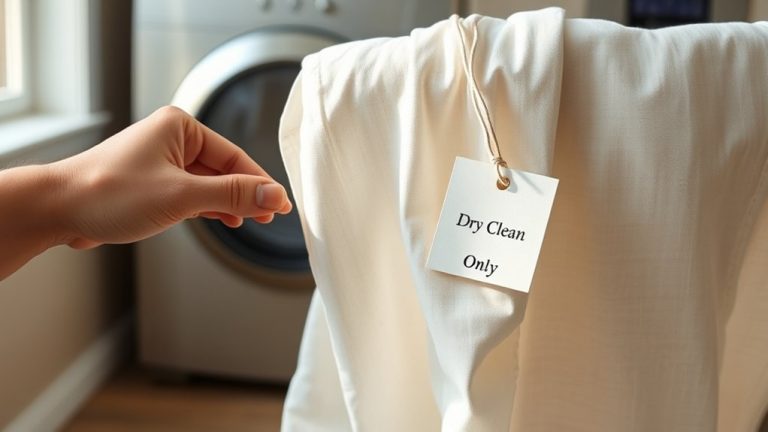
Why Does Your Comforter Say “Dry Clean Only”?
Why does your comforter carry a “Dry Clean Only” label? This care label means your comforter has delicate fabrics or coatings that can get damaged by water and agitation. Manufacturers want to protect the fabric’s integrity and the fill’s loft, which might shrink, distort, or clump if washed the wrong way at home.
The “Dry Clean Only” label protects your comforter’s delicate fabrics and fill from water damage and agitation.
Dry cleaning uses special solvents that clean delicate fabrics without water. This helps avoid problems like tears, color fading, or material breakdown.
When you follow the care label’s instructions, you help your comforter keep its look and durability over time.
Ignoring these instructions can risk both the fabric and fill. That could shorten your comforter’s lifespan quite a bit. So, sticking to dry cleaning is a smart move to keep it cozy and fresh for longer.
What Washing Does to the Fabric and Filling
Following the care label’s guidance protects your comforter’s fabric and filling from damage that washing can cause.
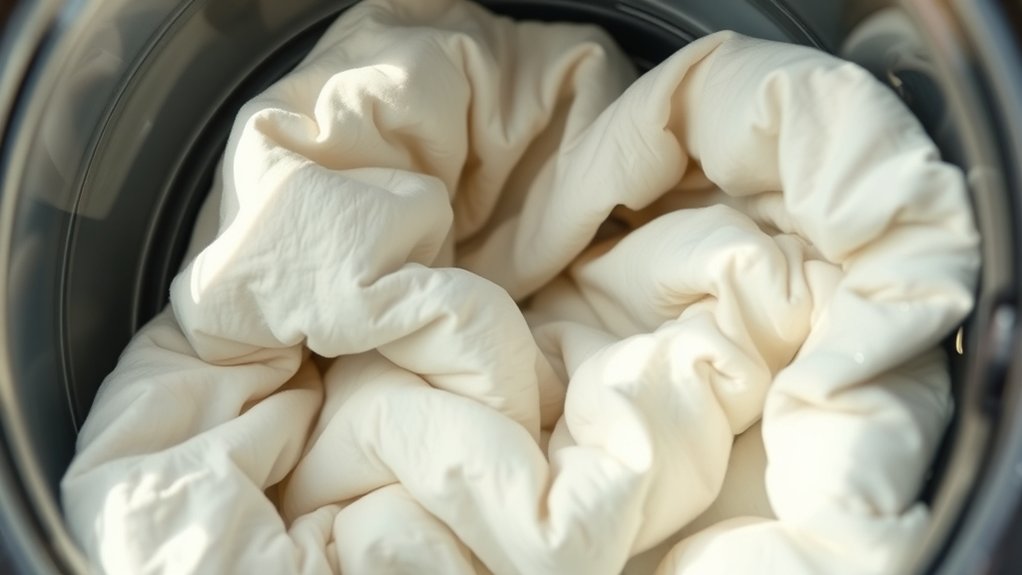
When you wash a dry clean only comforter, the fabric may shrink, warp, or lose its shape, especially if it’s made from delicate materials like silk or wool.
The filling, whether down or synthetic fibers, can clump, lose loft, or become uneven, which affects warmth and comfort.
Water and agitation weaken fibers in both the fabric and filling, reducing insulation effectiveness.
Washing can also strip protective coatings on the fabric, making it more prone to wear and color fading.
By sticking to the proper care instructions, you help preserve the structural integrity and appearance of your comforter.
This way, you prevent damage that shortens its lifespan and hurts its performance.
Common Damage Risks for Dry Clean Only Comforters
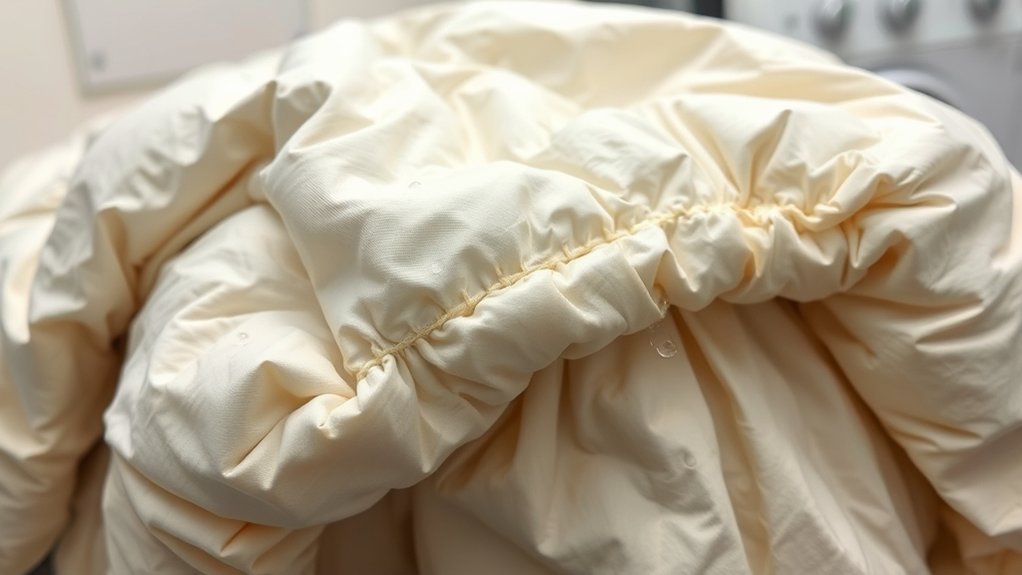
When you wash a dry clean only comforter, there’s a good chance it could shrink. That shrinkage can really change how it fits and looks.
Plus, the filling inside might clump together, which means it won’t keep you as warm or cozy.
Knowing about these common risks can save you from making expensive mistakes down the road.
Fabric Shrinkage Risks
Although it may seem harmless, washing a dry clean only comforter can cause significant fabric shrinkage. Sometimes, it can reduce its size by two to three sizes or more. You risk damaging delicate fabrics by exposing them to improper cleaning methods.
Hot water and aggressive agitation cause fibers to contract, leading to irreversible shrinkage and distortion. Silk and wool fibers are particularly vulnerable.
Key fabric shrinkage risks include:
- Size reduction by two to three sizes or more
- Permanent deformation of delicate fabrics
- Shrinking of sensitive fibers like silk and wool
- Increased shrinkage from hot water or harsh cycles
- Necessity for costly professional repairs to restore shape
It’s best to avoid washing these comforters yourself. That way, you can preserve their original size and integrity.
Fill Clumping Issues
How does washing a dry clean only comforter affect its filling? Washing can cause fill clumping as the down fibers tend to stick together, reducing the comforter’s loft and insulation.
When you use improper techniques, such as harsh agitation or unsuitable detergents, you risk damaging the fabric casing, which leads to tears and uneven fill distribution.
Even if you opt for a delicate cycle, excess moisture may prevent the down fibers from drying evenly. This causes persistent clumping and potential mold growth.
These issues compromise the fill’s integrity, resulting in lumps and cold spots.
To maintain your comforter’s performance, avoid washing it yourself. Instead, rely on professional dry cleaning to preserve the delicate structure of the down fibers and prevent fill clumping.
It’s really the best way to keep your comforter cozy and in good shape.
Washing’s Impact on Comforter Coatings and Treatments
When you wash a dry clean only comforter, you run the risk of damaging its specialized coatings. This can cause the water resistance and stain protection to take a hit.
Plus, the detergents and water might mess with chemical treatments that are meant to boost durability or safety. So, these important fabric layers can break down, which ends up affecting both how well your comforter performs and how long it lasts.
Coating Integrity Risks
Since dry clean only comforters often feature specialized coatings or treatments, washing them at home risks compromising these protective layers. The coating integrity can suffer significant damage due to water exposure and mechanical agitation.
When you wash these comforters improperly, you jeopardize the durability and functionality of their finishes.
Think about it this way: those coatings are there for a reason. They help keep your comforter looking and performing its best. If you mess with them, you could be shortening the life of your bedding.
Consider these coating integrity risks:
- Silicone or chemical finishes may deteriorate or peel off.
- Water resistance can diminish, increasing moisture absorption.
- Stain-resistant treatments might weaken or vanish.
- Antimicrobial properties can be compromised.
- Fabric durability may decline due to coating breakdown.
Treatment Effectiveness Reduction
Although washing a dry clean only comforter might seem convenient, it can substantially reduce the effectiveness of its specialized treatments and coatings. The agitation and water exposure during washing often strip away delicate protective coatings, such as water-resistant or stain-resistant finishes, diminishing their treatment effectiveness.
Moreover, antimicrobial or waterproof membranes may weaken or wash out, compromising both hygiene and function. Repeated laundering accelerates the degradation of chemical treatments like flame retardants or anti-mite coatings, which directly impacts the comforter’s durability and safety.
How to Tell if Your Dry Clean Only Comforter Is Damaged
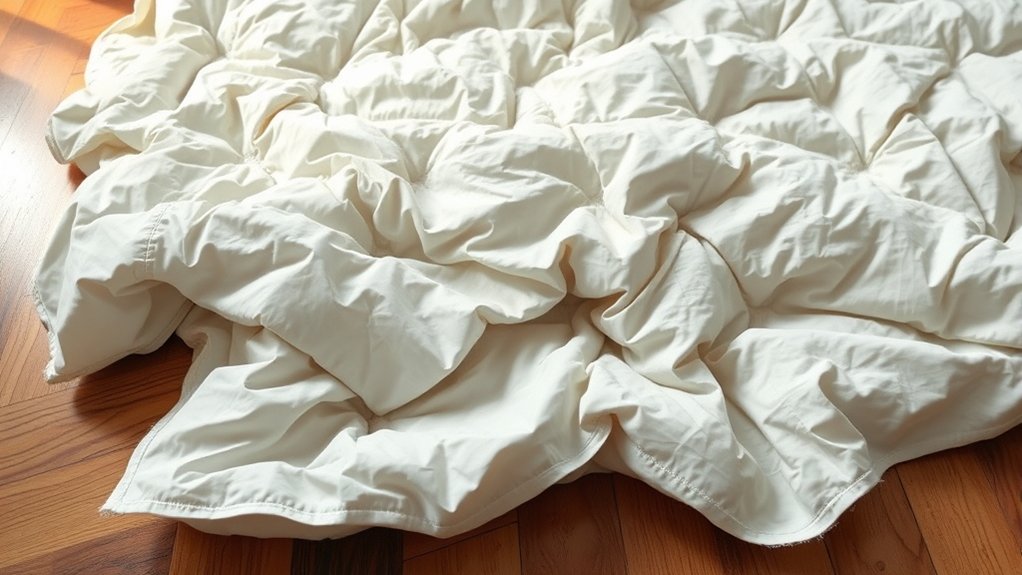
If you’ve washed your dry clean only comforter at home, carefully inspect it for damage before deciding how to proceed. Identifying fabric damage early helps prevent further deterioration and guides appropriate care.
Look for these signs:
Noticeable shrinkage, often 20-30%, reducing the comforter’s original size.
Tearing or weakened fabric, especially along seams or delicate areas.
Discoloration or bleeding that alters the fabric’s appearance.
Loss of loft or uneven, lumpy filling indicating internal damage.
Persistent chemical or foul odors suggesting residue or fabric compromise.
These indicators confirm that home washing has affected your comforter’s integrity.
Promptly addressing these issues ensures you maintain its longevity and comfort, despite the risks of improper cleaning.
When Is Home Washing Safe for a Dry Clean Only Comforter?
Recognizing damage from improper cleaning helps you decide whether home washing is a viable option for your dry clean only comforter.
Home washing can be safe when the care label permits, especially for synthetic or cotton-filled comforters. You should use a gentle cycle with cold water and mild detergent to minimize stress on the fabric.
Choosing a large, front-loading washing machine without an agitator further reduces the risk of tearing delicate materials.
However, home washing is generally unsuitable for silk, wool, or comforters with special coatings unless explicitly allowed by the care instructions.
After washing, thorough drying is essential to preserve the comforter’s integrity.
Always consult the care label carefully to assure home washing aligns with your dry clean only comforter’s specific care requirements.
It’s better to be safe than sorry when it comes to keeping your comforter in great shape!
Tips to Minimize Damage When Washing at Home
When washing a dry clean only comforter at home, you have to take deliberate steps to protect its fabric and structure. Using a gentle cycle with cold water and mild detergent helps minimize fiber damage and color fading. It’s a simple way to keep your comforter looking fresh.
To further safeguard your comforter, turn it inside out and place it in a mesh bag or pillowcase. This extra layer of protection really makes a difference.
Also, avoid overloading your washing machine to ensure effective cleaning without stressing the fabric.
Try to limit spin cycles, especially high-speed spins, because they can cause tearing or distortion.
After washing, make sure you air dry the comforter completely. This step is important to prevent mold growth and fiber degradation.
Follow these tips to maintain your comforter’s integrity:
- Use gentle cycle and mild detergent
- Turn comforter inside out and use a mesh bag
- Avoid overloading the washing machine
- Limit spin cycles and avoid high speeds
- Air dry thoroughly before use
When You Should Choose Professional Dry Cleaning
Although you might be tempted to handle all cleaning at home, choosing professional dry cleaning becomes essential for comforters made from delicate fabrics such as silk or wool. It’s also important if your comforter has special embellishments that could be damaged by water and agitation.
You should also opt for professional dry cleaning when your comforter has tough stains like oil or grease that home methods can’t remove effectively. Plus, comforters with coatings or linings sensitive to water need dry cleaning to keep their integrity intact.
If your comforter is heavily soiled, has mold, or odors from humid conditions, professional dry cleaning ensures thorough sanitation.
Always follow the care instructions, and think about dry cleaning every 3 to 5 years to preserve your comforter’s fabric quality and insulating properties.
Summary: Making the Best Choice for Your Comforter
If you want to maintain your comforter’s quality and longevity, it’s really important to follow the care label instructions carefully, especially if it says “Dry Clean Only.” Trying to wash these comforters at home can cause shrinking, fabric damage, and make them lose their shape.
So, when you’re choosing how to care for your comforter, keep a few things in mind. Don’t use a washing machine on dry clean only comforters—that’s a sure way to damage them. Also, improper washing can harm delicate fabrics, so you want to be cautious.
It’s best to go with a professional dry cleaner. They help preserve the insulation, color, and the overall fabric integrity. Plus, harsh chemicals you might use at home can actually break down fibers like silk or wool.
If you’re unsure about what to do, just ask a professional dry cleaner. They can guide you and really help extend the life of your comforter.
Following these tips will keep your comforter looking and feeling great for years.
Frequently Asked Questions
Can Washing a Dry Clean Only Comforter Affect Allergy Resistance?
Yes, washing a dry clean only comforter can reduce its allergy resistance. When you wash it improperly, you risk damaging the fabric and filling.
This breaks down the barriers that keep allergens like dust mites out.
This damage makes it easier for allergens to get in, which can make allergy symptoms worse.
To keep your comforter’s allergen defense strong, it’s best to stick to dry cleaning recommendations. Or, you can use professional services that remove allergens without harming the materials.
How Often Should Dry Clean Only Comforters Be Professionally Cleaned?
You should have your dry clean only comforter professionally cleaned every three to five years to preserve its structure and cleanliness.
However, if you suffer from allergies or use it heavily, more frequent cleaning might be necessary.
Between cleanings, regularly airing out the comforter and spot cleaning help maintain hygiene without compromising the fibers.
Always follow the manufacturer’s care label to guarantee your comforter stays in excellent condition over time.
Are There Eco-Friendly Dry Cleaning Options for Comforters?
Long before the steam engine revolutionized society, eco-friendly dry cleaning options already existed for comforters. You can choose services that use biodegradable solvents like hydrocarbons or silicone-based agents. These options help reduce toxic waste and emissions.
Some services even use plant-based solvents and energy-efficient machinery. This means safer cleaning for you and the environment.
Always check for certifications like GreenEarth or EcoLogo. These confirm a commitment to sustainable, responsible practices.
Can Minor Stains Be Spot Cleaned Safely at Home?
Yes, you can safely spot clean minor stains at home on a dry clean only comforter. Use a gentle stain removal pen or a mild detergent-water mix.
Just make sure to test first on a hidden area to avoid damage.
Always blot gently without scrubbing. Harsh action or excess moisture can harm the fabric or set stains.
If you have stubborn marks, it’s best to consult a professional cleaner. They can properly preserve the comforter’s delicate materials.
What Storage Tips Help Maintain a Dry Clean Only Comforter?
You might think stuffing your dry clean only comforter into a plastic bag and tossing it in a steamy closet is fine, but that invites mold and damage.
Instead, store it in a breathable cotton bag in a cool, dry place away from sunlight. Avoid compressing it tightly to preserve loft.
Add lavender sachets or cedar blocks to keep pests away.
Always make certain it’s clean and fully dry before storage to maintain freshness and fabric integrity.
This way, your comforter stays in great shape for years to come.
Conclusion
If you ignore the “dry clean only” label and wash your comforter at home, you risk turning it into a soggy, misshapen mess that looks like it survived a hurricane. The delicate fabric and filling can warp, clump, or lose their protective coatings, ruining your investment.
Always weigh the risks carefully. Sometimes, trusting professional dry cleaning is the only way to keep your comforter pristine and cozy for years to come.