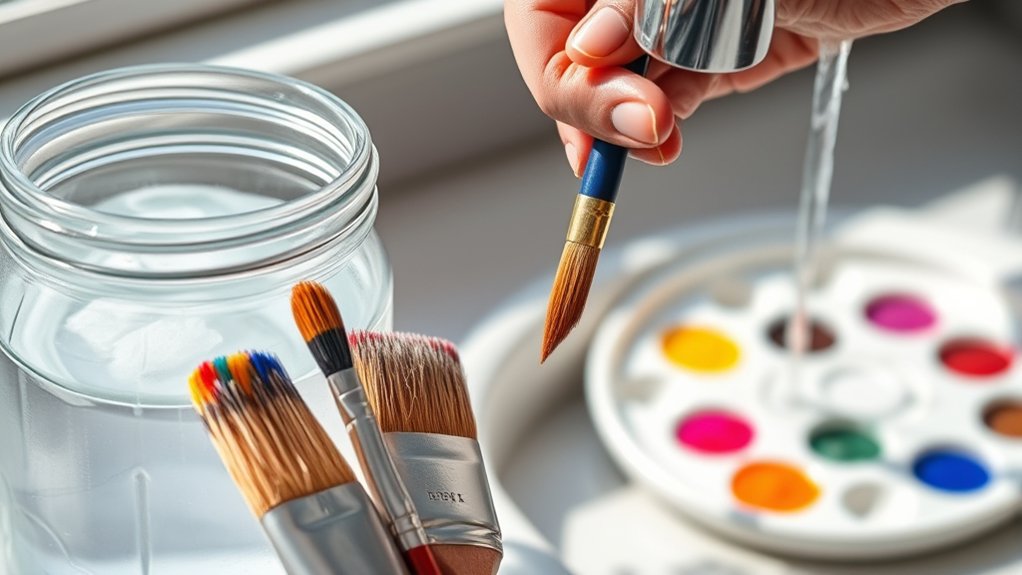
How To Clean Dry Acrylic Paint Brushes – Easy Guide
To clean dry acrylic paint brushes, soak them in rubbing alcohol for 90 minutes to soften the hardened paint. After soaking, gently swirl the brushes in warm, soapy water to break down the residue. Then, rinse them thoroughly with cold water.
If you find some stubborn spots, use a soft brush to scrub carefully. Avoid harsh scrubbing or using hot water since that can damage the bristles. Proper maintenance, like cleaning your brushes promptly and drying them correctly, really helps prolong their life.
Keep exploring for effective products and prevention tips to keep your brushes in great shape.
Why Dried Acrylic Paint Brushes Are Hard To Clean
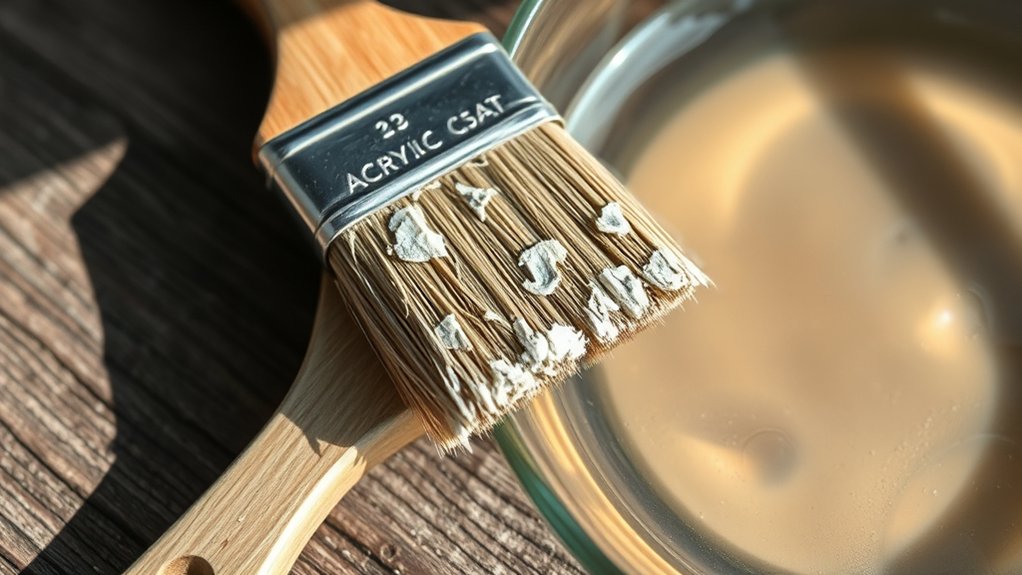
Why does dried acrylic paint cling so stubbornly to your brushes? Dried paint forms a hard, plastic-like layer that bonds tightly to each bristle, embedding deeply within the fibers. As the paint loses flexibility during drying, it becomes increasingly difficult to dislodge.
Once fully dried, acrylic paint creates a resistant film that standard washing methods can’t dissolve or loosen effectively. The longer the dried paint remains on your brush, the more it hardens, often clogging the ferrule and the bristle base.
This not only complicates thorough cleaning but also risks damaging your brush structure. Understanding this chemical and physical transformation explains why dried paint brushes require more than routine rinsing to restore their usability.
Best Products For Cleaning Dried Acrylic Brushes
Although removing dried acrylic paint from brushes can be challenging, selecting the right cleaning product really improves your chances of restoring them effectively. Rubbing alcohol stands out as the most efficient solution. It often restores brushes within 90-180 minutes of soaking.
Specialized brush cleaners also work well, but they usually need a longer soak. Simple Green and Murphy’s Oil Soap can soften dried paint, but they require more effort on your part. Warm vinegar and Goo Gone, on the other hand, generally don’t work.
| Product | Effectiveness |
|---|---|
| Rubbing Alcohol | Highly effective, quick results |
| Specialized Brush Cleaner | Effective, longer soak needed |
| Simple Green / Oil Soap | Softens paint, labor-intensive |
| Warm Vinegar / Goo Gone | Ineffective on dried acrylic |
If you want precise, efficient cleaning of dried acrylic brushes, go for rubbing alcohol.
How To Soak And Clean Dried Paintbrushes Step-By-Step
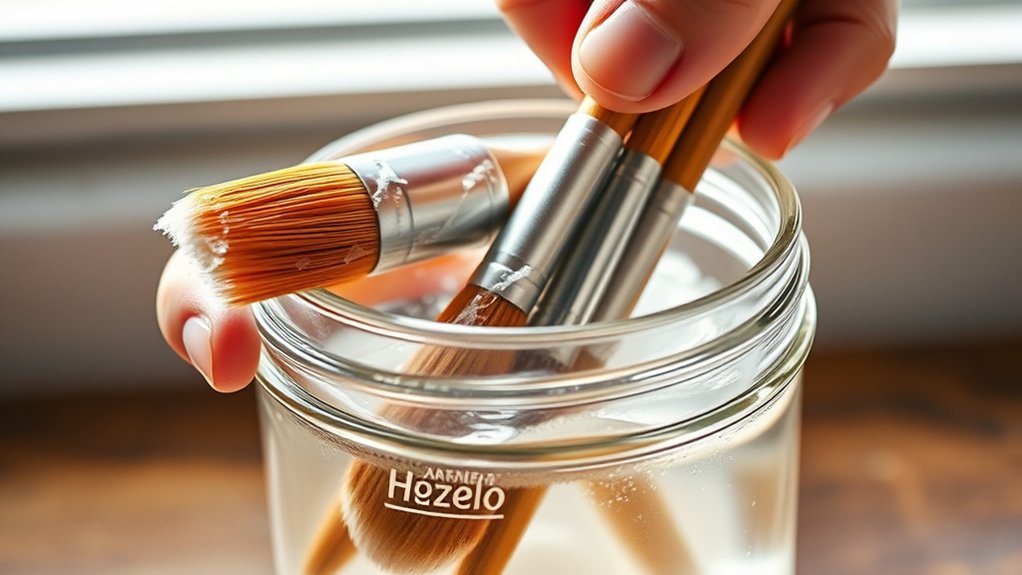
When you’re ready to clean dried acrylic paintbrushes, start by soaking them in rubbing alcohol for at least 90 minutes. This helps to effectively loosen the hardened paint. It’s a simple first step that really makes a difference.
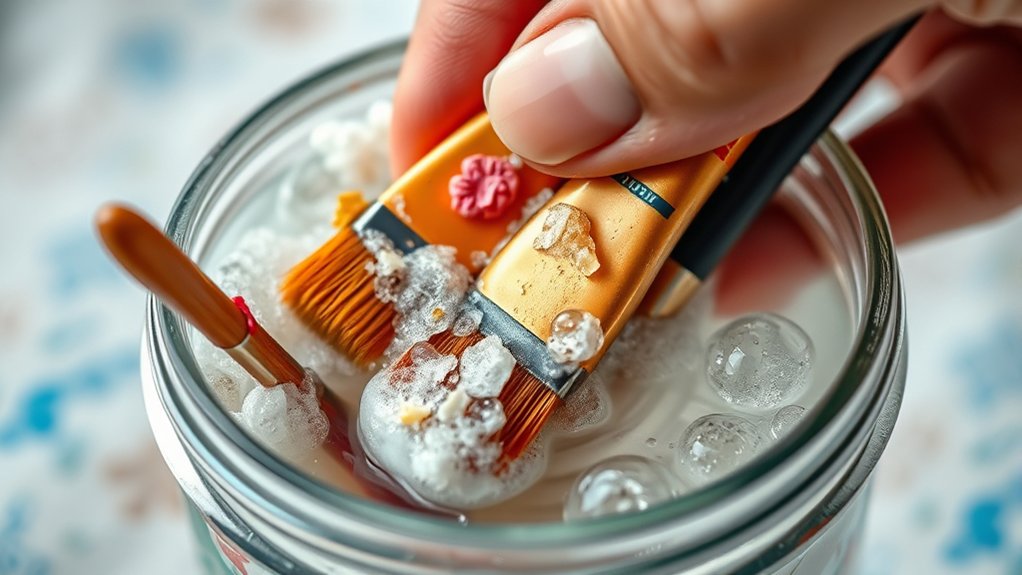
Next, prepare a heatproof bowl with boiling water and dish soap. Submerge the brushes and swirl them gently to soften the dried paint and medium embedded in the bristles.
Apply light pressure while swirling to break up paint buildup.
After soaking, rinse the acrylic paint brushes thoroughly under cold water to remove loosened residues. Check if the bristles feel flexible.
If the paint is still stiff, just repeat the soaking and cleaning steps until the brushes regain pliability and look clean.
This method guarantees thorough removal of dried acrylic paint without damaging the bristles.
Plus, it helps preserve the brushes’ usability for your future projects.
How Long To Soak Brushes: 90 Minutes, 3 Hours, Or Overnight?
Deciding how long to soak your acrylic paintbrushes depends largely on the severity of the paint buildup and the type of soaking solution you use. A 90-minute soak typically softens dried paint enough for easier removal but may not fully loosen set-in paint.
Extending the soak to 3 hours increases the chances of loosening stubborn, dried layers, making cleaning more effective. For very dried or heavily set paint, an overnight soak offers the best opportunity to break down the residue, though full restoration isn’t guaranteed.
Keep in mind, longer soaks generally improve paint removal but can risk damaging delicate brushes if not monitored carefully. So, adjust your soak time based on paint age, brush durability, and soaking product to balance effectiveness and brush preservation.
How Effective Are Methods For Removing Dried Acrylic Paint?
The success of removing dried acrylic paint depends heavily on the method and timing you choose. Rubbing alcohol stands out as the most effective solvent, often restoring brushes within 90-180 minutes of soaking.
In contrast, warm vinegar or Simple Green have limited effectiveness and rarely remove dried acrylic paint fully.
The longer the paint sets, especially beyond several days, the harder it becomes to remove without damaging the brush. Repeated solvent soaks can loosen hardened paint but may not guarantee complete recovery.
So, it’s best to act quickly for the best results.
Key points to consider:
- Rubbing alcohol: highly effective for dried acrylic paint removal.
- Vinegar and Simple Green: limited success, partial cleaning only.
- Prolonged drying time: considerably reduces removal effectiveness and risks brush damage.
Tips For Reviving And Maintaining Your Paintbrushes
Although dried acrylic paint can be challenging to remove, you can revive your brushes by soaking them in rubbing alcohol for up to three hours to loosen hardened paint. After soaking, use dish soap and hot water with gentle scrubbing to clean stubborn paint from the bristles effectively.
To keep your brushes in good shape, avoid letting paint dry on them while you’re working. Drying paint can damage the bristles and tools, which nobody wants. If the bristles become frayed or splayed, you can carefully trim them with scissors to restore their shape and functionality.
Always dry your brushes properly after cleaning. Avoid standing them upright in water because that can loosen the glue and cause bristle loss.
Consistent cleaning and proper handling will help your paintbrushes stay reliable for all your painting projects.
How To Prevent Dried Paint Buildup And Extend Brush Life
Keeping your brushes clean while you work is key to preventing paint from drying and hardening on the bristles. To extend your brush life, you need to keep an eye on paint buildup and actively prevent it. Try working with smaller amounts of paint and use quick-drying techniques to cut down on residue.
When you take a break, cover the brush with plastic or moisten the bristles to stop them from drying out. Cleaning your brush right away with soap and water after use removes leftover acrylics and keeps hardened deposits at bay.
- Keep an eye on drying paint by rinsing brushes during breaks
- Prevent buildup by storing brushes flat or hanging them to keep their shape
- Make your brushes last longer by cleaning them immediately and avoiding too much paint
Following these tips will help your brush stay flexible, durable, and ready for your next project.
Choosing The Right Brushes To Make Cleaning Easier
You’ll want to pick brushes that have synthetic, short, and stiff bristles. These help keep paint absorption low and make cleaning way easier.
It’s best to go for brushes made specifically for acrylics—they usually have tight ferrules and are built with durable materials. That way, they hold their shape even after lots of washes.
Choosing the right brush really makes a difference when it comes to cleaning and helps your tools last longer.
Brush Types And Materials
When selecting brushes for acrylic painting, choosing synthetic fibers like nylon or polyester can make your cleaning process a lot easier because they resist paint buildup. Synthetic brushes actually do a better job than natural hog bristle brushes when it comes to staying clean.
Besides the material, the design of the brush also affects how easy it’s to clean. Brushes with shorter, stiffer bristles give you better control and wash out more easily than long, floppy ones. Flat and filbert brushes help too since they reduce dried paint buildup in the ferrule, which makes maintenance simpler.
So, when you’re picking brushes, keep these things in mind:
- Go for synthetic bristles like nylon or polyester to avoid paint buildup.
- Pick shorter, stiffer bristles for easier cleaning and better control.
- Choose flat or filbert shapes with tightly bound bristles to cut down on trapped paint.
Making these choices will help you clean your brushes more effectively and keep them lasting longer.
Maintaining Brush Shape
Although cleaning acrylic paint brushes can be straightforward, maintaining their shape means picking the right brushes from the start. You’ll find brushes with shorter, stiffer bristles easier to clean since paint won’t get trapped deep within the ferrule.
Synthetic brushes are a better choice because they resist paint buildup and suffer less damage during cleaning. This helps preserve the brush shape effectively.
It’s a good idea to go for brushes with tapered or pointed tips to stop them from splaying or fraying after washing. High-quality brushes with tightly bound bristles hold their shape through repeated cleanings.
Also, choosing properly shaped brushes like flat or round profiles makes cleaning easier because you get better access to all the bristle areas. When you focus on these features, maintaining your brushes becomes simpler and keeps them in great condition.
Troubleshooting Common Brush Cleaning Problems
When dried acrylic paint gets stubborn, you’ll want to reach for chemical solvents like rubbing alcohol. Sometimes, it takes a few soaking sessions or some gentle scraping to fully get it off.
Just a heads up—hot water alone won’t do the trick because it can’t really break down the hardened paint.
To keep your brushes in good shape, try to clean them right after you’re done using them.
If you notice the bristles are splayed or damaged, it might be time to trim them or even replace the brush altogether.
Taking care of your brushes like this will help them last longer and work better for you.
Stubborn Paint Removal
Since dried acrylic paint bonds firmly to brush bristles, removing stubborn residue demands more than just rinsing with hot water. For effective stubborn paint removal, soak your brushes in rubbing alcohol or a specialized brush cleaner for several hours. Hot water alone won’t dissolve fully set acrylic paint, so chemical solvents are essential.
After soaking, gently scrub the bristles with a soft brush or toothbrush to loosen any remaining pigment. If paint persists, you might need to trim the bristles or apply a targeted paint remover.
Key tips for stubborn paint removal include:
- Soak brushes for extended periods in appropriate solvents
- Use gentle scrubbing tools to avoid damaging bristles
- Consider bristle trimming only as a last resort
Regular cleaning prevents stubborn buildup and simplifies maintenance. It really pays off to keep up with it!
Bristle Damage Prevention
To preserve the lifespan and performance of your acrylic paint brushes, you must handle cleaning carefully to prevent bristle damage. Use lukewarm or cold water rather than hot water, which can cause the bristles of the brush to splay or fray.
Avoid excessive force or aggressive scrubbing to prevent loosening or misshaping the bristles.
Never soak brushes in harsh chemicals like acetone for extended periods, as this weakens and deteriorates the bristles.
After cleaning, always reshape the bristles of the brush to maintain their original form and functionality.
Furthermore, steer clear of abrasive tools or rough surfaces that can break or damage the delicate tips of the bristles.
Following these precautions ensures your brushes remain effective and long-lasting. Just take it easy with your brushes, and they’ll keep working great for you.
Frequently Asked Questions
Can I Use Household Items to Clean Dried Acrylic Brushes?
Yes, you can use household items like rubbing alcohol, vinegar, and dish soap to clean dried acrylic brushes.
Rubbing alcohol works fastest, usually within 90 minutes, by breaking down the paint.
Vinegar softens paint but needs longer soaking and scrubbing.
Dish soap helps remove residue and keeps bristles soft.
Be patient and repeat treatments if necessary.
Just avoid harsh scrubbing to prevent damaging delicate brushes during cleaning.
How Do I Store Brushes After Cleaning to Keep Them Soft?
Store brushes flat or hang them with the bristles pointing downward. This way, water won’t seep into the ferrule and loosen the glue. After cleaning, gently reshape the bristles to keep their form.
Avoid storing brushes upright with the bristles facing up because water can collect there and cause damage. It’s a good idea to use a brush holder with individual slots to prevent bending.
Also, keep your brushes in a dry, well-ventilated area to avoid mold or mildew buildup.
Are Natural Bristle Brushes Easier to Clean Than Synthetic Ones?
No, natural bristle brushes aren’t easier to clean than synthetic ones. Their coarser fibers trap dried acrylic paint more effectively, which makes removal harder. You’ll need more thorough and frequent cleaning to avoid paint hardening and damaging the bristles.
Synthetic brushes have smoother surfaces and resist paint buildup better. They also tolerate solvent-based cleaners like rubbing alcohol. So, you can clean them more easily and keep them in good shape for longer.
Can Dried Acrylic Paint Damage Brush Handles or Ferrules?
Yes, dried acrylic paint can damage brush handles and ferrules. When paint seeps into the ferrule, it can corrode the metal or weaken glue bonds. This can cause the ferrule to loosen or even detach.
Paint buildup also puts stress on the handle, making it brittle or causing cracks over time. If you don’t remove the paint promptly, it speeds up wear and tear. This could lead to rust or the brush falling apart.
Is It Safe to Clean Brushes in a Dishwasher or Washing Machine?
No, you shouldn’t clean brushes in a dishwasher or washing machine. The high heat and harsh detergents can damage bristles and handles, causing deformation or loosening. Dishwashers aren’t designed for delicate art tools, and washing machines’ agitation can bend or break brushes.
Over time, chemicals degrade materials and shorten your brush’s lifespan. Instead, clean your brushes manually with water and mild soap. This way, you’ll preserve their shape and quality much more effectively.
Conclusion
Cleaning dried acrylic brushes may seem tough, but with the right products and soaking times, you can restore them effectively. For instance, an artist who soaked brushes overnight in a commercial acrylic brush cleaner regained nearly new bristles, saving replacement costs.
By following precise soaking steps, maintaining brushes, and choosing quality tools, you’ll extend their lifespan and guarantee consistent painting results. Remember, proper care prevents buildup, making each cleaning easier and more efficient.