Can You Dry Clean Nylon – What To Know
Yes, you can dry clean nylon, but it requires special care to avoid damage. Always check the care label first. If it says “Dry Clean Only,” trust that guidance.
Dry cleaners use gentle solvents and low heat to protect nylon’s delicate fibers and coatings. Improper cleaning can cause melting, stiffness, or loss of water resistance.
Understanding when and how to dry clean nylon guarantees your garment stays strong and looking its best. There’s more to safely caring for nylon worth knowing.
What Does the Care Label Say About Dry Cleaning Nylon?
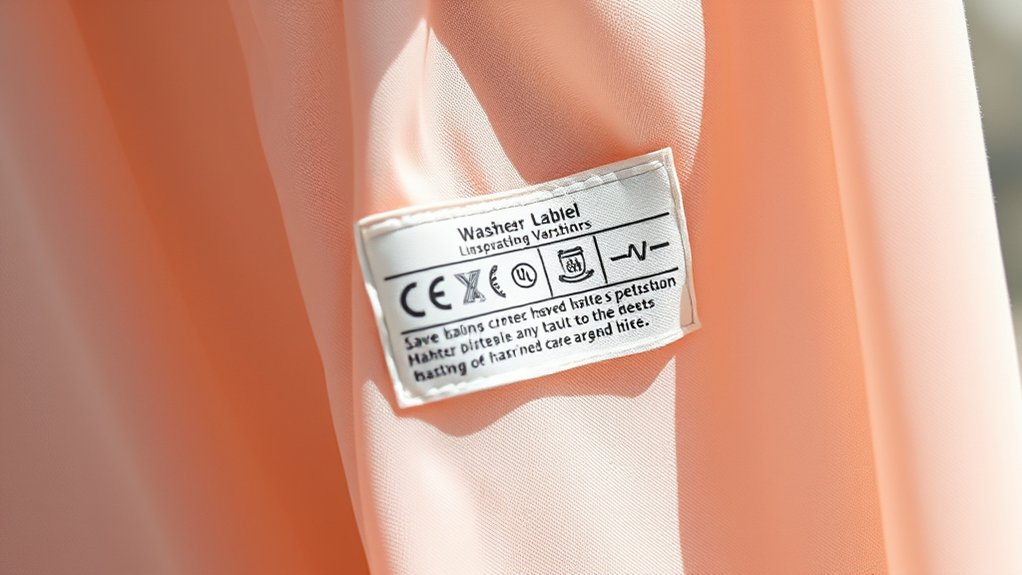
How can you tell if your nylon garment needs dry cleaning? The care label gives you clear guidance on fabric care and washing instructions. If it says “Dry Clean Only,” that means dry cleaning is important to keep your nylon looking its best.
But many nylon items say “Machine Washable,” which means you can wash them at home without any worries. Some labels also have symbols that suggest dry cleaning with gentle solvents or specific methods, so it’s good to check those carefully.
Just make sure to follow the care label’s instructions exactly to avoid damaging your nylon. Doing this helps your fabric keep its strength, look, and last longer. Proper care really makes taking care of nylon easy and effective.
Why Nylon Needs Special Treatment
Because nylon is a synthetic fabric with unique properties, it requires special care during dry cleaning to avoid damage. Nylon fabrics can warp or even melt if exposed to high heat commonly used in some dry cleaning processes.
Furthermore, harsh chemicals in certain solvents may weaken the synthetic fabric’s structure over time, reducing its durability.
Repeated dry cleaning can cause nylon to become stiff, pilled, or lose elasticity, which diminishes its appearance and comfort. The water-resistant coatings on nylon garments are also vulnerable and can be stripped away during traditional dry cleaning.
Excessive agitation in dry cleaning machines further risks pilling and surface fuzzing.
When to Choose Dry Cleaning for Nylon
Knowing the delicate nature of nylon helps you decide when dry cleaning is the best option. You should dry clean nylon garments labeled “Dry Clean Only” to avoid damage from water and heat.
If your nylon item has delicate embellishments, intricate details, or structured designs, dry cleaning preserves their shape and appearance.
Nylon pieces with water-resistant coatings or special finishes also require professional care to maintain their protective qualities.
For vintage or heavily soiled nylon clothing, dry cleaning prevents shrinking, warping, and fiber degradation.
Always check the care label before cleaning. Some nylon can be washed at home, but for delicate or special-care nylon, dry cleaning is the safest choice to protect the fabric’s integrity and extend the garment’s lifespan.
How Dry Cleaners Safely Clean Nylon
Although nylon is a durable synthetic fabric, dry cleaners use specialized, gentle solvents and carefully controlled low temperatures to clean it without causing damage.
During dry cleaning, these gentle solvents dissolve stains without affecting nylon’s water-resistant coating or shape.
Gentle solvents remove stains while preserving nylon’s water-resistant coating and maintaining its shape.
After cleaning, nylon garments undergo low-heat tumbling, which refreshes the fabric while preventing melting or warping.
Dry cleaners also apply mild agitation to ensure thorough cleaning without stressing the fibers.
To optimize fabric preservation, it’s important you inform your cleaner about any embellishments or coatings on your nylon items. This way, they can tailor their methods to protect the garment’s integrity.
Risks of Improper Dry Cleaning for Nylon
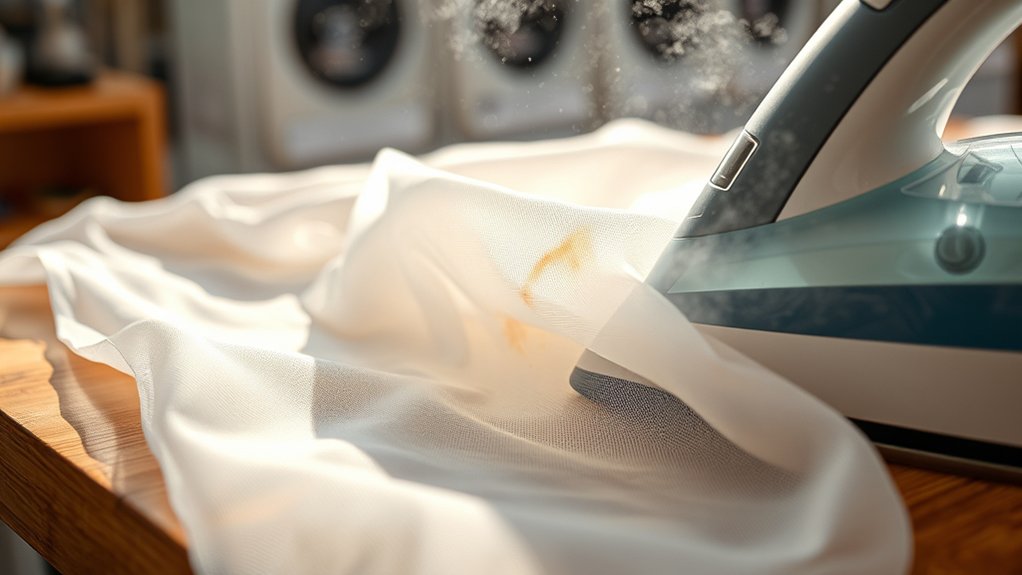
If dry cleaning nylon garments involves improper methods, you risk causing irreversible damage such as shrinkage, stiffening, or discoloration. Harsh chemicals in some dry cleaning processes can weaken nylon fibers, reducing their strength and durability.
Excessive heat exposure during cleaning may cause melting or warping, further compromising the fabric’s integrity. Moreover, inappropriate solvents can strip away nylon’s water-resistant coatings, diminishing its functional benefits.
Repeated or careless dry cleaning accelerates pilling and abrasion, profoundly shortening your garment’s lifespan. To avoid this damage, it’s essential that dry cleaning professionals use the right chemicals and control temperatures carefully.
By understanding these risks, you can better protect your nylon items from the adverse effects of improper dry cleaning. It’s worth taking the time to ask about the cleaning methods used or even considering alternatives if you’re unsure.
That way, your nylon clothes will stay in great shape for longer.
Safe Home Cleaning Alternatives for Nylon
How can you safely clean your nylon garments at home without risking damage? Follow these practical methods to maintain their quality:
Use hand washing with mild detergent in cold water to gently clean your nylon garments. Avoid harsh chemicals that might weaken the fabric.
Place delicate items in a mesh laundry bag before machine washing on a gentle cycle. This helps prevent snagging or stretching.
Always air dry your nylon pieces flat or hang them up. Steer clear of high heat since it can cause damage.
Apply fabric softener sparingly during washing or use dryer sheets when air drying. This reduces static and keeps your clothes soft.
These simple steps will keep your nylon looking great without needing professional dry cleaning.
Give them a try—you’ll see the difference!
Maintaining Nylon Clothes Between Dry Cleanings
To keep your nylon clothes fresh and in good condition between dry cleanings, you should regularly air them out and address small stains promptly with spot cleaning. Use a damp cloth and mild detergent to treat spots without a full wash.
When washing nylon, opt for cold water on a gentle cycle to preserve the fabric’s integrity and minimize wear.
Incorporate fabric sprays like Classic Fabric Spray to refresh your garments and reduce wrinkles without needing immediate dry cleaning.
Proper storage is also essential. Keep nylon clothes in a cool, dry place and avoid overcrowding to prevent creases and fabric stress.
These simple maintenance steps will extend the time between professional dry cleaning, helping your nylon clothes look their best longer. It’s an easy way to keep your wardrobe looking fresh without extra hassle.
Choosing the Right Cleaner for Nylon Garments
Where can you find a dry cleaner who truly understands how to handle your delicate nylon garments? Choosing the right dry cleaners is vital since not all have experience with synthetic fabrics like nylon.
To guarantee proper care, follow these steps:
First, check the care label to confirm if dry cleaning is recommended or required.
Then, verify the dry cleaner’s experience with nylon and other synthetic fabrics.
Choose dry cleaners who use gentle cleaning methods with solvent-based solutions safe for nylon.
Also, ask if they provide specialized treatments that maintain nylon’s water-resistant or stretch properties.
Frequently Asked Questions
Can Dry Cleaning Nylon Affect Its Color or Texture?
Yes, dry cleaning nylon can affect its color or texture. You might notice discoloration, fading, or dye bleeding if the chemicals aren’t compatible with the fabric.
High heat or strong solvents can make nylon feel stiff or brittle. To protect your garment, you should always inform your dry cleaner about the fabric type and dye stability.
Testing a small area first helps prevent unwanted changes in appearance or feel. It’s a simple step that can save your favorite nylon piece from damage.
How Often Can Nylon Be Safely Dry Cleaned?
You can safely dry clean nylon every 3 to 6 months, depending on how often you wear it and how dirty it gets. Try to avoid frequent cleanings, as they can weaken the fibers, cause pilling, or fade colors.
When necessary, rely on professional services using mild solvents to maintain nylon’s elasticity and water resistance.
Only increase cleaning frequency if your nylon item is heavily soiled or stained.
Are There Specific Nylon Blends That Shouldn’T Be Dry Cleaned?
You’d think all nylon blends could survive dry cleaning, but some just can’t handle it! Delicate blends with silk or wool, or those containing elastic fibers like spandex, often risk shrinkage or losing stretch.
Also, nylon with special coatings or water-resistant treatments can be damaged. Always check your garment’s care label before dry cleaning to avoid ruining your clothes.
When in doubt, opt for gentle hand washing instead.
What Solvents Are Commonly Used in Dry Cleaning Nylon?
You’ll find perchloroethylene (perc) commonly used in traditional dry cleaning, but it can be harsh on nylon if misapplied.
Hydrocarbon solvents offer a gentler, more eco-friendly option, especially for delicate nylon fabrics.
Silicone-based solvents, like decamethylcyclopentasiloxane (D5), are becoming popular because they clean well without harming the fibers.
Choosing the right solvent really depends on your nylon item’s structure and any special finishes it might have.
That way, you can ensure safe and thorough cleaning every time.
Can Dry Cleaning Remove All Types of Stains From Nylon?
You might think dry cleaning removes all stains from nylon, but it doesn’t always. Dry cleaning excels at tackling oil-based and protein stains like blood or sweat.
Yet, water-based stains like soda often need pre-treatment.
Some color bleeding or dye issues may persist despite dry cleaning. So, while dry cleaning is effective for many stains, it’s not a guaranteed solution for every stain type on your nylon garments.
Conclusion
When it comes to nylon, think of dry cleaning as a gentle dance, not a rough tumble. You’ll want to follow care labels closely and trust professionals who know how to handle this delicate fabric.
Skipping proper care risks shrinking or damage. But with the right cleaner and smart home care, your nylon pieces can stay vibrant and strong.
Treat nylon with respect, and it will reward you with lasting wear and beauty.