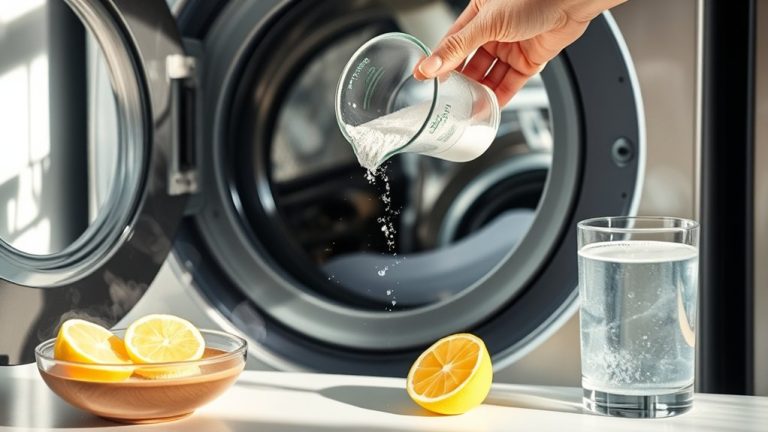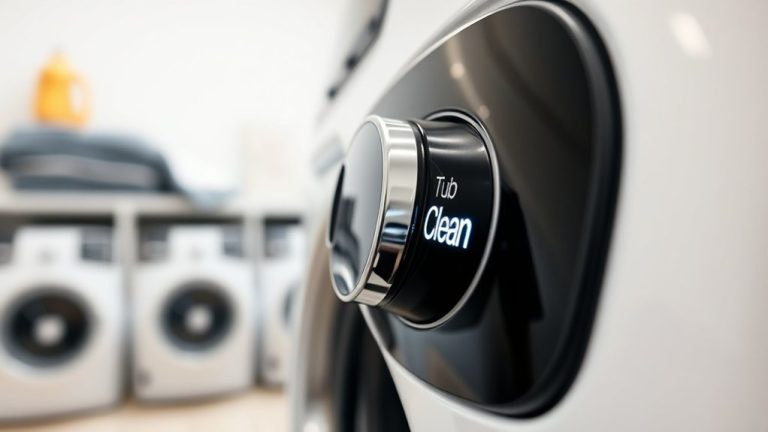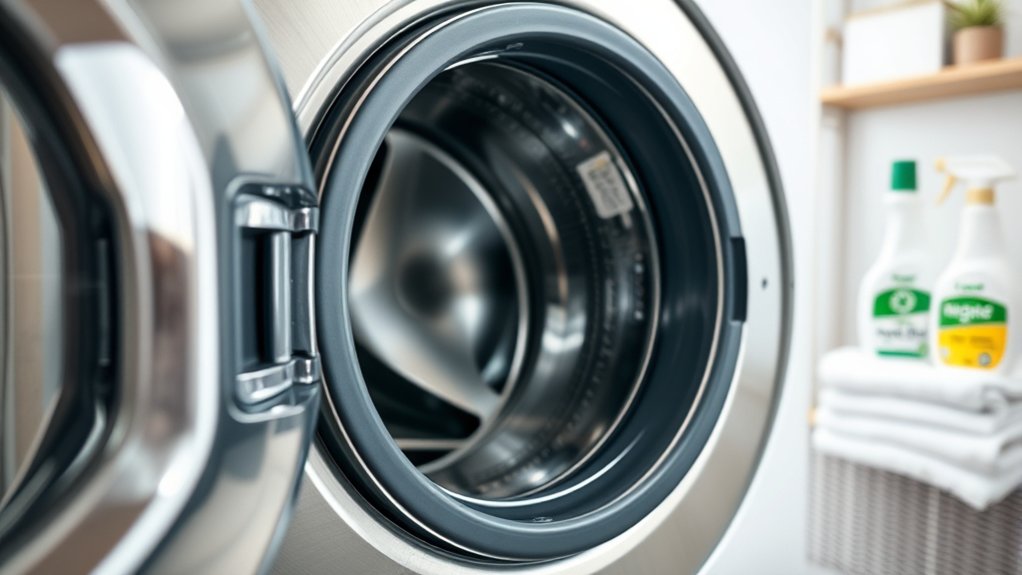
How Often Should You Self Clean Your Washing Machine – Guide
You should self clean your washing machine about once a month to prevent mold, odors, and detergent buildup. If you wash heavily soiled clothes or use your washer daily, increase cleaning to every 2–3 weeks. Pay attention to smells, residue, or visible mold. These signs mean you should clean it sooner.
Always run the cycle empty with recommended cleaners and leave the door open afterward. Following these steps helps maintain hygiene and performance. It’s pretty simple but makes a big difference.
Explore more tips and detailed guidance to keep your washer in top shape. Taking care of it regularly means your clothes come out fresh every time.
Why You Should Clean Your Washer Regularly
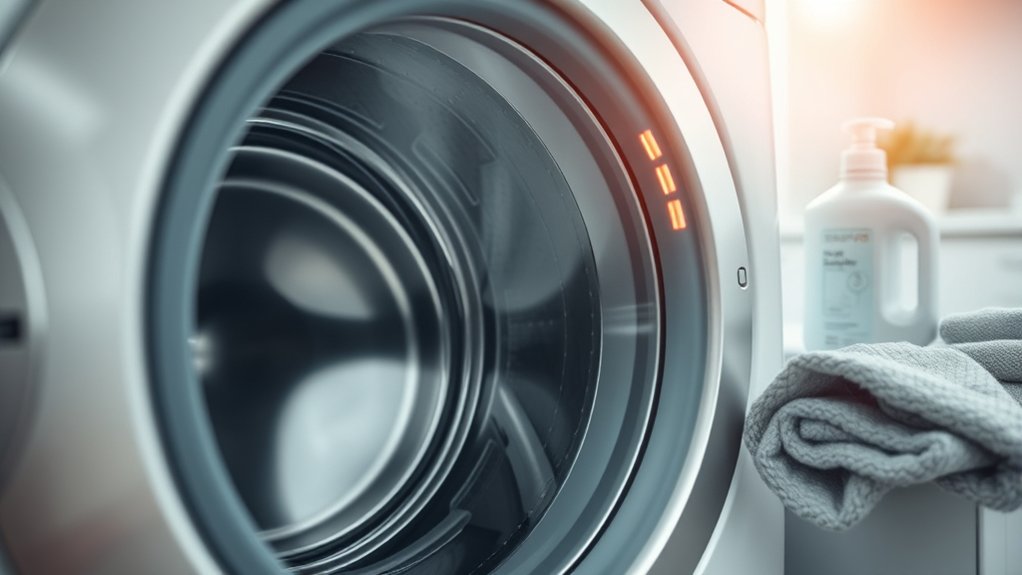
Why should you clean your washing machine regularly? A clean washer prevents the buildup of mold and mildew, which thrive in damp, detergent-rich environments. Over time, detergent residue accumulates, causing unpleasant odors and reducing washing efficiency.
Routine maintenance removes this residue, dirt, and bacteria, minimizing cross-contamination between laundry loads. By cleaning your washer consistently, you ensure ideal performance and extend its lifespan.
Regular maintenance clears residue and bacteria, reducing cross-contamination and boosting washer performance and longevity.
Regular cleaning also prevents clogging of filters and hoses, helping you avoid costly repairs. Following the manufacturer’s cleaning recommendations keeps your appliance fresh and operating efficiently.
In short, maintaining a clean washer is essential for hygiene, performance, and durability. It’s definitely a crucial part of your laundry routine.
How Often Should You Self Clean Your Washing Machine?
You should run your washer’s self-clean cycle about once a month to keep mold and odors at bay—this is what most manufacturers recommend.
But if you often wash heavily soiled clothes or outdoor gear, it’s a good idea to step up the cleaning to every 2–3 weeks.
Also, pay attention to any prompts your washer gives you.
And if you start noticing mildew or residue inside the drum, don’t wait—clean it more frequently to keep things fresh.
Recommended Cleaning Frequency
How often should you run a self-clean cycle to keep your washing machine hygienic? For ideal maintenance, Samsung recommends performing a self-clean cycle after every 40 loads. This cleaning frequency effectively prevents mold and odor buildup, ensuring your washer stays fresh.
If you regularly wash heavily soiled or outdoor clothes, increase the frequency to every 2 to 3 weeks to maintain proper hygiene.
On the other hand, if your machine sees infrequent use, running the self-clean cycle once a month will do the trick.
Most manufacturers advise scheduling this cycle at least every 30 to 60 days, depending on how much you use the machine.
Following these guidelines helps keep your washing machine’s interior clean, preventing mold, mildew, and bacterial growth.
Plus, it extends the appliance’s lifespan through consistent maintenance.
Usage-Based Cleaning Needs
Cleaning frequency varies depending on your washing machine’s usage patterns. If you use your washer daily, you’ll need to run the self-clean cycle more often to prevent residue buildup.
For typical household loads, initiating the self-clean cycle every 2-3 months is sufficient.
However, if you frequently wash heavily soiled clothes or garments exposed to outdoor elements, increase the cleaning frequency to about once a month.
Using excess detergent or additives can also speed up residue accumulation, so you might need a more rigorous cleaning schedule.
Pay attention to your washer’s indicator lights, which often prompt cleaning after roughly 40 loads.
It’s a good idea to tailor your cleaning schedule based on these factors. That way, you keep your machine running smoothly and free from contaminants.
Manufacturer Cleaning Guidelines
Although the ideal cleaning frequency depends on how often you use your washer, manufacturers like Samsung recommend running the self-clean cycle every 40 loads to keep things hygienic. Following these guidelines helps prevent mold and keeps odors at bay.
Here’s how to get the most out of your cleaning routine: For typical use, try running the self-clean cycle every 2 to 3 months. This helps stop mold and stubborn smells from building up.
If your washer detects heavy use, some models will even remind you automatically to start the self-clean cycle.
And if you do notice mold, mildew, or strong odors, it’s a good idea to clean more often than the manufacturer suggests.
Signs Your Washing Machine Needs a Self Clean Sooner
If you notice lingering odors after a wash, that’s a clear sign your machine needs a self clean sooner. You don’t want that smell sticking around, right?
Also, if you see mold or mildew around the door seal or inside the drum, it means buildup has started and needs your attention ASAP.
And don’t forget, any residue or soap scum left behind is a good indicator it’s time to run a cleaning cycle without waiting. Better to take care of it now than deal with bigger problems later!
Lingering Odors Present
How do you know when your washing machine needs a self-clean cycle sooner than scheduled? Lingering odors are a key indicator that mold and residue buildup have taken hold, requiring immediate attention.
Here are three clear signs to watch for:
- Persistent musty smells linger even after regular use and cleaning of dispensers and seals.
- Foul odors appear right after completing a wash cycle, hinting at hidden mold or residue.
- Odors remain despite routine maintenance, signaling that your washer demands more frequent self-clean cycles.
When you notice these signs, run an extra self-clean cycle using bleach or a specialized cleaner. Doing this promptly prevents mold from spreading and keeps your washing machine hygienic and odor-free.
Visible Mold Or Mildew
A visible presence of mold or mildew on your washing machine’s door seal, drum, or detergent dispenser signals an urgent need for a self-clean cycle. Mold spots or black patches show microbial growth that messes with hygiene and efficiency.
If you see slimy or fuzzy residues inside the drum, don’t wait to run a self-clean because these residues only help mold spread.
If you keep noticing musty odors after regular cleaning, that probably means there are hidden mold colonies. These need immediate attention. Make it a habit to check the door seal and detergent compartment often so you can catch mold early and stop it from building up too much.
Ignoring these signs can cause your laundry to get contaminated and might even damage the washer’s internal parts. So, prioritize running self-clean cycles on time. It’s the best way to keep your machine running well and stop mold and mildew from taking over.
Residue Or Buildup
Mold and mildew often leave behind visible signs, but residue and buildup can accumulate quietly, affecting your washing machine’s performance. You should run a self-clean cycle sooner if you notice:
- Visible soap scum or residue around the door seal and detergent dispensers, indicating residue accumulation that compromises cleaning efficiency.
- Persistent musty odors that regular cleaning doesn’t eliminate, signaling internal buildup that fosters mold growth.
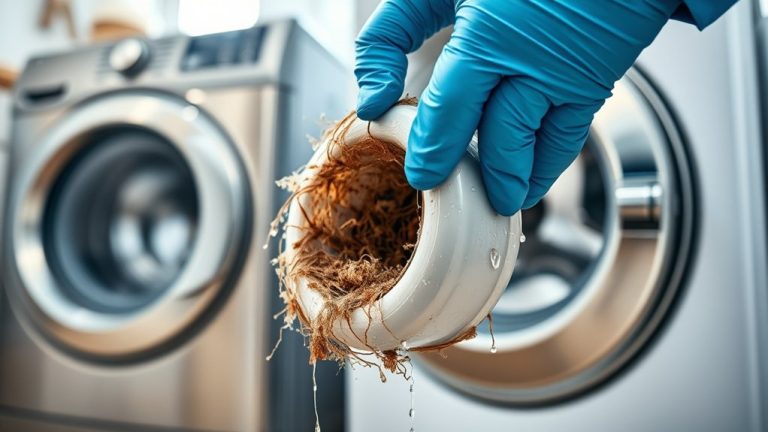
- Excessive lint or debris in the drum or drain filter, which can obstruct drainage and encourage residue buildup.
Also, sluggish draining or unusual noises during cycles often point to internal residue accumulation that needs immediate attention.
Frequent washing of heavily soiled or outdoor clothing speeds up residue buildup. So, you might need to run self-clean cycles more often to keep your machine working well and prevent mold from developing.
How Your Laundry Habits Affect Washing Machine Self-Cleaning
Since your laundry habits directly influence residue and odor buildup, you’ll need to adjust your washing machine’s self-cleaning frequency accordingly. Washing heavily soiled clothes or outdoor workwear increases detergent residue and dirt accumulation. This speeds up mold buildup and odor development.
Laundry habits affect residue and odors, so increase self-cleaning frequency for heavily soiled or outdoor clothes.
Using excess detergent or additives makes this worse. So, running more frequent self-cleaning cycles becomes essential to keep things hygienic and odor-free. Also, if you wash fabrics prone to strong odors or mold, you’ll want to pay extra attention to cleaning.
The more often and intensively you use your washer, the more often you should run a self-cleaning cycle. Regularly doing this after heavily soiled loads helps prevent mold, mildew, and lingering odors. It also means you won’t need extra deep cleaning as often.
Tailoring your self-cleaning schedule based on these habits really helps optimize your washing machine’s performance and longevity. It’s all about keeping things fresh and running smoothly!
Step-by-Step Guide to Running a Self Clean Cycle
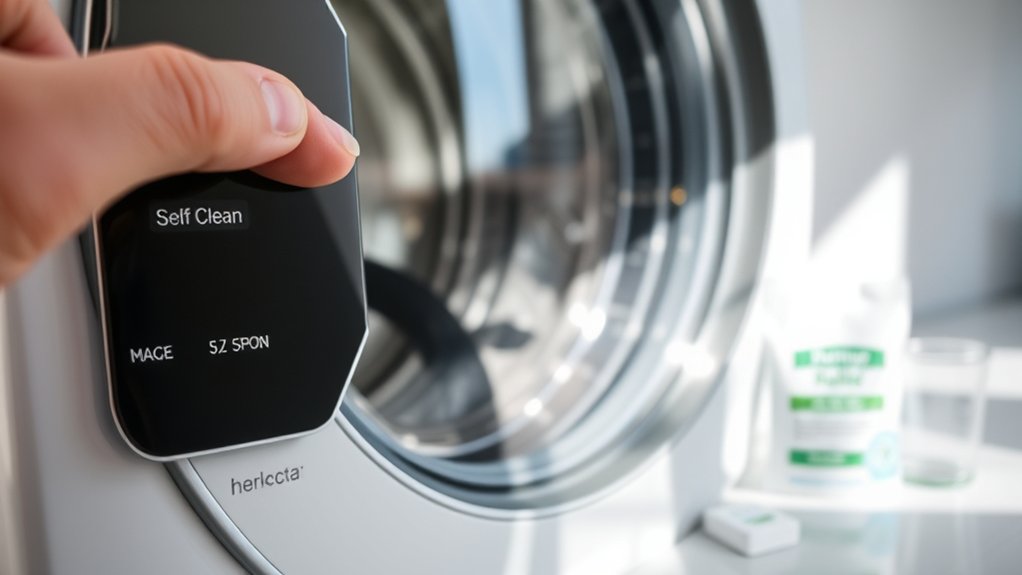
Before running a self-clean cycle, make sure your washing machine is completely empty. This prevents damage and guarantees effective cleaning. Follow these steps for the best results:
First, select the self-clean cycle or Pure Cycle on your washer. Keep in mind that top load models run about 1 hour, while front load models may take up to 4 hours.
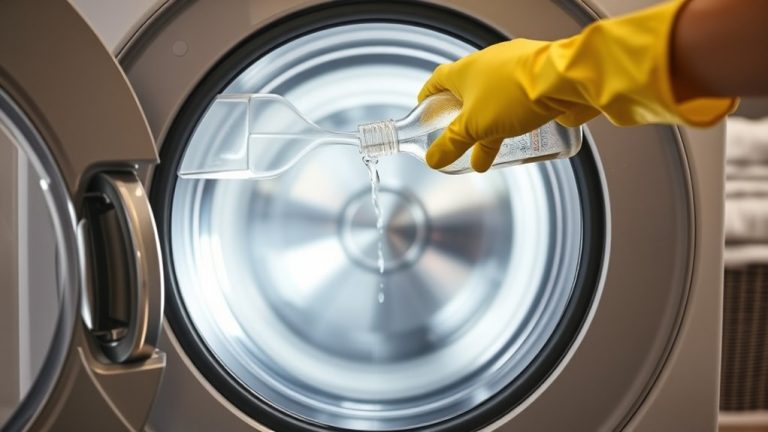
Next, add a manufacturer-recommended washer cleaner or a cup of bleach. This helps eliminate mold and residue buildup inside the drum and drain pump.
After the cycle finishes, leave the door open to allow the interior to dry completely. This prevents mold and mildew growth.
Try to run this cycle monthly, or more often if you notice odors or buildup. Doing this keeps your machine running efficiently and hygienically.
What to Do If Your Washer Lacks a Self Clean Feature?
If your washing machine doesn’t have a Self Clean cycle, you’ll need to clean it manually to keep it running well. Start by running a hot water cycle with a washing machine cleaner or a bleach solution. This helps target mold and mildew buildup inside the drum. Just make sure the washer is empty before you begin.
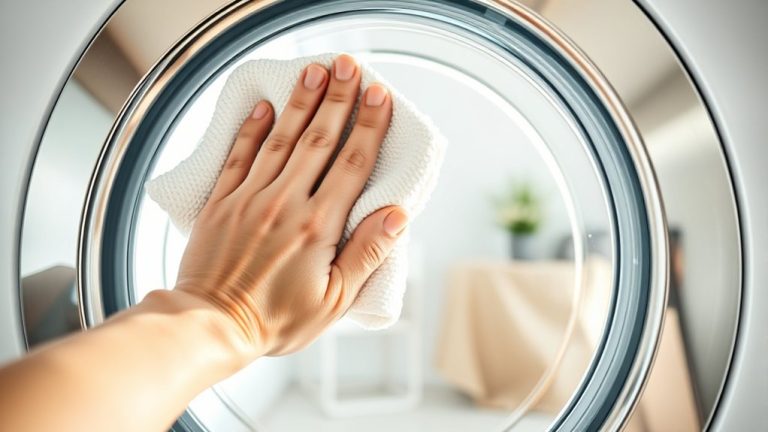
After the cycle finishes, wipe down the door seal, detergent drawer, and door glass thoroughly. This gets rid of any leftover mold and odors.
It’s important to leave the door open afterward to let air circulate. This stops moisture from building up, which can cause mold to grow.
Always follow the manufacturer’s instructions for cleaning agents and cycle settings. This way, you avoid damaging your appliance.
Doing regular manual cleaning helps keep your washer hygienic and working efficiently, even without a dedicated self-clean feature.
Tips to Keep Your Washer Fresh Between Self Cleans
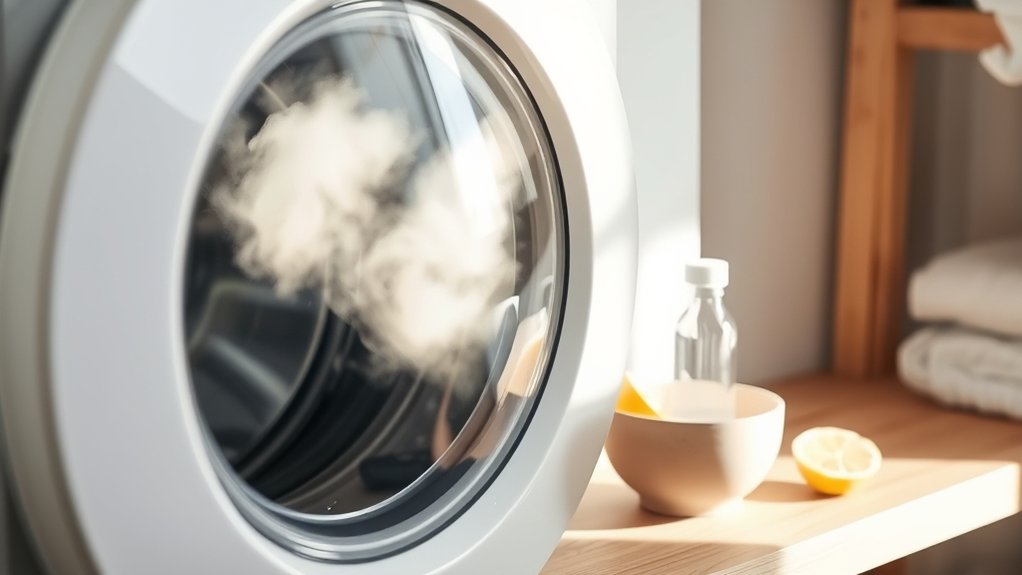
Although self-clean cycles handle deep cleaning, you still need to maintain your washer regularly to prevent odors and mold between runs. Follow these practical tips to keep your machine fresh.
First, always open the washer door and detergent drawer after each wash cycle. This helps promote airflow and reduces moisture buildup.
Once a week, use a damp cloth to wipe down the drum, door seal, and interior surfaces. This removes detergent residue and dampness that can encourage mold growth.
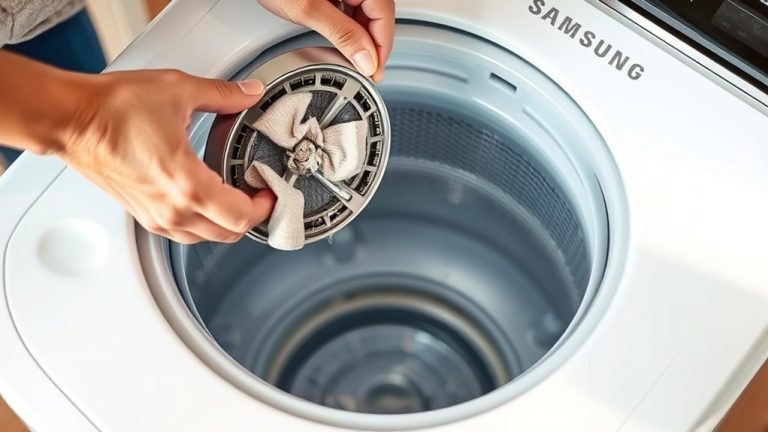
Also, regularly clean the detergent drawer and any removable parts with warm water. This helps eliminate soap scum and prevent mold from accumulating.
Frequently Asked Questions
Can Self-Cleaning Damage My Washing Machine’s Components?
Yes, self-cleaning can damage your washing machine’s components if you overuse it or use harsh chemicals like bleach frequently. You should avoid incompatible cleaning agents and always follow manufacturer guidelines to protect rubber seals, hoses, and electronic sensors.
Running self-clean cycles with a loaded or poorly maintained washer can strain parts. So, it’s best to run these cycles on an empty machine to avoid unnecessary wear.
Regular inspection and proper maintenance after cleaning help prevent buildup or chemical damage.
This way, you keep your machine in good condition for the long haul.
Are Natural Cleaning Agents Safe for All Washer Types?
Think of your washer like a delicate musical instrument. Using the wrong cleaning agent is like playing it too hard and risking damage.
Natural agents like baking soda and vinegar are generally safe for most washers if you use them cautiously and follow guidelines.
But high-efficiency models need extra care because vinegar can degrade seals.
How Long Does a Typical Self-Clean Cycle Take?
A typical self-clean cycle takes about 1 hour in top load washers and around 4 hours in front load models.
The exact duration depends on your washer’s make and model, plus any extra cleaning options you select.
Always check your manufacturer’s instructions to confirm the cycle runs properly.
Shorter or longer cycles might be available, but sticking to the recommended settings guarantees effective cleaning and maintenance for your machine.
Can I Use a Washing Machine Cleaner With Cold Water Cycles?
Yes, you can use a washing machine cleaner with cold water cycles, but keep in mind it might be less effective at removing mold, bacteria, and detergent buildup. Most cleaners work best with hot water, so for thorough cleaning, especially odor removal, run a hot cycle when possible.
Always check the product label and follow manufacturer instructions to maximize cleaning performance. That way, you avoid reduced effectiveness when using cold water.
It’s a simple step that makes a big difference!
Is It Necessary to Clean the Detergent Drawer Separately?
Yes, you should clean the detergent drawer separately since up to 70% of washing machine odors come from detergent buildup and mold there. It’s a common spot where grime loves to hide.
Regularly removing and washing the drawer with warm water and a soft brush helps prevent clogs and ensures the detergent dispenses evenly.
If you skip this, residue can transfer onto your clothes and might even cause mechanical issues.
To keep your machine running smoothly, make sure to clean each compartment thoroughly. This is especially important if you use multiple detergents or softeners.
Conclusion
Keeping your washing machine clean is like maintaining a well-tuned engine. It guarantees peak performance and longevity. You should self-clean your washer every 1 to 3 months, depending on usage and signs of buildup.
Regular cleaning prevents odors, mold, and residue that can affect your laundry quality. Follow the self-clean cycle instructions or manual methods if needed. Also, adopt good laundry habits to keep your machine running efficiently between deep cleans.