What Is Oxi In Laundry Detergent – Here’s the Answer
Oxi in laundry detergent refers to oxygen-releasing compounds like sodium percarbonate that activate with water to break down stains efficiently. You’ll see it oxidize and emulsify oils, targeting organic stains gently without harming fabrics.
It also prevents soil from redepositing during washing, thanks to its alkaline pH and supportive ingredients like surfactants and polymers. This method offers a safer alternative to chlorine bleach. If you want to understand the full chemistry and best usage, there’s much more to explore.
Key Takeaways
- Oxi in laundry detergent refers to oxygen-based compounds like sodium percarbonate that release oxygen to break down stains safely.
- Activated by water, Oxi releases oxygen molecules that penetrate fabric fibers and oxidize organic stains for effective removal.
- Key ingredients include sodium percarbonate, sodium carbonate, surfactants, and polymers, which together enhance stain removal and prevent soil redeposition.
- Oxi is color-safe, fabric-friendly, and a gentle alternative to chlorine bleach, minimizing fiber damage and skin irritation risks.
- For best results, use warm water, pretreat stains by soaking, and avoid adding Oxi to bleach dispensers.
What Is Oxi in Laundry Detergent?
Oxi in laundry detergent refers to oxygen-based compounds like sodium percarbonate that release oxygen when activated by water. This release helps break down organic stains by oxidizing and emulsifying oils and dirt at a molecular level.
Unlike traditional chlorine bleach, these compounds are color-safe, making them suitable for various fabrics without causing damage or fading.
You’ll find this technology in products like OxiClean™ Versatile Stain Remover, which uses oxygen power to enhance stain lifting across different surfaces.
Plus, oxi ingredients improve overall cleaning efficiency by preventing soil redeposition during washing cycles.
When you use detergents with oxi components, you get targeted stain removal combined with fabric safety and better wash performance.
How Oxi Uses Oxygen to Break Down Stains
When you add Oxi to water, it activates sodium percarbonate, which releases oxygen. This oxygen goes right after stains at a molecular level.
It reacts with and breaks down those tricky, complex stain compounds. Basically, it emulsifies oils and lifts them out from the fabric fibers.
Knowing how this activation works helps you understand why Oxi stops stains from settling back in, making sure your cleaning is thorough every time.
Oxygen Activation Process
Although stain removal often feels like a chemical mystery, the oxygen activation process behind OxiClean™ is straightforward and effective. When sodium percarbonate in OxiClean dissolves in water, it releases oxygen molecules that target and emulsify oils in stains. This loosens them from fabric fibers, preventing soil redeposition and ensuring thorough cleaning.
The oxygen activation process works synergistically with surfactants and polymers, amplifying stain removal efficiency while remaining gentle on fabrics.
| Component | Role in Oxygen Activation Process |
|---|---|
| Sodium Percarbonate | Releases oxygen upon water activation |
| Oxygen Molecules | Emulsify and lift oils from fabrics |
| Surfactants & Polymers | Enhance cleaning and prevent soil redeposition |
Molecular Stain Breakdown
Because oxygen molecules actively penetrate fabric fibers, they break down stains at a molecular level by emulsifying oils and lifting them away. This molecular stain breakdown hinges on sodium percarbonate in OxiClean™, which releases oxygen upon water activation.
The oxygen bubbles infiltrate and disrupt the chemical bonds within the stain matrix, effectively disintegrating complex molecules into smaller, water-soluble components. This prevents soil redeposition during washing, ensuring stains don’t reattach to fabric.
Furthermore, surfactants and polymers in the formula work together with oxygen, enhancing stain targeting and removal efficiency.
Emulsifying Oils Effect
As oxygen is released from sodium percarbonate upon water activation, it plays an essential role in emulsifying oils and greases embedded in fabrics.
In OxiClean products, this oxygen interacts with oily stains at a molecular level, breaking them down into smaller, water-soluble components.
This emulsification process allows oils and greases to disperse evenly in the wash water, preventing them from reattaching to fabric fibers.
Furthermore, the surfactants in OxiClean products work with oxygen, enhancing the emulsifying effect and improving soil suspension.
This combined action guarantees that organic stains like food and grease are effectively lifted and rinsed away, resulting in a cleaner finish.
Oxi’s Key Ingredients and How They Work
You’ll find that sodium percarbonate is what really powers Oxi’s oxygen-based cleaning. When it mixes with water, it releases active oxygen molecules that break down stains efficiently.
Then there’s sodium carbonate, which softens the water and helps boost dirt removal.
On top of that, surfactants come into play by emulsifying oils and lifting grime from fabrics.
Finally, polymers make sure that soils don’t redeposit, giving you a thorough and lasting clean.
Oxygen-Based Cleaning Power
When you activate OxiClean with water, sodium percarbonate releases oxygen that penetrates stains at a molecular level, breaking them down efficiently. This oxygen-based cleaning power is central to OxiClean’s effectiveness, targeting organic stains like grease, wine, and juice by oxidizing their molecular structures.
Surfactants complement this action by emulsifying oils and dirt, making it easier to suspend them in water for removal.
Furthermore, polymers in the formulation inhibit soil redeposition, keeping fabrics clean after washing.
The solution’s alkaline pH, reaching up to 11 when diluted, optimizes stain removal without damaging fabrics.
Together, these components create a synergistic system where oxygen-based cleaning power disrupts stain molecules while surfactants and polymers boost overall cleaning efficiency and fabric care.
Role of Sodium Percarbonate
Although sodium percarbonate may seem like a simple ingredient, it plays a critical role in OxiClean’s stain-fighting capabilities by releasing oxygen upon contact with water. This release initiates oxidation, breaking down stains at a molecular level.
As a solid form of hydrogen peroxide, sodium percarbonate acts as a potent oxidizing agent, emulsifying oils for easier removal. It also raises the pH of wash water to about 11, which enhances stain removal efficiency.
Furthermore, sodium percarbonate prevents soil redeposition, ensuring cleaner fabrics.
Key functions of sodium percarbonate include:
- Oxygen release for oxidative stain breakdown
- Emulsification of oily residues
- Alkaline pH elevation in wash water
- Inhibition of soil redeposition
- Targeted removal of organic stains like grease and food
This ingredient is essential for OxiClean’s effectiveness.
Surfactants and Polymers Function
Because surfactants reduce surface tension, they enable water to penetrate fabric fibers deeply, lifting dirt and stains more efficiently. In OxiClean, surfactants break down stain molecules and emulsify oils, allowing you to remove a wide range of tough soils including grease and food residues.
Polymers complement this action by preventing redeposition of soils during washing, ensuring dirt particles don’t resettle on fabrics.
Together, surfactants suspend stains in the wash water, which facilitates their removal during rinsing.
This synergistic mechanism enhances cleaning performance at a molecular level, making OxiClean effective against both organic and inorganic stains.
Why Oxi Works Best on Organic Stains
Since OxiClean™ releases oxygen through sodium percarbonate activation, it effectively breaks down organic stains at a molecular level. This process targets the chemical bonds in natural compounds found in stains like wine, juice, and pet messes.
When combined with surfactants in the laundry detergent, oils and greases emulsify, making it easier to remove them from fabric fibers. The solution’s alkaline pH, reaching up to 11, further speeds up stain decomposition without harming textiles.
Surfactants emulsify oils while an alkaline pH accelerates stain breakdown without damaging fabrics.
You’ll notice superior stain-lifting performance because OxiClean™ also prevents soil redeposition during washing.
Key factors why Oxi works best on organic stains:
- Oxygen release oxidizes stain molecules
- Surfactants emulsify oils and grease
- High pH environment enhances breakdown
- Targets natural organic compounds precisely
- Prevents soil redeposition for thorough cleaning
How Oxi Stops Dirt and Oil From Redepositing
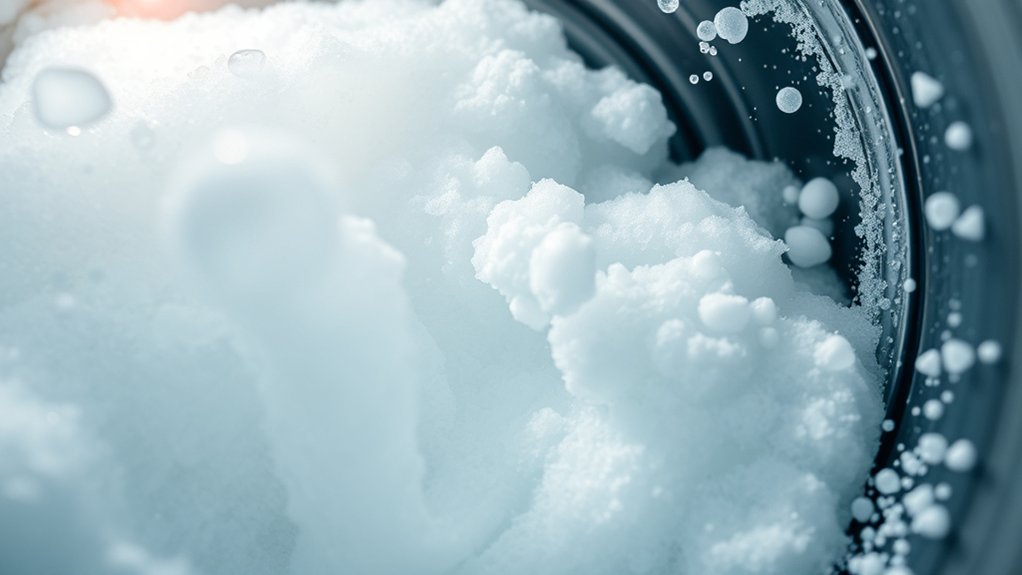
When water activates sodium percarbonate in OxiClean, oxygen is released to break down stains and emulsify oils. This prevents them from settling back onto fabrics. This cleaning power, combined with surfactants, lifts dirt and grease effectively.
Polymer technology suspends soil particles in the wash water. The formulation’s pH of up to 11 further inhibits redeposition, maintaining fabric cleanliness.
| Component | Function |
|---|---|
| Sodium Percarbonate | Releases oxygen to break stains |
| Surfactants | Lift and suspend oils and dirt |
| Polymer Technology | Binds soil particles to prevent redeposition |
You benefit from OxiClean’s integrated system, ensuring dirt and oil stay suspended and away from your clothes throughout the wash cycle.
Why Water Activation Matters for OxiClean
Although OxiClean contains powerful stain-fighting ingredients, it relies on water activation to release oxygen molecules that break down stains at a molecular level.
The water temperature plays a critical role in this process because warm or hot water maximizes oxygen release and enhances cleaning efficiency.
When activated, oxygen emulsifies oils and lifts soils without damaging fabrics.
Non-ionic surfactants help by boosting stain removal, working together with oxygen for effective cleaning.
This synergy also prevents redeposition of dirt during washing, keeping fabrics cleaner.
How to Use Oxi for Best Laundry Results
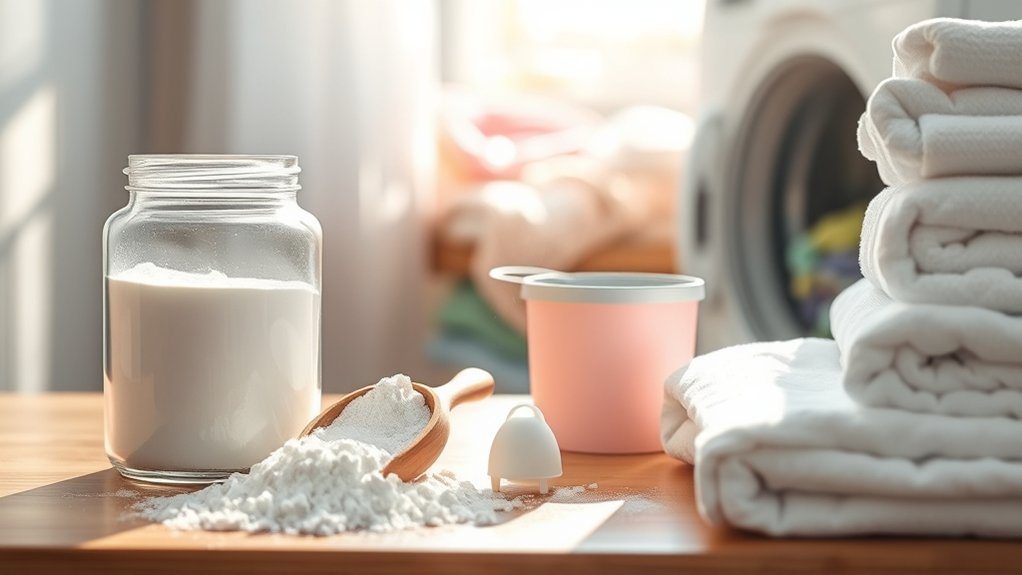
Understanding how oxygen activation works in OxiClean helps you optimize its stain-fighting power.
For best results, add OxiClean directly to the wash water in your washing machine, avoiding the bleach dispenser, especially in front-loading models.
Warm or hot water enhances oxygen release, making it ideal for removing organic stains like wine or grease.
For stubborn stains, pretreat by soaking fabrics in an OxiClean solution per package guidelines before washing.
Always perform a colorfastness test to prevent fabric damage.
This method guarantees maximum oxygen activation and stain breakdown within the washing machine cycle, improving overall laundry performance and fabric care.
Following these steps lets you harness OxiClean’s chemistry efficiently for superior cleaning outcomes.
Safety Tips for Using Oxi-Based Detergents
You should store Oxi-based detergents in a cool, dry place to prevent clumping and pressure buildup. It’s a simple step, but it really helps keep the product effective and safe to use.
Before you dive into a full wash, always test a small area of the fabric first. This way, you can avoid any unwanted discoloration or damage.
And don’t forget to follow the dilution instructions carefully—that’s key to using the detergent safely.
Also, be sure to protect your skin while handling these products. It’s best to avoid applying them to jewelry or painted surfaces since they can cause damage.
Taking these precautions will help you get the best results without any hassle.
Handling and Storage Guidelines
When storing Oxi-based detergents like OxiClean™, keep them in a cool, dry place and avoid airtight containers. This helps prevent pressure buildup and clumping caused by moisture. Proper handling and storage maintain the detergent’s chemical stability and effectiveness.
You should use open containers to reduce moisture exposure and pressure risks. Store away from heat sources to prevent decomposition of active oxygen agents.
Add OxiClean™ directly to wash water, not bleach dispensers, especially in front-loaders, to optimize performance. Rinse thoroughly any outdoor surfaces contacted to minimize environmental impact.
Test fabrics for colorfastness before use to avoid damage during laundering. Following these handling and storage guidelines guarantees safety and preserves the oxidizing power essential for stain removal.
Skin and Fabric Safety
Proper storage and handling of Oxi-based detergents like OxiClean™ protect their chemical integrity, but guaranteeing safety extends to both skin contact and fabric care during use.
For skin and fabric safety, note that OxiClean™ contains non-ionic detergents and maintains a diluted pH up to 11, balancing effectiveness with gentleness on most fabrics.
You should always perform a colorfastness test to avoid discoloration or damage. Since OxiClean™ lacks optical brighteners and dyes, it minimizes allergic reactions, making it safer for sensitive skin.
After use, rinse any contacted areas thoroughly, especially outdoors, to prevent residual effects on plants or soil.
Adhering to these guidelines guarantees ideal skin and fabric safety while maintaining the detergent’s performance and environmental compatibility.
Oxi in Laundry Detergent vs. Traditional Bleach
Although both Oxi in laundry detergent and traditional bleach serve to remove stains, they operate through fundamentally different chemical mechanisms that affect fabric integrity and cleaning efficacy.
Oxi, powered by sodium percarbonate, releases oxygen to break down stains without harshness, while traditional bleach relies on chlorine compounds that can weaken fibers and cause discoloration.
Oxi uses oxygen from sodium percarbonate to gently remove stains, unlike harsh chlorine-based bleach.
You’ll find Oxi emulsifies oils and prevents soil redeposition, making it more fabric-friendly and effective on organic stains than bleach.
Oxi avoids optical brighteners and dyes, reducing skin irritation risks. Traditional bleach can corrode fabrics due to its high reactivity.
Oxi’s pH reaches up to 11, optimizing stain removal safely. Bleach often contains added chemicals that may harm sensitive skin.
Oxi enhances cleaning efficacy while preserving fabric strength.
Choosing the Right OxiClean Product for Laundry
How do you select the right OxiClean product to maximize your laundry results? Focus on the nature of your tough stains and how you plan to treat them. OxiClean™ Versatile Stain Remover works best with warm or hot water to break down organic stains like wine or coffee at a molecular level. For pretreating, the MaxForce line targets tough stains with specialized formulations.
| Product | Best Use |
|---|---|
| OxiClean Versatile | Boost detergent, warm/hot water |
| OxiClean MaxForce Pretreaters | Direct application on tough stains |
| General Safety | Septic-safe, no dyes/brighteners |
Choosing precisely reduces trial and error and guarantees peak stain removal efficiency.
Frequently Asked Questions
Can Oxi-Based Detergents Be Used on All Fabric Types?
You can use oxi-based detergents on most fabrics like cotton and polyester, but not all types.
You’ll want to avoid delicate or non-colorfast materials such as silk and wool, as these can suffer damage or fading.
Always test colorfastness on sensitive fabrics before applying.
Following the manufacturer’s care instructions is essential to prevent harm.
Does Oxi Affect the Color Vibrancy of Clothes?
Think of your clothes like a canvas; Oxi won’t dull their colors if you handle it right. You won’t see fading when you use OxiClean™ as directed, thanks to its oxygen-based formula that targets stains without harsh chemicals or optical brighteners.
Just test for colorfastness first, especially on delicate fabrics, and avoid dye transfer stains. This way, you keep your colors vibrant while boosting cleaning power effectively and safely.
How Long Does Oxi Remain Effective After Opening the Package?
Oxi remains effective for up to 12 months after opening if you store it correctly.
Keep it in a cool, dry place to prevent moisture exposure, which causes clumping but doesn’t reduce cleaning power.
Avoid airtight containers that trap humidity or pressure, as these can degrade active ingredients like sodium percarbonate.
Always check the package for specific storage and expiration details to maintain maximum potency throughout its use.
Is Oxi Safe for Septic Systems and the Environment?
Yes, Oxi is safe for septic systems and the environment when used as directed.
Its active ingredient, sodium percarbonate, breaks down into water, oxygen, and soda ash, which don’t harm septic bacteria.
The formula lacks harmful optical brighteners and dyes, reducing ecological impact.
You might notice clumping from moisture, but it doesn’t compromise effectiveness or safety.
Can Oxi Be Combined With Other Laundry Additives or Detergents?
Can you combine Oxi with other laundry additives or detergents? Yes, you can. Oxi’s non-ionic detergents work well with many laundry products, especially in warm or hot water, boosting stain removal.
However, you should add Oxi directly to the wash water, not the bleach dispenser, to avoid messing with detergent performance.
Always test for colorfastness first to prevent fabric damage.
This careful approach guarantees ideal, safe cleaning results every time.
Conclusion
Incorporating Oxi in your laundry lifts lingering stains with a powerful punch of pure oxygen. By breaking bonds in organic grime and halting harmful redeposition, Oxi delivers a deep, dynamic clean without the harshness of traditional bleach.
Use it wisely, following safety suggestions, and select the suitable OxiClean solution for your specific stains. This smart, science-driven stain solution simplifies your laundering, securing spotless, stain-free satisfaction every single wash.