Is The Laundress Safe Now – Is It Safe?
Yes, The Laundress is generally considered safe now if you avoid recalled products. The answer to is The Laundress safe now? depends on the item’s lot code and whether it was made before the recalls.
The biggest factors are the product’s manufacturing date and lot number. Older bottles linked to the recall should not be used, while newer products from the updated manufacturer follow tighter quality controls and regular testing.
What Caused The Laundress Recall And How Serious Was It?
The Laundress recall was caused by product contamination found in multiple cleaning items, first from bacteria and later from a chemical impurity.
The company pulled about 8 million products on December 1, 2022 after tests found Burkholderia cepacia complex and Klebsiella aerogenes, organisms that can cause infections, especially in people with weakened immune systems.
A second recall followed on March 31, 2023, when about 800,000 Fabric Conditioner units were found to contain ethylene oxide, a chemical linked to cancer risk.
Investigators traced the bacterial contamination to a third-party manufacturer, where raw material impurities were introduced during production.
Bacterial contamination originated from impurities introduced by a third-party manufacturer during production.
The problem was serious because it involved both microbial contamination and a potential carcinogen in finished household products.
How To Tell If Your Laundress Product Is Safe After The Recall?
Check the lot code on the bottle or package first. If it matches a recalled range, don’t use the product.
Look for the code printed near the bottom, on the back label, or on the box. Compare it with the official recall list for the exact product name, since some recalled codes apply only to specific items.
If your code is within a recalled range, stop using it and follow the return or disposal instructions from the recall notice.
If the code isn’t listed and the product was purchased after July 2023, it falls outside the recalled batches covered by the notice.
Do not rely on scent, color, or packaging condition to judge safety. The lot code is the deciding marker for this recall, and you should use that code before buying, gifting, or continuing to use any Laundress item.
How Has The Laundress Improved Safety And Quality Controls Post-Recall?
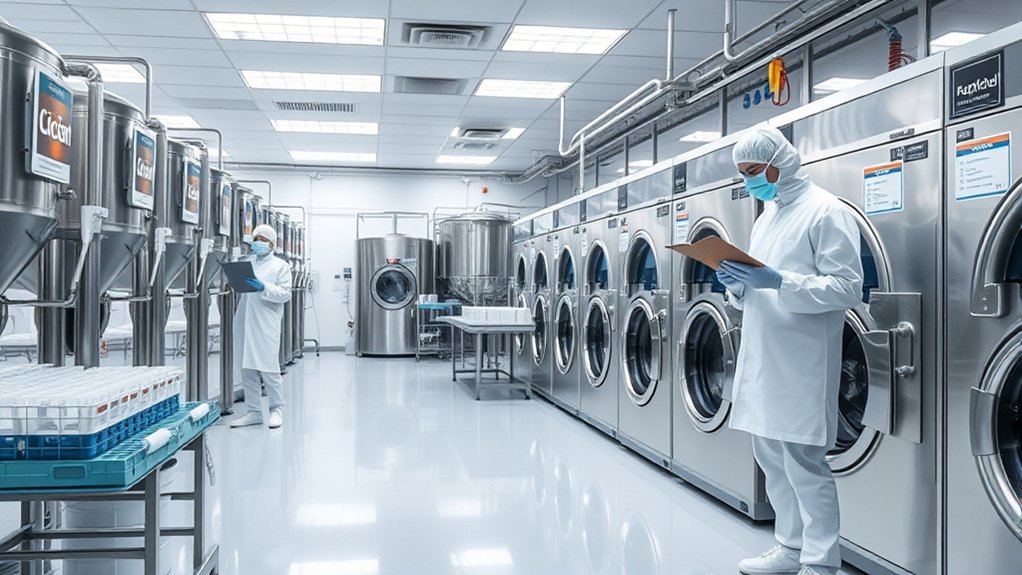
The Laundress improved safety and quality controls after the recall by changing how products are made, tested, and approved.
It reformulated products with biobased ingredients and moved production to a new manufacturer that follows Good Manufacturing Practices, which helps keep batches more consistent.
The company also added tighter inspection and microbiological testing during production runs. That means finished goods and in-process batches are checked more often for contamination concerns before they leave the plant.
Enhanced inspections and microbiological tests ensure products are regularly checked for contamination before leaving the facility
On the ingredient side, The Laundress reviewed raw materials and completed quality assessments to confirm they meet U.S. industry standards and perform as intended.
Ongoing ingredient monitoring now supports that review, so suppliers and finished formulas stay under closer control.
How Does The Laundress Compare To Other Luxury Laundry Detergents Now?
The Laundress compares favorably to other luxury laundry detergents because it combines premium cleaning performance with a more controlled manufacturing approach.
After its June 2023 relaunch, the formulas were adjusted for stronger concentration and better pourability, which matters when you use less per load and want the liquid to mix evenly in cold or warm water.
It also stands out for using biobased ingredients and for working with manufacturers that follow Good Manufacturing Practices.
In the luxury category, that level of process control isn’t universal, especially after recent recall-related scrutiny across the market.
The brand’s clearer ingredient disclosure and quality-control focus also give shoppers more confidence when they’re comparing it with other premium detergents.
By comparison, some luxury competitors lean more heavily on fragrance variety, packaging, or brand image.
The Laundress places more weight on formulation oversight and product consistency, which is why many buyers now see it as a steadier option for delicates, everyday laundering, and repeat use.
Why Ingredient Transparency Matters For Laundress And Luxury Laundry Detergents?
Recent recalls have pushed shoppers to inspect labels for potentially problematic ingredients.
Ingredient List Clarity
Clear ingredient labeling lets you compare a detergent’s actual formula before you buy or use it. For The Laundress, that means you can check surfactants, enzymes, fragrance components, preservatives, and any added cleaning aids instead of relying on vague marketing language.
This matters most if you manage allergies, eczema, or chemical sensitivities. You can review the label for known triggers, then decide whether to avoid fragrance, certain preservatives, or enzyme-heavy formulas.
If you use shared laundry space, clear labeling also helps you choose a product that fits your household without guessing.
Ingredient list clarity also supports safer use over time. When a formula changes, you can spot new components and adjust how you wash baby clothes, bedding, or athletic wear.
It also makes it easier to compare products from the same brand by reading the full ingredient panel, rather than assuming similar names mean similar formulas.
Transparency Builds Trust
Clear ingredient labeling lets you compare formulas and see exactly what you’re putting on fabrics. In laundry detergent transparency, The Laundress shows cleaning agents, preservatives, and other formula components instead of relying on broad marketing language.
That matters because clear disclosures let you judge whether a detergent fits your needs before you use it on delicate or expensive items.
After contamination problems and bacterial recalls, The Laundress moved toward more detailed ingredient review and tighter quality checks, which gives you a clearer view of how the product is made and reviewed.
For you, the practical value is simple: you can match the ingredient list to your safety concerns, fragrance preferences, and fabric care goals without guessing.
When a brand shares more about its formula, you can make a more informed choice and avoid products that leave key questions unanswered.
What To Look For In A Safe Luxury Laundry Detergent Alternative?
Start by checking the label for a full ingredient disclosure and clear manufacturer information. A safe luxury laundry detergent alternative should name each surfactant, preservative, fragrance component, and pH adjuster, not hide them under broad terms like “proprietary blend” or “natural.” If the brand uses fragrance, look for specific allergen disclosures or an unscented version.
Next, look for manufacturing and testing details you can verify. GMP compliance tells you the product is made under controlled conditions, and safety testing should cover skin contact, stability, and contamination control. Good brands also identify the country of manufacture, provide a lot number, and publish a use-by date or shelf-life statement.
The directions should be specific enough to follow without guesswork. You should see separate dosing guidance for HE and standard washers, typical load sizes, and water conditions, such as soft, medium, or hard water. For example, a liquid detergent might give one line for a small load and another for a large or heavily soiled load, with ounces or cap markings listed clearly.
Quality control shows up in how the company handles sourcing. Look for brands that screen raw-material suppliers, test incoming batches, and keep batch consistency from one shipment to the next. That level of control matters in a luxury laundry detergent alternative because it reduces the chance of residue, skin irritation, or weak cleaning performance.
How To Make Informed Choices About Your Laundry Products Post-Recall?
Checking lot codes against recall lists can confirm whether your purchase meets current safety standards.
Ingredient Transparency Importance
Ingredient transparency matters because it tells you what you’re actually bringing into your home and onto fabrics after a recall. In the laundry products space, that means reading beyond the front label and checking the full ingredient disclosure on the package or brand site before you buy again.
Start by reviewing every ingredient name, not just the active cleaning agents. Look for preservatives, dyes, fragrances, surfactants, enzymes, and solvents, since recalls sometimes involve ingredients that weren’t obvious from marketing claims. If a brand provides a lot code, match it to the recall notice before using the product again.
Clear labeling also helps you compare products with similar claims. A label that lists fragrance allergens, dye content, and contact information gives you more to work with than vague terms like “clean” or “natural.” Brands that publish full ingredient lists, such as Mozi Wash, make that comparison easier.
If you’re replacing a recalled item, check the new product’s ingredient panel before you buy a full-size bottle. Many shoppers start with a smaller container, usually 32 to 64 ounces, to test performance and scent before committing to larger refills.
Verifying Product Safety
To verify product safety after a recall, start with the lot code and the product’s release date. Check that your Laundress item was made after July 2023 and that its lot code doesn’t fall within the recalled production window from January 2021 through September 2022.
Next, read the full ingredient list on the label or product page and compare it with the current formulation. Look for the updated ingredients published for the product line, especially if you’re checking a detergent, stain treatment, or fabric care item you already own.
If the product was recalled, don’t use it.
If you need reimbursement, gather clear photos of the lot code and your receipt before you submit the claim. Use the brand’s refund process exactly as provided, since incomplete proof can delay payment.
Watch for new safety notices on the manufacturer’s site before you buy or use additional items.
Frequently Asked Questions
Can Laundress Products Be Safely Used on Baby Clothes?
Yes, but only if you use a recent formula and your baby’s skin tolerates it. Choose Laundress products released after July 2023, follow the label directions, and avoid using any product that leaves a strong scent or residue on clothing.
For newborns or babies with eczema or sensitive skin, many parents stick with fragrance-free detergent made for baby laundry. If you have any doubt, wash one item first and check for irritation before using it on a full load.
Are Laundress Products Safe for People With Allergies?
Yes, Laundress products can be a reasonable option if you have allergies, but you should still check each ingredient list for anything that typically bothers you, such as fragrance or dye. The brand has updated its formulas and improved ingredient transparency, which may help, but individual sensitivity still varies.
If you have highly reactive skin or known contact allergies, test one product first and stop using it if you notice irritation.
How Long Does It Take for Bacteria to Be Eliminated From Contaminated Products?
A few minutes to more than 24 hours, depending on the contamination level and the cleaning or disinfection method you use. Light contamination may be removed quickly with proper cleaning, while stubborn bacteria on porous or hard-to-reach surfaces can take longer.
Use the product’s label directions and the recommended contact time, and avoid wiping it off too soon. If the item is food-contact safe, follow the full sanitation or disinfection step before using it again.
What Should I Do if I Experience a Reaction After Using Laundress?
Stop using Laundress products right away and wash the affected skin or item thoroughly to remove any residue. If you develop ongoing redness, itching, swelling, breathing trouble, or other worsening symptoms, get medical care promptly.
Save the product name and lot details, then contact customer service to report the reaction and ask about next steps for disposal or return.
Is It Safe to Use Laundress Products in High-Efficiency Washing Machines?
Yes, The Laundress products are generally safe to use in high-efficiency washing machines when you follow the product directions and use the recommended amount. HE machines use less water, so too much detergent can leave residue or cause extra suds, which may affect cleaning and rinsing.
Use the dose listed on the label for your load size and soil level, and avoid overpouring. If your washer manual gives specific detergent guidance, follow that as well.
Conclusion
Yes, The Laundress is safe to use again for most people, as long as you choose current products and read labels carefully. The Laundress safe now is the right question to ask, and the answer depends on updated formulas and ingredient transparency.
The main things to remember are the recall response and the brand’s stronger quality controls. You should still compare products and check for anything that does not fit your needs. Review the ingredient label on one product you use today before buying.