Is The Laundress Cruelty Free – Brand Ethics
Yes, The Laundress is generally considered cruelty-free because it is Leaping Bunny certified and says it does not test on animals. The answer can get less simple because its parent company, Unilever, may allow animal testing where law requires it.
For you, the biggest factors are the Leaping Bunny standard and the parent-company policy. Product safety issues have also affected trust in the brand, so some shoppers weigh ethics and transparency together.
What “Cruelty-Free” Really Means for The Laundress
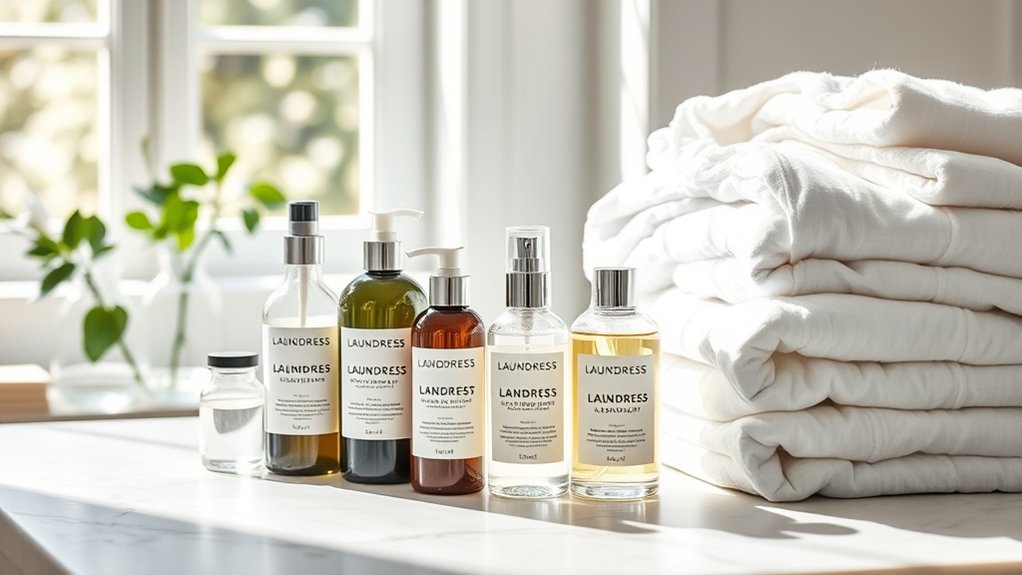
The Laundress is cruelty-free because it doesn’t test finished products or ingredients on animals. The brand has Leaping Bunny certification, which means it meets a recognized standard for cruelty-free practices and passes regular review.
For shoppers, that claim applies to the brand’s own product development and testing process. It doesn’t automatically tell you how every upstream supplier or parent-company policy works, so that separate corporate layer can still matter if you’re screening for strict ethical purchasing.
The Laundress also markets bio-based cleaning ingredients and laundry care formulas designed for home use.
If you want to assess the claim yourself, look for the Leaping Bunny mark on packaging or the brand’s current certification listing before you buy.
The Laundress’s Animal Testing Policies and Practices
Consumer interest in safety and transparency leads into the brand’s ingredient and sourcing standards.
Animal Testing Commitment
The Laundress supports cruelty-free manufacturing through a written no animal testing policy for both finished products and ingredients.
The company also requires its suppliers to follow the same standard, so the policy applies across its sourcing chain.
It backs that claim with Leaping Bunny certification, which means an outside program has reviewed its practices against recognized cruelty-free criteria.
That certification covers ingredient sourcing, supplier controls, and ongoing compliance checks.
The brand also says it uses bio-based ingredients and transparent sourcing to limit reliance on harsh or questionable inputs.
For buyers who want a cleaner laundry routine, that approach is a practical part of The Laundress cruelty-free positioning.
The products are sold for normal household use and should be used exactly as directed, especially around children and pets.
That doesn’t change the cruelty-free status, but it does matter for safe handling.
Ethical Product Development
The Laundress avoids animal testing by using a no-test policy across product development and by working within Leaping Bunny standards. That means raw ingredients, blends, and finished formulas are all developed without animal testing by the brand or its suppliers.
The brand also focuses on ingredient sourcing that supports that approach. It prefers bio-based ingredients and avoids petroleum-derived materials and ingredients linked to animal harm, which fits its cruelty-free position.
For everyday use, The Laundress markets its formulas for households with children and pets. That doesn’t replace normal laundry precautions, but it does reflect a formulation strategy built around gentler ingredient choices and transparent sourcing.
Parent Company Influence on Cruelty-Free Claims
The Laundress’s cruelty-free claim is easier to assess if you separate the brand from its parent company. The brand says it doesn’t test finished products or ingredients on animals, but Unilever’s broader animal-testing policy still affects how some shoppers view that claim.
The Laundress claims no animal testing, but Unilever’s policies influence perceptions of its cruelty-free status.
Unilever may conduct or commission animal testing when a government requires it for market access or regulatory approval. That doesn’t mean The Laundress itself orders routine animal tests, but it does mean the brand sits inside a corporate structure that doesn’t follow a strict no-testing stance across all markets.
For that reason, you should look at both the brand statement and the parent company policy before deciding how to classify The Laundress.
If you rely on cruelty-free standards that exclude parent companies with any animal testing, the ownership link matters. If you focus only on whether the individual brand tests, you may judge it differently.
Impact of Safety Issues on The Laundress’s Ethics
The Laundress’s safety issues weaken its ethical standing because they show a gap between premium branding and clear consumer communication.
When the brand learned of possible contamination involving Pseudomonas aeruginosa, customers expected direct notice, plain guidance, and fast updates about affected products.
Instead, the response felt vague to many buyers, especially those with higher infection risk or compromised skin.
Adding an FAQ helped answer some questions, but it didn’t fully address the criticism around delayed, indirect communication.
That matters because The Laundress sells high-priced household products and promotes itself on quality and care.
A brand can have the right ingredients and still fall short ethically if it doesn’t speak plainly when there’s a safety concern.
In this case, the main issue isn’t only the contamination itself, but how the company handled disclosure, follow-up, and consumer trust.
How The Laundress Compares to Other Cruelty-Free Brands
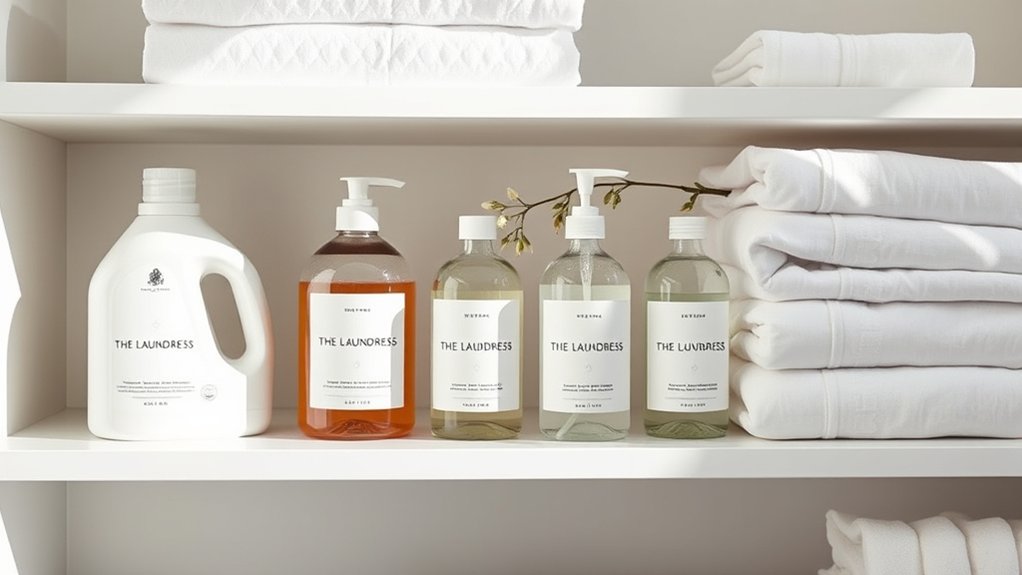
Price and fragrance preferences often determine which cruelty-free laundry brand suits your home.
Ethical Ingredient Transparency
The Laundress gives you more ingredient detail than many cruelty-free brands because it publishes an Ingredient Glossary and names what each formula is meant to do. That helps you check for surfactants, enzymes, fragrance components, and other functional ingredients before you buy.
In practice, the brand reads more transparent than labels that only list a short INCI panel with no plain-English context.
For ingredient transparency, The Laundress also separates itself by tying ingredient choices to performance claims. Its formulas are positioned around bio-based and renewable inputs, plus dermatologist-tested and hypoallergenic testing on some products.
That makes it easier to compare a laundry detergent or fabric cleaner against your own sensitivity standards, especially if you avoid certain preservatives or scent-heavy formulas.
Where it’s less clear is in how it communicates problems after launch. Some competitors publish more direct safety or recall guidance, while The Laundress has faced criticism for the way concerns were handled.
Certification and Testing Policies
The Laundress holds Leaping Bunny certification, which means its products are made without animal testing at any stage of development. To earn that certification, a brand must follow a documented cruelty-free policy, monitor ingredient suppliers, and allow independent audits of its animal-testing practices.
In practice, that means you can look for the Leaping Bunny logo on the packaging or product page when checking a laundry detergent, fabric spray, or stain remover from the brand. You can also review the company’s policy statement if you want to confirm that suppliers are covered, since cruelty-free claims only matter when they apply beyond the finished product.
The Laundress also publishes information about sourcing and manufacturing, which gives you a clearer view of how its products are made. That transparency matters if you compare it with brands that only use vague cruelty-free language.
If you want to verify the status yourself, check the current certification listing rather than relying only on marketing copy, since brand policies can change.
Market Positioning and Comparisons
The Laundress stands out for luxury positioning, but that doesn’t make it the best fit for every shopper. Its perfumes, fabric-specific detergents, and polished branding create a more upscale experience than simpler cruelty-free brands like Puracy or Molly’s Suds, which focus on straightforward formulas and lower prices.
You also pay for that positioning. Bottles often cost more than budget-friendly options such as Seventh Generation or ECOS, so routine use can get expensive if you wash often. That matters if you want a daily laundry product rather than a specialty one for delicates, wool, or formalwear.
The ownership structure is another difference. The Laundress has been tied to a parent company with animal-testing concerns, which weakens its appeal for shoppers who want fully independent cruelty-free brands.
It has also faced product safety scrutiny, so some buyers prefer brands with a simpler natural-ingredient image, such as Biokleen.
What to Look For Beyond the “Cruelty-Free” Label
Check the brand’s certification first, then read the policy details behind it. A Leaping Bunny certification is the strongest signal because it requires ongoing supplier verification, not just a single finished-product claim.
PETA’s Beauty Without Bunnies list can also help, but it relies more on company statements, so it deserves a closer look.
Next, check whether the brand sells in mainland China, where animal testing rules have changed over time and can still affect certain imported products.
Consider if the brand sells in mainland China, where evolving animal testing laws impact some imports.
If the brand is owned by a larger parent company, review the parent’s animal testing policy too, since the parent may fund or conduct testing for other lines. A brand can still market itself as cruelty-free while its parent company sells non-cruelty-free products elsewhere.
You should also read the company’s own FAQ, policy page, and ingredient sourcing statements.
Look for clear language about finished products, raw materials, and third-party testing. If the brand avoids direct answers or uses broad wording like “we care about animals,” treat that as a weak sign rather than proof.
Why Transparency Matters for Trust in The Laundress
Transparency matters because it lets you verify what goes into a product and how the company handles safety. With The Laundress, that means looking for clear ingredient lists, sourcing details, and straightforward explanations of testing or quality control.
When a brand is open about where materials come from and how formulas are checked, you can judge whether its claims match its practices. That matters more when you’re buying cleaning products you use on clothing, bedding, and skin-contact fabrics.
Transparency also helps you read labels correctly and spot gaps in disclosure. If a product is reformulated, recalled, or carries a warning, clear communication lets you decide whether to keep using it, discard it, or wait for updated guidance.
For a brand built around eco-friendly and cruelty-free marketing, that level of openness is what turns a claim into something you can actually trust.
Frequently Asked Questions
Does the Laundress Use Sustainable or Eco-Friendly Packaging?
Yes, The Laundress uses packaging made with post-consumer recycled plastic and other recyclable materials. Their refill options can also help you cut down on waste if you reuse the original container.
Check the label for recycling instructions, since acceptance varies by local program and not every package component is recyclable everywhere.
Are the Laundress Ingredients Sourced Ethically and Sustainably?
Yes, The Laundress says it sources ingredients ethically and sustainably, with an emphasis on bio-based and renewable resources. Their ingredient lists are transparent, and their formulations are designed to be family-safe, which supports their broader eco-friendly approach.
If you are comparing products, check the full ingredient list and any product-specific claims, since sourcing details can vary by formula.
How Does the Laundress Support Fair Labor Practices?
Yes, The Laundress says it supports fair labor by auditing suppliers, requiring safe working conditions, and working only with manufacturers committed to ethical labor practices. It also emphasizes transparency and local job creation in the USA. If you are comparing brands, look for clear supply chain and labor standards rather than broad claims alone.
Does the Laundress Contribute to Any Animal Welfare Charities?
Yes, The Laundress has been associated with donations and partnerships that support animal welfare causes, including rescue organizations. If you want the most current details, check the brand’s recent charity announcements or product campaign pages, since these partnerships can change over time.
What Steps Does the Laundress Take to Reduce Its Carbon Footprint?
The Laundress reduces its carbon footprint by assembling products in the USA, which helps cut shipping emissions. It also uses renewable bio-based ingredients and eco-friendly packaging to lower the environmental impact of its products.
Those choices matter most when the brand can source materials and package efficiently close to where items are made. If you’re comparing products, look for similar manufacturing and packaging practices, since transportation and materials are often the biggest parts of a product’s footprint.
Conclusion
The Laundress is not a straightforward cruelty-free choice, so the answer is no if you want a fully ethical brand with no parent-company concerns. The Laundress cruelty free question comes down to its animal testing policy and the wider influence behind the brand.
If you care most about avoiding brands tied to animal testing concerns, that parent-company connection is the main factor to watch. If you also value product safety and transparency, read the label details and company policies before buying. Check the brand’s current policies today before you purchase.