How Well Does Oxiclean Work – Simple Breakdown
OxiClean works well on many fresh stains, especially food, grass, and wine, when you use it as directed. Its oxygen-based ingredients loosen stains in water, but results depend on the fabric, stain, and treatment time.
You’ll get the best results by following the label, checking care tags, and testing a hidden spot first. It may struggle with old, oily, or ink stains, and it isn’t suitable for every delicate fabric. Here’s what else you should know.
Does OxiClean Work? The Short Answer
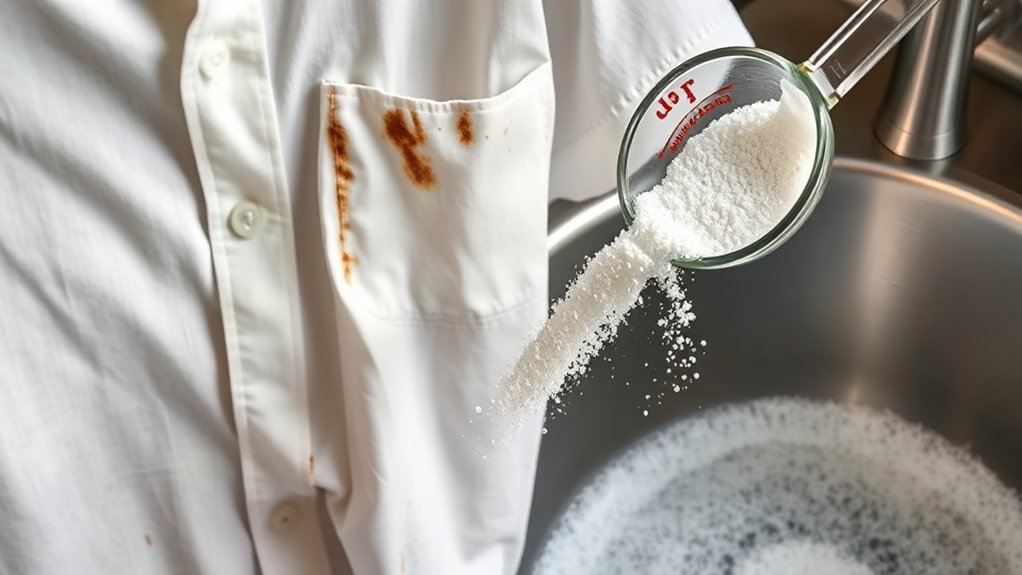
Yes, OxiClean can work well on many stains, especially when you use it as directed and choose a formula suited to the job. You can use it on washable fabrics, carpets, and some hard surfaces, but check the product label before treating any item.
Results depend on the stain, material, product, and how long the mark has set. Fresh, removable stains may respond better than old or stubborn ones, so don’t expect every spot to disappear completely.
Test the solution on a hidden area first, particularly if you’re cleaning colored fabric or a delicate surface. Follow the package directions, use the recommended amount, and avoid mixing OxiClean with other cleaners.
If a stain remains after treatment, try another suitable method rather than applying more product than directed.
How Does OxiClean Work on Laundry Stains?
OxiClean helps lift laundry stains through oxygen-based cleaning agents that break down many organic marks, such as food, grass, and wine. When the product dissolves in water, it releases oxygen that helps loosen stain particles from fabric fibers.
Its ingredients can also help suspend dirt in the wash water, making it less likely to settle back onto clothing. This action works especially well on many stains from plants, food, and other organic materials, though results vary with the stain and fabric.
OxiClean isn’t a bleach for every purpose, and it may not remove oil, ink, or old, set-in marks as effectively. It can brighten some fabrics, but you should check garment care labels and test colorfastness first.
Understanding how it works helps you set realistic expectations for stain removal.
How Do You Use OxiClean for Best Results?
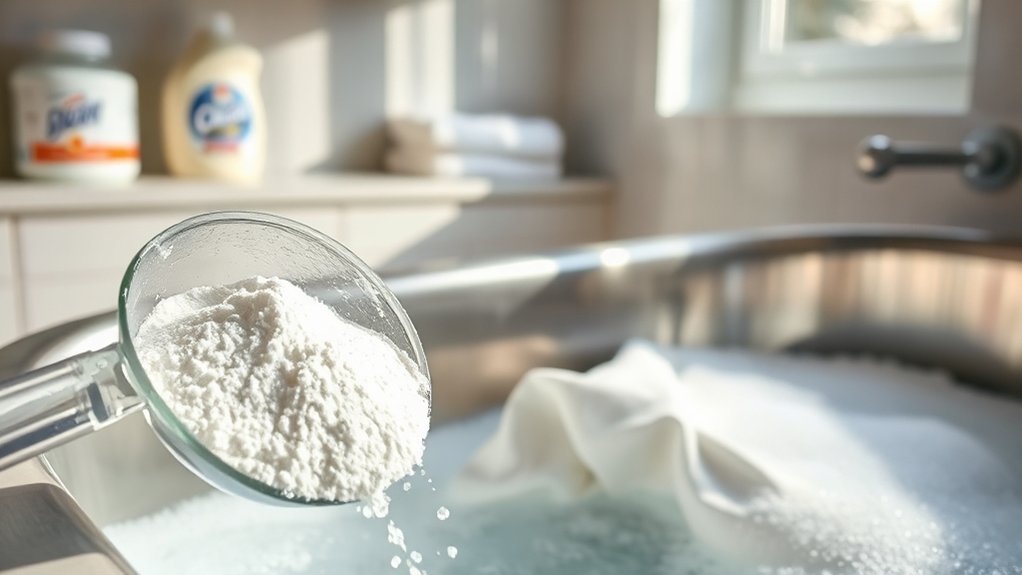
For best results, match the OxiClean method to the stain and fabric: follow the product label, dissolve the recommended amount in water, and treat the mark promptly.
Check the care tag first, and test the solution on a hidden area to make sure it won’t affect the color or finish.
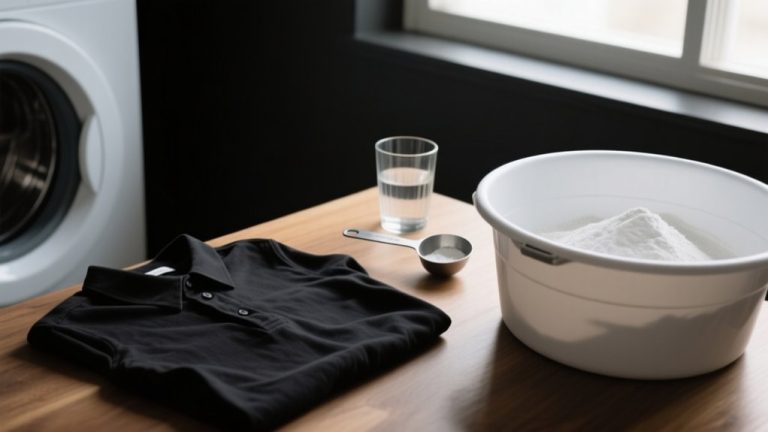
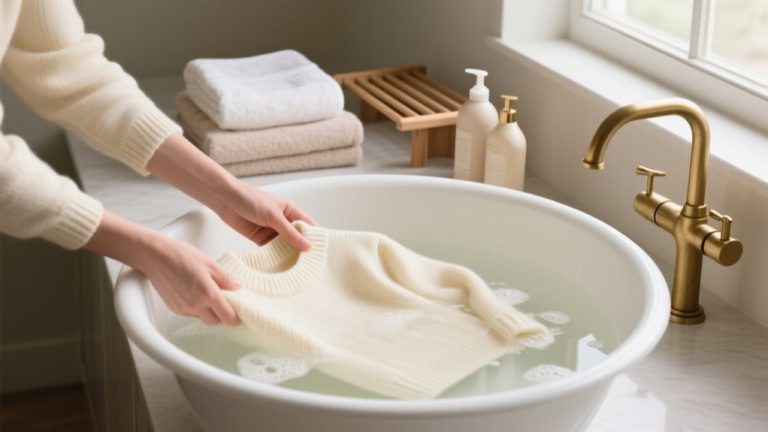
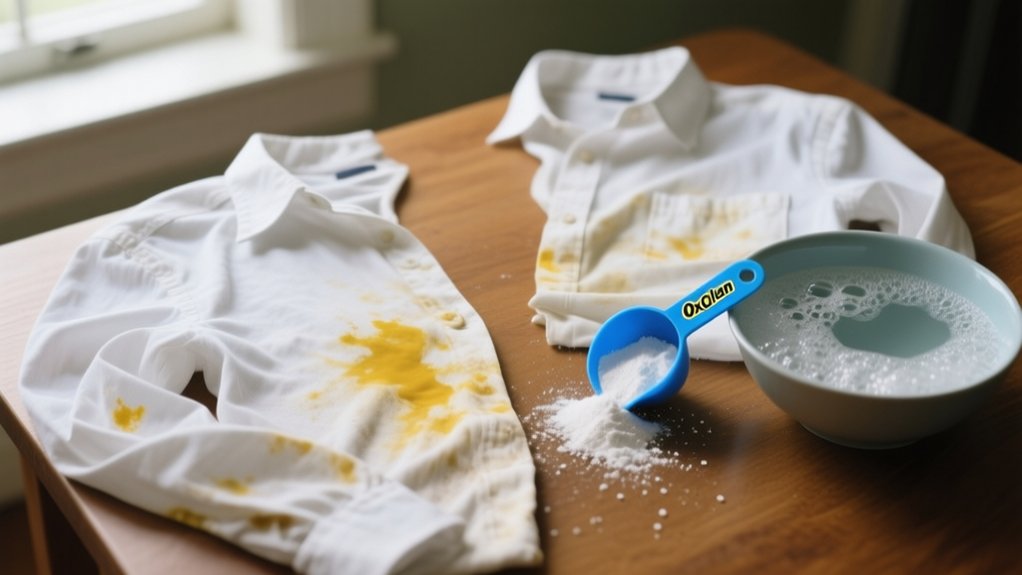
For a presoak, fully dissolve the powder in warm or hot water if the garment allows, then soak it for the label’s recommended time.
Don’t let the solution dry on the fabric. For machine washing, add OxiClean as directed; don’t pour powder directly onto clothes.
Use the right amount for your load and water level, and avoid overfilling the washer.
After treatment, wash as usual and check the garment before drying. Heat can set remaining marks, so repeat treatment if needed.
Which Stains Does OxiClean Handle Best?
OxiClean works great on a variety of food and drink stains, like coffee and juice.
Plus, it’s really handy for getting rid of grass and mud marks.
It can even help lift sweat stains and cut down on any lingering odors.
Food And Drink Stains
Food and drink stains vary in how easily they come out, but OxiClean tends to work best on many everyday spills, including coffee, tea, juice, and tomato sauce. Its oxygen-based ingredients help loosen colored residue from washable fabrics, especially when you treat a fresh stain promptly.
You’ll usually get better results by removing excess food, rinsing from the back with cold water, and following the product’s label for soaking or laundering.
OxiClean can also help with berry, wine, and chocolate stains, though results depend on the fabric, stain age, and prior heat exposure. Don’t assume every mark will disappear in one wash; check the garment before drying, since heat can set remaining color.
Test the solution on a hidden area first, and avoid using it on materials the label excludes.
For delicate fabrics, follow care instructions.
Grass And Mud Stains
Grass and mud stains can be stubborn, but OxiClean often helps lift them from washable fabrics. For best results, scrape off dried mud first, then rinse the fabric from the back with cool water to push soil out of the fibers.
Follow the product label, and test a hidden spot before treating colored items.
OxiClean’s oxygen-based formula can help loosen green grass marks on jeans, shirts, and sports uniforms. It also works on mud splashes on pants, socks, and outdoor clothing.
Plus, it’s effective on mixed grass-and-soil stains after play or yardwork.
Soak or pretreat the garment as directed, then wash with your usual detergent.
Check the stain before drying because heat can set any residue that remains. If the mark sticks around, repeat treatment rather than putting the item in the dryer.
Results vary with fabric, stain age, and prior washing.
Sweat And Odor Stains
When sweat leaves yellow marks or a stale smell on washable clothes, OxiClean can help lift residue and freshen the fabric. Its oxygen-based formula works best on many everyday sweat stains, especially when you treat them before they set.
Check the garment’s care label first, then dissolve the recommended amount in water and soak the item as directed. You can also use an OxiClean laundry product in your wash, following its label.
For stubborn discoloration, a soak may help loosen buildup, but results vary with fabric, stain age, and deodorant residue.
Don’t use it on wool, silk, leather, or other materials the label excludes. Avoid mixing it with chlorine bleach or other cleaners.
Wash the garment normally afterward, and check the stain before drying. Heat can set remaining marks and odors.
Where Can OxiClean Fall Short?
OxiClean mightn’t get out every stubborn stain, especially if it’s already set in or has been treated before.
It’s a good idea to check the fabric care labels because some materials just can’t handle the cleaner.
Plus, your results can change depending on the water temperature and hardness.
Stubborn Stain Limitations
Even a powerful oxygen-based cleaner has limits. OxiClean may struggle with set-in stains, dye-based marks, and stains that need specialized treatment, such as rust or ink. Results depend on the stain’s age, source, and how deeply it has bonded to the material. You might need a targeted product or professional advice for difficult marks.
Old stains: If a stain has dried or gone through the dryer, heat may have set it, making removal harder. Treat it promptly and repeat soaking only as directed.
Dyes: Hair dye, paint, and some food colorings can resist oxygen-based cleaners, so test a suitable stain remover first.
Rust or ink: These marks often need specialized treatment. The wrong cleaner may spread them or make them tougher to remove.
Check product directions, and don’t mix cleaners.
Fabric Compatibility Issues
Fabric compatibility can limit OxiClean’s effectiveness, and the wrong formula or soaking method may damage delicate materials. Check each garment’s care label before treating it, and test the product on a hidden area first. OxiClean’s oxygen-based ingredients can fade some dyes, weaken fibers, or leave delicate fabrics looking worn.
| Fabric | Potential issue | Safer approach |
|---|---|---|
| Wool or silk | Fiber damage | Avoid; use a suitable specialty cleaner |
| Leather or suede | Stiffness or discoloration | Don’t apply; consult care guidance |
| Bright or dark colors | Dye fading | Spot-test; follow label directions |
You’ll also want to avoid prolonged soaking when a label warns against it. For uncertain materials, choose a gentler product designed for that fabric rather than assuming a general-purpose stain remover is safe. Always follow the package instructions, and stop if you notice color transfer or texture changes.
Results Depend on Water
Because water conditions vary, OxiClean may work differently from one wash to the next. Water temperature, mineral content, and how well the product dissolves can all affect stain removal. If your results seem inconsistent, check these factors before adding more powder.
Cold water: OxiClean may dissolve more slowly, leaving less active solution to treat stains. Dissolve it fully first, or use warmer water if the fabric’s care label allows.
Hard water: Minerals can interfere with cleaning, so stains may remain despite following the directions. You might need a detergent formulated for hard water.
Incorrect mixing: Too little product can weaken treatment, while excess product may leave residue. Measure the recommended amount and mix it thoroughly.
For best results, follow the package instructions, use a suitable temperature, and don’t assume every wash will perform alike.
Is OxiClean Safe for Colors and Delicates?
OxiClean can brighten colored laundry without chlorine bleach, but it isn’t safe for every dye or delicate fabric. Check the care label and product directions before adding it to a load.
OxiClean can brighten colors without chlorine bleach, but check care labels and product directions before use.
Test colorfastness by dissolving a little solution, applying it to a hidden spot, and waiting several minutes. Blot with a white cloth; if color transfers or fades, don’t use the product.
For washable colors, follow the package’s recommended amount and soak time. Don’t pour concentrated solution directly onto fabric since it may cause uneven fading.
Avoid using OxiClean on wool, silk, leather, or fabrics labeled dry-clean only.
For delicate items, choose a detergent designed for the material and wash according to its care instructions.
When you’re unsure, skip the booster or ask the garment manufacturer for guidance.
Does OxiClean Work on Carpets and More?
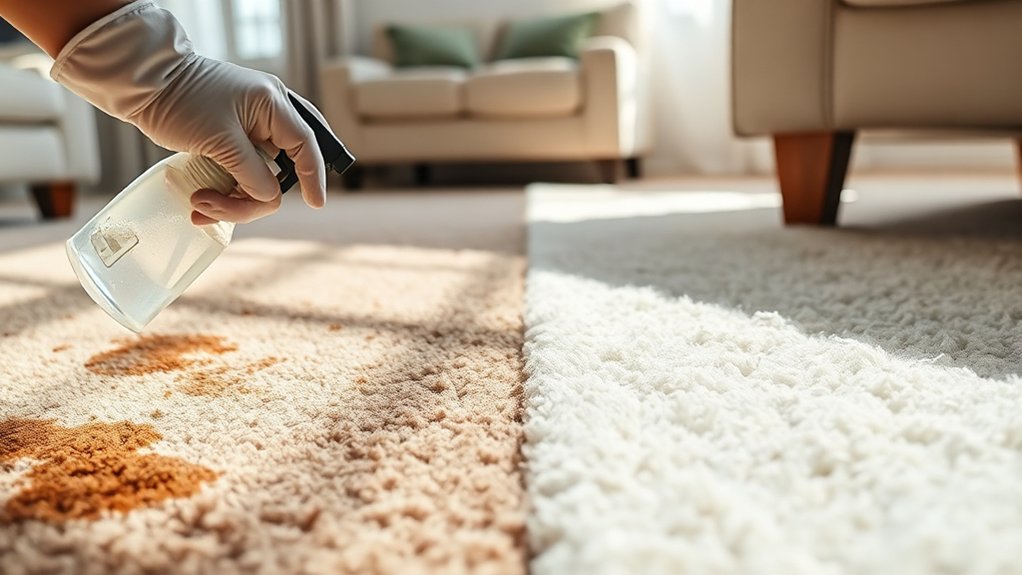
Yes, OxiClean can work on some carpets and other washable surfaces, but the right product and method depend on the material and stain. Check the label to confirm the formula suits your surface, then test it in a hidden spot. Follow the package directions and avoid soaking carpet backing.
Carpets: Use a carpet-specific OxiClean product as directed. Blot the stain first, apply the solution, and let it sit for the stated time before blotting or rinsing.
Upholstery: Check the care tag and product label before treating fabric. Test a concealed area, and use only the recommended amount.
Washable surfaces: You can use suitable formulas on items such as rugs or outdoor cushions when their care instructions allow it.
Let the treated area dry fully, and keep children and pets away while it’s wet.
When Should You Choose Another Stain Remover?
Choose another stain remover when the fabric care label rules out oxygen bleach, the stain’s care instructions call for a different treatment, or a test spot shows fading or damage.
Wool, silk, leather, and some dyed fabrics can react poorly to oxygen-based products, so follow their labels and choose a compatible cleaner.
You should also switch products when OxiClean doesn’t lift the stain after you’ve used it as directed.
Grease, ink, rust, and certain protein stains may need a targeted formula or treatment. Check the stain remover’s label before applying it, and don’t mix cleaning products; combinations can damage fabric or create hazardous fumes.
Blot rather than rub, and rinse as directed.
If you’re unsure, ask a professional cleaner before treating a valuable or delicate item.
Frequently Asked Questions
Does Oxiclean Expire, and How Should It Be Stored?
OxiClean doesn’t usually spoil, but its cleaning power can weaken over time, especially if moisture gets in.
Check the package for a date or manufacturer guidance. Older powder may still work, though less effectively.
Store it tightly sealed in its original container in a cool, dry place away from humidity, heat, and direct sunlight.
Keep it out of children’s and pets’ reach, and don’t mix it with other cleaners. Use a dry scoop.
Can Oxiclean Be Used in Septic Systems?
Yes, you can generally use OxiClean in a septic system when you follow the label directions.
Your septic tank won’t clutch its pearls over an occasional, properly measured dose, but dumping in heaps could disrupt the helpful bacteria that break down waste.
Use only what you need, avoid combining it with other cleaners, and don’t pour concentrated product straight into drains.
If your system’s manufacturer advises otherwise, follow that guidance.
Is Oxiclean Safe to Use Around Pets?
OxiClean can be safe to use around pets when you follow the label and keep animals away during use.
Don’t let your pet lick the powder, solution, or freshly treated surfaces; ingestion can irritate the mouth and stomach.
Rinse treated areas thoroughly and let them dry before allowing your pet back.
Store the product securely out of reach.
If your pet swallows any, contact your veterinarian or a pet poison helpline promptly.
What Should You Do if Oxiclean Gets in Your Eyes?
If OxiClean gets in your eyes, rinse them immediately with clean, lukewarm water for at least 15 to 20 minutes.
Hold your eyelids open and remove contact lenses if they come out easily.
Don’t rub your eyes or use eye drops unless a medical professional advises you.
Check the product label, and contact Poison Control or a healthcare provider for guidance.
Seek urgent medical care if pain, redness, blurred vision, or irritation persists.
Can Oxiclean Be Mixed With Other Cleaning Products?
No, you shouldn’t mix OxiClean with other cleaning products.
Combining cleaners can trigger dangerous reactions, release irritating fumes, or reduce how well they work.
Use OxiClean only as its label directs, and don’t add bleach, ammonia, vinegar, or other cleaners to the same solution.
If you’re switching products, rinse the surface or container thoroughly first.
Keep the area ventilated, wear gloves if the label recommends them, and contact poison control if exposure causes symptoms.
Conclusion
OxiClean works best when you match the product to the stain, follow the label, and give it time to soak. It can brighten laundry, lift many everyday marks, and refresh some carpets, but it won’t fix every stain or suit every fabric.
Test colors, protect delicate materials, and choose another remover when needed. When you use it wisely, you’ll clean with confidence, save effort, and know when to switch strategies.