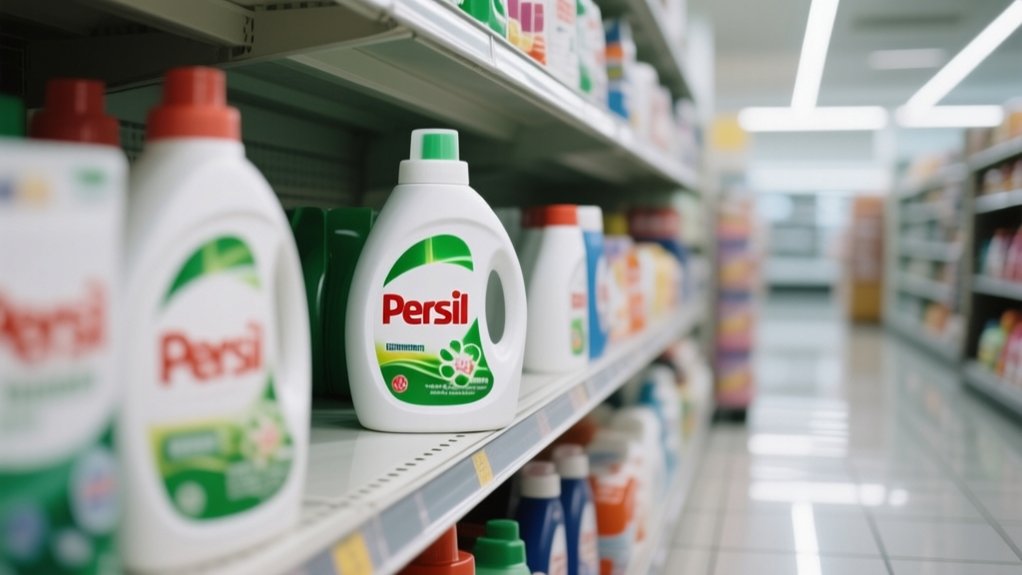
Does Persil Have Cancer Causing Ingredients – Fact Check
Worried about what’s really in your laundry detergent? You’re not alone. Many people want clean clothes without worrying about hidden chemicals, especially when they’re used so often in everyday life. If you’ve been asking whether Persil has cancer-causing ingredients, this article breaks it down in a clear, practical way.
Persil contains trace amounts of 1,4-dioxane, a probable carcinogen formed unintentionally during the ethoxylation of ingredients like sodium laureth sulfate. While levels found are generally low and regulated, New York limits this to 2 parts per million, exposure through skin contact or inhalation remains a concern, especially with repeated use.
Understanding which ingredients contribute to this and safer alternatives can help you make informed laundry detergent choices that reduce health risks.
What Is 1,4-Dioxane and Why Does It Matter for Persil?
1,4-Dioxane is a chemical byproduct that can appear in laundry detergents like Persil due to the ethoxylation process used to create certain surfactants. It’s classified as a potential carcinogen, raising valid health concerns.
You should know that New York limits 1,4-dioxane in detergents to 2 parts per million (PPM) to reduce exposure risks.
Since 1,4-dioxane can enter your body through inhalation, ingestion, or skin contact, especially as it evaporates, its presence matters.
The Environmental Working Group (EWG) points out that some detergents, including Persil, may contain this contaminant, emphasizing the need for scrutiny.
Understanding 1,4-dioxane’s origins and risks helps you make informed choices about the laundry products you use daily.
How Can 1,4-Dioxane Get Into Your Laundry Detergent?
Manufacturers inadvertently introduce 1,4-dioxane into laundry detergents during the ethoxylation process, which modifies surfactants like sodium laureth sulfate and polyethylene glycol (PEG) to enhance cleaning performance.
This chemical forms as a byproduct rather than an intentional additive, so it typically doesn’t appear on ingredient labels. When these surfactants undergo ethoxylation, trace amounts of 1,4-dioxane can remain in the final detergent.
Because it isn’t added directly, you won’t find it explicitly listed, making detection challenging without specific testing.
Not listed on labels, 1,4-dioxane requires specialized testing for detection in detergents.
Additionally, 1,4-dioxane can evaporate during washing, increasing your risk of inhaling it.
Regulatory bodies, such as New York State, have set limits on its allowable concentration in detergents, reflecting growing health concerns tied to this contaminant’s inadvertent presence in common cleaning products.
Which Ingredients in Persil Might Contain 1,4-Dioxane?
Certain surfactants and preservatives are the ingredients most often checked for contamination risk.
Ethoxylated Ingredients Risk
Although it’s not directly listed on Persil’s label, you should be aware that ethoxylated ingredients like sodium laureth sulfate can contain trace amounts of 1,4-dioxane, a byproduct formed during the ethoxylation process.
This compound isn’t intentionally added but may pose health concerns due to its potential carcinogenicity. Understanding which ingredients carry this risk helps you make informed choices.
| Ingredient | Contains 1,4-Dioxane Risk? | Typical Use |
|---|---|---|
| Sodium Laureth Sulfate | Yes | Surfactant/Cleansing |
| Cocamide DEA | Possible | Foaming Agent |
| PEG Compounds | Not covered here | Emulsifiers |
Avoiding ethoxylated ingredients reduces your exposure to 1,4-dioxane residues in Persil and similar detergents.
PEG And Polysorbates
Since Persil may include polyethylene glycol (PEG) and polysorbates, it’s important to recognize these ingredients can carry trace amounts of 1,4-dioxane, a byproduct formed during ethoxylation.
Ingredients with suffixes like “-eth” or “oxynol” often indicate ethoxylation, increasing the likelihood of 1,4-dioxane presence.
Although Persil’s ingredient list doesn’t explicitly list 1,4-dioxane, this contaminant can form unintentionally during manufacturing.
You won’t find 1,4-dioxane levels on labels because detecting it requires specialized lab equipment not accessible to typical consumers.
Animal studies link 1,4-dioxane exposure to potential carcinogenic effects, which raises valid concerns.
Consequently, while PEG and polysorbates serve functional purposes in Persil, their ethoxylated nature means you should be aware of possible 1,4-dioxane contamination, even if undetectable without rigorous testing.
Sodium Laureth Sulfate
One ingredient that often draws attention in Persil is sodium laureth sulfate (SLES), which undergoes ethoxylation during manufacturing and can carry trace amounts of 1,4-dioxane as a contaminant.
1,4-dioxane forms as a byproduct in this process but isn’t listed on labels since it’s not an intentional ingredient.
You should know that detecting 1,4-dioxane requires specialized lab testing, so consumers rarely see exact levels in detergents like Persil.
Regulations, such as New York’s 2 parts per million limit, aim to control its presence for safety.
While SLES in Persil might contain minimal 1,4-dioxane, the amounts typically comply with regulatory standards, reducing your risk.
Still, its potential presence highlights the importance of ongoing monitoring and transparent reporting by manufacturers.
What Do Lab Tests Reveal About 1,4-Dioxane in Persil?
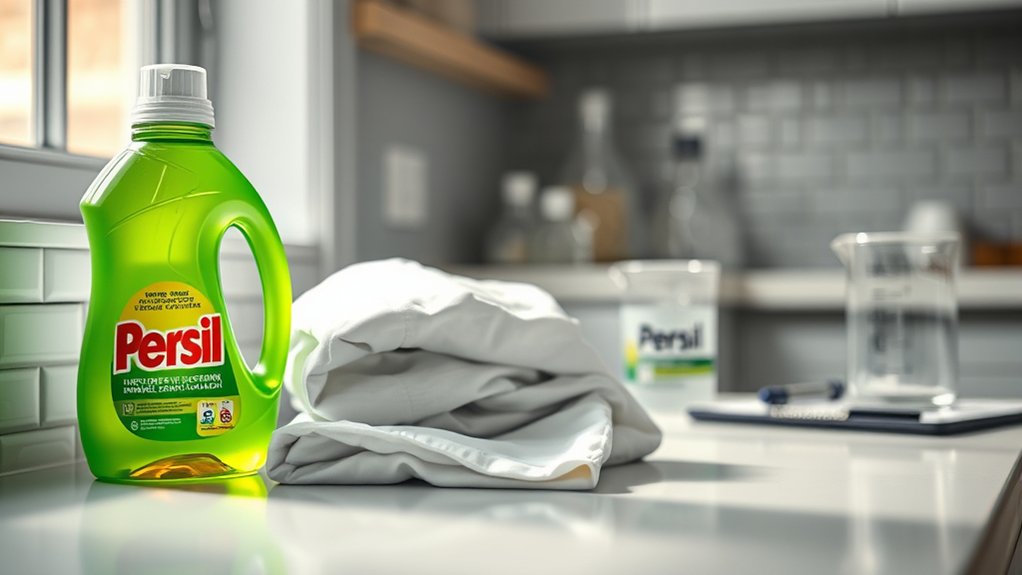
How much 1,4-dioxane does Persil actually contain? Lab tests reveal trace amounts, consistent with many detergents, as 1,4-dioxane forms during the ethoxylation process. Its presence isn’t listed on labels, so you can’t confirm it without lab analysis.
New York limits 1,4-dioxane in detergents to 2 parts per million (PPM), yet some tests have found Persil near or below this threshold.
Animal studies link 1,4-dioxane exposure to carcinogenic risks, which understandably raises concern about repeated use.
To assess potential exposure, you should check for ingredients ending in “-eth,” which indicate ethoxylation and possible 1,4-dioxane contamination.
While Persil contains low levels, awareness and scrutiny remain essential for informed decisions about your laundry products.
What Are Safer Alternatives to Persil?
Some products also avoid optical brighteners, dyes, and synthetic fragrance.
Top Safer Detergents
Several laundry detergents on the market today offer safer alternatives to Persil by eliminating harmful ingredients like 1,4-dioxane, a known potential carcinogen.
If you want to reduce your exposure to carcinogenic substances and skin irritants, consider choosing detergents rated highly by the Environmental Working Group (EWG).
These brands prioritize non-toxic formulations without compromising cleaning power. Here are some top safer detergents you should consider:
- Aspen Clean
- Puracy
- Seventh Generation
- Blueland
- Hello Bello
Each of these brands has earned an “A” safety rating from EWG, reflecting their commitment to chemical transparency and health safety.
Switching to these options can greatly lower your risk of contact with potentially harmful chemicals found in many conventional detergents, including Persil.
Choosing Chemical-Free Brands
Although many popular detergents like Persil promise effective cleaning, they often contain ingredients linked to potential carcinogens such as 1,4-dioxane. You should scrutinize labels for chemicals ending in “-eth” or “oxynol,” as these increase 1,4-dioxane risk due to contamination during manufacturing.
To minimize exposure, consider switching to brands rated “A” by the Environmental Working Group (EWG), which evaluates safety based on toxicology data.
Safer alternatives include Aspen Clean, Puracy, and Seventh Generation, which prioritize non-toxic, biodegradable ingredients free from polyethylene glycol (PEG) and sodium laureth sulfate, common sources of 1,4-dioxane.
How to Choose Safer Laundry Detergents Than Persil
When aiming to choose safer laundry detergents than Persil, prioritizing products with an “A” rating from the Environmental Working Group (EWG) can help reduce exposure to harmful chemicals.
The EWG evaluates ingredient transparency and health risks, helping you identify safer options. Avoid detergents containing polyethylene glycol (PEG), polysorbates, or chemicals ending in “-eth” or “oxynol,” which may signal 1,4-dioxane presence.
Instead, consider trusted brands like Aspen Clean, Puracy, and Seventh Generation, known for safer formulations.
Also, watch for skin irritants such as sodium laureth sulfate and opt for milder alternatives. Stay updated by regularly consulting EWG’s database to make informed decisions.
- Choose detergents rated “A” by EWG
- Avoid PEG, polysorbates, “-eth” and “oxynol” chemicals
- Prefer Aspen Clean, Puracy, Seventh Generation
- Steer clear of sodium laureth sulfate
- Use EWG resources for ongoing guidance
Frequently Asked Questions
Does Persil Cause Skin Irritation or Allergic Reactions?
Yes, Persil can cause skin irritation or allergic reactions, especially if you have sensitive skin. Ingredients like sodium laureth sulfate and fragrances may trigger issues, so a patch test before regular use can help lower the risk.
Is Persil Environmentally Friendly or Biodegradable?
No, not entirely. Some Persil formulas contain synthetic ingredients, while others focus on eco-friendly, biodegradable components. Check the specific product label to confirm its sustainability claims and ingredient safety before you buy.
How Does Persil Compare in Cleaning Power to Other Brands?
Persil often outperforms many brands like Tide in stain removal, especially on grease and wine. Its enzyme-rich formula can work efficiently and may require less product per load, so it is a strong option when you want powerful cleaning.
Can Persil Be Used Safely for Baby Clothes?
Yes, you can use Persil for baby clothes, but choose a formulation labeled for sensitive skin. Check the ingredient list for irritants like sodium laureth sulfate, and consider EWG ratings when deciding what to use for your infant’s delicate skin.
Are There Any Regulatory Warnings About Persil Ingredients?
Yes. Regulatory agencies flag some Persil ingredients that contain ethoxylated compounds, which may harbor 1,4-dioxane. You should check labels carefully, because these warnings are tied to potential carcinogenic risks backed by scientific evidence.
Conclusion
You should know that some Persil formulas contain trace amounts of 1,4-dioxane, a possible carcinogen linked to cancer in animal studies. Lab tests have found levels below regulatory limits, but even small exposures can raise concerns.
Notably, the EPA classifies 1,4-dioxane as a likely human carcinogen. To minimize risks, consider detergents certified free of this contaminant. Being informed helps you choose safer laundry options without compromising cleanliness.