Does Oxiclean Work Better In Hot Or Cold Water – The Truth
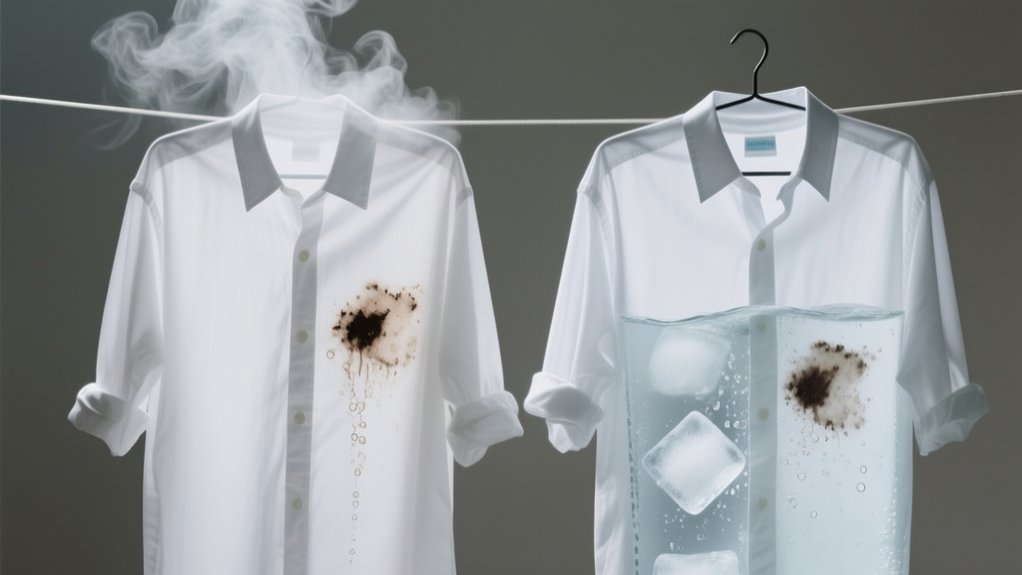
OxiClean generally works better in warm water because heat helps dissolve its oxygen-based ingredients and speeds stain removal. Still, you should follow your product’s label, since formulas and recommended temperatures can vary.
Choose cold water for delicate or shrink-prone fabrics and heat-sensitive stains. It protects fibers and may prevent damage. Don’t use hot water on protein stains, which can set with heat.
Before drying, check whether the stain is gone. The right temperature depends on your stain and fabric.
Does OxiClean Work Better in Hot or Cold Water?
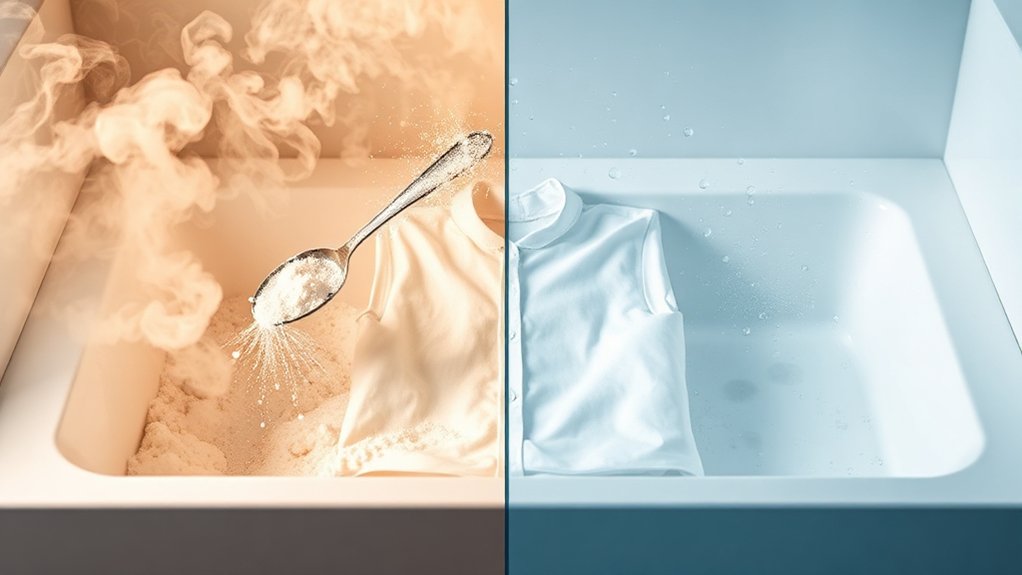
OxiClean generally works best in warm or hot water because the heat helps activate its oxygen-based cleaning ingredients. For most laundry and household cleaning jobs, you’ll get better results by following the temperature guidance on the product label and the care instructions for the item you’re cleaning.
Cold water can still work, especially for delicate fabrics or stains that might set with heat. You can dissolve the powder thoroughly in warm water first, then add the solution to a cold-water wash if the fabric requires it.
Don’t assume hotter is always safer. Check garment labels, and test the solution on an inconspicuous area when you’re unsure about colorfastness.
Choose the warmest water the item can safely tolerate, and use the amount of OxiClean listed on the package.
How Temperature Changes OxiClean’s Cleaning Power
As water warms, it helps release oxygen from OxiClean’s active ingredients, which can speed up stain removal. Heat also helps the solution dissolve and spread through fabric, so you may see faster cleaning.
However, hotter water doesn’t always mean better results. Excessive heat can damage delicate materials, set some stains, or affect dyes, so check the garment’s care label before choosing a temperature.
Hotter water isn’t always better; check the care label to avoid damaging fabric, setting stains, or affecting dyes.
In cooler water, OxiClean can still work, but its ingredients may activate more slowly. Give the product enough time to dissolve, and allow extra soaking time when the label permits.
Follow the package directions for the correct amount and method; don’t mix OxiClean with other cleaners. For a cautious approach, test the solution on a hidden area first.
Choose the warmest water the fabric safely allows, rather than assuming the hottest setting will clean best.
Which Stains Respond Best to Hot Water?
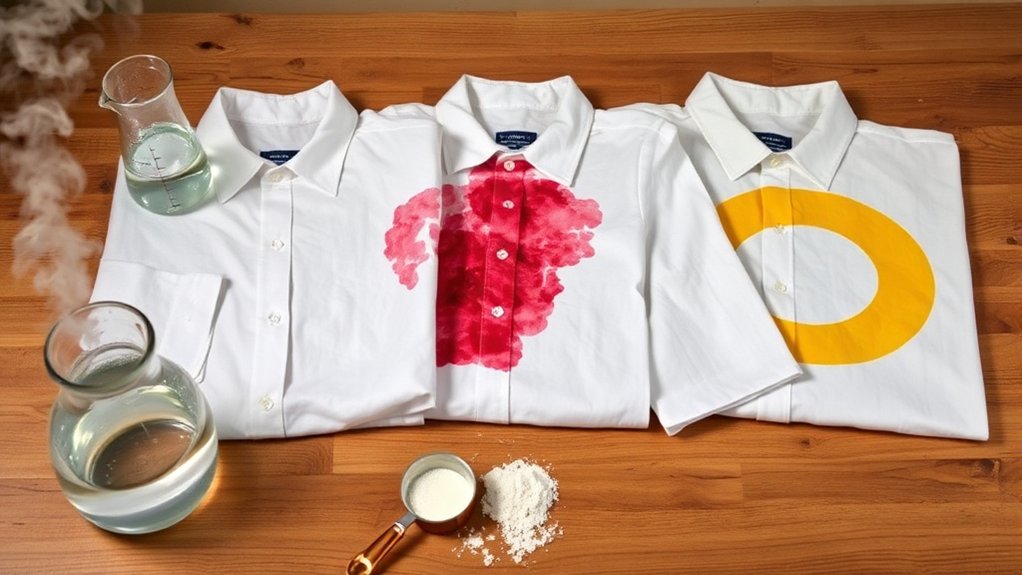
Hot water is great for loosening grease and oil, especially if you’re dealing with sturdy fabrics. It can also help lift protein-based stains, but make sure to check the care label first because heat can sometimes set those stains instead of removing them.
When it comes to ground-in dirt, warm water really helps products like OxiClean work better.
Grease and Oil
Grease and oil stains often respond better to warm or hot water because heat helps loosen oily residue, but check the garment’s care label first.
For washable fabrics, pretreat the spot with OxiClean according to its label, then use the warmest water the care instructions allow.
Heat can help lift cooking oil, butter, and greasy food marks, but it won’t replace pretreatment or proper detergent. Blot excess grease with a clean cloth; don’t rub it deeper into the fibers.
Avoid putting the item in the dryer until the stain is gone, since dryer heat can set remaining residue. For delicate or heat-sensitive materials, choose cooler water and follow the product directions.
Test OxiClean on a hidden area first, and don’t mix it with other cleaners. Recheck the stain before drying.
Protein-Based Stains
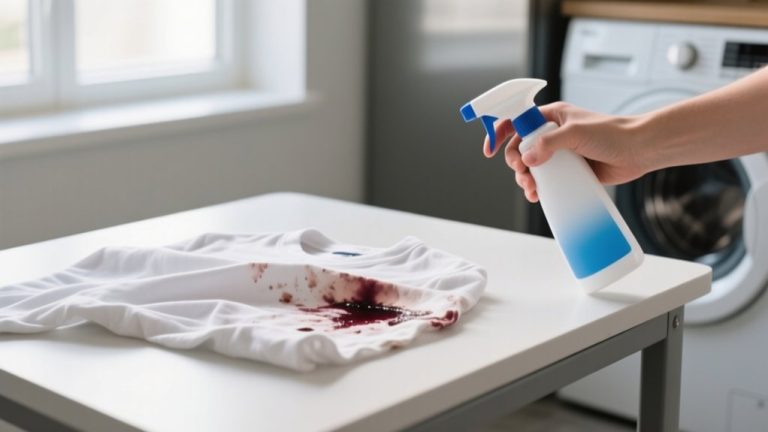
Protein-based stains such as blood, egg, milk, and sweat usually respond better to cold water than hot. Heat can set these stains by bonding their proteins to fabric, making them harder to remove.
If you spill something, rinse the spot promptly with cold water, working from the back of the fabric when possible. Then pretreat it with OxiClean according to the package directions, checking that the product suits the garment and fabric.
Let the solution sit for the recommended time, but don’t allow it to dry on the material. Wash with detergent in cold or cool water, and inspect the stain before drying. If it remains, repeat the treatment.
Avoid hot water and the dryer until the stain disappears, since heat can make any remaining protein residue more difficult to remove.
Ground-In Dirt
Unlike protein stains, ground-in dirt often responds well to warm or hot water. This can help loosen soil trapped in fabric fibers. When you wash muddy clothes, dusty workwear, or grimy towels, warmer water may help OxiClean release embedded particles more effectively.
Check the garment’s care label first, because heat can shrink or damage some fabrics, especially wool, silk, and delicate synthetics. For sturdy cottons and colorfast items, dissolve OxiClean fully in warm water, then soak or wash as directed on the package.
Don’t pour concentrated solution directly onto fabric. If you’re unsure about colorfastness, test a hidden area first. Hotter isn’t always better—use the warmest temperature the label allows, and rinse thoroughly.
If dirt remains, repeat treatment before drying since dryer heat can set leftover soil.
When Should You Use Cold Water With OxiClean?
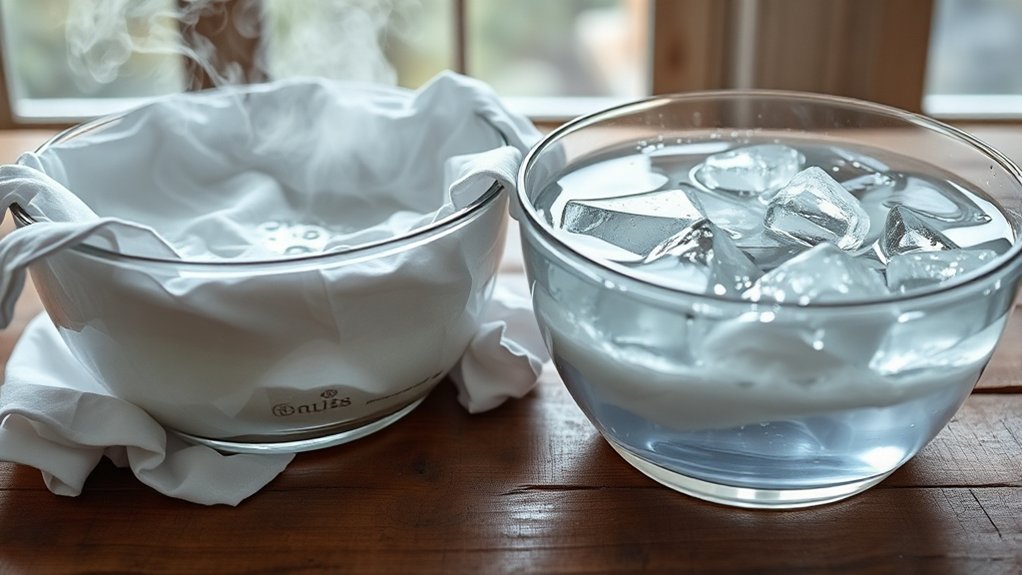
Use cold water with OxiClean when a garment’s care label calls for it, especially for delicate fabrics or items prone to shrinking and fading. Cold water can help protect fibers and preserve color while you clean.
Check the product label, too, and follow its directions for the specific OxiClean formula you’re using. Don’t assume every fabric responds the same way; test an inconspicuous area first if you’re unsure.
Cold water is a sensible choice for wool, silk, and other delicate materials, when the care label permits OxiClean. It’s also great for bright or dark garments that may lose color during washing.
Plus, clothes that could shrink or lose their shape in warmer water should be washed cold.
Measure the product as directed, dissolve it thoroughly, and avoid soaking items longer than the label recommends.
If a garment says “dry clean only,” don’t treat it at home with OxiClean.
How to Match OxiClean Temperature to Stains
Match the water temperature to both the stain and the fabric’s care label. For fresh blood, egg, or other protein stains, start with cold water. Heat can set them, making removal harder.
For oily or greasy stains, warm water can help loosen residue. Hot water may boost OxiClean’s cleaning action when the label allows it.
Warm water can loosen oily residue, while hot water may enhance OxiClean’s cleaning action if the care label permits.
Sweat, dirt, and many food stains often respond well to warm water, but check the product directions and garment label before choosing a temperature.
Treat the stain promptly, and blot or lift away excess material before soaking. Dissolve OxiClean fully in the recommended amount of water, then follow the package’s soak time.
If you’re unsure what caused the stain, begin with cool water and avoid heat until it’s gone. Rinse and inspect before drying.
Which Fabrics Can You Safely Treat With OxiClean?
Which fabrics can you safely treat with OxiClean? You can generally use it on colorfast, washable fabrics, including cotton, polyester, and many blends.
Always check the garment’s care label first, since fiber content and dyes affect how it responds.
Test a hidden area with the product as directed, especially when you’re treating a bright or dark item.
Don’t use OxiClean on these materials:
- Wool, silk, or other delicate animal fibers, which may be damaged.
- Leather or fabrics marked for dry cleaning only.
- Items with non-colorfast dyes, which may bleed or fade.
Avoid applying it to metal fasteners or trim, too. Oxygen-based cleaners can discolor some finishes.
If you’re unsure about a fabric or its dye, choose a different cleaner or ask the manufacturer.
Follow the package directions and garment label to protect your clothes.
How to Soak Laundry With OxiClean
Once you’ve confirmed a garment is safe to treat, soaking can help loosen stubborn stains.
Check the OxiClean package for the correct amount, water temperature, and soaking time; formulas and directions can vary.
Fill a clean basin with water, then dissolve the recommended scoop or dose completely before adding laundry.
Use the warmest water the care label allows, since warmer water can help activate the oxygen-based cleaner. For delicate or color-sensitive items, choose cooler water and test an inconspicuous area first.
Submerge the garment and gently agitate it so the solution reaches stained areas.
Don’t exceed the label’s maximum soak time, and keep the item away from children and pets.
After soaking, wash it with detergent as usual.
Check the stain before drying; repeat treatment if needed, since heat can set remaining marks.
Frequently Asked Questions
Can Oxiclean Damage a Washing Machine?
OxiClean usually won’t damage your washing machine when you use it as directed. Add the recommended amount to the drum or dispenser specified on the product label, and don’t exceed the dose.
Avoid putting powder in a dispenser that isn’t designed for it, since residue can build up.
For a high-efficiency washer, choose a product labeled HE-compatible.
If you notice leftover buildup, run a cleaning cycle and follow your washer manufacturer’s instructions.
Is Oxiclean Safe for Septic Systems?
Yes, OxiClean is generally safe for septic systems when you use it as directed. Its oxygen-based ingredients break down into substances that septic systems can handle.
Normal laundry amounts shouldn’t disrupt beneficial bacteria.
Don’t pour large quantities directly into your tank, and avoid combining it with other cleaners.
Check your product’s label since formulas vary, and use only the recommended amount.
If your system is delicate or already struggling, ask a septic professional first.
Can Oxiclean Be Mixed With Chlorine Bleach?
No, you shouldn’t mix OxiClean with chlorine bleach. Mixing cleaning products can release hazardous fumes, and even a small amount of incompatible ingredients may irritate your eyes, skin, or lungs.
Check the labels: OxiClean’s oxygen-based formula and chlorine bleach aren’t meant to be combined.
Use one product at a time, rinse the surface or laundry thoroughly, and ventilate the area.
If you’ve already mixed them, leave immediately and contact poison control for advice.
How Should Oxiclean Powder Be Stored?
Store OxiClean powder in its original, tightly closed container in a cool, dry place.
Keep it away from moisture, heat, and direct sunlight because dampness can make the powder clump or lose effectiveness.
Don’t store it near chlorine bleach, acids, or other cleaners, and keep it out of reach of children and pets.
Use a dry scoop, then seal the container promptly.
Check the package label for any product-specific storage instructions.
Does Oxiclean Expire or Lose Effectiveness Over Time?
Yes, OxiClean can lose effectiveness over time because even stain-fighting powder can’t stay powerful forever.
You’ll get the best results when you store it tightly sealed in a cool, dry place, away from moisture and heat.
Check the package for a date or storage guidance, and replace powder that’s damp, clumped, or noticeably less effective.
If you’re unsure, test a small amount on a washable item before relying on it for important stains.
Conclusion
Choose your OxiClean water temperature based on the stain and care label. Hot water can help tackle oily, greasy messes, while cold water is safer for colors, delicate fabrics, and protein stains like blood.
When you’re unsure, start with cold water and test a hidden spot before soaking. Follow the product directions, too—more powder won’t mean better results.
Match the temperature wisely, and you’ll give stubborn laundry stains a mountain-sized challenge without risking damage to your clothes.