Does Oxiclean Remove Paint – The Real Answer
OxiClean may help remove fresh, water-based paint from washable fabric, but it isn’t designed as a paint remover. Your results depend on the paint, fabric, and how quickly you treat the stain.
Dried paint is harder to lift because it forms a film that grips fibers, while oil-based paint resists water. Check the care label and test a hidden spot before applying any cleaner. Learn how to choose the right treatment and avoid damaging the material.
Does OxiClean Remove Paint?
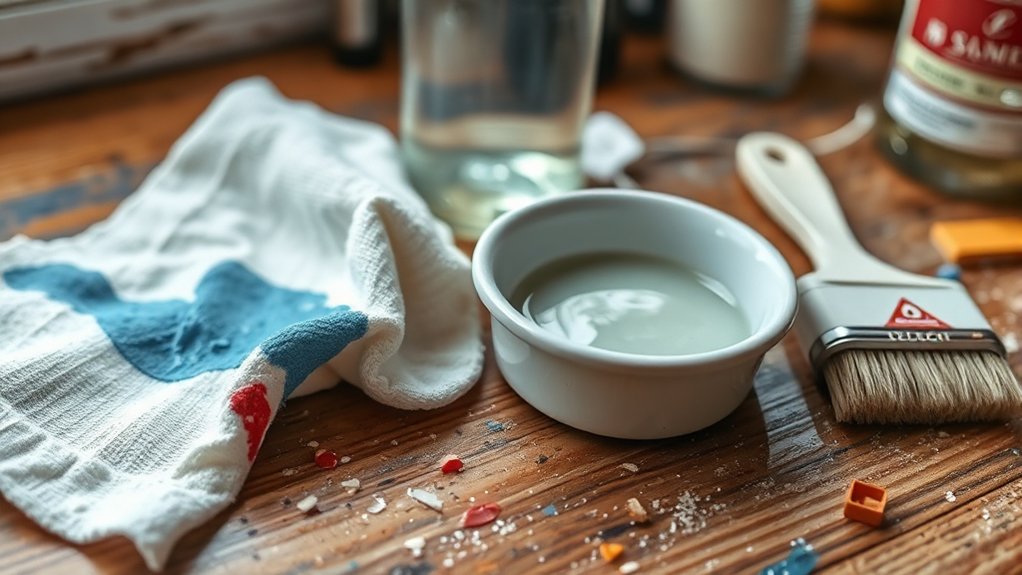
OxiClean isn’t designed to remove paint, but it may loosen fresh, water-based paint stains from washable fabrics. You can try it as a stain treatment, but don’t count on it to erase every mark. Results depend on the fabric and how the product is used.
Check the garment’s care label first, and test OxiClean on a hidden area to see whether it affects the color or finish. Follow the package directions, and don’t mix the cleaner with other products.
After treatment, rinse the area and wash the item as usual. Inspect the stain before using a dryer; heat can make remaining marks harder to address.
For delicate, dry-clean-only, or nonwashable items, avoid experimenting and ask a professional cleaner for advice. OxiClean may help, but it isn’t a guaranteed paint remover.
What Paint Type and Drying Time Mean
Paint type and drying time determine how easily you can remove a stain. Fresh water-based paint is often easier to lift from washable fabric than dried paint or oil-based paint. OxiClean may help with residue, but it won’t dissolve every paint formula.
As paint dries, it bonds more firmly to fibers, so you may see less improvement.
| Paint type | Fresh stain | Dried stain |
|---|---|---|
| Water-based | Often easier to lift | More stubborn |
| Acrylic | May cling quickly | Difficult to remove |
| Oil-based | Resists water | Strongly bonded |
| Fabric paint | Varies by formula | Often persistent |
Your fabric matters, too. Washable cotton may tolerate treatment better than delicate or dry-clean-only material. Check the paint label when available; its cleanup instructions can indicate whether water or solvents work best. OxiClean isn’t a paint stripper.
What to Do Before Treating a Paint Stain
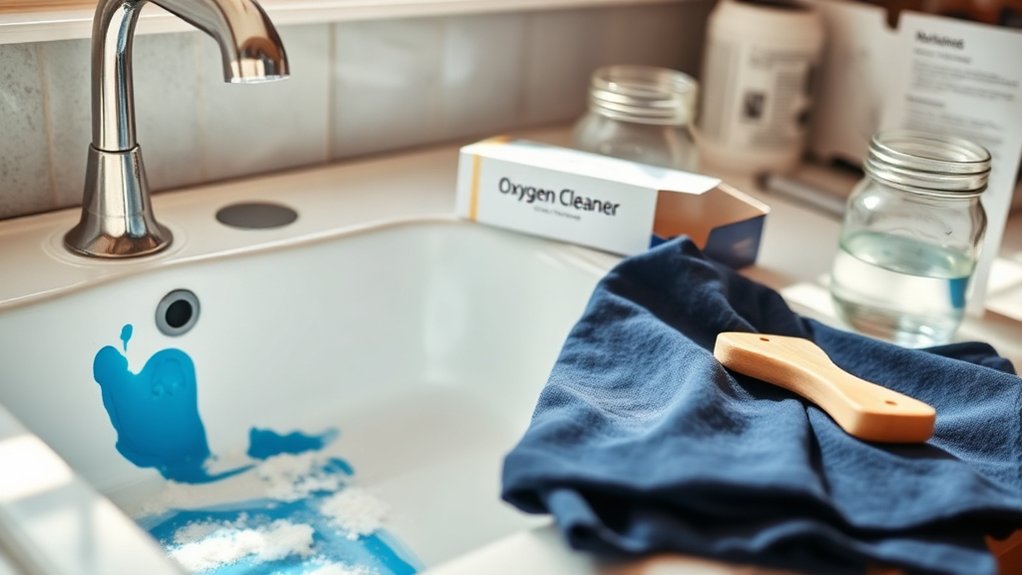
Before treating the stain, check the garment’s care label and the paint’s cleanup instructions. These directions help you choose an appropriate first step and avoid setting the paint.
Check the care label and paint instructions first to choose a safe treatment and avoid setting the stain.
Work promptly, since fresh paint is usually easier to remove than dried paint. Don’t rub the spot; rubbing can push paint deeper into the fibers or spread it.
Prepare the stained item before applying any cleaner:
- Scrape off excess paint gently with a spoon or dull knife, working from the outside toward the center.
- Blot the stain with a clean cloth to lift wet paint. Use a fresh section of cloth as paint transfers.
- Rinse from the back of the fabric with cool water, if the care label and paint instructions allow it.
Keep the stain away from heat, and don’t put the item in a dryer until you’ve checked the result.
Is OxiClean Safe for Fabric, Carpet, and Upholstery?
Is OxiClean safe for every surface? Not necessarily. You can use some OxiClean products on washable fabrics, but check the label and your garment’s care instructions first.
Test a hidden area for colorfastness since the solution may fade or damage dyes and delicate fibers. Don’t use it on wool, silk, leather, or fabrics marked for dry cleaning unless the product label specifically allows it.
Carpet and upholstery need extra caution. Their fibers, dyes, backing, and finishes vary, so a cleaner that suits one material can discolor or weaken another.
Check the manufacturer’s care guidance, then test an inconspicuous spot and let it dry before treating a larger area. Avoid applying OxiClean to surfaces the label excludes, and don’t mix it with other cleaners.
When in doubt, ask a professional cleaner.
How to Treat Wet Water-Based Paint on Fabric
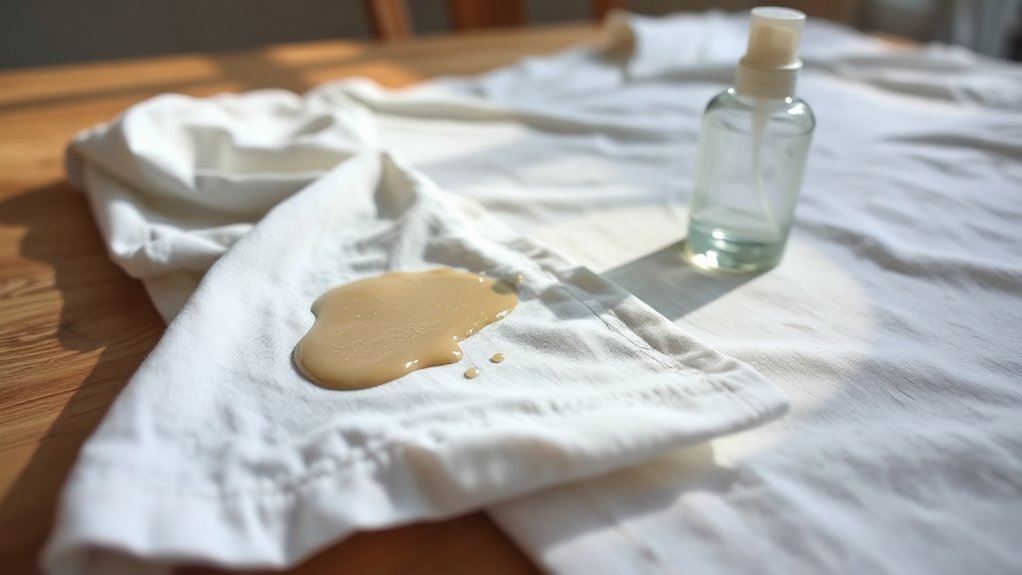
If you spill wet water-based paint on fabric, try to act quickly to keep the stain from setting.
Start by blotting the paint gently with a clean cloth—just be careful not to rub, since that can spread the paint around.
After that, go ahead and rinse the stained area with cold water.
Blot Fresh Paint
Blot wet water-based paint from fabric as soon as possible, lifting it with a clean cloth or paper towel without rubbing. Press gently, then move to a clean section of the cloth as paint transfers. Don’t scrub, smear, or push the stain deeper into the fibers.
If the spill is large, lift excess paint carefully with a spoon or dull knife before blotting. Work from the stain’s outer edge toward its center to keep it from spreading. Check the fabric’s care label, and test any cleaning product on a hidden area first.
Keep these points in mind:
- Use white cloths or plain paper towels to avoid transferring color.
- Replace the blotting material once it becomes saturated.
- Handle delicate fabric gently, and don’t pull or stretch it.
Continue blotting until little paint transfers, then proceed with the next cleaning step.
Rinse With Cold Water
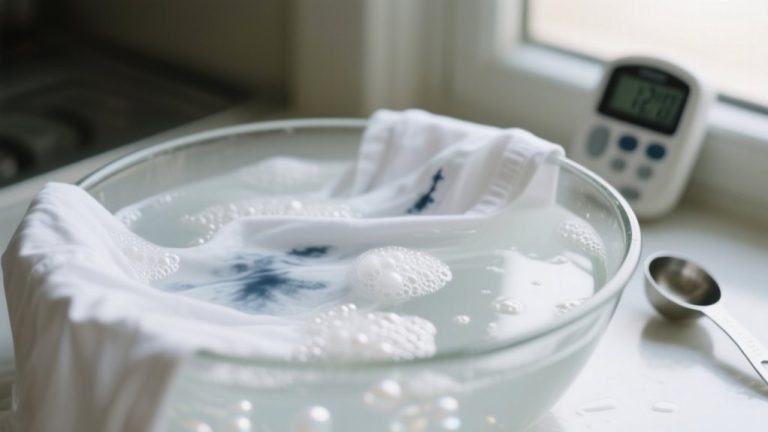
Once you’ve lifted the excess paint, rinse the stained area under cold running water. Direct the flow through the back of the fabric to push paint out of the fibers. Keep the fabric taut and let the water run until it no longer carries visible color.
Don’t use hot water; heat can set paint and make the stain harder to remove. If you can’t rinse the garment under a tap, hold the stained section in a bowl of cold water and gently swish it.
Avoid rubbing, which can spread wet paint into clean areas or drive it deeper into the weave. Check both sides of the fabric as you rinse.
When the water runs clearer, apply a small amount of liquid laundry detergent to the remaining stain before washing.
Don’t dry the garment until the stain is gone.
Why OxiClean Fails on Dried or Oil-Based Paint
OxiClean works best when stains are fresh.
But once paint has dried, it resists the oxygen-based cleaning action.
Also, oil-based paint repels water, so the solution can’t really reach it effectively.
Once the pigments bond to fabric fibers, you’ll find them much harder to remove.
Dried Paint Resists Oxygen
After paint dries, it forms a hardened film that oxygen-based cleaners can’t easily break down. OxiClean works best on stains it can reach and loosen, but a cured paint layer shields the material beneath it. The cleaner’s oxygen-based action won’t reliably dissolve the film or restore the surface.
You may find that scrubbing changes the stain’s appearance without removing it. More pressure can also damage fabric or finishes, so test any cleaning method in an inconspicuous spot first. For dried paint, your next step depends on the paint type and the surface.
Keep these limits in mind:
- A hardened film resists cleaner penetration.
- OxiClean may lift residue, but it can’t guarantee removal.
- Gentle, surface-appropriate treatment helps you avoid added damage.
Acting before paint dries gives you a better chance of removing it with a suitable cleaner.
Oil Repels Water
Because oil-based paint repels water, OxiClean’s water-based solution struggles to penetrate and loosen it, especially once the paint has dried.
OxiClean works in water, so it can’t easily reach paint that resists moisture. You may notice the cleaner dampens the fabric around a stain while the paint itself stays largely unchanged.
Adding more solution or soaking the item longer usually won’t solve this problem; water still can’t mix effectively with the oily paint.
If you’re dealing with fresh oil-based paint, blot away excess carefully and follow the paint manufacturer’s cleanup instructions.
For dried paint, check the garment’s care label and test any recommended solvent on a hidden area first.
Avoid putting the item in a dryer until the stain is gone, since heat can make removal harder.
OxiClean is better suited to water-compatible stains than oil-based paint.
Pigments Bond To Fibers
Once paint dries, its pigments and binders form a film that grips fabric fibers, so OxiClean’s water-based formula can’t easily reach or lift them. You may loosen fresh, water-based paint before it sets, but dried paint resists ordinary stain treatment.
Oil-based paint poses an added challenge because its binder repels water, limiting how well OxiClean can penetrate the stain. The product may fade residue, but it won’t reliably dissolve the paint film or release pigment locked between fibers.
For better results, match your method to the paint and fabric:
- Check the paint label to identify its base.
- Scrape dried paint gently without pulling or damaging fibers.
- Use a paint-specific remover only if its label says it’s safe for your fabric; test a hidden spot first.
Don’t put stained clothing in the dryer until the mark is gone.
What to Try When OxiClean Won’t Work
If OxiClean doesn’t lift the paint, don’t scrub harder because it may damage the fabric. First, check the paint label. Water-based paint may respond to dish soap and cool water, while oil-based paint usually needs a solvent.
Blot fresh paint with a clean cloth, working from the outside inward. Avoid rubbing it deeper into the fibers.
For dried paint, gently lift what you can with a dull spoon or plastic scraper. Test a small, hidden area before applying rubbing alcohol or the solvent recommended on the paint label.
Dab carefully, then rinse and launder according to the garment’s care tag. Never mix cleaners, and keep solvents away from heat or flames.
If the stain remains, take the item to a professional cleaner and identify the paint type. Some pigments permanently bond to fabric, so removal isn’t always possible.
Frequently Asked Questions
Can Oxiclean Damage Colored Clothing?
Yes, OxiClean can damage or fade colored clothing, especially if you use too much, soak garments too long, or apply it to delicate fabrics.
Check the care label and product directions before treating an item.
Test the solution on a hidden seam first, and don’t use it on wool, silk, or leather.
Rinse thoroughly, and avoid mixing OxiClean with chlorine bleach or other cleaners.
Stop if you notice color changes.
Is Oxiclean Safe to Use Around Pets?
You can use OxiClean around pets, but treat it like a sleeping tiger. Keep your animals away while you mix, apply, and rinse it.
Don’t let them lick the powder, solution, or freshly treated surfaces since the product may irritate their mouth, skin, or stomach.
Follow the label, ventilate the area, and store the container securely.
Let cleaned items dry completely before your pets touch or use them. If exposure occurs, contact your veterinarian.
Can Oxiclean Be Mixed With Bleach?
No, you shouldn’t mix OxiClean with bleach. OxiClean’s sodium percarbonate releases hydrogen peroxide in water, and combining it with chlorine bleach can cause unpredictable reactions, reduce cleaning effectiveness, or create irritating fumes.
Use each product separately, following its label, and rinse the surface or laundry thoroughly before switching products.
If you’ve already mixed them, don’t lean over the container. Leave the area, ventilate it if you can do so safely, and contact poison control if anyone feels unwell.
How Should Oxiclean Be Stored?
Store OxiClean in its original, tightly sealed container in a cool, dry place.
Keep it away from heat, moisture, and direct sunlight.
Make sure it’s out of reach of children and pets.
Also, don’t store it near food, drinks, or incompatible cleaners.
Always follow the label’s storage directions and avoid transferring the powder to an unmarked container.
If you mix a solution with water, prepare only what you need.
Then, discard any leftovers according to the product label.
What Should You Do if Oxiclean Gets in Your Eyes?
If OxiClean gets in your eyes, act fast: rinse them with clean, lukewarm water for at least 15 minutes.
Hold your eyelids open and remove contact lenses if they come out easily. Don’t rub your eyes or use drops to neutralize the product.
Check the package label, then call Poison Control or seek medical advice, especially if pain, redness, blurred vision, or irritation continues.
Bring the product container when you get medical care.
Conclusion
OxiClean can help lift fresh, water-based paint, but it won’t reliably remove dried or oil-based stains. Check the care label, test a hidden spot, and blot rather than rub.
If the paint has dried, use a remover suited to the paint and fabric, following its label carefully. Act quickly because paint stains become harder to treat as they set.
One useful benchmark is that many water-based paints dry to the touch in about an hour, so don’t wait to start cleanup.