What Is In Oxiclean – What’s Inside
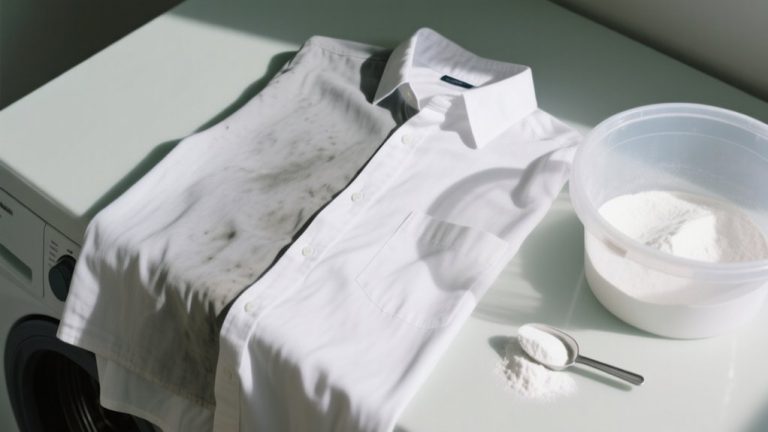
Stubborn stains can be frustrating, especially when you want something that works without being too harsh on your clothes or surfaces. If you’ve ever wondered what makes OxiClean so effective, you’re not alone. Many people look for a cleaner that can lift tough messes while still feeling safe and easy to use.
OxiClean contains primarily sodium percarbonate and sodium carbonate, which work together to release oxygen for powerful yet gentle stain removal. Sodium percarbonate breaks down into hydrogen peroxide and soda ash, enabling effective oxidation that lifts organic stains safely without harsh chemicals.
Sodium carbonate raises water pH and softens it, boosting cleaning efficiency. Surfactants and polymers aid dirt removal and formula stability. These ingredients deliver a non-corrosive, eco-friendly alternative to chlorine bleach. Exploring further reveals how these components optimize stain fighting.
What Are the Main Ingredients in OxiClean?
Although you mightn’t see it on the label, OxiClean’s cleaning power primarily comes from sodium percarbonate, which constitutes 50-60% of its formula and releases oxygen bubbles that break down stains.
Sodium carbonate, or soda ash, raises the pH of your laundry water, optimizing the chemical environment for stain removal. Surfactants in the mixture reduce surface tension, enabling the solution to penetrate fabric fibers and dislodge contaminants efficiently.
Polymers stabilize the formulation, preventing ingredient degradation and ensuring consistent performance over time. This carefully balanced combination targets organic stains such as food, beverages, and bodily fluids effectively.
Additionally, OxiClean’s composition avoids the harshness of chlorinated bleaches, making it safer for use on colored fabrics while maintaining robust cleaning efficacy.
How Sodium Percarbonate Powers OxiClean’s Oxygen Bleach
The next section explains how that oxygen release lifts stains from fabrics.
Chemical Composition Explained
When you dissolve OxiClean in water, its primary active ingredient, sodium percarbonate, immediately begins to release hydrogen peroxide, powering the product’s oxygen bleach action. This compound decomposes into sodium carbonate and hydrogen peroxide, which work together to oxidize stains and lift them from fabric. Sodium carbonate raises the pH, softening water and enhancing stain removal.
Surfactants and polymers stabilize the formula and improve cleaning performance without damaging colors.
| Component | Role |
|---|---|
| Sodium Percarbonate | Releases hydrogen peroxide, oxygen bleach |
| Sodium Carbonate | Raises pH, softens water |
| Surfactants | Aid stain removal, improve wetting |
| Polymers | Stabilize formula, protect fabric colors |
Oxygen Release Mechanism
The chemical breakdown of sodium percarbonate in OxiClean sets the stage for its powerful oxygen release mechanism. When you dissolve sodium percarbonate in water, it rapidly decomposes into hydrogen peroxide and sodium carbonate.
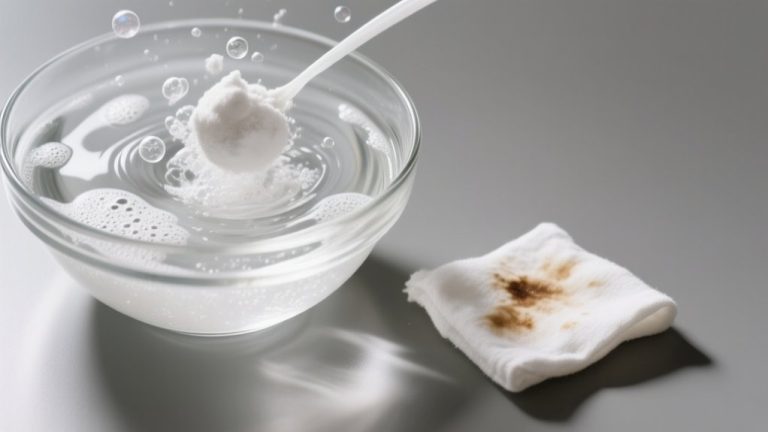
This reaction generates oxygen bubbles, which disrupt the molecular bonds between fabrics and organic stains like food or bodily fluids. You’ll notice a distinct bubbling action that physically lifts stains, enhancing cleaning efficiency.
Additionally, the sodium carbonate raises the pH of the solution, optimizing detergent performance. This dual-action oxygen release not only boosts stain-lifting power but also guarantees an eco-friendly profile, as sodium percarbonate breaks down into harmless oxygen and water byproducts, unlike traditional chlorine bleaches.
This makes OxiClean both effective and environmentally responsible.
Stain Removal Process
Harnessing the oxidative power of sodium percarbonate, OxiClean efficiently breaks down tough stains at the molecular level. When dissolved in water, sodium percarbonate releases hydrogen peroxide, a potent oxidizer that targets and disrupts stain molecules.
The oxygen bubbles generated penetrate fabric fibers, lifting and decomposing organic stains such as food, beverages, and bodily fluids. This oxygen bleach operates without the harsh effects of chlorine, preserving fabric dyes and preventing color fading.
Additionally, the sodium carbonate component elevates the solution’s pH, enhancing detergent efficacy by optimizing the washing environment. By combining oxidation with alkaline conditions, OxiClean maximizes stain removal across various textiles and washing parameters, ensuring thorough cleaning without compromising fabric integrity.
How Sodium Carbonate Boosts OxiClean’s Cleaning Power
This chemical balance also supports oxygen release, which improves the next stain-fighting stage.
Water Softening Benefits
Although hard water can hinder cleaning efficiency, sodium carbonate in OxiClean effectively binds calcium and magnesium ions to soften it, enhancing detergent performance. By chelating these ions, sodium carbonate prevents them from interfering with surfactants, ensuring peak detergent activity.
This softening reduces mineral deposits on fabrics and washing equipment, promoting better stain removal. Softened water also allows detergents to dissolve more completely, improving their interaction with soils.
In OxiClean, sodium carbonate’s role in water softening complements its function in creating an environment conducive to oxygen bleach activity, as softened water facilitates the release of oxygen bubbles that lift stains.
pH Level Enhancement
When sodium carbonate raises the pH level of your laundry water to around 11, it creates a highly alkaline environment that considerably enhances OxiClean’s stain-removing power. This elevated pH disrupts the chemical bonds between organic stains and fabric fibers, making them easier to remove.
Additionally, the increased alkalinity improves the solubility and reactivity of other cleaning agents in OxiClean, boosting their efficiency.
Sodium carbonate’s high pH also counteracts water hardness by softening minerals, which can otherwise inhibit detergent performance. By optimizing the wash water’s chemical environment, sodium carbonate guarantees that OxiClean operates at its maximum potential, providing superior cleaning results through enhanced stain breakdown and ingredient activation.
Stain Removal Mechanism
Building on how sodium carbonate elevates the pH to optimize cleaning conditions, its role in stain removal centers on creating an alkaline environment that disrupts the molecular structure of stains. This elevated pH loosens the chemical bonds between organic stains, like food and drink residues, and fabric fibers, facilitating their breakdown and removal.
Sodium carbonate also softens hard water by binding to calcium and magnesium ions, preventing these minerals from inhibiting surfactant action.
By enhancing surfactant efficiency, it improves the emulsification and lifting of stains. Additionally, sodium carbonate stabilizes OxiClean’s oxygen-releasing agents, ensuring consistent oxidative action during washing.
This synergy of alkalinity, water softening, and stabilization markedly boosts OxiClean’s ability to target and eliminate a broader spectrum of stubborn stains with precision and reliability.
The Role of Surfactants and Polymers in OxiClean’s Formula
Surfactants and polymers play essential roles in OxiClean’s formula by enhancing its stain-removal efficiency and stability.
Surfactants reduce surface tension, enabling the solution to penetrate fabrics deeply and lift stains effectively. They emulsify and suspend dirt and grease, preventing redeposition and facilitating easy rinsing during the wash cycle.
Surfactants lower surface tension to deeply penetrate fabrics, lift stains, and suspend dirt for easy rinsing.
Polymers act as stabilizers, maintaining the homogeneity of the formula and preventing component separation over time.
This synergy between surfactants and polymers guarantees consistent cleaning performance across various fabric types. Together, they amplify OxiClean’s ability to tackle a broad spectrum of organic stains while preserving fabric integrity and color vibrancy.
How OxiClean Targets Organic Stains Safely
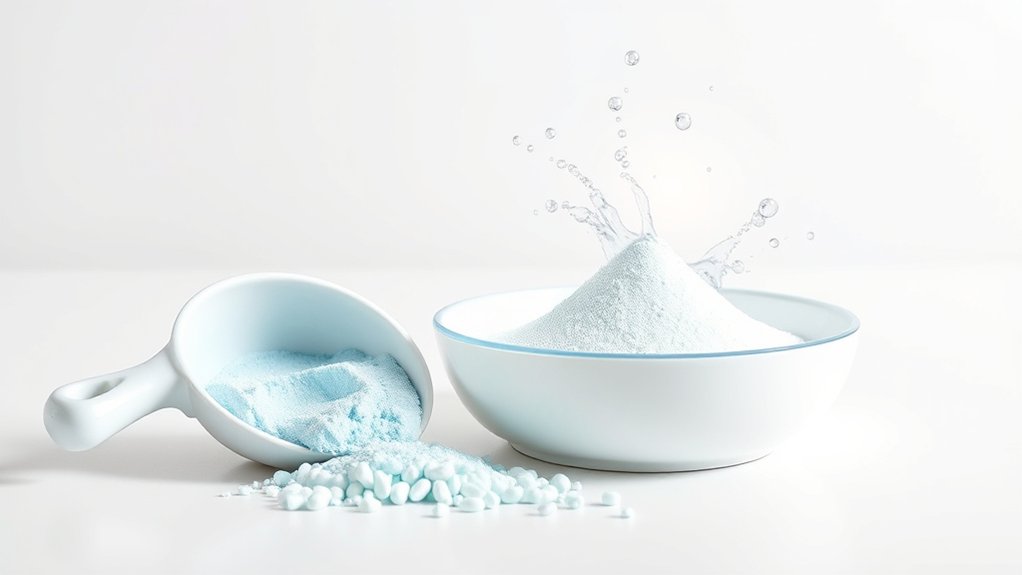
Although many stain removers rely on harsh chemicals that can damage fabrics, OxiClean targets organic stains safely by utilizing sodium percarbonate, which releases oxygen bubbles to break down food, drink, and bodily fluid stains without harming colors.
When dissolved, sodium percarbonate decomposes into hydrogen peroxide and sodium carbonate, generating oxygen that oxidizes and disrupts stain molecules at a molecular level. The sodium carbonate raises the pH of the wash water, optimizing the oxidative reaction and aiding in loosening stain residues.
Additionally, surfactants reduce water’s surface tension, allowing the solution to penetrate fabric fibers more effectively and emulsify organic compounds.
This combined mechanism guarantees thorough stain removal while preserving fabric integrity, making OxiClean a safer choice compared to traditional chlorine-based bleaches.
Environmental Benefits of Using OxiClean’s Oxygen-Based Cleaner
When you choose OxiClean’s oxygen-based cleaner, you opt for a formula that breaks down into oxygen, water, and soda ash, minimizing environmental impact compared to traditional chlorine bleaches. Its active ingredient, sodium percarbonate, is biodegradable and releases oxygen upon dissolving, tackling stains effectively without toxic residues. OxiClean’s phosphate-free formulation further prevents water pollution and harmful algal blooms.
By using it, you reduce reliance on harsh chemicals, protecting aquatic ecosystems from contamination.
| Benefit | Explanation |
|---|---|
| Biodegradable Ingredient | Sodium percarbonate breaks down safely |
| Non-toxic Byproducts | Converts to oxygen, water, and soda ash |
| Phosphate-Free | Avoids water pollution and algal growth |
| Effective Stain Removal | Targets organic stains without harsh chemicals |
Why OxiClean Is a Safer Alternative to Traditional Bleach
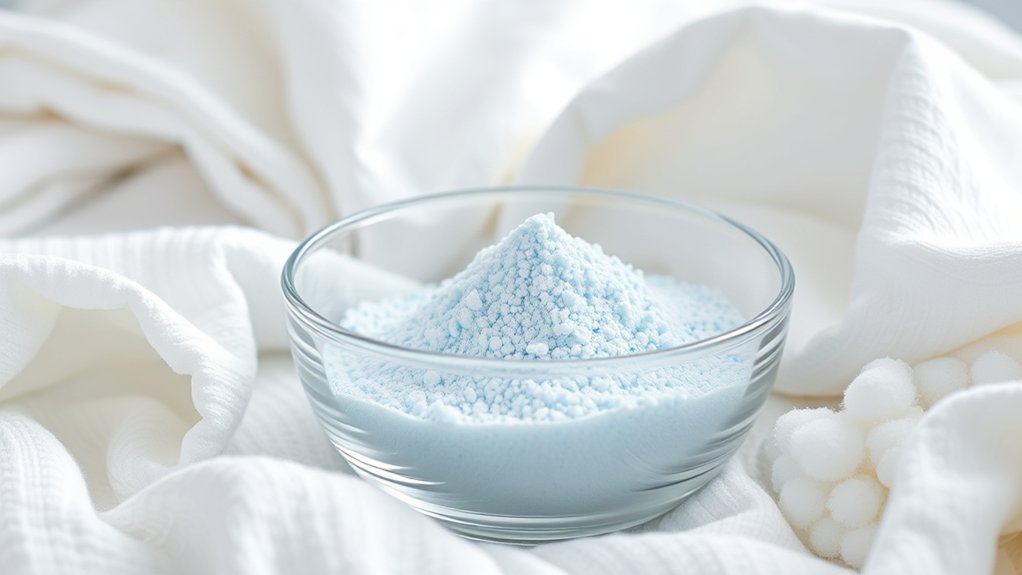
Because OxiClean contains sodium percarbonate, it breaks down into oxygen, water, and soda ash, making it a safer alternative to traditional chlorine bleach. Unlike chlorine bleach, which releases harmful chemicals and poses risks of fabric damage, OxiClean’s oxygen-based formula is color-safe and gentle on materials.
Its active oxygen bubbles penetrate and lift organic stains, such as food and bodily fluids, without degrading fabric fibers or causing discoloration. This controlled release mechanism guarantees effective stain removal while minimizing chemical exposure in your household.
Additionally, OxiClean’s non-toxic composition reduces health hazards for children and pets, unlike the corrosive nature of chlorine bleach.
Frequently Asked Questions
Can Oxiclean Be Used on Delicate Fabrics Like Silk or Wool?
No. OxiClean is not a good choice for silk or wool because its sodium percarbonate and high pH can damage fibers. If you still want to try it, dilute it heavily and test a hidden area first, but gentler cleaners made for delicate fabrics are the safer option.
How Should Oxiclean Be Stored to Maintain Its Effectiveness?
Store OxiClean in a cool, dry place and keep the container sealed tightly. Moisture can activate it prematurely, so avoid sunlight and use it within a year to help keep its chemical stability and cleaning power intact.
Is Oxiclean Safe for Use in Septic Systems?
Yes, you can use OxiClean in septic systems because it breaks down into oxygen and water and is generally considered compatible with septic bacteria. Avoid overusing it, though, since too much can disrupt microbial balance. Follow the manufacturer’s guidelines to help protect septic health.
Can Oxiclean Remove Tough Stains Like Ink or Grease?
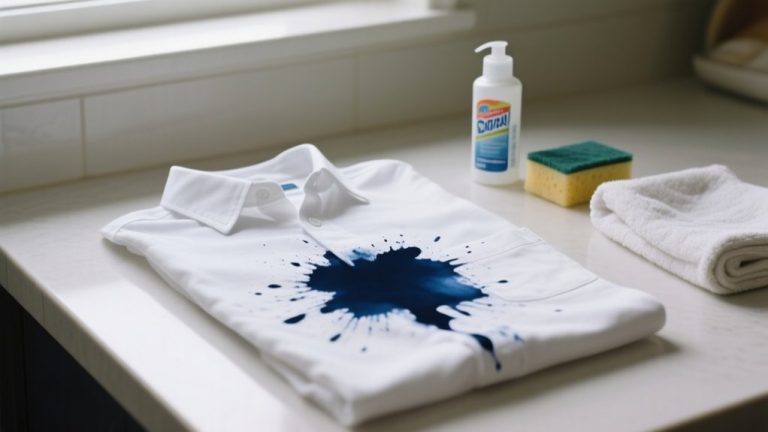
Yes, OxiClean can help lift tough ink and grease stains when you use it the right way. For ink, apply a concentrated solution directly to the stain. For grease, combine it with hot water, which helps its oxygen release and surfactant action break down the stain.
How Long Does Oxiclean Take to Work on Stains?
30 minutes is when OxiClean typically starts working on stains, but stubborn stains may need 1 to 6 hours for better oxygen-powered removal. If the stain is heavier, letting it sit longer usually gives it more time to work.
Conclusion
You might think OxiClean’s power comes from harsh chemicals, but its key ingredients, sodium percarbonate and sodium carbonate, work through oxygen release and alkalinity, not toxicity. Surfactants and polymers enhance stain removal without damage.
This precise chemistry guarantees effective cleaning while protecting fabrics and the environment. Understanding this debunks the myth that stronger means harsher, showing that smart formulation can achieve powerful, safe, and eco-friendly stain removal.