Does Dry Cleaners Clean Shoes – What To Know
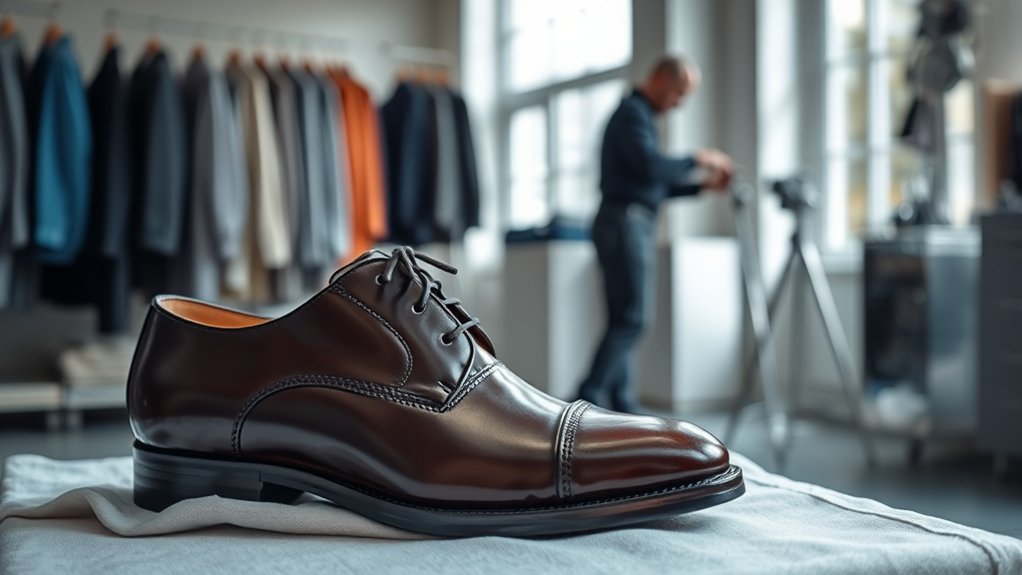
Yes, dry cleaners do clean many types of shoes, including leather, suede, and fabric styles. They use specialized methods to protect the materials while cleaning.
However, shoes with significant damage, glued parts, or delicate finishes like satin need a bit of caution or repairs first. Dry cleaning is ideal for stubborn stains or delicate, high-value shoes.
Keep in mind, it can be costly and might take a few days to get your shoes back. Preparing your shoes properly helps guarantee the best outcome.
If you want to know more, exploring further will provide details on materials, pros, and preparation tips.
Which Shoes Can Dry Cleaners Safely Clean?
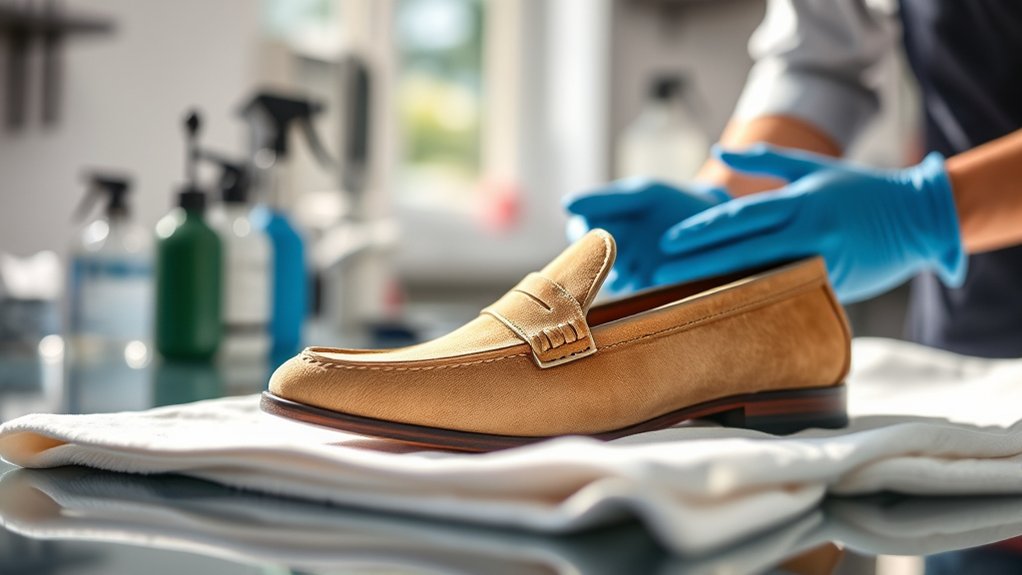
Although not all shoes are suitable for dry cleaning, dry cleaners can safely handle leather, suede, and fabric shoes, including many designer and luxury brands. When you bring in leather shoes or suede, dry cleaning effectively removes dirt without compromising these delicate materials.
Fabric shoes, such as canvas or certain sneakers, may also benefit from dry cleaning if they aren’t heavily soiled or structurally damaged.
Delicate materials like satin or silk are often appropriate for dry cleaning, helping maintain their appearance and texture.
Before proceeding, you should confirm with your dry cleaner that they offer shoe cleaning services for your specific shoe type. This guarantees your shoes receive the proper care while avoiding damage during the dry cleaning process.
Which Shoes Should You Not Dry Clean?
You shouldn’t dry clean shoes made from materials that are easily damaged, like cracked leather or those treated with silicone sprays.
Dry cleaning can actually make structural problems worse and weaken the glue in shoes that are heavily glued.
Knowing these risks is important because it helps you avoid causing more damage and pick better ways to care for your shoes.
Unsuitable Shoe Materials
When shoes show significant structural damage, like loose soles or broken stitching, dry cleaning can actually make things worse instead of better. You should avoid sending damaged shoes to professional cleaning, especially if they’re made of leather or suede.
Leather shoes that are cracked, dried out, or heavily worn can suffer more damage from the solvents used in dry cleaning. Suede’s delicate texture is also at risk—it can get discolored or stiff after cleaning.
Shoes treated with silicone sprays or those with lots of glue damage aren’t good candidates either. These substances don’t react well to dry cleaning chemicals.
Before you think about professional cleaning, it’s best to repair any major damage first. This way, you won’t accidentally make wear or structural problems worse.
Taking the time to properly assess your shoes helps keep them looking good and lasting longer.
Risks of Dry Cleaning
Since dry cleaning involves chemicals and specialized processes, certain shoes are unsuitable for this method. You should avoid dry cleaning shoes with glued components or significant structural damage, as the process may worsen their condition.
Delicate shoes featuring embellishments, beads, or intricate detailing carry high risks of damage during cleaning.
Also, shoes treated with silicone sprays or home remedies might react badly, since residues can interfere with the cleaning chemicals.
Extensive water damage or heavy soiling can reduce dry cleaning effectiveness and might cause further harm.
To minimize risks, always check with your dry cleaner about the material and the shoe’s condition before going ahead.
Being cautious helps protect your footwear’s integrity and ensures the dry cleaning process is both safe and effective.
How Do Dry Cleaners Clean Different Shoe Materials?
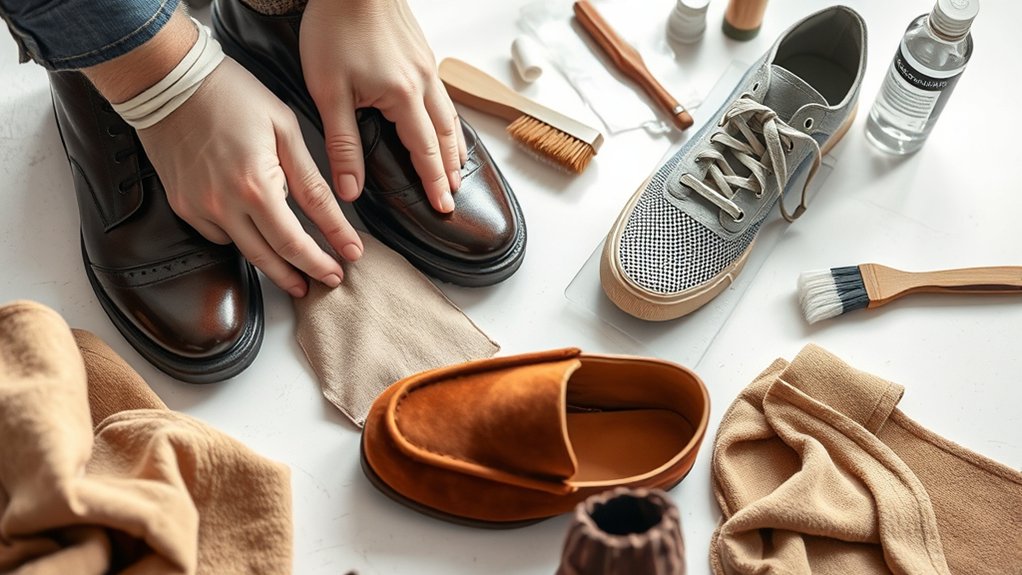
Although dry cleaning is often associated with clothing, dry cleaners apply specialized techniques to clean different shoe materials effectively.
Dry cleaners use expert methods to safely clean a variety of shoe materials beyond just clothing.
For leather shoes, they use gentle wet cleaning solutions designed to preserve the material’s integrity without causing damage.
Suede shoes require a different approach. Dry cleaners typically use dry brushes or specific chemicals because water can harm suede’s delicate nap.
Fabric and canvas shoes undergo hand-washing or machine-safe cleaning with mild detergents to avoid fading or damage.
Dry cleaning solvents and processes are carefully tailored to each material to guarantee ideal results.
However, not all shoes are suitable for dry cleaning. Shoes with glued components or significant damage may need alternative methods for proper care.
When Should You Choose Dry Cleaning Over At-Home Methods?
You should go for dry cleaning when your shoes are made of delicate materials like suede or leather because at-home methods might end up damaging them.
Plus, if you’re dealing with stubborn stains that just won’t budge, dry cleaning is usually the best bet since it uses specialized treatments.
On top of that, leaving it to the pros means you get both convenience and expert care for your footwear.
Delicate Materials Care
When shoes are made from delicate materials such as suede, silk, or satin, opting for dry cleaning over at-home methods becomes essential to preserve their quality. Dry cleaners use specialized solvents and techniques that protect these sensitive fabrics from water damage, shrinking, or deformation.
You should choose professional cleaning when shoes feature intricate embellishments or fragile stitching requiring careful handling. It’s also a good idea if regular home cleaning fails to maintain the shoe’s appearance or remove odors.
Plus, if the material is prone to staining or damage from harsh DIY methods, leaving it to the pros is definitely the way to go.
Stubborn Stain Removal
Since stubborn stains on delicate shoes like suede or leather often resist typical home treatments, turning to professional dry cleaning can offer a more effective solution. You should choose dry cleaning for stubborn stain removal when typical at-home methods, such as soap and water, fail or risk damaging the material.
Professional cleaning uses specialized solvents and techniques designed to lift tough stains like oil, wine, or ink without compromising delicate shoes. Trying to treat embedded or set-in stains yourself may actually make discoloration worse or push the stain deeper.
For high-value or designer footwear, dry cleaning guarantees a deeper, precise cleaning process that protects your investment. So, when stain removal demands expertise beyond household products, professional dry cleaning is really the safest and most reliable option.
Convenience And Expertise
Although some shoe cleaning tasks can be managed at home, opting for professional dry cleaning becomes essential for delicate or expensive footwear. You’ll benefit from the expertise and specialized tools that dry cleaners use to safely clean materials like suede and leather. These materials can be tricky to handle on your own.
Professional shoe cleaning also ensures thorough stain and odor removal without damaging your shoes. It’s a smart choice when you want to keep your shoes looking their best.
Consider dry cleaning when you need expert care for fragile or intricately detailed shoes or a polished, pristine look for formal occasions.
Plus, many services offer convenient pickup and delivery options that save you time.
Choosing dry cleaning over at-home methods offers unmatched convenience and expertise. It protects your investment while delivering superior results.
Pros and Cons of Dry Cleaning Shoes
If you’re considering dry cleaning your shoes, it’s important to weigh the benefits and drawbacks carefully.
Professional dry cleaning offers effective shoe cleaning, especially for leather, suede, and delicate materials. They use techniques focused on preventing damage.
It can remove stubborn stains and odors that home methods often fail to address. However, the cost can be significant, ranging from $40 to $120 per pair, depending on the shoe’s material and the service’s complexity.
Also, the process may take several days, which mightn’t suit your urgent needs.
Keep in mind that not all shoes are suitable for professional dry cleaning, particularly those with extensive damage or uncommon materials.
Common Mistakes to Avoid When Dry Cleaning Shoes
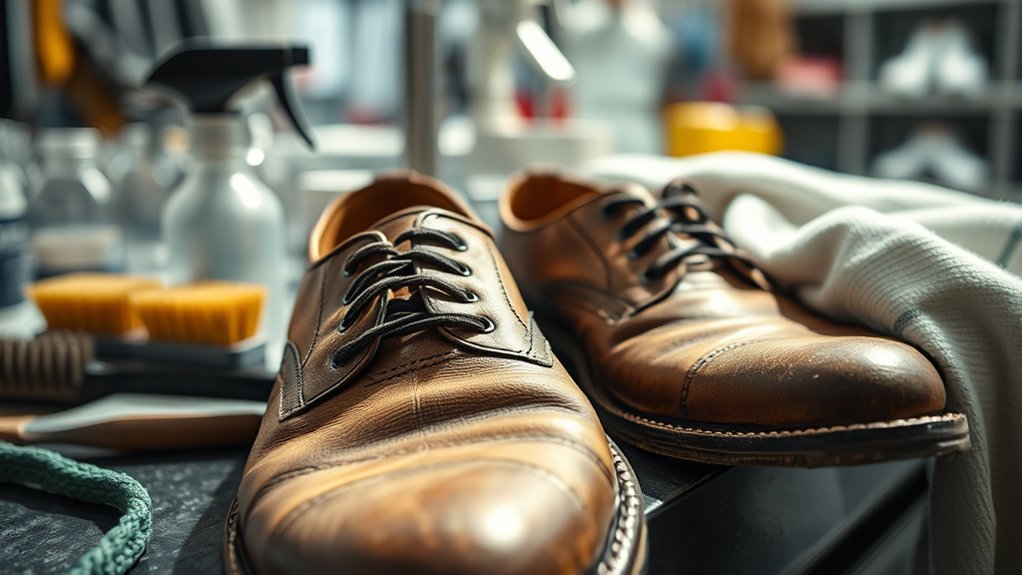
When you dry clean shoes, avoiding common mistakes is essential to preserving their appearance and structure. Improper cleaning methods can cause damage to the material and reduce the lifespan of your footwear.
To keep your shoes clean and intact, steer clear of these errors:
Avoid common mistakes to maintain your shoes’ appearance and extend their lifespan.
- Using water or household cleaners on delicate materials like suede or leather can cause staining, stiffening, or stripping of natural oils.
- Placing shoes near direct heat sources to dry often leads to warping, shrinking, or cracking.
- Aggressively scrubbing stains or using harsh chemicals may damage the shoe surface and remove protective coatings.
Taking a gentle approach really makes a difference in keeping your shoes looking great for longer.
How to Get Your Shoes Ready for Dry Cleaning
Avoiding common mistakes lays a solid foundation, but preparing your shoes properly before dry cleaning guarantees the best results.
First, remove dirt, mud, and loose debris from your shoes to make sure the cleaning process is thorough.
Next, inspect the material to confirm it suits dry cleaning. Leather, suede, or fabric are typically acceptable. Just keep in mind that shoes with glued components should be avoided.
Untie and take out laces and insoles. These can be cleaned separately or replaced if needed.
Carefully check your shoes for any structural damage or repairs that might be necessary. Let your dry cleaner know about these to prevent further harm.
Finally, place your shoes in a breathable bag or box. This will protect them from scuffs and make handling easier during drop-off or pickup.
Shoe Cleaning Pricing and Turnaround Times
Although pricing and turnaround times can vary, you’ll generally find shoe cleaning services at dry cleaners starting from around £9.50 for standard leather shoes. Luxury or designer footwear can be priced up to £18.00. The typical turnaround time is 2-3 working days.
But if you need your shoes quickly, same-day or next-day service is often available.
Consider these key points regarding shoe cleaning prices and timing: Additional repairs like heel or sole replacement range from £12.00 to £18.00. Usually, there’s no minimum order required when adding shoes to garment cleaning.
Also, many dry cleaners offer free collection or delivery within certain postcode areas.
Knowing these details will help you plan effectively for cleaning your leather shoes or designer shoes.
Frequently Asked Questions
Can Dry Cleaners Repair Damaged Shoes?
Yes, dry cleaners can repair damaged shoes, but their capabilities vary. You should check if they offer specific services like sole replacement, stitching, or heel rebuilding.
Keep in mind, minor issues such as loose stitches or scuffed heels are usually fixed well. But extensive structural damage might require specialized cobblers.
Always confirm the dry cleaner’s expertise and available tools before entrusting them with your shoes to guarantee quality repairs.
Do Dry Cleaners Use Eco-Friendly Cleaning Products?
Imagine a gentle breeze carrying fresh, green scents. Many dry cleaners now match that freshness by using eco-friendly cleaning products.
You’ll find biodegradable, plant-based solvents and low-VOC formulas that reduce pollution and protect health.
When you choose these services, you’re supporting certified green programs committed to sustainability.
How Do Dry Cleaners Handle Odor Removal in Shoes?
Dry cleaners handle odor removal in shoes by using specialized deodorizing solutions or ozone treatments that neutralize persistent smells. They ventilate and dry your shoes thoroughly to reduce moisture, which helps prevent odor buildup.
They often apply antibacterial or antimicrobial agents to target odor-causing bacteria. Depending on your shoe’s material, they tailor treatments to avoid damage.
This way, they ensure freshness while preserving quality.
Regular professional cleaning helps you maintain long-lasting odor control effectively. It’s a smart way to keep your shoes smelling great and feeling comfortable.
Are Insoles and Laces Cleaned Separately by Dry Cleaners?
You won’t always find insoles and laces getting a solo spa day at dry cleaners. Typically, they clean shoes as a whole, sometimes removing laces to avoid damage. But insoles usually stay inside to keep the shape intact.
If you want those parts refreshed separately, you should mention it upfront or handle them at home. Some upscale cleaners offer this service for an extra fee, so it’s best to ask beforehand.
Can Dry Cleaners Waterproof Shoes After Cleaning?
Yes, many dry cleaners can waterproof your shoes after cleaning, but you should confirm this service beforehand. They typically apply a specialized spray or coating that repels water and stains, enhancing your shoes’ durability.
This treatment works best on leather, suede, and fabric materials. The process is usually quick and can considerably improve your shoes’ water resistance. It helps them stay cleaner and last longer in wet conditions.
Conclusion
When deciding whether to dry clean your shoes, remember that not all footwear welcomes the process. Like a tailor fitting a suit, dry cleaners handle materials differently. Leather and suede often benefit, while canvas and athletic shoes don’t.
Choose dry cleaning for delicate fabrics or stubborn stains that at-home methods can’t tackle. Just avoid common pitfalls and prep your shoes properly. In the end, knowing when to trust professionals can keep your shoes looking sharp and lasting longer.