Can You Mix Oxiclean And Hydrogen Peroxide – Is It Safe?
You shouldn’t mix OxiClean and hydrogen peroxide unless both product labels specifically say it’s safe. Many OxiClean products contain sodium percarbonate, which releases hydrogen peroxide in water. So adding more may cause unpredictable bubbling or splashing without improving stain removal.
Use each product separately and rinse thoroughly between applications. Never seal a mixture or combine it with bleach, ammonia, or acids. Check the labels for product-specific guidance, and learn how to handle accidental mixing and tough stains safely.
Can You Mix OxiClean and Hydrogen Peroxide?
Can you mix OxiClean and hydrogen peroxide? You shouldn’t combine them unless the product label specifically says it’s safe.
OxiClean products vary, and their formulas may include sodium percarbonate, which releases hydrogen peroxide when dissolved in water.
Adding more peroxide can change the mixture’s concentration and performance, so don’t assume the combination is suitable for every surface, fabric, or cleaning task.
Check the instructions on both containers before using either product. Follow each label’s dilution, application, and rinsing directions, and don’t add extra ingredients to a cleaning solution.
If you want to use both products on the same item, apply them separately only when their labels permit it, and rinse thoroughly between applications.
Test a small, hidden area first to check for discoloration or damage.
Use gloves and ventilate the space.
What Happens If You Mix OxiClean and Peroxide?
When you mix OxiClean and peroxide, the ingredients can release oxygen and start bubbling.
This reaction might change how well the mixture cleans.
Plus, there could be some safety risks involved, so it’s best not to assume that combining them is completely harmless.
Oxygen Release
Mixing OxiClean with hydrogen peroxide can release oxygen as the ingredients react, creating bubbles and foam. You may notice fizzing as oxygen gas escapes from the mixture. The amount and speed can vary with the product, concentration, temperature, and quantities you combine.
| What you notice | What it means |
|---|---|
| Fine bubbles | Gas is forming |
| Rising foam | Bubbles are collecting |
| Fizzing slows | Gas release is easing |
Don’t seal the mixture in a bottle or other closed container. As gas builds, pressure can rise and force the lid off or rupture the container. Keep your face away from the reaction, and don’t lean over the mixture.
Use only an open, stable container, and avoid splashes. If you see vigorous bubbling, step back and let the reaction settle before handling the container.
Cleaning Effect Changes
The combination may boost stain removal in some cases, but it won’t necessarily clean better than either product alone. OxiClean’s sodium percarbonate releases hydrogen peroxide when dissolved, so adding bottled peroxide may not provide a meaningful cleaning advantage. Results depend on the stain, fabric, product strength, and how you apply the mixture.
For fresh, colored stains, oxygen-based cleaners can help lift pigments and organic residue. You may see a difference on washable fabrics, carpets, or other compatible surfaces, but stubborn or set-in marks can remain.
Peroxide may also affect color, so test a hidden area first and follow each label’s directions.
Use the products as directed rather than assuming more oxidizer means better results. A suitable detergent, correct soaking time, and prompt treatment often matter more than combining cleaners.
Safety Risks
Beyond cleaning performance, safety depends on the product and how you combine it. OxiClean products vary, so check your package’s ingredients and directions before adding anything. Many contain sodium percarbonate, which releases hydrogen peroxide in water. Adding more peroxide may increase irritation or bleaching without improving results.
If you mix concentrated products, splashback can irritate your eyes or skin. Dust or mist may also bother your breathing.
Don’t mix either product with chlorine bleach, ammonia, acids, or other cleaners because dangerous reactions can occur. Use cool water, wear gloves, and work in a ventilated area. Never combine products in a closed container where pressure could build.
If you feel burning, cough, or develop breathing trouble, move to fresh air and rinse exposed skin or eyes with plenty of water. Contact poison control for guidance.
What Risks Come With Mixing OxiClean and Peroxide?
Mixing OxiClean and peroxide can cause some unpredictable chemical reactions.
It’s not always clear what might happen when the two combine. Plus, if the mixture splashes or you handle it without proper protection, it could irritate your skin and eyes.
To stay safe, it’s best to keep these products separate and always follow the instructions on their labels.
Chemical Reactions
When OxiClean and hydrogen peroxide combine, they may release oxygen rapidly, causing excessive foaming or splashing. OxiClean products often contain sodium percarbonate, which releases hydrogen peroxide when dissolved in water.
Adding more peroxide can increase the amount of active oxidizer, though the reaction’s speed depends on the product, concentration, temperature, and other ingredients. You might see bubbling, heat, or a sudden overflow, especially in a closed container.
Never seal the mixture. Gas buildup can raise pressure and rupture the container. The extra oxidizing power can also damage fabrics, fade colors, or affect nearby surfaces.
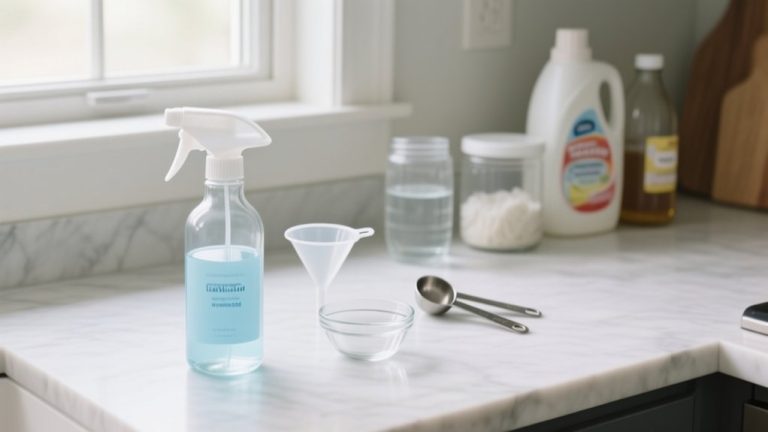
Don’t mix these products in a bucket or bottle; use each only as its label directs.
If you’ve already combined them, avoid handling the container, keep others away, and let the area ventilate safely.
Skin And Eye Irritation
Skin or eye contact with an OxiClean peroxide mixture can cause irritation, especially if splashes land on sensitive tissue. You may notice redness, stinging, itching, or watering. OxiClean products contain different ingredients, so the severity depends on the formula, concentration, and exposure time. Don’t assume peroxide makes the mixture gentler.
| Contact area | What you may notice |
|---|---|
| Skin | Redness, itching, or burning |
| Eyes | Stinging, watering, or redness |
| Broken skin | Increased discomfort |
| Prolonged contact | Worsening irritation |
If the mixture gets on your skin, remove contaminated clothing and rinse with plenty of water. For eye exposure, flush gently with clean, lukewarm water for 15–20 minutes; remove contact lenses if easy. Don’t rub your eyes or apply other chemicals. Seek medical advice if symptoms persist or worsen.
How Can You Check OxiClean and Peroxide Labels?
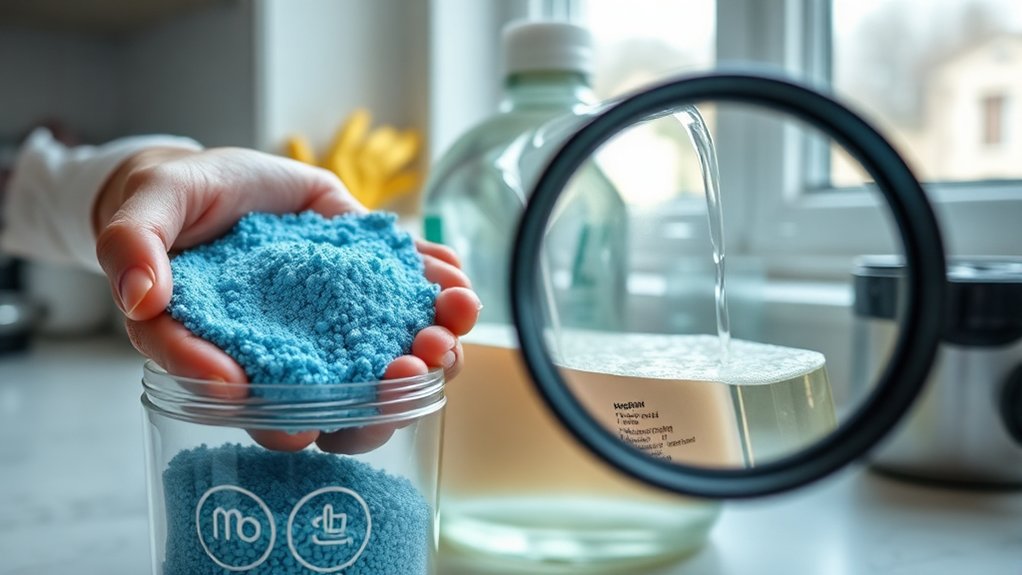
Before combining cleaning products, check both labels for active ingredients, directions, and warnings. Read the full ingredient and safety information on your OxiClean package, not just the front label.
Check the peroxide bottle’s concentration, intended use, and handling instructions. Product formulas and directions can vary, so don’t assume one package’s guidance applies to another.
Look for warnings about mixing with other cleaners, required ventilation, protective gear, and what to do after accidental contact. Follow each product’s dilution and application directions, and don’t exceed stated amounts.
If either label says not to mix the product with other substances, follow that warning. If the labels don’t clearly address combining them, contact the manufacturers for guidance before proceeding.
Keep both containers available so you can share exact product names and details when asking. Never rely on online advice to override label instructions.
Which OxiClean Products Have Similar Ingredients?
OxiClean products can share ingredients, but their formulas vary by product and use. Many powdered OxiClean stain removers rely on sodium percarbonate, which releases hydrogen peroxide when dissolved in water. You may also find sodium carbonate, a cleaning booster, in several formulas. These shared ingredients don’t make every product interchangeable though.
Many OxiClean powders share oxygen-based ingredients, but formulas vary, so check the label before substituting one product for another.
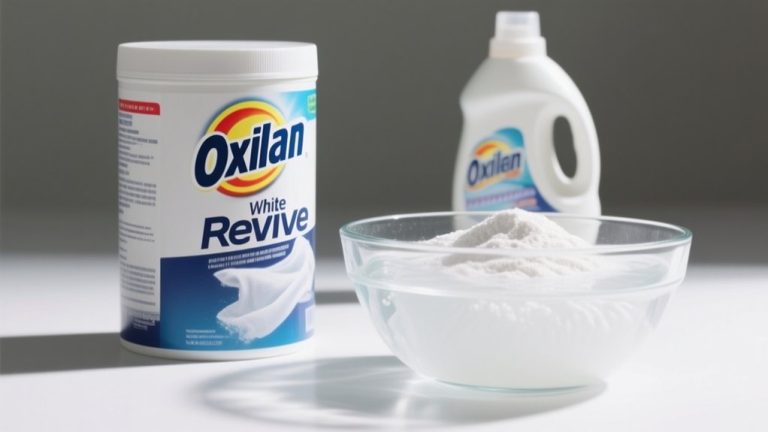
OxiClean Versatile Stain Remover and some laundry-focused powders may have similar oxygen-based cleaning ingredients. However, OxiClean White Revive, odor-removing products, and liquid stain removers can include different additives or ingredient combinations.
Some formulas may contain surfactants, fragrances, or other cleaning agents that aren’t present in the basic powder.
Check the specific product’s ingredient list rather than relying on its name or format. If the label doesn’t list every ingredient, consult the manufacturer’s product information for that exact formula.
What Should You Do After Mixing Them Accidentally?
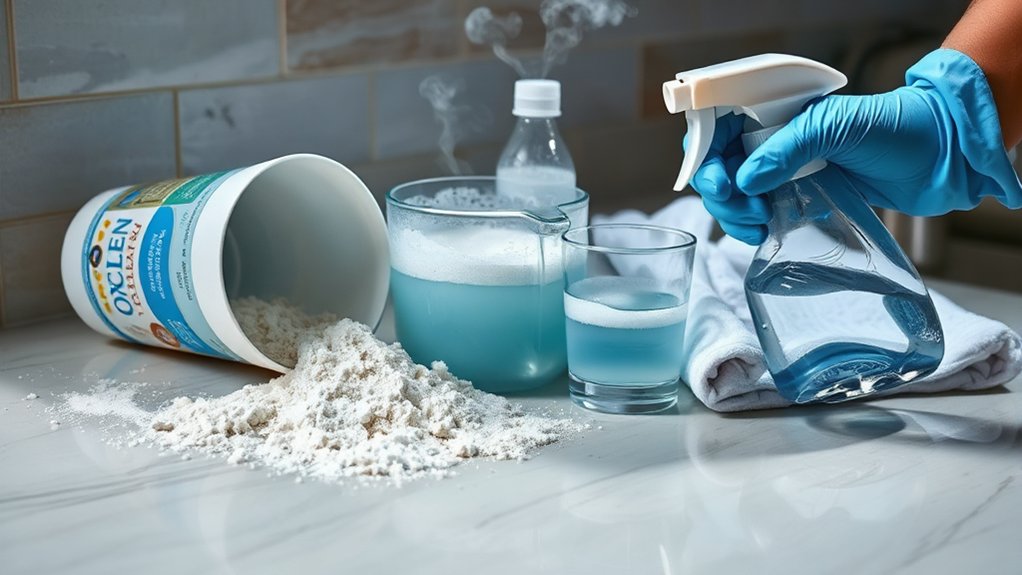
If you accidentally mix OxiClean and hydrogen peroxide, stop adding products and don’t use the mixture. Keep children and pets away, and avoid touching or breathing in the fumes. If you feel any irritation, move to fresh air. Don’t seal the container because pressure may build if the mixture releases gas.
| Situation | What you should do |
|---|---|
| Skin contact | Rinse with plenty of water. |
| Eye contact | Flush gently with water for 15 minutes. |
| Fumes or symptoms | Get fresh air and contact poison control. |
| Spill or disposal | Follow the product label; ask local hazardous-waste services. |
Don’t pour the mixture into another cleaner or container. Check both labels for first-aid and disposal instructions. If anyone has trouble breathing, severe pain, or worsening symptoms, call emergency services right away. In the United States, contact Poison Control at 1-800-222-1222 for guidance.
How Can You Use OxiClean and Peroxide Separately?
To use both products safely, apply them separately and follow each label’s directions. Don’t combine them in a container, on a surface, or in a laundry load.
Use one product for a cleaning task, then rinse the treated item or surface thoroughly with water before you use the other. This helps prevent residues from contacting each other.
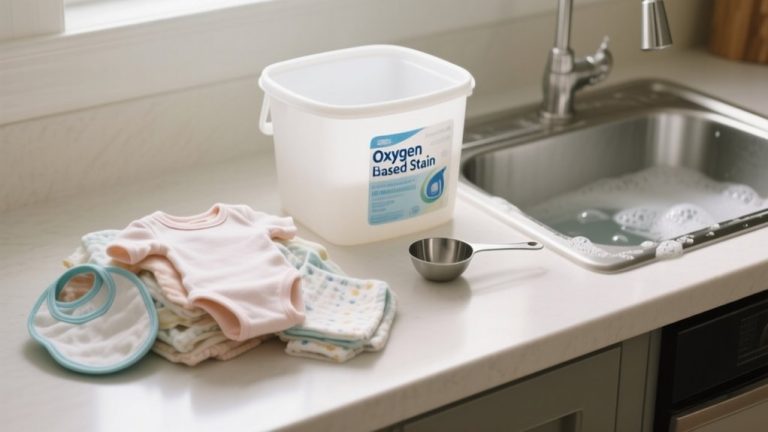
For laundry, add OxiClean only as directed on its package, using the recommended amount and water temperature. If you later choose peroxide, use it in a separate wash cycle and check your garment’s care label first.
For household surfaces, follow the product’s dilution and contact-time instructions, and rinse when directed.
Wear gloves if the labels recommend them, and keep both products in their original containers. Store them separately, away from children, pets, heat, and direct sunlight.
What’s a Safer Way to Treat Tough Stains?
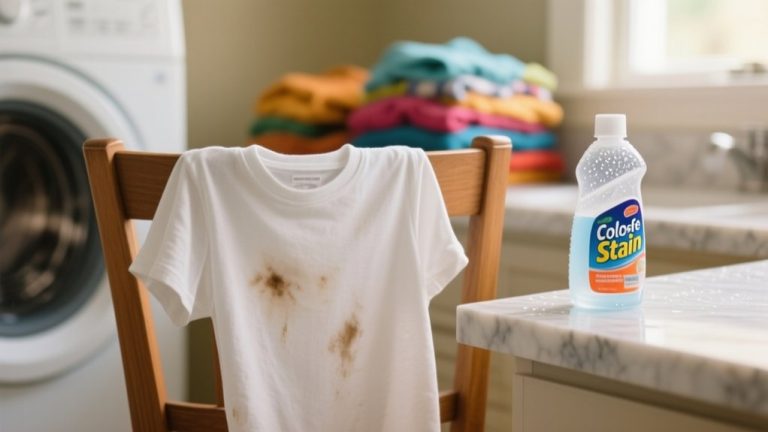
For tough stains, treat the fabric with one product at a time rather than mixing cleaners. Check the care label first, then blot fresh spills with a clean cloth; don’t rub, since that can push the stain deeper.
Treat stains one product at a time, check the care label, and blot fresh spills gently rather than rubbing.
Rinse from the back with cool water when appropriate. Apply a stain remover or diluted oxygen bleach according to its label, and test it on a hidden area before treating the whole garment.
Give the product its stated contact time, then wash as directed. Inspect the fabric before drying: heat can set leftover stains. If the mark remains, repeat the same treatment or choose a different product only after rinsing thoroughly and washing between treatments.
Never combine cleaners, and don’t use bleach on fabrics the label says it may damage. For delicate items, consult a cleaner.
Frequently Asked Questions
Can Oxiclean or Hydrogen Peroxide Damage Colored Fabrics?
Yes, OxiClean and hydrogen peroxide can damage colored fabrics, especially delicate materials or unstable dyes.
OxiClean’s oxygen bleach may fade colors, while hydrogen peroxide can lighten or discolor fabric.
Check the garment’s care label and product directions first. Test a hidden spot, wait several minutes, then rinse and inspect it.
Don’t use either product if the color changes.
For valuable or delicate clothing, choose a color-safe cleaner or consult a professional.
How Should You Store Hydrogen Peroxide Safely?
Treat hydrogen peroxide like a sun-sensitive traveler: keep it in its original, tightly closed, dark bottle, stored upright in a cool, dry cupboard away from sunlight and heat.
You’ll preserve its strength and reduce spill risks.
Keep it out of children’s and pets’ reach, and never transfer it into a food or drink container.
Don’t mix it with other cleaners in storage.
Follow the label’s directions, and discard expired product as instructed.
Can Hydrogen Peroxide Bleach Carpet or Upholstery?
Yes, hydrogen peroxide can bleach carpet or upholstery, especially darker or delicate fabrics.
It may lighten stains, but it can also leave permanent pale spots or damage fibers.
Before using it, check the care label and test a small amount on a hidden area.
Let it dry fully to judge any color change. If the fabric’s color shifts, don’t proceed.
For valuable or delicate items, choose a fabric-safe cleaner or consult a professional.
Is Hydrogen Peroxide Safe to Use Around Pets?
Hydrogen peroxide can be safe around pets when you use it carefully, but you should keep them away while it’s wet.
Store the bottle securely, prevent licking or skin contact, and ventilate the area.
Don’t use it to clean your pet’s wounds or induce vomiting unless a veterinarian specifically directs you. It can cause harm.
If your pet swallows some or develops irritation, contact your veterinarian or an animal poison-control service promptly.
How Long Does Hydrogen Peroxide Remain Effective After Opening?
Once opened, household hydrogen peroxide typically stays effective for about six months. Heat, light, and contamination can make it break down sooner.
You’ll preserve its strength by keeping it in its original, tightly closed, opaque bottle in a cool, dark place.
If it’s past six months or you’re unsure, test a small amount in a sink. Fresh peroxide fizzes when it contacts grime.
Replace it if you need reliable disinfecting strength.
Conclusion
Don’t mix OxiClean and hydrogen peroxide unless both product labels explicitly say it’s safe. Their formulas can vary, and combining them may cause unexpected reactions, irritation, or damage to fabrics and surfaces.
Use each product separately, following its label, and rinse thoroughly between treatments. If you’ve already mixed them, step away, ventilate the area, and avoid touching or inhaling the mixture.
The most important detail may be waiting on that label: one overlooked ingredient can change everything.