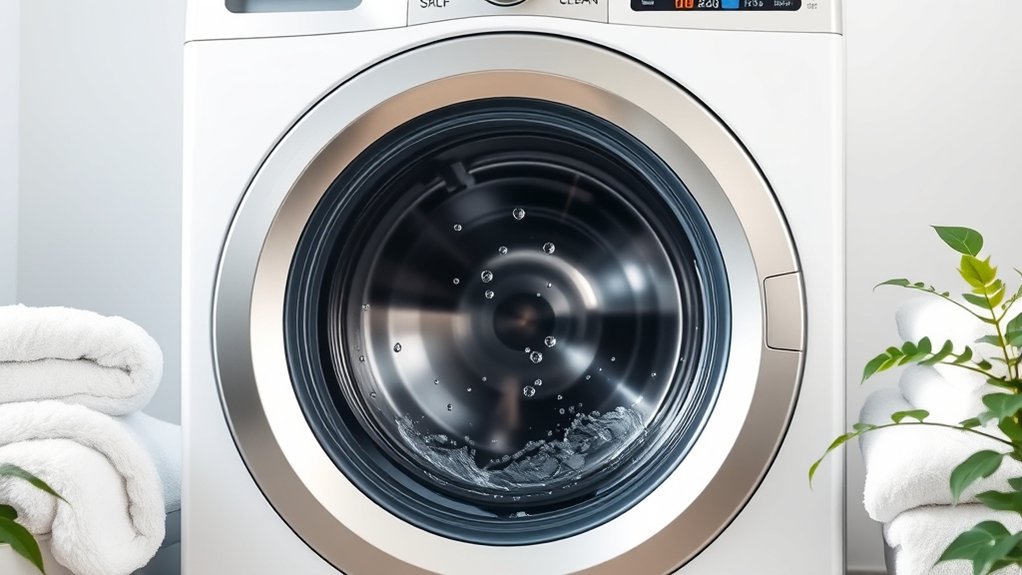
What Is Self Clean On Washing Machine – Explained
The Self Clean cycle on your washing machine uses high-temperature water and strong agitation to remove mold, bacteria, and detergent residue from the drum and internal parts. It helps prevent odors, maintains hygiene, and extends your washer’s lifespan by targeting hidden grime in seals and dispensers.
You typically run this cycle monthly or after heavy use, often without cleaning agents, though some products can boost effectiveness. Just keep in mind, following this routine can really help keep your machine in top shape.
Keep following for detailed troubleshooting, maintenance, and usage tips to maximize your washer’s performance. There’s plenty you can do to get the most out of your washer!
What Is the Self Clean Cycle on a Washing Machine?
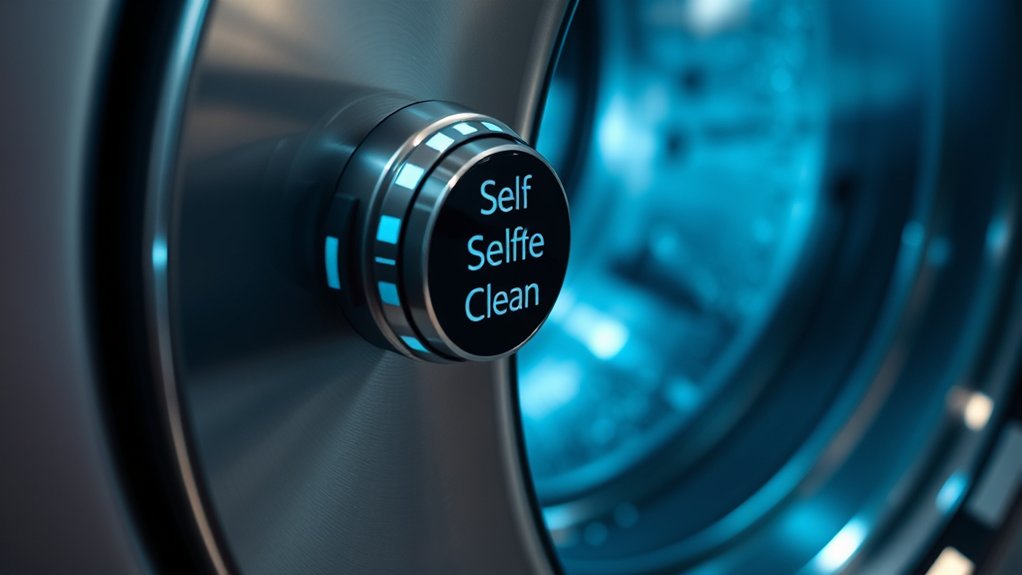
How does the Self Clean cycle on a washing machine work? The Self Clean cycle is a specialized function designed to eliminate residue, mold, and bacteria from the drum and internal components.
When you activate it, the machine initiates a hot water cycle, sometimes combined with steam, to disinfect thoroughly.
Depending on your washer type, this cycle can last about one hour for top-loaders or up to four hours for front-load models.
Some manufacturers recommend adding cleaning agents, but many cycles operate effectively without them.
By regularly running the Self Clean cycle, you maintain your machine’s hygiene, prevent unpleasant odors, and extend its operational lifespan.
This feature ensures your washer stays clean internally, optimizing performance and protecting your laundry from contamination.
How the Self Clean Cycle Removes Mold and Residue
Why does the Self Clean cycle effectively eliminate mold and residue in your washing machine? It uses high-temperature water combined with intense agitation to break down mold spores, bacteria, and detergent residue built up inside. This process targets hidden areas like the drum, door seal, and dispensers where soap scum and grime accumulate.
The cycle’s extended duration allows hot water to thoroughly dissolve organic matter and detergent residue that cause odors and blockages. Plus, a rinsing phase flushes out all loosened contaminants, making sure no residue remains.
When and How Often Should You Run the Self Clean Cycle?
Although the self clean cycle is designed to keep your washing machine hygienic, you should run it regularly. Ideally, do it once a month to prevent mold, odors, and residue buildup.
If your household does more than 20 washes a week, running the cycle more often is a good idea. Also, make sure to run the self clean cycle after large loads or whenever you notice musty smells.
Always start the cycle with an empty washer to ensure it cleans thoroughly.
| Condition | Recommended Frequency |
|---|---|
| Normal use | Once a month |
| Heavy use (>20 washes/week) | Every 2 weeks |
| After large loads | Immediately after load |
| Musty odor detected | As soon as noticed |
| General maintenance | Every 30 days or 20–40 washes |
Following this schedule helps keep your machine performing well and smelling fresh.
Getting Your Washer Ready for the Self Clean Cycle
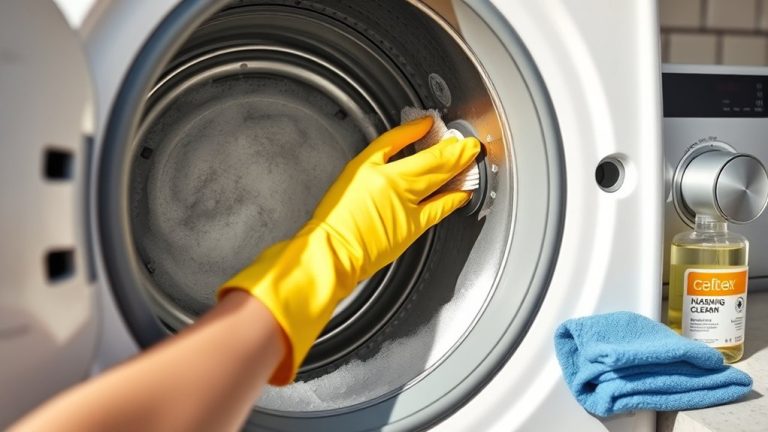
Before you start the self clean cycle, double-check that the washer drum is completely empty and give it a quick wipe to make sure it’s clean.
You’ll also want to peek inside the detergent drawer—if there’s any residue, clean it out thoroughly so water can flow properly.
Lastly, make sure the door is either open or sealed just right, depending on what your washer’s instructions say. This will help the cycle run smoothly and get the best results.
Preparing Washer Drum
How do you guarantee your washer drum is fully prepared for the self-clean cycle? Proper preparation guarantees maximum cleaning performance and prevents damage. Follow these steps to ready your washer drum:
First, empty the washer drum completely by removing all laundry items. Next, clear out any leftover detergent or fabric softener residue inside the drum. Then, inspect the washer drum for visible debris or buildup and remove it manually.
Make sure the washing machine door is securely closed so the cycle can start properly. Also, double-check that the water supply is connected and working correctly to avoid interruptions during the self-clean process.
Checking Detergent Drawer
Since detergent residue can build up quickly, you should remove and rinse the detergent drawer thoroughly before starting the self-clean cycle. Residual detergent can cause mold buildup and clog dispensers, which can mess with future wash performance.
For automatic dispenser models, fully detach the detergent drawer and clean all compartments and seals monthly to prevent residue accumulation. Use a damp cloth to wipe the inside, removing dirt, mold, or leftover detergent that might compromise cleaning efficiency.
After cleaning, make sure the detergent drawer is completely dry before putting it back into the washer. This helps avoid moisture retention, which promotes mold growth.
Keeping the detergent drawer clean is key for the best detergent dispensing and effective self-clean cycles, helping your washing machine stay hygienic and work properly.
Ensuring Door Is Open
Why should you keep the washer door open before running the self-clean cycle? Leaving the door open reduces moisture buildup inside your washing machine. This is really important for keeping mold at bay.
It also helps the drum and door seal dry thoroughly. That way, the self-clean cycle works even better.
Follow these steps:
- Leave the door slightly ajar right after you finish using the washer. This lets air circulate.
- Keep the door open for several hours or even overnight before starting the self-clean cycle.
- Check the door gasket and the area around it to make sure they’re dry and don’t have any debris.
- Try not to close the door right after washing because that traps moisture inside.
Best Products to Boost Your Self Clean Cycle
What products can substantially enhance the effectiveness of your washing machine’s self clean cycle? Using a specialized washing machine cleaner or descaler during the self clean cycle targets detergent residue, mold, and bacterial buildup efficiently.
Specialized washing machine cleaners or descalers effectively remove detergent residue, mold, and bacteria during the self clean cycle.
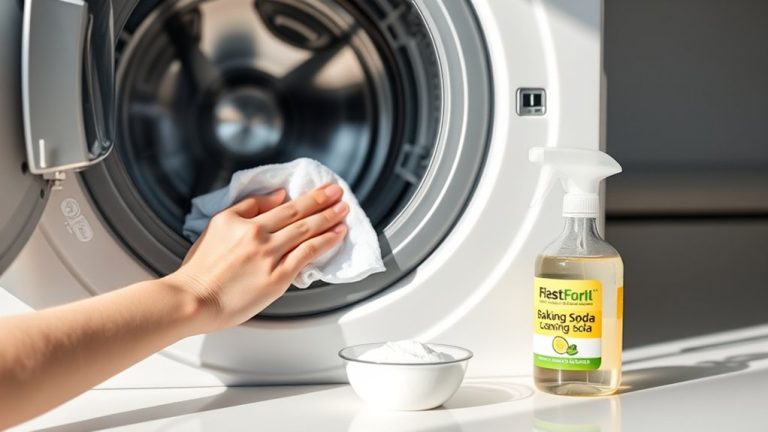
You can also add soda crystals or baking soda directly into the drum before starting the cycle. This boosts cleaning power and helps neutralize odors.
Adding a measured amount of disinfectant, like Zoflora, into the detergent drawer gives extra antimicrobial action.
Running the self clean cycle on a hot wash setting makes these products work even better by breaking down residue and killing microbes.
Using these products regularly not only keeps your machine hygienic but also helps it last longer. This way, your washing machine stays in great shape and performs consistently without any issues.
How to Clean Washers Without a Self Clean Cycle
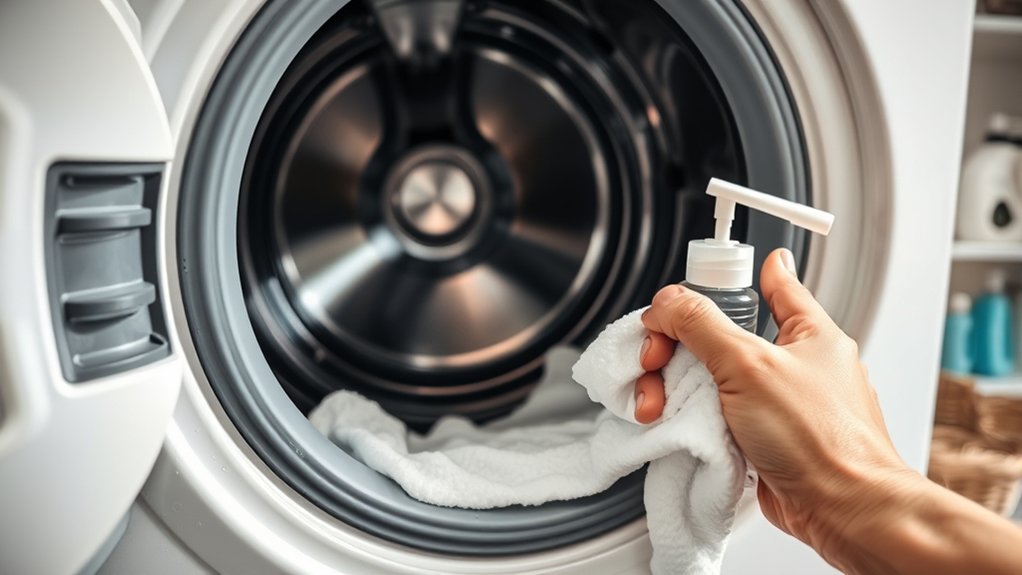
If your washing machine lacks a self clean cycle, you can still keep it clean and fresh with some simple manual methods. Running an empty hot wash cycle using either a washing machine cleaner or a mix of white vinegar and baking soda helps get rid of buildup and odors.
You should also remove and clean the detergent dispenser and door seal regularly to stop mold and mildew from forming. It’s a good idea to manually clean the pump filter and check the drain hose for any blockages.
Don’t forget to wipe down the inside drum and the outside surfaces with a damp cloth and some mild detergent.
Try to repeat this cleaning routine every month to keep your washer in great shape.
Following these steps will make sure your washer stays clean, works well, and smells fresh—even without an automatic self clean cycle.
Common Self Clean Cycle Issues and Fixes
If your self clean cycle doesn’t start, the first thing to do is unplug the washer, reset the cycle, and check for any error codes. Sometimes, that simple reset can do the trick.
Now, if you notice the cycle running longer than usual or getting interrupted, it often means there could be an issue with the door lock or the control board. In those cases, it’s usually best to call in a professional to take a look.
Also, if you’re still dealing with residue or unpleasant odors after the cleaning cycle, it might be due to using too much detergent or having clogged filters. Those will need some manual cleaning to get everything back to fresh.
Self Clean Cycle Problems
Why does the self clean cycle sometimes fail to start or stop unexpectedly? Several problems in your washing machine can cause this. Residue or soap buildup may hinder the cycle’s effectiveness, leading to odors or incomplete cleaning.
Also, a clogged door latch or dirty seal can prevent the cycle from starting or finishing properly. Faulty sensors or control boards might cause the cycle to stop abruptly or not run at all. Proper maintenance is key to avoiding these issues.
Here are common causes of self clean cycle problems:
- Residue or soap buildup reducing cleaning efficiency
- Clogged or dirty door latch and seal
- Malfunctioning sensors or control board errors
- Poor maintenance, including neglected filter cleaning and drainage
Taking care of these will help keep your self clean cycle running smoothly.
Troubleshooting Common Errors
How do you address common errors during the self-clean cycle of your washing machine? First, verify the washer is empty and the door is securely closed to prevent start issues. If error codes appear, reset the machine by unplugging it for a few minutes.
Mid-cycle stops often indicate clogged water inlet filters or drain pump problems, so you’ll need to inspect and clean them. Regular maintenance, like cleaning the door seal and detergent dispenser, helps prevent residue buildup and mold that cause errors.
| Issue | Fix |
|---|---|
| Machine won’t start | Check door closure, empty drum |
| Error codes on display | Unplug and reset machine |
| Cycle stops mid-way | Clean water inlet filters and pump |
| Water flow error codes | Inspect hoses and filters |
| Residue buildup errors | Clean door seal and detergent tray |
Keeping Your Washer Fresh Between Self Clean Cycles
When do you know your washer needs attention between self-clean cycles? Signs include lingering odors, visible mold, or slow drainage. These all indicate moisture and residue buildup.
To keep your washer fresh, follow these steps:
- Leave the washer door and detergent drawer open after use. This helps promote evaporation and reduces mold growth.
- Run a short warm or hot water cycle periodically. It clears detergent residue inside the drum.
- Regularly wipe the door seal and exterior surfaces. This removes moisture and prevents odors.
- Keep an eye out for mold or mildew. Address these issues promptly to maintain proper drainage and hygiene.
When to Contact Samsung Support for Self Clean Help
If your washing machine’s Self Clean cycle fails to start, stops unexpectedly, or displays error codes, you should contact Samsung Support promptly. Troubleshooting these issues yourself can be challenging and may risk further damage.
Also, reach out if the cycle produces unusual noises, leaks, or fails to remove odors after multiple attempts. Regular Self Clean cycles are essential. If you haven’t run one after 40 washes, Samsung Support can guide you to maintain ideal hygiene.
Persistent mold or mildew odors despite cleaning indicate a professional inspection is necessary.
| Issue | Emotion | Action Needed |
|---|---|---|
| Cycle won’t start | Frustration | Contact Samsung Support |
| Error codes during Self Clean | Confusion | Seek expert troubleshooting |
| Unusual noises or leaks | Concern | Request professional help |
| Persistent odors after cycle | Disappointment | Schedule inspection |
Frequently Asked Questions
Can the Self Clean Cycle Damage Delicate Washing Machine Parts?
Yes, the self-clean cycle can damage delicate washing machine parts if misused. You should avoid using harsh chemicals or running the cycle too frequently. High temperatures and strong cleaning agents may degrade rubber seals and plastic components.
Always run the self-clean cycle with an empty drum and follow the manufacturer’s instructions carefully. It really helps to keep things in good shape.
Also, regularly inspecting door seals and hoses is a smart move. This way, you can catch wear early and prevent damage from heat and water flow during cleaning.
Taking these steps makes your washing machine last longer and work better.
Does the Self Clean Cycle Use More Water Than a Regular Wash?
No, the self clean cycle doesn’t use more water than a regular wash. It’s designed to use minimal water, often just a hot water rinse and drain, without detergent or agitation.
This cycle focuses on cleaning the drum, so it avoids the multiple rinse and wash stages that consume more water in typical laundry cycles.
Water usage varies by model but remains optimized for efficiency during self-cleaning. So, you can expect it to be pretty water-friendly overall.
Is the Self Clean Cycle Safe for All Washing Machine Brands?
Safety standards shift considerably between brands, so the self clean cycle isn’t safe for all washing machines. You shouldn’t assume universal use; some models handle it well, while others risk damage or leaks.
Always adhere to your appliance’s guidelines and avoid harsh chemicals unless specified.
Consulting your manual ensures correct, cautious cleaning, keeping your machine in prime condition without compromising its components or warranty.
Can I Use Bleach Instead of Recommended Cleaning Products in the Cycle?
You can use bleach during the self-clean cycle only if your washing machine’s manual specifically allows it.
Using bleach instead of recommended cleaning products risks damaging internal components or rubber seals due to corrosion or improper dilution.
To avoid voiding warranties or causing harm, always follow manufacturer guidelines.
When you’re unsure, it’s best to opt for approved cleaners designed for your model.
This way, you’ll guarantee safety and the best cleaning performance.
How Long Does a Typical Self Clean Cycle Take to Complete?
You might think the self-clean cycle takes forever, but it usually lasts about 1 hour for top-loaders and up to 4 hours for front-loaders. This variation depends on your washer’s brand and model.
The longer cycles guarantee thorough cleaning by agitating, rinsing, and draining to remove residue and mold effectively.
Your machine often shows the remaining time, so you can track progress easily during the cycle.
Conclusion
You might think skipping the self clean cycle won’t matter, but without it, your washer could become a moldy, smelly nightmare overnight. Running this cycle is like giving your machine a spa treatment. It obliterates residue, prevents buildup, and ensures peak performance.
Keep it regular, use the right products, and prep your washer properly. Doing so guarantees your clothes come out fresh every time. Plus, it saves you from costly repairs and endless frustration.