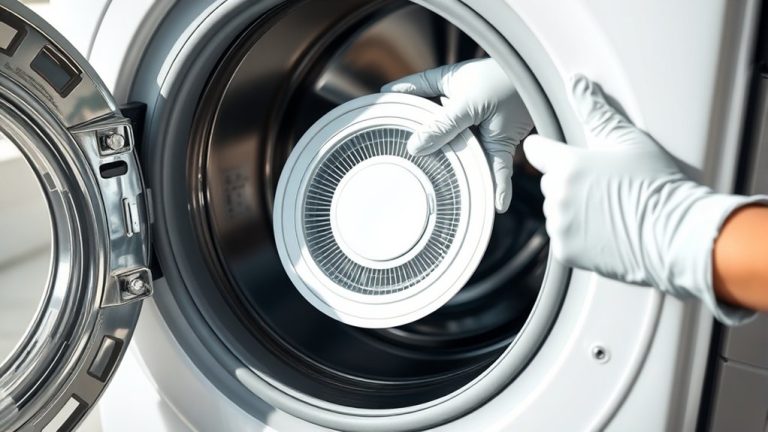
How To Clean Towels In Washing Machine – Guide
To clean your towels effectively, first sort them by color and weight to avoid dye transfer and uneven drying. Use warm water with half the usual detergent and skip fabric softeners. Adding white vinegar instead keeps them soft and absorbent.
Wash new towels with vinegar alone initially to enhance fluffiness. Dry thoroughly on low to medium heat, shaking towels before drying to open the fibers. Avoid mixing towels with delicate clothes to reduce lint transfer.
Keep following for more tips on maintaining your towels’ freshness and longevity. It’s easier than you think to keep your towels feeling fresh and looking great!
How to Sort and Prepare Towels for Washing
Before you toss your towels into the washing machine, make sure to sort them carefully by color and weight. Separate whites, light colors, and darks to prevent dye transfer and fading.
Next, group towels by weight. Keep lightweight hand towels apart from heavier bath towels. This guarantees even washing and drying.
Avoid overloading the machine; fill it no more than three-quarters full. Overcrowding restricts movement and reduces cleaning efficiency.
Check each towel’s care label for specific washing instructions and recommended water temperature before loading.
After the wash cycle finishes, remove towels promptly to prevent mildew and musty odors.
Maintaining the proper water temperature helps ensure thorough cleaning and fabric care.
Following these steps will prepare your towels properly, keeping them fresh, clean, and in good condition wash after wash.
How to Choose Water Temperature and Detergent for Towels
When washing your towels, it’s best to use warm water, around 104°F (40°C). This temperature cleans them well without harming the fibers.
Now, if you need to sanitize your towels—like after someone’s been sick or if there’s a strong odor—go ahead and use hot water at 140°F (60°C).
As for detergent, try using about half the usual amount. It’s enough to get them clean without leaving residue.
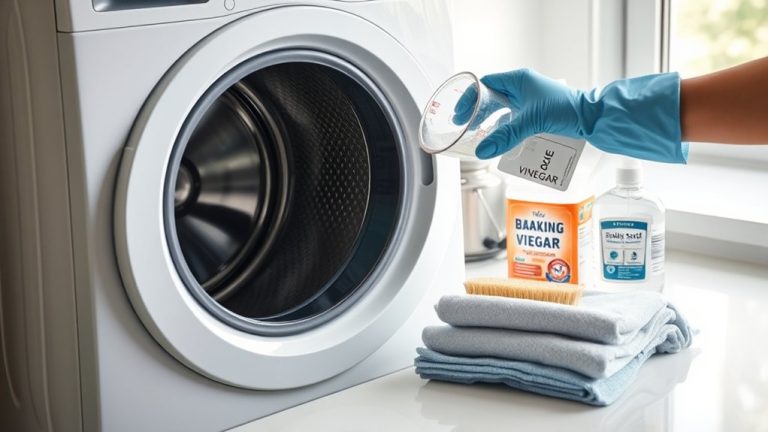
And here’s a tip: skip fabric softeners altogether. Instead, add white vinegar during the rinse cycle. It helps keep your towels soft and super absorbent.
Water temperature plays a critical role in cleaning efficiency, similar to how it influences extraction temperature in espresso preparation.
Optimal Water Temperature
When selecting the water temperature for washing towels, choosing warm water around 104°F (40°C) strikes the right balance between effective cleaning and fiber protection. Warm water dissolves detergent efficiently and removes oils and dirt without damaging fibers. This helps your towels stay soft and vibrant.
Avoid cold water, as it doesn’t dissolve detergent well and leaves oils behind, which reduces cleanliness. Use hot water at 140°F (60°C) only when you need to sanitize towels after illness or persistent odors.
Always check your towels’ care label to confirm the maximum safe water temperature. This ensures you don’t shrink or weaken the fabric. Maintaining proper temperature is essential for consistent cleaning results and fabric longevity, similar to how water temperature influences extraction in coffee brewing.
Detergent Usage Guidelines
Although selecting the right water temperature is essential, choosing the appropriate detergent and amount plays an equally important role in maintaining towel quality. Use warm water (104°F/40°C) for regular washing to clean effectively without damaging fibers.
Here’s how to optimize detergent usage:
- Choose a mild liquid detergent and use about half the recommended amount to avoid buildup and stiffness.
- Reserve hot water (140°F/60°C) only for sanitizing towels after illness or persistent odors.
- Skip fabric softeners. Instead, add white vinegar during the rinse cycle to boost softness and remove detergent residues.
Avoid cold water. It doesn’t dissolve detergent well or remove oils effectively, which can leave towels less clean and rough.
Maintaining water quality is crucial not only for coffee extraction but also for preventing residue buildup and preserving fabric softness during towel washing.
Following these steps keeps your towels fresh, soft, and long-lasting.
How to Wash New Towels for Softness and Absorbency
Before using new towels, start by washing them in warm water with half a cup of white distilled vinegar and no detergent. This initial wash removes factory residues, sets the color, and opens up cotton fibers to boost absorbency.
Avoid fabric softeners during this process because they coat fibers, reducing softness and absorbency.
After the vinegar wash, run a normal wash cycle with half the recommended detergent to preserve the towel’s natural loft. This careful cleaning prepares your towels to be soft, fluffy, and highly absorbent.
Consistent measurement of fabric care variables ensures optimal towel softness and longevity.
How to Dry Towels for Maximum Softness and Freshness
Once your towels have been properly washed to enhance their softness and absorbency, the drying process plays a key role in maintaining those qualities.
To dry your towels for maximum softness and freshness, follow these steps:
- Shake each towel thoroughly before drying to open the terry loops and improve air circulation. This helps boost softness.
- Use low to medium heat in your dryer to prevent fiber damage. Add wool dryer balls to reduce static, shorten drying time, and increase fluffiness.
- Make sure towels are completely dry before folding and storing. This helps you avoid mildew and keeps them smelling fresh.
For natural deodorizing, consider air-drying towels outside in sunlight for a few hours before finishing in the dryer. This method really enhances softness and freshness.
Controlling the drying temperature is important because even slight fluctuations in heat can affect fiber integrity and overall towel quality, similar to how temperature stability influences espresso extraction.
How to Refresh Towels and Maintain Softness Between Washes
To keep your towels feeling soft and fresh between washes, you should adopt a few simple care habits that prevent stiffness and buildup.
Start by adding 1 cup of white distilled vinegar during the rinse cycle. This naturally softens towels and removes detergent residues that cause roughness.
Use only half the recommended detergent amount when washing to avoid excess buildup, which leads to stiffness.
When drying, set your dryer to low or medium heat to maintain fluffiness and protect fibers.
Occasionally, perform a vinegar and baking soda wash to re-fluff and refresh your towels. This restores softness effectively.
Finally, always make certain towels are completely dry before folding and storing. This prevents musty odors and keeps them plush and inviting for your next use.
Consistent measurement accuracy in care routines ensures the best results when maintaining towel softness and longevity.
Washing Towels With Clothes: What to Know?
When you wash towels with clothes, keep an eye out for lint transfer. This is especially true for dark fabrics, which can end up covered in visible fuzz. It can be a bit annoying, right?
Also, make sure you use the right water temperature and cycle settings. This helps protect both your towels and your clothes, while still getting everything nice and clean.
To avoid any damage and keep your washing machine balanced, it’s usually best to separate towels from delicate or lightweight items. That way, everything lasts longer and your machine runs smoothly.
Lint Transfer Issues
Although washing towels with clothes might seem convenient, you risk significant lint transfer, especially onto darker garments. Towels shed fibers during agitation, and their rough terry loops release more lint than smoother fabrics. This lint clings to other items, causing unsightly fuzz or even snagging on delicate materials.
To minimize lint transfer, follow these tips:
- Wash towels separately or with other heavy cotton fabrics to reduce fiber shedding onto lighter or delicate clothes.
- Avoid high-spin and hot water cycles, which increase lint release and adhesion to other garments.
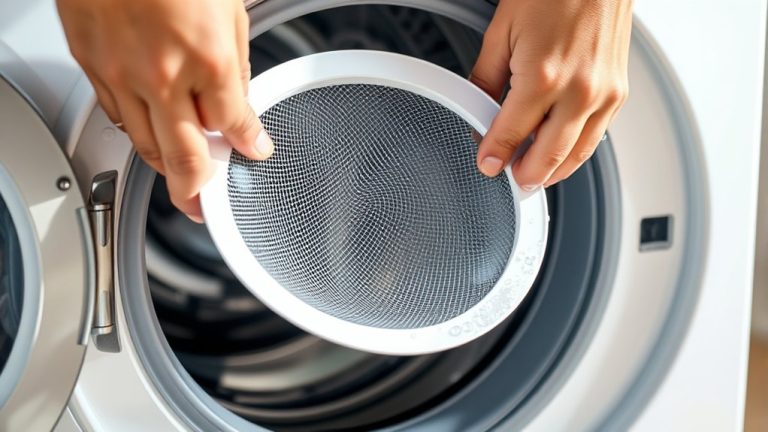
- Use a lint catcher or filter in your washing machine to trap loose fibers before they settle on your clothes.
Optimal Washing Settings
Since towels tend to shed lint and can damage delicate fabrics, you should carefully select washing settings if you decide to wash them with clothes.
Use warm or hot water according to the care labels to guarantee thorough cleaning and sanitation. Choose a long, heavy-duty cycle to handle the towels’ thickness without compromising your clothes’ integrity.
Always wash towels either separately or with similar heavy cotton items to prevent snagging or fiber transfer.
Avoid mixing towels with clothes that have zippers, hooks, or Velcro, as these can damage towel fibers during the wash.
Frequently Asked Questions
How Often Should Towels Be Replaced for Hygiene?
You should replace towels every 2 to 3 years for hygiene. Watch for persistent odors, fraying edges, or stiffness after washing.
High-use towels may need replacing sooner, about every 1 to 2 years. It really depends on how often you use them and how well you care for them. Keep an eye out for any signs that they’re wearing out.
Can Towels Be Washed With Bleach Safely?
You can wash towels with bleach safely if you check the care label first, dilute bleach properly, and use non-chlorine bleach on colors. Don’t overuse it, or you’ll weaken fibers and lose softness.
Just keep in mind, a little goes a long way. So, be careful not to go overboard!
What Causes Towels to Smell Musty After Washing?
Towels smell musty after washing because you may leave them damp too long, use cold water, overload the machine, or not rinse thoroughly.
All these things allow mold, mildew, detergent, and mineral buildup to trap moisture and odors. It’s pretty common and can be fixed with a few simple changes. Just make sure towels dry out quickly and get washed properly.
How to Remove Stubborn Stains From Towels?
You’ll tackle stubborn stains by pre-treating with baking soda paste or stain remover, then soaking towels in hot water with oxygen bleach.
Use a heavy-duty wash cycle with vinegar or baking soda to lift stains effectively. This combo really helps get those tough spots out. Just make sure to give the towels a good soak first.
Is It Necessary to Use Fabric Softener With Towels?
You don’t need to use fabric softener with towels. It leaves residue that reduces absorbency and softness.
Instead, use vinegar occasionally to maintain fluffiness and durability without compromising your towels’ performance. It’s a simple trick that really works and keeps your towels feeling fresh. Give it a try!
Conclusion
By following these steps, you’ll keep your towels soft, fresh, and absorbent. It’s like having a spa day every time you step out of the shower.
Remember to sort them properly, choose the right temperature and detergent, and dry them with care to avoid stiffness.
Also, refresh your towels between washes to maintain that plush feel. Treat your towels well, and they’ll reward you with lasting comfort and cleanliness. Laundry day will feel more like a breeze than a chore.