How To Clean Mildew Smell From Washing Machine – Guide
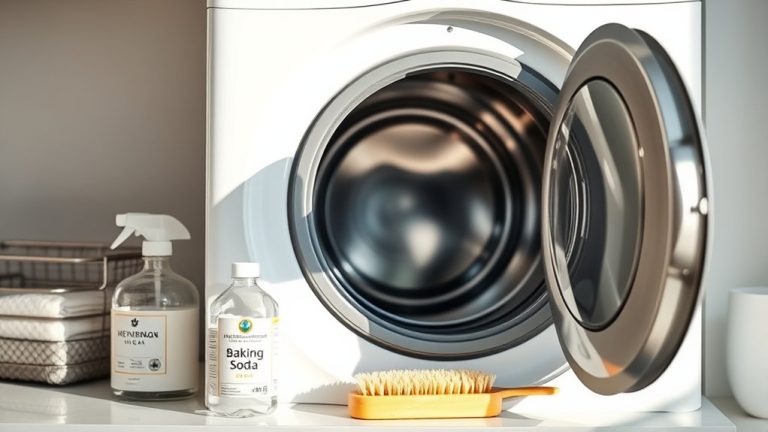
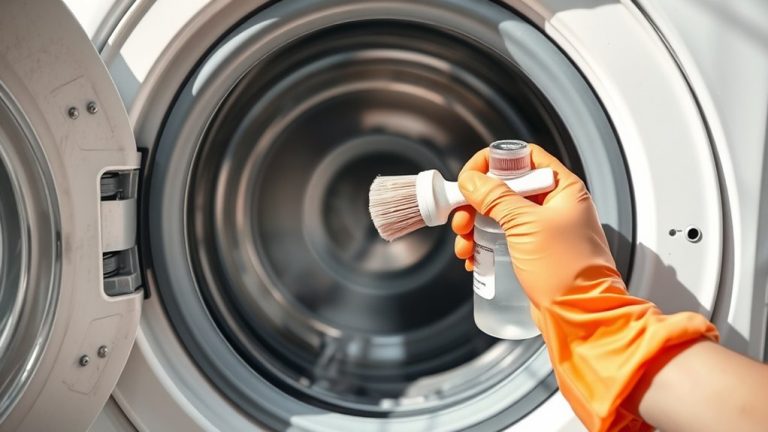
To clean mildew smell from your washing machine, start by removing all laundry and wiping down the drum, door gasket, and detergent dispenser with a vinegar-water solution. Soak and scrub the detergent drawer to remove mold buildup. Then, run a hot water cycle with cleaning agents or vinegar to kill bacteria.
Make sure to keep the door open after use to dry the interior and prevent moisture. Using specialized cleaning cycles and antimicrobial features can also help control odors.
You might want to explore more advanced steps for complete odor elimination and prevention. Taking these extra measures can keep your washing machine smelling fresh for longer.
Why Does Your Washing Machine Smell Like Mildew?
Although your washing machine seems clean on the surface, mildew odors develop because mold and bacteria thrive in damp, dark areas like the drum, gaskets, and hoses. Residue from detergent, fabric softeners, and dirt provides an ideal environment for microbial growth.
Mildew odors linger as mold thrives in damp, hidden spots fed by detergent and dirt residue.
When you leave wet laundry inside or close the door immediately after a cycle, moisture gets trapped, accelerating mold development.
The door seal and internal components often accumulate mold spores if you don’t clean them regularly. Plus, poor airflow and retained moisture inside the washer make the problem worse.
Understanding these factors helps you figure out why that musty smell sticks around.
It also points to the need for targeted cleaning to eliminate mildew at its source effectively. So, keeping your machine dry and clean is key to keeping that smell at bay.
Moisture retention and lack of proper airflow create conditions similar to how extraction time impacts espresso, where prolonged exposure leads to unwanted buildup and off-flavors.
How to Prepare Your Washer for a Deep Clean
To effectively eliminate mildew odors from your washing machine, you need to prepare it thoroughly before starting a deep clean. First, remove all laundry and confirm the drum is empty. Wipe down the door gasket, detergent dispenser, and interior surfaces with a damp cloth to remove surface residues.
Also, check that the drainage system and filters are free of debris for maximum water flow. Adjust the washer to a hot water cycle, which helps dissolve residues and kill bacteria. Finally, prepare your cleaning solution, such as vinegar or a commercial cleaner, for the deep clean.
Maintaining consistent timing during the cleaning process ensures thorough sanitation and odor removal.
| Step | Action | Purpose |
|---|---|---|
| 1 | Remove laundry | Empty drum for cleaning |
| 2 | Wipe gasket & dispenser | Remove surface residues |
| 3 | Clear drainage & filters | Ensure proper water flow |
| 4 | Set to hot water cycle | Dissolve residues, kill bacteria |
| 5 | Prepare cleaning solution | Enhance mold and odor removal |
How to Clean Your Washer Step-by-Step
When you start cleaning your washer, begin by removing the detergent dispenser and soaking it in warm water mixed with mild soap to dissolve any residue buildup.
Next, thoroughly wipe down the door gasket and seals using a damp cloth or specialized cleaning wipes to eliminate mold and soap scum deposits.
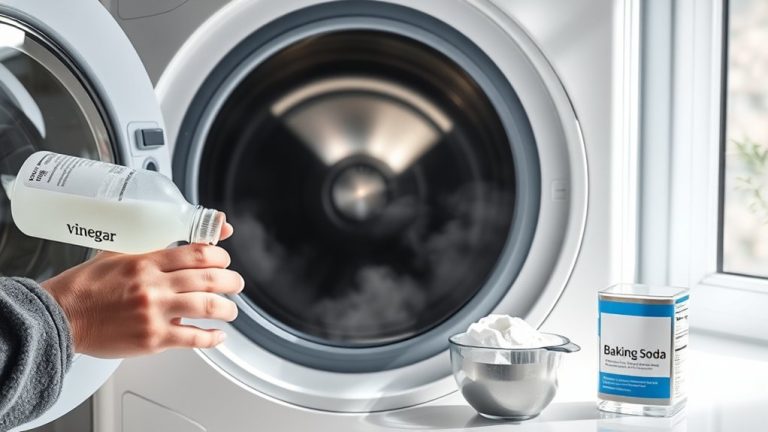
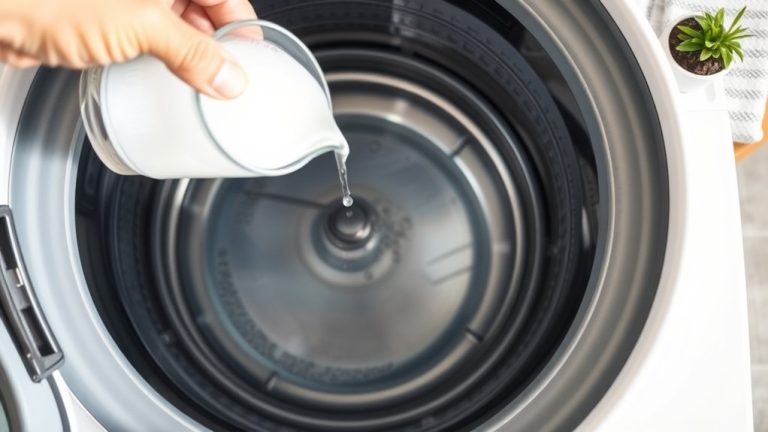
After that, run a hot water cycle with a washer cleaning product, such as Affresh tablets, or a white vinegar solution to disinfect the drum effectively.
Once the cycle completes, leave both the washer door and detergent drawer open to promote air circulation and expedite drying, preventing mildew growth.
Make it a habit to regularly inspect the drum, gaskets, and dispenser for mildew or residue. This way, you’ll keep your washer smelling fresh and working at its best.
For best results, maintain consistent measurement of cleaning product amounts to ensure thorough disinfection and prevent residue buildup.
How to Clean the Detergent Dispenser and Door Gasket
Start by taking out the detergent dispenser drawer and soaking it in warm, soapy water. This helps break down any stubborn residue. After it’s had some time to soak, grab a soft brush and give all the compartments a good scrub, paying special attention to those hard-to-reach corners.
Don’t forget to wipe down the area inside the machine around where the drawer sits.
Next up is the door gasket. Use a cloth soaked in a water-vinegar solution to clean it thoroughly—this is great for removing mold and soap scum. Just make sure everything is dried completely before you put everything back together.
Maintaining proper cleaning habits prevents buildup that can affect water quality and overall machine performance.
This way, you’ll keep your machine fresh and running smoothly!
Detergent Dispenser Cleaning
How often do you check the detergent dispenser and door gasket for buildup? Neglecting the detergent dispenser allows detergent residue and mold to accumulate, which can cause mildew odors.
Start by removing the dispenser drawer from your washing machine. Rinse it thoroughly with warm water to wash away loose grime. Use a soft brush or cloth to scrub all compartments, focusing on corners where dried detergent or softeners often lodge.
For tougher buildup, soak the dispenser in a solution of warm water and mild vinegar or a specialized cleaner for 10-15 minutes. This breaks down soap scum effectively. After soaking, rinse and dry the dispenser completely with a clean cloth before putting it back.
Cleaning the detergent drawer every 1-2 months helps prevent moisture buildup and keeps mildew smells at bay. It’s an easy step that makes a big difference in keeping your washer fresh.
Maintaining consistent parameters in cleaning routines, similar to espresso extraction, ensures reliable results and prevents recurring issues.
Door Gasket Maintenance
Why does the door gasket often harbor mildew and odors despite regular washing? Its folds trap moisture, detergent residues, and dirt. This creates an ideal environment for mold growth.
To keep things fresh, remove the gasket and wipe it down with a damp cloth and a mild cleaner. This helps get rid of any buildup. Also, don’t forget to take out the detergent dispenser drawer.
Soak the drawer in warm water and scrub it gently with a soft brush to clear away residues.
Focus on these key steps:
Use a toothbrush to scrub the gasket folds and crevices where mold likes to hide. Wipe the gasket and dispenser areas with a vinegar-water mix to neutralize odors and prevent moisture buildup. Make sure to dry all parts thoroughly before putting them back to avoid dampness.
Doing regular inspections and cleanings every few weeks will keep your washing machine mold-free and smelling fresh. It’s a simple routine that really pays off! Maintaining temperature stability in the washing environment can also reduce mildew growth by minimizing moisture retention.
Mold Removal Techniques
Although mildew can be stubborn, you can effectively remove it from the detergent dispenser and door gasket by following targeted cleaning methods.
Start by removing the detergent dispenser and soaking it in warm water mixed with mild soap or vinegar to loosen residue and mold. Scrub it thoroughly with a soft brush or cloth, focusing on corners and crevices where mold hides.
For the door gasket, wipe it down with a cloth dampened in a water-vinegar solution or mild disinfectant to eliminate mold and soap scum. Use an old toothbrush to clean the rubber seal meticulously, removing all visible mold.
After cleaning, air dry the detergent dispenser completely and keep the door gasket slightly open to promote airflow. This will help prevent future mold growth and mildew odors.
How to Choose the Best Products to Remove Mildew Smell
When selecting products to remove mildew smell from your washing machine, you should prioritize cleaners containing enzymes or antimicrobial agents. These target odor-causing bacteria effectively.
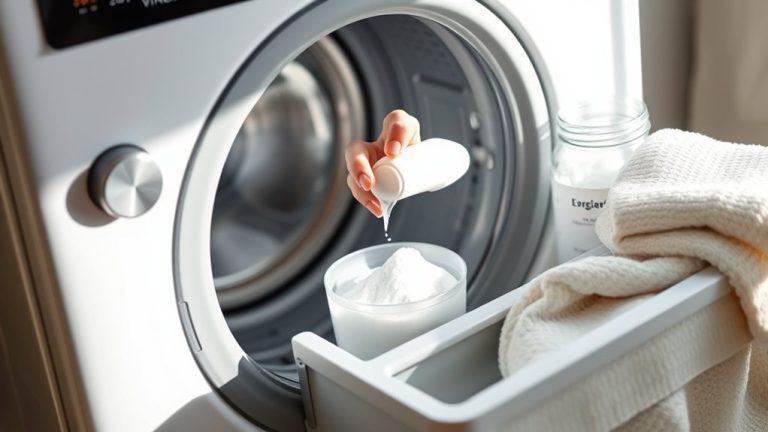
Also, look for solutions with natural deodorizing agents like white vinegar or baking soda. They safely neutralize odors without harsh chemicals.
You might want to consider commercial washing machine cleaners such as affresh tablets or liquids designed for deep residue removal. These can be really helpful for a thorough clean.
To choose the best product, keep these points in mind:
- Confirm compatibility with your washer type (front-load or top-load) so you don’t risk damage or ineffective cleaning.
- Follow the manufacturer’s instructions precisely to get the best results.
- Use odor-neutralizing sprays or wipes between deep cleans. This helps maintain freshness and prevents odor buildup.
Remember, just as precise dosing ensures consistent espresso extraction, using the right amount of cleaner and following instructions carefully ensures effective odor removal and machine longevity by maintaining proper cleaning balance.
This targeted approach ensures thorough mildew odor elimination and keeps your machine running well for longer.
How to Prevent Mildew Smell From Coming Back
To keep that mildew smell from coming back, make sure you take wet laundry out of the washer as soon as possible. Leaving clothes damp in there just traps moisture, which is a perfect environment for mold to grow.
Also, try to leave the washer door or lid slightly open after you finish a cycle. This helps air circulate and speeds up drying inside the machine.
And don’t forget to use the right amount of detergent. Using too much can leave soap residue behind, which mildew loves to hang onto.
Remove Wet Laundry Promptly
Because moisture fuels mildew growth, you should remove wet laundry from your washing machine immediately after the cycle ends. Leaving damp clothes inside traps moisture, creating an ideal environment for mildew and unpleasant odors.
To prevent this, always transfer wet laundry promptly to the dryer or hang it to dry. This helps minimize moisture retention inside the drum.
Try to develop a habit of unloading your washer as soon as the cycle finishes. Doing this reduces mold and bacteria buildup.
Avoid letting clothes sit for extended periods. When they do, it promotes mildew growth and persistent smells.
Keep Door Open
Removing wet laundry promptly minimizes moisture inside your washing machine, but leaving the door closed immediately after use can undo that effort. You should keep the door slightly open for several hours or overnight to allow air circulation. This ventilation dries the drum, seals, and gaskets, preventing the dark, damp conditions mildew needs to grow.
Some machines offer features like FanFresh that enhance airflow and extend drying, keeping odors at bay. Consistently leaving the door ajar boosts drying efficiency and reduces bacterial buildup.
| Action | Benefit |
|---|---|
| Door slightly open | Promotes airflow and drying |
| Several hours open | Notably reduces dampness |
| Ventilate seals/gaskets | Minimizes mold-friendly environment |
| Use FanFresh feature | Maintains dry, odor-free drum |
| Avoid closing door | Prevents moisture retention |
Use Proper Detergent
When you use the proper detergent in the correct amount, you considerably reduce the risk of mildew odors developing in your washing machine. Using high-efficiency (HE) detergent as specified prevents residue buildup, which is a common breeding ground for mold.
Overusing detergent leads to soap accumulation in the drum and seals, fostering a damp, mold-friendly environment.
To maintain a fresh washer, focus on these key points:
- Select detergents formulated for odor control or with mold-fighting agents.
- Always follow the manufacturer’s recommended dosage carefully to avoid excess residue.
- Run regular cleaning cycles using appropriate products to clear any leftover detergent buildup.
Whirlpool Washer Features That Fight Mildew Odors
Although mildew odors can be stubborn, Whirlpool washers incorporate advanced features specifically designed to combat them. Models with the FreshFlow Vent System use antimicrobial protection to inhibit bacterial growth and reduce mildew smells. This system includes a Dry Drum Cycle and FanFresh Option that actively dry the drum and prevent moisture buildup. That’s a key factor in odor development.
Additionally, antimicrobial rubber seals around door gaskets inhibit mold and bacteria growth in vulnerable areas. Some Whirlpool washers also offer specialized cycles like Sanitize with Oxi and Tumble Fresh. These cycles target bacteria and eliminate musty odors effectively.
ENERGY STAR-certified Whirlpool washers combine these features to promote proper ventilation, maintaining a fresh-smelling interior. This helps ensure your machine stays clean and odor-free over time. It’s all about keeping your laundry experience fresh and worry-free.
How to Use Cleaning Cycles to Remove Mildew Odors
Whirlpool washers come equipped with features that help minimize mildew odors, but maintaining freshness also requires regular cleaning cycles. To remove mildew smells effectively, run a cleaning cycle using hot water combined with a specialized washer cleaner or white vinegar. Always select the highest temperature setting to maximize elimination of mold, detergent residue, and bacteria.
Focus on these key steps:
- Use the machine’s dedicated “Clean Washer” or “Tub Clean” cycle for targeted internal cleaning.
- Follow the cleaning cycle with an extra rinse or spin cycle to flush out loosened debris and cleaning agents.
- Schedule these cleaning cycles every 30 washes or monthly to prevent mildew buildup and maintain a fresh-smelling washer.
This systematic approach assures thorough removal of mildew odors from your washing machine. It really helps keep your washer smelling fresh and working efficiently.
Keeping Your Washer and Laundry Fresh Long-Term
To keep your washer and laundry fresh long-term, you need to adopt consistent habits that prevent mildew growth and odor buildup. Always leave the washer door open after cycles to improve airflow and reduce moisture.
Run routine cleaning cycles with vinegar or specialized cleaners to maintain hygiene. And make sure to remove wet laundry promptly to avoid bacterial growth. Wiping door gaskets regularly also helps prevent mold.
Using the correct detergent type and amount is important too. It minimizes residue accumulation and keeps everything running smoothly.
| Habit | Purpose | Frequency |
|---|---|---|
| Leave door open | Promotes airflow, reduces moisture | After every cycle |
| Cleaning cycles | Eliminates buildup and odors | Monthly |
| Remove laundry | Prevents bacteria growth | Immediately post-wash |
| Wipe gaskets | Prevents mold and residue | Weekly |
| Proper detergent | Minimizes residue accumulation | Every wash |
Frequently Asked Questions
Can Mildew Smell Affect My Clothes After Washing?
Yes, mildew smell can cling to your clothes after washing because bacteria and mold inside the machine transfer odors.
You’ll need to clean the washer thoroughly to prevent musty scents from sticking to your fabrics.
It’s a good idea to run a cleaning cycle or use a washer cleaner regularly. That way, your clothes come out smelling fresh every time.
Is It Safe to Use Bleach Instead of Vinegar for Cleaning?
You can use bleach, but make sure to dilute it properly. Avoid using it too often, as it can damage rubber seals and plastic parts.
Vinegar is a safer choice for routine cleaning. It won’t cause corrosion or wear down your machine’s components.
How Often Should I Clean My Washing Machine to Prevent Odors?
You should clean your washing machine at least once a month or every 30 cycles to prevent odors. Focus on door gaskets and detergent dispensers.
Also, run a deep cleaning cycle regularly with vinegar or specialized cleaners. This helps keep things fresh and smelling good.
It’s a simple step but makes a big difference in avoiding those unwanted smells. Just a little regular maintenance goes a long way!
Can Mildew in the Washing Machine Cause Health Issues?
Ever wondered if that musty smell could harm you? Yes, mildew in your washing machine can release mold spores and mycotoxins. These can trigger allergies, asthma, or infections.
Regular cleaning helps you avoid these serious respiratory and skin issues. It’s a simple step that keeps your laundry fresh and your health intact. So, don’t ignore that smell—take action!
Are Front-Load Washers More Prone to Mildew Than Top-Load Washers?
Yes, front-load washers are more prone to mildew because their horizontal drums and rubber door seals trap moisture and detergent residue. This creates damp, dark environments where mold loves to grow.
You should clean the seals regularly to prevent odors. It’s a simple step that can make a big difference in keeping your washer fresh. Just a little maintenance goes a long way!
Conclusion
Picture opening your washer to a crisp, fresh scent instead of that stubborn mildew odor. By thoroughly cleaning every nook—from the detergent dispenser to the door gasket—and choosing the right products, you can restore your machine’s freshness.
Regular maintenance and using specialized cleaning cycles keep mildew at bay. With these precise steps, you’ll guarantee your washer runs efficiently and your laundry smells clean and inviting every time. It turns a dreaded chore into a smooth routine.