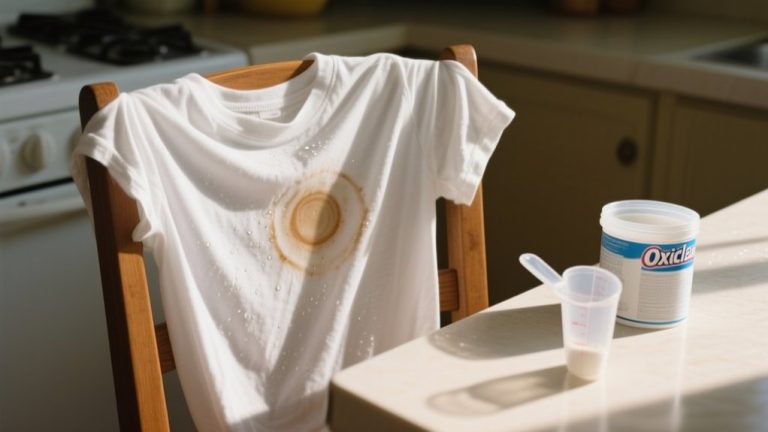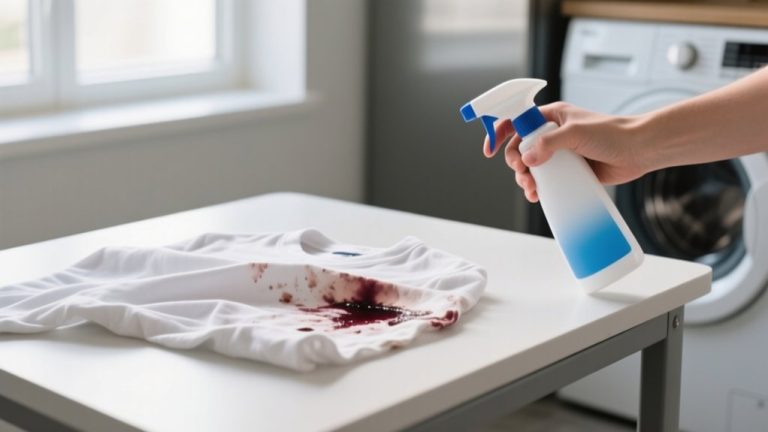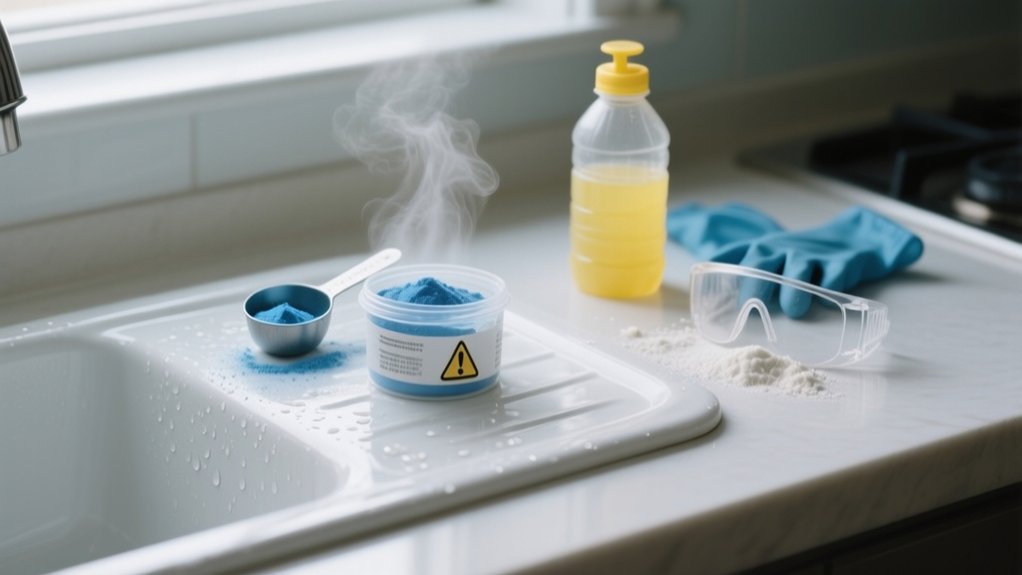
Can I Mix Bleach With Oxiclean Powder – Do’s & Don’ts
No, don’t mix chlorine bleach with OxiClean powder. Their ingredients can react unpredictably, damage fabric fibers, fade colors, and weaken seams or elastic.
Use only one cleaner at a time, follow its label, and rinse clothes thoroughly before switching products. If you’ve already combined them, move away, ventilate the area, and keep children and pets clear.
Seek medical advice if anyone develops symptoms. Check fabric care labels, too. The right cleaner depends on the material and stain.
A few simple precautions can help you choose safely.
Can You Mix Bleach With OxiClean Powder?
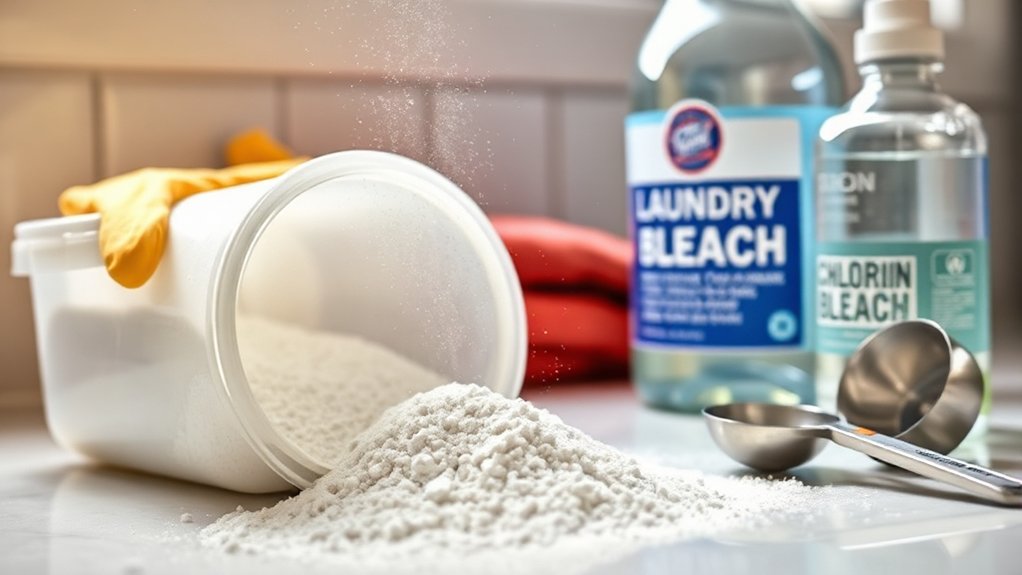
No, don’t mix chlorine bleach with OxiClean powder. They’re separate laundry products, and you shouldn’t combine them in the same container, washer load, or cleaning solution.
OxiClean powder is an oxygen-based cleaner; chlorine bleach is a different product with its own directions and uses. Follow the label on each product, and use only one at a time.
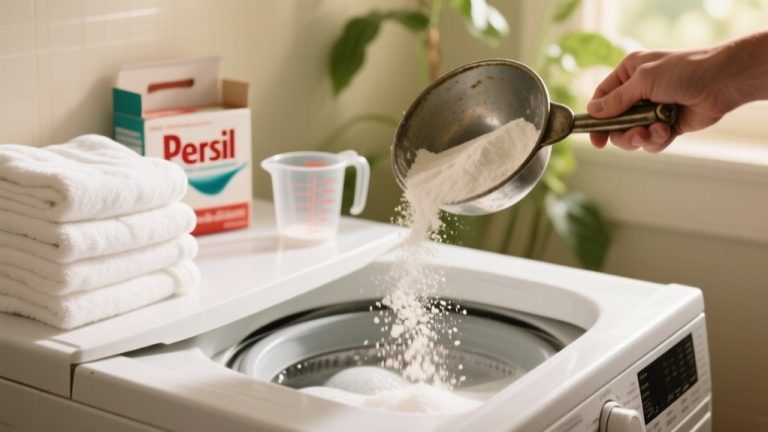
If you want to use OxiClean, dissolve and apply it as its package directs.
If you choose chlorine bleach, check your garment’s care label and the bleach instructions before adding it to your wash.
Don’t pour one product into the other, and don’t assume that using a small amount makes combining them appropriate.
When you’re unsure which product suits your laundry, choose one, follow its directions, and keep the other out of that wash.
Why Mixing Them Can Damage Clothes
When you mix bleach and OxiClean, the combination can be pretty harsh on your clothes.
It can break down the fabric fibers, which isn’t great. You might notice colors fading or even bleeding, especially if the garment is dyed.
On top of that, it can weaken the seams and damage any elastic parts, which means your clothes won’t last as long.
Fabric Fiber Breakdown
Mixing bleach with OxiClean can damage clothes because the combined chemicals may weaken fabric fibers.
Bleach contains sodium hypochlorite, while many OxiClean powders contain oxygen-based bleaching agents. Using them together can create an overly harsh cleaning solution that attacks fibers instead of just lifting dirt.
You may notice fabric becoming thin, brittle, rough, or prone to tearing, especially after repeated exposure.
Delicate materials, such as wool, silk, and some blends, can be particularly vulnerable. Even sturdy cotton can lose strength when you expose it to strong oxidizers or leave it soaking too long.
Check each product’s label, and don’t combine them in the same wash or container.
Use one product at a time, follow its directions, and rinse clothes thoroughly.
If you’ve already mixed them, avoid handling the solution closely and ventilate the area.
Color Fading and Bleeding
Because bleach and OxiClean both contain oxidizing agents, using them together can strip color from dyed fabrics and leave faded patches. The damage may appear uneven, especially where the mixture sits or concentrates.
You might also see dye bleed into lighter areas, leaving stains that won’t wash out. Dark garments may develop pale spots or streaks. Bright colors can look dull or washed out. Loose dye may transfer onto nearby items. Printed designs can lose color unevenly.
Don’t assume a colorfast label means a garment can handle both products at once. Check each product’s directions, and never combine them in the same wash or container.
If you need to treat a stain, choose one suitable product, test it on a hidden area, and follow its label. For colored clothes, use a color-safe alternative and wash items separately.
Weakened Seams and Elasticity
Repeated exposure to bleach and OxiClean can weaken fabric fibers, making seams more likely to split and elastic more likely to stretch or lose its shape.
When you combine these cleaners, you may expose clothing to harsher conditions than its care label allows.
Bleach can break down fibers, while OxiClean’s oxygen-based ingredients can also stress delicate fabrics, especially with hot water, long soaking, or frequent use.
You might first notice loose threads, thinning areas, sagging waistbands, or cuffs that no longer hold their shape.
These changes can make garments uncomfortable and shorten their useful life.
Don’t mix bleach and OxiClean; use only one product at a time, following its label and your garment’s care instructions.
For elastic or delicate items, choose a gentler detergent and air-dry them to help preserve their fit and strength.
What If You Mixed Them by Accident?
If you accidentally mix bleach and OxiClean, move away from the area and get everyone else out, too.
Don’t lean over the mixture or try to smell it. The combination may release irritating or harmful fumes, especially in an enclosed space.
Get fresh air immediately; leave doors and windows alone until you can open them without approaching the spill.
Keep children and pets away, and don’t touch or move the container.
If anyone has trouble breathing, chest pain, severe coughing, or eye irritation, call emergency services.
Contact Poison Control for exposure advice; in the U.S., call 1-800-222-1222.
Don’t add water, another cleaner, or more product, and don’t attempt cleanup while fumes remain.
If symptoms develop or persist, seek medical care.
Follow responders’ instructions before re-entering or handling the mixture.
Check Both Labels Before You Wash
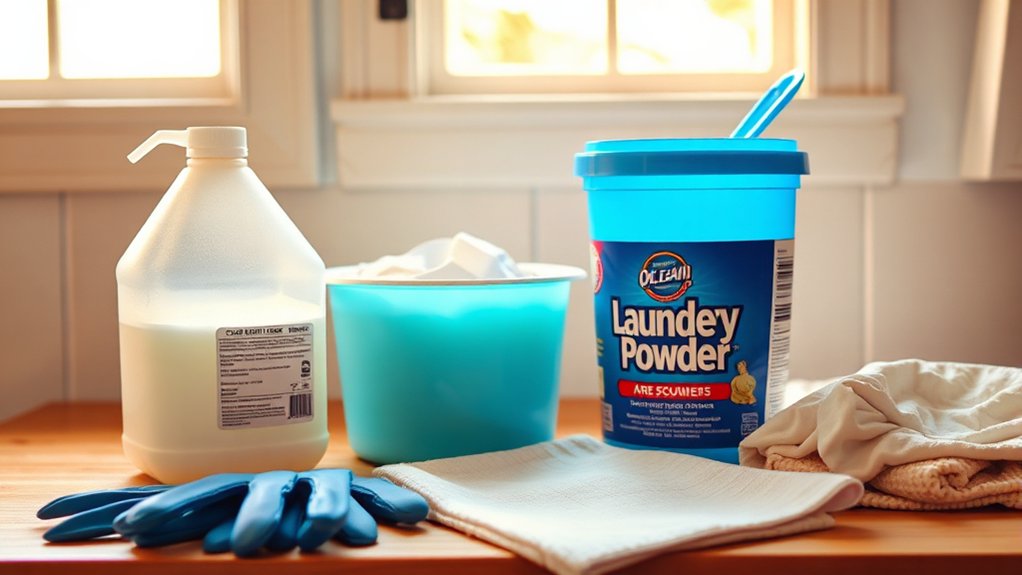
Before washing, check both product labels for ingredient warnings, fabric restrictions, and directions. Read the Oxiclean package to identify its active ingredients and confirm whether it’s intended for your washer and laundry type.
Then review the bleach container, noting whether it’s chlorine or oxygen-based and which fabrics or colors the label excludes. Don’t assume two products are compatible just because each is suitable for laundry on its own.
Follow each product’s measured-dose instructions and any guidance about adding products separately. Check the garment’s care tag, too, and look for colorfastness or temperature limits.
If either label is unclear, or the directions conflict, don’t combine the products; contact the manufacturer for clarification.
Keep the containers nearby while you prepare the load so you can verify instructions rather than rely on memory or guesswork.
Use Bleach Safely on Laundry Stains
Treat a stain with bleach only when the product label and garment care tag allow it. Check whether the garment is colorfast, and never use chlorine bleach on wool, silk, leather, or fabrics labeled “do not bleach.”
Before treating a visible spot, follow the bleach label’s directions and test a hidden area for color changes.
Wear gloves and protect your clothing from splashes. Work in a well-ventilated space, and keep bleach away from children and pets.
Dilute bleach exactly as directed; don’t apply concentrated bleach directly to fabric. Rinse the treated garment thoroughly, then wash it as the label instructs.
Never combine bleach with OxiClean powder or other cleaning products. Mixing cleaners can release hazardous substances.
If you’re unsure whether bleach suits the stain or fabric, choose another method. Don’t exceed the recommended soaking time.
Use OxiClean Powder Safely on Fabrics
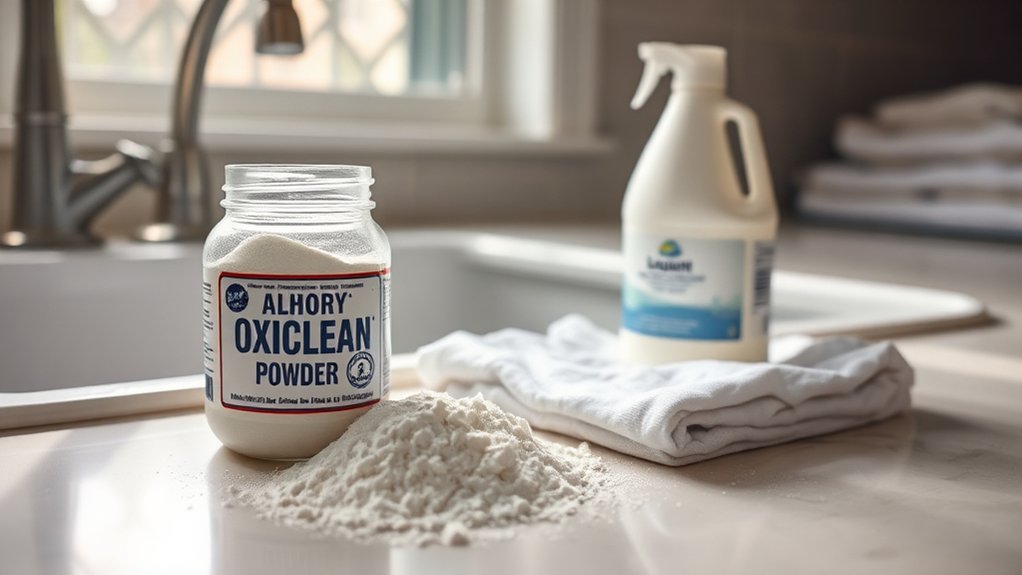
Before you start using OxiClean powder, it’s a good idea to check your fabric’s care label first to make sure it’s safe. This helps avoid any damage to your clothes.
When you’re ready, follow the product’s soaking directions carefully. Pay attention to the recommended soaking time and the right water temperature for the best results.
Also, a quick tip: never mix OxiClean with bleach. It’s important to keep them separate to avoid any unwanted reactions.
Check Fabric Care Labels
Check the care label before using OxiClean powder, since some fabrics can’t tolerate soaking or oxygen-based cleaners. A quick label check helps you avoid fading, damage, or a ruined garment.
Look for care symbols and written warnings, especially on delicate, colored, or specialty fabrics.
Follow the garment maker’s instructions, and don’t assume a fabric is safe just because it’s washable.
“Do not bleach” means you should avoid OxiClean unless the label specifically permits oxygen bleach.
Dry-clean-only items shouldn’t go in a home treatment.
Wool, silk, and leather can be damaged by oxygen-based cleaners.
Colorfastness warnings mean you should test a hidden area first.
If the label is missing or unclear, check the manufacturer’s guidance before treating the item.
When in doubt, choose a gentler method to protect your fabric.
Follow Soaking Directions
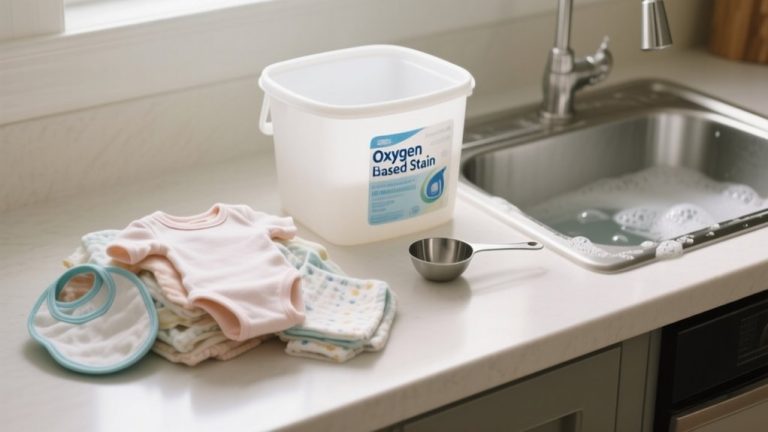
Once the care label allows soaking, follow the OxiClean package directions for the water temperature, powder amount, and soak time.
Dissolve the powder completely before adding your fabric, and use a clean container large enough for the item to move freely.
Don’t add chlorine bleach or other cleaners to the solution; mixing products can create hazardous reactions or damage fabric.
Keep the item submerged, but check it periodically and don’t exceed the recommended soak time.
When soaking ends, rinse the fabric thoroughly, then wash it as directed on the care label.
Wear gloves if you have sensitive skin, and avoid splashing the solution into your eyes.
Never leave the mixture where children or pets can reach it.
If the stain remains, repeat only as the package directions permit.
Remove Stains Without Mixing Cleaners
You can remove stains effectively without mixing bleach and OxiClean. Treat each stain with one cleaner at a time, and follow its label directions.
Never combine products in the same container, wash load, or soaking solution. Mixing can release harmful fumes or cause other unwanted reactions.
Blot fresh spills with a clean cloth instead of rubbing them deeper into the material. Rinse the stained area with cool water to lift residue before applying a cleaner.
Use one product as directed, then rinse it away thoroughly before trying another. Wash the item after treatment, and check whether the stain remains before drying it.
If you switch cleaners, don’t apply the second until you’ve removed the first completely. Keep the room ventilated, wear gloves when labels recommend them, and store products separately.
When a stain persists, repeat the single-product treatment rather than mixing cleaners.
Choose the Right Cleaner for Each Fabric
Because fabrics react differently to cleaners, check the care label before treating a stain.
For white cotton or sturdy linens, you can use chlorine bleach if the label allows it. Dilute it as directed, and never combine it with OxiClean or another cleaner.
For colors and most washable fabrics, choose oxygen-based OxiClean instead. Test it on a hidden spot first to check for fading.
Keep bleach away from wool, silk, leather, and spandex, which it can weaken or damage.
Avoid using OxiClean on delicate fibers unless its label and your garment’s care instructions approve it.
For uncertain fabrics, use a mild detergent and cool water, or take the item to a professional cleaner.
Treat stains promptly, but don’t scrub delicate material or mix products to boost cleaning power.
Frequently Asked Questions
Can Oxiclean Powder Be Used on Colored Clothes?
Yes, you can use OxiClean powder on colored clothes when you follow the product label.
Check the garment’s care instructions and test a hidden spot first, especially on delicate or brightly dyed fabrics.
Dissolve the powder fully in water, then use the recommended amount and temperature.
Don’t pour undissolved powder directly onto clothing, and avoid using it on wool, silk, or leather.
Rinse or wash garments promptly after soaking.
Is Oxiclean Safe for Septic Systems?
Yes, OxiClean is generally considered safe for septic systems when you use it as directed.
Picture your septic tank as a balanced garden: normal household amounts of oxygen-based cleaner shouldn’t disrupt its helpful bacteria.
You might worry that any cleaning product harms the tank, but excessive use can strain that balance.
Follow the package directions, avoid dumping concentrated powder or large amounts down drains, and check the label for product-specific septic guidance.
How Should Oxiclean Powder Be Stored?
Store OxiClean powder in its original, tightly sealed container in a cool, dry place.
Keep it away from moisture, heat, and direct sunlight, since dampness can cause clumping and reduce its effectiveness.
Choose a secure spot that children and pets can’t reach.
Also, keep the product away from food, drinks, and incompatible cleaners.
Don’t transfer it to an unmarked container; you’ll want the label and safety instructions handy.
Can Oxiclean Remove Odors From Laundry?
Yes, OxiClean can help remove odors from laundry by lifting odor-causing soils and residues.
Add the recommended amount of powder to your wash, following the product label and garment care instructions.
For stubborn smells, soak items in a properly diluted solution before washing.
Don’t mix OxiClean with chlorine bleach or other cleaners, and never use it on fabrics the label excludes.
If odors persist, check your washer for buildup and rewash the clothes.
Is Oxiclean Powder Safe for Wool or Silk?
No, treat OxiClean powder like a rough scrub brush because it can damage wool’s and silk’s delicate fibers.
Imagine a silk scarf losing its sheen after one harsh wash; oxygen bleach can cause fading, weakening, or other damage.
Check the garment’s care label and don’t use OxiClean on items marked “dry clean only.”
For stains, choose a detergent specifically labeled safe for wool or silk. Test it on a hidden spot and follow the label’s directions.
Conclusion
Choose one cleaner, not both, when treating laundry stains. Bleach and OxiClean powder can damage clothes when mixed, so check both labels and follow each product’s directions.
If you’ve combined them by accident, stop, ventilate the area, and rinse fabrics thoroughly. For safer stain removal, match the cleaner to your fabric and stain, then test it on a hidden spot first.
With careful choices and simple steps, you can protect your clothes and keep laundry clean. Don’t mix; make the safer choice.