Can I Leave Oxiclean Stain Remover Overnight – Quick Answer
You can leave OxiClean on clothes overnight only if the product label permits it and the fabric can handle a long soak. Most washable items need just one to six hours, so don’t exceed the stated limit.
Test a hidden spot first, keep the garment submerged, and avoid using OxiClean on wool, silk, leather, or dry-clean-only items. Rinse thoroughly, then wash as directed; don’t let the solution dry on the fabric. A few precautions can help protect your clothes.
Can You Leave OxiClean on Clothes Overnight?
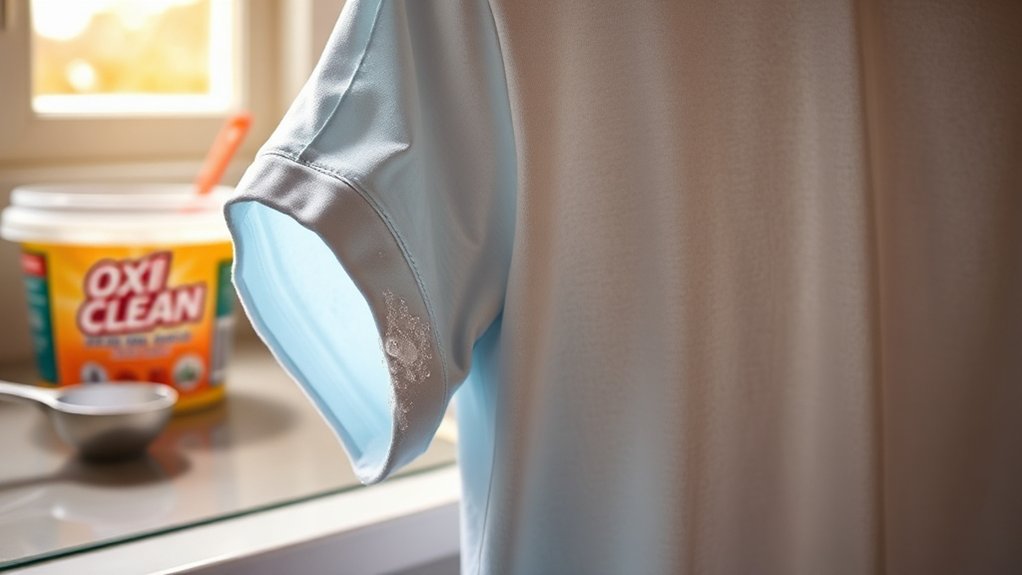
Yes, you can leave clothes soaking in OxiClean overnight, but check the product label and care instructions first. OxiClean products vary, and some fabrics may not tolerate extended contact with a cleaning solution.
Test a hidden area before treating the whole garment, especially if it’s colored, delicate, or unfamiliar. Don’t use OxiClean on wool, silk, leather, or garments labeled dry-clean only.
Keep the fabric fully submerged in a suitable container, away from children and pets, and avoid mixing the solution with other cleaners.
When you’re ready to finish, rinse the clothing thoroughly and wash it according to its care label.
If you notice fading, texture changes, or other damage, remove the garment from the solution and rinse it immediately. Follow the package directions for safe, effective use.
How Long Should You Soak Clothes in OxiClean?
How long you should soak clothes in OxiClean depends on the product label and the garment’s care instructions. For many washable items, a soak of one to six hours can help loosen stains, but some formulas allow longer soaking.
Soak washable clothes for one to six hours, following the OxiClean label and garment care instructions.
Don’t assume every fabric can handle the same treatment. Delicate materials and items with special finishes may need a shorter soak or a different approach. Keep the garment submerged in the solution, and wash it afterward as directed. If the stain remains, you can repeat the process rather than leaving the clothing in the solution indefinitely.
Fresh, light stains may need less soaking time. Set-in stains may benefit from a longer soak within label limits.
Check delicate garments’ care instructions before soaking. Remove clothes promptly when the recommended time ends.
You’ll protect your clothes by following both the product directions and fabric-care guidance.
How to Check OxiClean’s Soaking Instructions
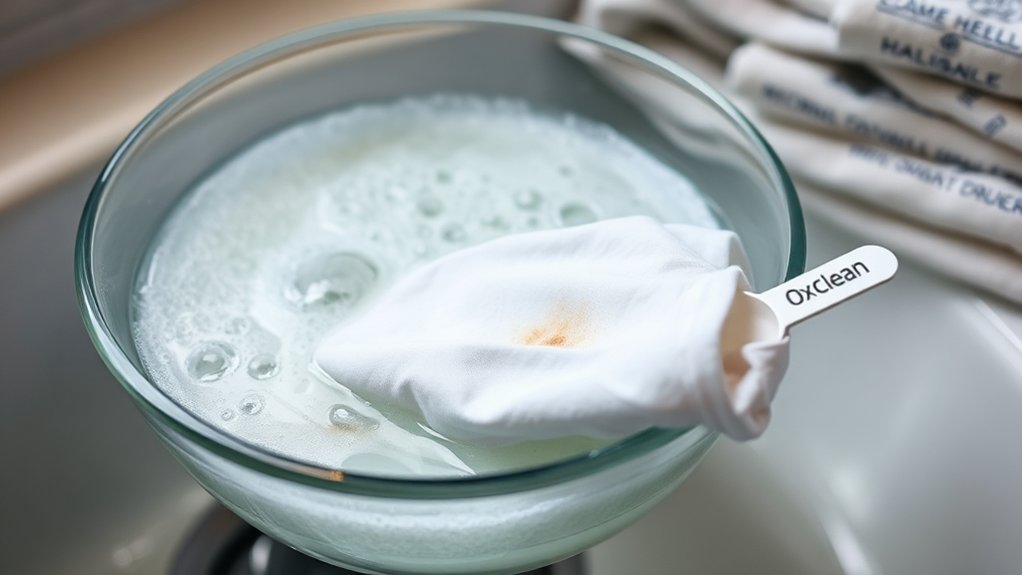
Before you start soaking, take a quick look at the label on your OxiClean product.
It’ll have all the soaking times and instructions you need. Just follow those guidelines to make sure your clothes get treated safely and work effectively.
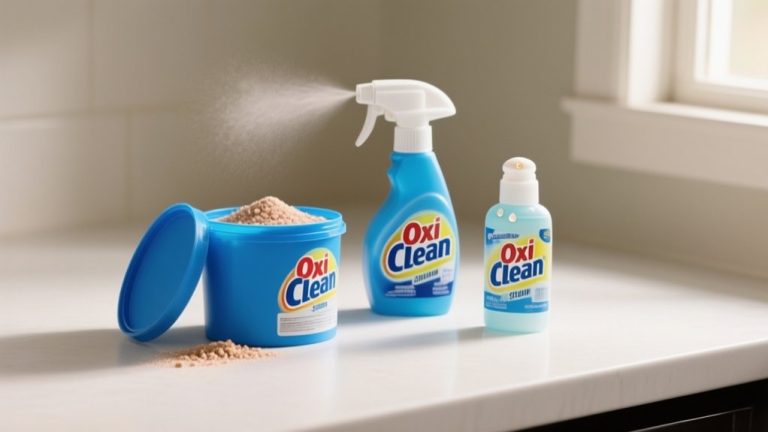
Read the Product Label
Before soaking a stained item, read the OxiClean label for the correct amount, water temperature, and maximum soak time.
Check the package directions for your specific product, since powder, spray, and other formulas may have different instructions.
Match the guidance to the fabric and stain, and follow any warnings before mixing a solution.
The label helps you prepare the soak safely and avoid damaging clothes or surfaces.
Look for these details:
- Product type: Confirm you’re using the directions for your exact OxiClean formula.
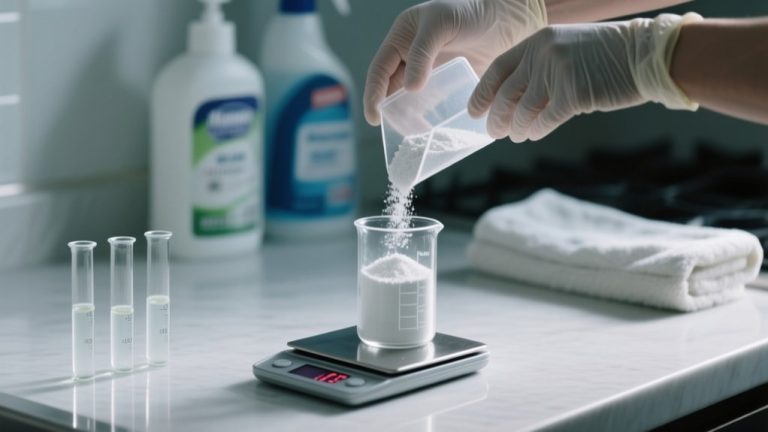
- Amount: Measure the recommended quantity rather than estimating.
- Water temperature: Use the temperature specified for the product and item.
- Fabric cautions: Check whether the material needs a colorfastness test or isn’t suitable for soaking.
If the label is missing or unclear, check the manufacturer’s current directions before proceeding.
Check the Soaking Time
Once you’ve confirmed the right product and soaking setup, find the maximum soak time on its label. Check the directions for your specific OxiClean formula, since recommended times can vary. Look for wording such as “soak for up to” or a stated number of minutes or hours.
Don’t assume that a longer soak will remove more stains safely. If the label doesn’t give a clear time, check the product’s official website or contact the manufacturer before leaving clothes to soak overnight.
Follow any instructions about water temperature, solution strength, and fabric compatibility, too. Set a timer so you can remove and rinse the item promptly.
If you’re treating a delicate or colored garment, test a hidden area first and stop if you notice fading, damage, or other changes. Never exceed the label’s limit.
How Fabric and Color Affect Soaking Time
Fabric type and color determine how long you can safely soak a garment in OxiClean. Delicate fibers and unstable dyes need less exposure than sturdy, colorfast fabrics. Check the care label and consider how the garment might react before choosing a soaking time.
Cotton and polyester: These durable fabrics often tolerate longer soaks, but don’t assume every dye is colorfast.
Wool and silk: Their delicate fibers can weaken or change texture. Avoid extended soaking.
Bright or dark colors: Unstable dyes may bleed or fade, especially with prolonged contact.
White fabrics: They may handle soaking well, but blends, trims, and prints can still discolor.
If you’re unsure about a fabric or dye, treat it as delicate. A shorter soak can reduce the risk of fading, bleeding, or fiber damage while still giving the stain remover time to work.
How to Soak Clothes Safely With Oxiclean
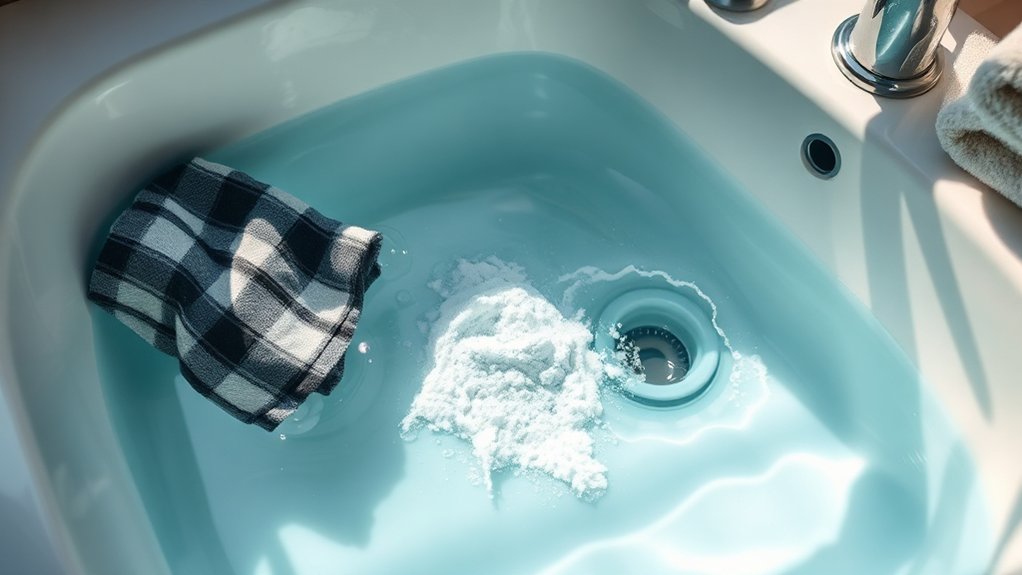
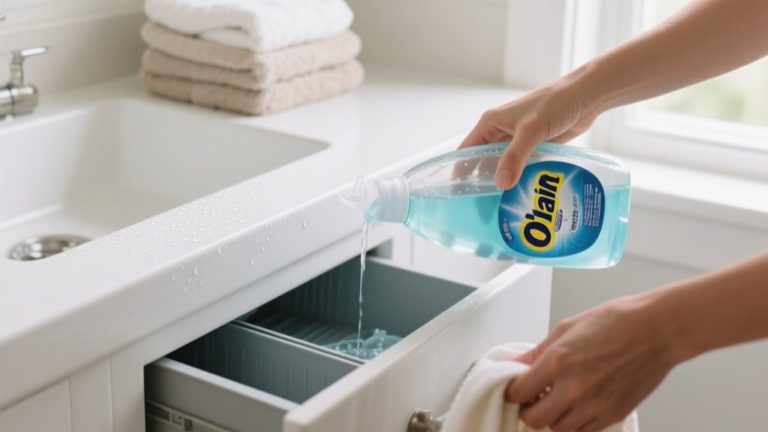
To soak clothes safely with OxiClean, follow the product label and use the recommended amount in water at the listed temperature.
Check each garment’s care label first, and don’t soak items marked dry-clean only or those that shouldn’t be exposed to oxygen bleach. Test a hidden area of colored fabric for colorfastness before treating the whole garment.
Dissolve the powder completely in a clean container, then submerge the clothing so every area gets even contact.
Wear gloves if you have sensitive skin, and avoid breathing dust while measuring. Don’t mix OxiClean with chlorine bleach, ammonia, or other cleaners because combining products can create dangerous reactions.
Keep the solution away from children and pets, and don’t use it in a sealed container.
Set a timer and follow the label’s maximum soaking time. Don’t leave garments soaking overnight unless the label specifically allows it.
How to Rinse and Wash Clothes After Soaking
After the soak, rinse each garment thoroughly with clean water until the solution is gone, then wash it according to its care label and the OxiClean package directions.
Separate colors and fabrics as you normally would, and choose the recommended water temperature. Use your usual laundry detergent; don’t add more stain remover unless the package directs you to.
Sort laundry by color and fabric, use the recommended water temperature, and add your usual detergent without extra stain remover unless directed.
Hold each item under running water, turning it so every area gets rinsed. For a basin, drain the used solution, refill with clean water, and swish garments.
Check seams, cuffs, and thicker fabric for any remaining suds or residue. Transfer rinsed clothes to the washer without leaving them crumpled in the basin.
Select a cycle suitable for the load, then remove garments when the wash ends and follow your usual laundry routine.
Why OxiClean Shouldn’t Dry on Clothes
You definitely don’t want OxiClean to dry on your clothes. When it does, it can cause dye to transfer from one fabric to another, which is a real pain.
Plus, if it stays on too long, it might even start to damage the fibers.
And here’s the kicker—once it dries, it can leave behind a residue that’s tough to get rid of.
Dye Transfer Risk
If OxiClean dries on fabric, its oxygen-based ingredients can leave residue that may affect dyes or transfer color, especially on delicate or non-colorfast garments.
You might notice uneven fading, pale patches, or color bleeding when you leave the solution on too long.
The risk rises with dark, bright, or newly dyed clothing, so check the care label and test a hidden seam first.
Keep the garment wet with the solution only for the time stated on the product label, then rinse it thoroughly.
Don’t let treated clothes sit in a pile against other items; damp dye can migrate between fabrics.
A red shirt may leave pink marks on a white towel.
Dark jeans may develop lighter spots where residue dries.
A bright print may lose color unevenly.
Newly dyed fabric may bleed into nearby garments.
Fabric Damage
Beyond color changes, dried OxiClean residue can stiffen fibers and leave rough, brittle patches, especially on delicate fabrics.
If you let the solution dry on your clothes, its oxygen-based ingredients may continue affecting fibers as moisture evaporates. That can weaken delicate materials, dull their finish, or make them more likely to tear during wear or washing.
You’ll reduce the risk by following the product label, using the recommended dilution, and keeping the fabric wet only for the stated treatment time.
Don’t leave a garment soaking overnight unless its care instructions and the product directions both allow it. Once the treatment time ends, rinse the fabric thoroughly with cool water, then wash it as directed.
Check the garment before drying. Heat can make existing damage harder to reverse.
Residue Buildup
When OxiClean dries on clothes, its ingredients can leave a powdery film that clings to the fibers. If you let the solution sit too long, residue may become harder to rinse away and can leave fabric looking dull or feeling stiff.
You might also notice white marks, especially on dark garments.
Keep the treatment damp, follow the label’s timing, and rinse thoroughly before washing.
You spot chalky streaks across a shirt. Your towel feels rough instead of soft. Dark jeans show pale patches where cleaner dried. A garment smells or feels coated after washing.
If residue remains, rinse the area again with cool water, then launder the item as directed.
Check the fabric before drying; heat can set leftover residue and make removal more difficult.
What to Do if OxiClean Damages Clothes
OxiClean can sometimes cause fading or discoloration, especially on delicate fabrics or after prolonged exposure. If you notice a change, rinse the garment immediately with cool water to remove any remaining product.
OxiClean may fade delicate fabrics or cause discoloration, especially with prolonged exposure. Rinse the garment promptly with cool water.
Don’t rub the area, since friction can worsen damage.
Check the care label, then wash the item separately with a mild detergent and air-dry it. Heat from a dryer may set stains or make discoloration harder to address.
Once the garment dries, assess the damage in natural light. If color has lifted, you can’t restore it with another wash. Consider a fabric dye, color-safe repair product, or professional cleaner.
For valuable clothing, consult a textile-care specialist before trying a fix. Don’t apply bleach or another stain remover, which could cause further harm.
Before using OxiClean again, test it on a hidden area and follow the label’s timing instructions.
Frequently Asked Questions
Can Oxiclean Remove Odors From Clothes?
Yes, OxiClean can help remove odors from clothes by lifting odor-causing residues and stains.
Add the recommended amount of OxiClean to your wash, following the product label and your garment’s care instructions.
For stubborn smells, soak washable items in a solution for the label’s suggested time, then wash as usual.
Don’t use it on wool, silk, leather, or other materials the label excludes.
Check fabric colors for colorfastness before soaking.
Is Oxiclean Safe for Septic Systems?
Yes, you can generally use OxiClean with a septic system when you follow the product label.
Think of your septic tank as a busy garden: helpful bacteria break down waste, and excessive cleaners can disrupt their work.
Use only the recommended amount, avoid dumping concentrated product into drains, and don’t combine it with other chemicals.
If your system is sensitive or your product label warns against septic use, check with a septic professional first.
Can Oxiclean Be Used on Carpet?
Yes, you can use OxiClean on carpet, but choose a product labeled for carpet and follow its directions.
First, test it on a hidden spot to check for colorfastness.
Blot the stain rather than rubbing, and don’t soak the carpet or backing.
Keep children and pets away while you treat the area, then rinse or blot as directed and let it dry completely.
Never mix OxiClean with other cleaners.
Does Oxiclean Expire or Lose Effectiveness?
Yes, OxiClean can lose effectiveness over time, especially after you open it or expose it to moisture and heat.
You’ll get the best results by storing the powder in a tightly sealed container in a cool, dry place.
Check the package for an expiration date or storage guidance. If the powder’s clumped, damp, or no longer dissolves well, replace it.
For liquid OxiClean, follow the label’s shelf-life instructions and discard it if its appearance or smell changes.
Can Oxiclean Be Mixed With Laundry Detergent?
Yes, you can mix OxiClean with laundry detergent in your washing machine.
Add both products according to their package directions, placing OxiClean in the drum or dispenser as directed for your washer.
Don’t mix OxiClean with chlorine bleach, ammonia, or other cleaning products since combinations can create hazards or reduce effectiveness.
For delicate fabrics, check care labels and test a hidden area first.
Use the recommended amount; adding extra won’t necessarily improve cleaning.
Conclusion
You can leave clothes in OxiClean overnight only if your product label allows it; soaking times vary by formula and fabric. Check the instructions, test colors, and keep the solution wet. Don’t let it dry on your clothes.
Rinse and wash thoroughly afterward. Treat the label like a tiny laundry lifeguard: follow its directions, and you’ll avoid turning stain removal into a tragic tie-dye experiment. If fabric fades or weakens, stop soaking and rinse it promptly.