How Much Persil To Use In Top Loader – Dosage Guide
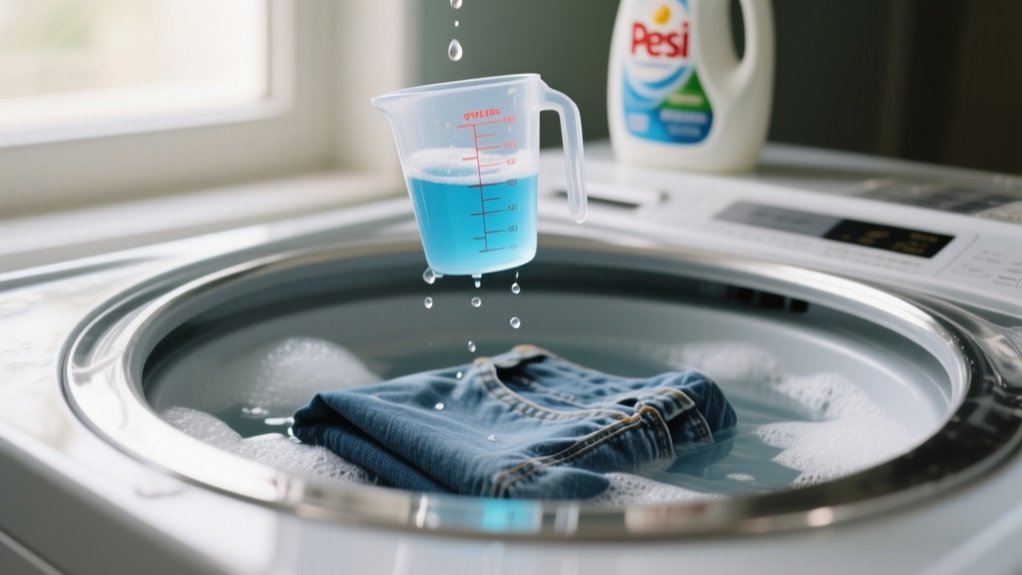
Use the dose marked on your Persil bottle for your top-loader and the size of your load. Choose less for a small or lightly soiled load, and the label’s higher amount for a large or heavily soiled one.
Hard water may call for a slight increase; soft water may need less. Don’t add extra detergent since it can leave residue or create excess suds.
Measure carefully, and find out how to adjust your dose and add Persil correctly below.
How Much Persil Should You Use in a Top Loader?
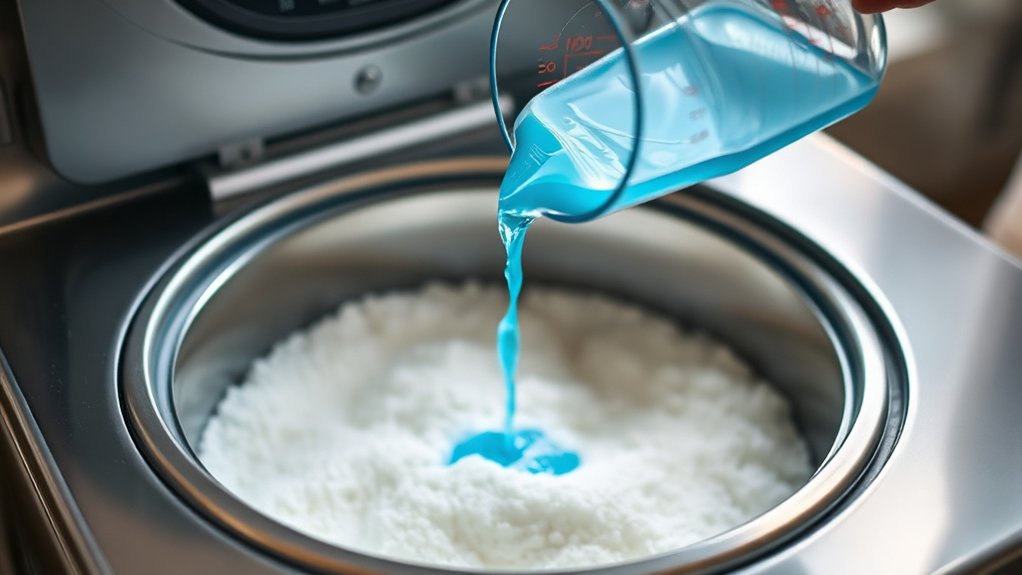
How much Persil you need depends on your washer’s capacity, the load size, and how dirty the clothes are. For a typical top loader, start with the dose Persil recommends for your machine type and load.
Use less for a small or lightly soiled load, and more for a large, heavily soiled one, staying within the product’s stated range.
Your water hardness matters, too. Hard water can reduce cleaning performance, so you may need the higher recommended dose; soft water often calls for less.
Check your local water information or your detergent packaging for guidance.
Don’t add extra detergent just because clothes look dirty. Too much can leave residue, create excess suds, and make rinsing harder.
If your washer has a high-efficiency label, choose Persil marked for HE machines and follow its dosage directions.
How Do You Read the Persil Measuring Cap?
Take a look inside your Persil cap to find the markings.
Then, match the fill level to the size of your load.
And don’t forget to check the Persil label for any specific dosing instructions that might apply.
Find Cap Markings
To read the Persil measuring cap, check the numbered lines or fill marks molded inside it. Hold the cap under good light and look along its inner wall. You may see numbers, short dashes, or raised ridges that indicate different fill levels. These marks can be subtle, so rotate the cap until you can spot them clearly.
Check whether the lines run around the inside or appear as separate marks on one side. If detergent residue obscures them, rinse the cap with warm water and let it dry before looking again.
Don’t assume the cap’s rim is a measurement line; use only the molded indicators. Cap designs can vary by product or region, so compare the markings on your own cap rather than relying on a picture of another bottle.
Match Load Size
Once you’ve found the cap’s markings, use them to measure detergent for your load size. Match the amount to how full your top loader is, rather than filling the cap automatically.
A small load needs less detergent than a large one, so choosing the right line helps you avoid waste and excess suds.
- Small load: Fill the cap only to the lower mark when the drum holds a few items.
- Medium load: Use the middle mark for a typical, moderately filled drum.
- Large load: Measure to the higher mark when you’ve packed in a full load, while leaving room for clothes to move.
Keep the cap level as you pour, and check the liquid against the line at eye level for a more accurate measure.
Check Persil Label
Before measuring, check the Persil label for instructions that match your detergent and washer type. Find the dosage chart on the bottle or package, then identify the amount for a top-loading machine and your load size.
Persil formulas and cap designs vary, so don’t assume one product’s markings apply to another.
To read the measuring cap, look for numbered lines or fill marks inside it. These indicate detergent volume, not necessarily a full dose. Match the label’s recommended amount to the corresponding cap line, and pour carefully at eye level.
If the chart gives milliliters, use the cap’s volume markings when available.
Check whether the directions adjust for heavily soiled clothes, hard water, or larger loads. Follow the product label first; don’t fill the cap automatically. Use less only when the instructions allow it.
How Does Load Size Affect Your Persil Dose?
Your load size determines how much Persil you need: use less for a small load and more for a large one. Match your dose to the amount of laundry in the drum, not just the number of items. A few garments need less detergent than a full load, while a packed drum may need more within the product’s recommended range.
- Small load: Add a reduced dose so you don’t use more detergent than the laundry needs.
- Medium load: Use the standard amount shown on your Persil label as a starting point.
- Large load: Increase the dose according to the label’s guidance, without exceeding its maximum.
Check the detergent cap or measuring marks, and follow the instructions for your specific Persil product and top loader.
How Much Persil Do Heavily Soiled Clothes Need?
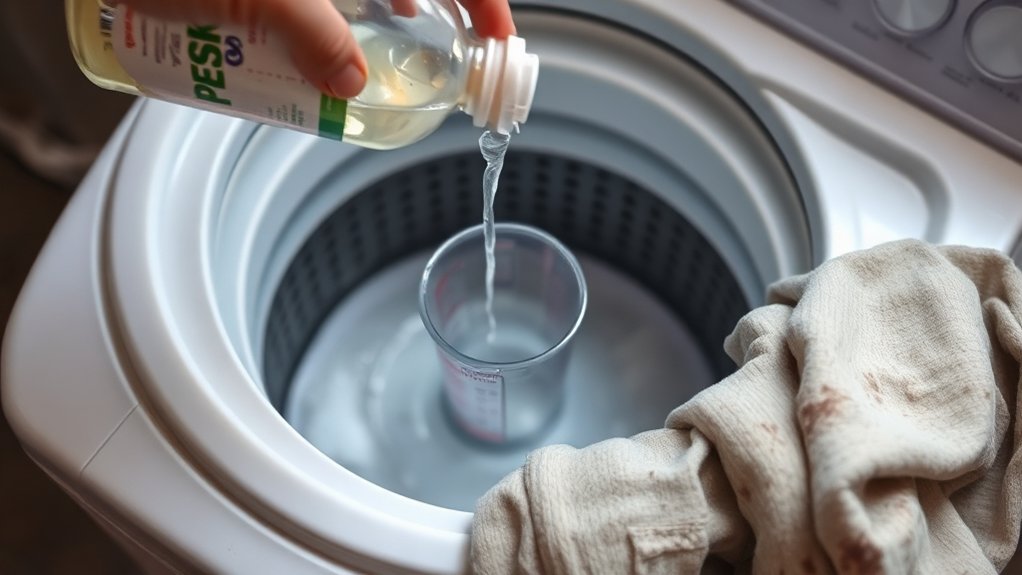
Take a look at how dirty your clothes are before deciding on the amount of Persil to use.
If you have really tough stains or heavily soiled items, you might want to tweak the dose a bit—just follow what the product label suggests.
And don’t forget, pre-treating those stubborn stains can give them a better chance of coming out during the wash.
Assess Soil Level
Heavily soiled clothes need more Persil than lightly worn items, but don’t exceed the dose recommended on the label.
To judge how dirty your load is, look for visible marks, ground-in grime, and strong odors. Consider what you did while wearing each item, too. Work clothes, sportswear, and children’s play clothes often carry more soil than everyday outfits.
Use these clues to assess the load:
- Light soil: You wore clothes briefly, and they’ve no obvious stains or lingering smells.
- Medium soil: You see small spots, sweat marks, or everyday dirt on garments.
- Heavy soil: You notice mud, grease, food stains, or persistent odors across several items.
Check the care labels before washing stained fabrics.
Sorting by soil level helps you choose the right Persil dose for your top loader.
Adjust Persil Dosage
For a heavily soiled load, use the higher dose Persil recommends on its label, based on your top loader’s size and water hardness. Check the detergent’s measuring guide rather than guessing: formulas and cap markings vary.
Use this quick reference to choose your starting point:
| Load condition | Dosage approach |
|---|---|
| Small, heavily soiled load | Label’s higher dose for small loads |
| Large, heavily soiled load | Label’s higher dose for large loads |
| Hard water | Follow label guidance for hard water |
| Soft water | Follow label guidance for soft water |
Don’t automatically add extra detergent beyond the recommended amount. Too much can leave residue on clothes or in your washer, while too little may not clean effectively.
If your load size or water hardness changes, adjust the dose accordingly. Always use the directions for your specific Persil product and machine.
Pre-Treat Tough Stains
Once you’ve measured the right dose for a heavily soiled load, pre-treat stubborn stains before washing. Use the Persil label to choose the amount for your load size and soil level; don’t add extra detergent to compensate for marks. Treating stains directly can help your regular dose work effectively.
- Check the care label and test your chosen stain treatment on a hidden area first.
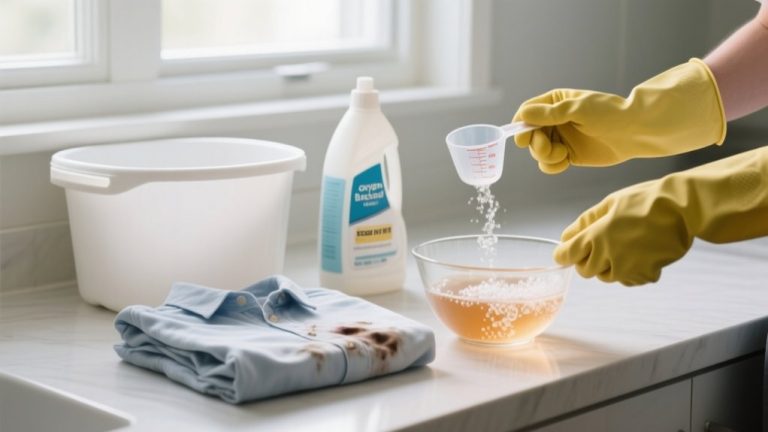
- Apply a small amount of liquid Persil to the stain, or dilute it as the product label directs. Gently work it into the fabric with your fingers.
- Wait for the label’s recommended pretreatment time, then wash promptly in your top loader using the measured dose and suitable cycle.
Don’t let detergent dry on fabric. Check the stain before drying because heat can set remaining marks. Repeat treatment if needed.
How Does Water Hardness Change Your Persil Dose?
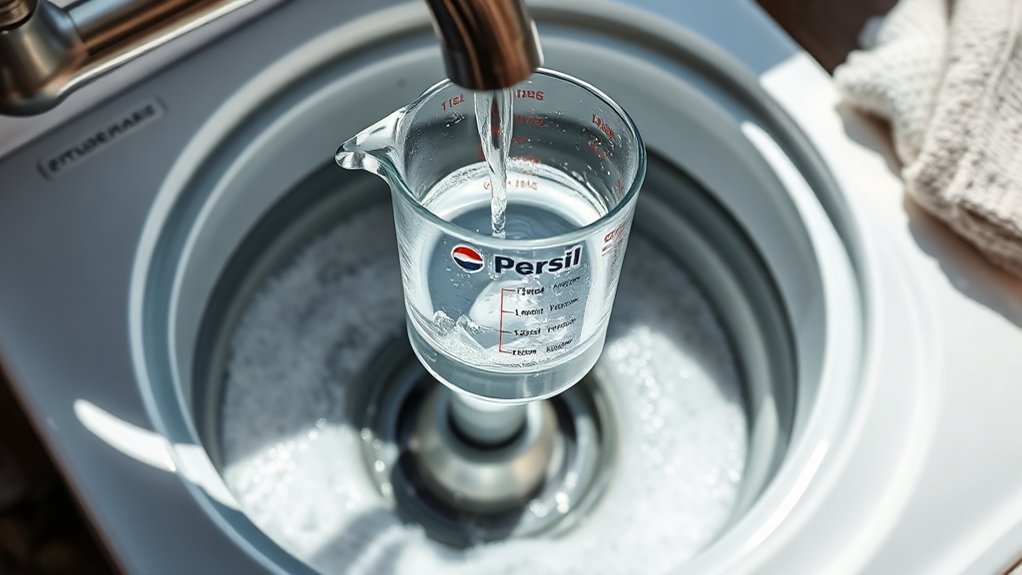
Water hardness can affect how much Persil you need. Hard water may require a slightly higher dose, while soft water often needs less.
Hard water contains minerals that can reduce detergent’s cleaning effectiveness, so you may need to adjust your dose within the range on the Persil label.
Soft water lets detergent work more efficiently; using too much can leave residue on clothes or in your washer.
Check your local water provider’s website or use a home test kit to learn your water’s hardness. Then follow the dosage guidance on your Persil package, adjusting for your water type and load size.
Don’t automatically add extra detergent for hard water. Start with the recommended amount and increase only as directed.
If clothes still look dull or feel stiff, review your dose and washer’s care instructions.
Should You Use Liquid or Powder Persil?
Liquid and powder Persil can both clean effectively, so choose based on your laundry and washer. Your water temperature, stain type, and product preference can help you decide. Check your washer’s manual and the Persil label to confirm compatibility and follow the recommended dose for your load.
- Choose liquid for convenience: It dissolves readily in cool water and can suit mixed loads or greasy stains. You may also prefer it if you want to avoid powder residue.
- Choose powder for value: Powder can be economical for frequent washing and works well in warm or hot cycles. It may be a practical option for general dirt and larger loads.
- Consider your routine: If you wash mostly in cold water, liquid may be the simpler choice. If you prefer powder, check that your washer and cycle support it.
Either form can work; just pick what fits your laundry needs.
How Do You Add Persil to a Top Loader?
To add Persil to a top loader, follow the detergent label and your washer’s instructions.
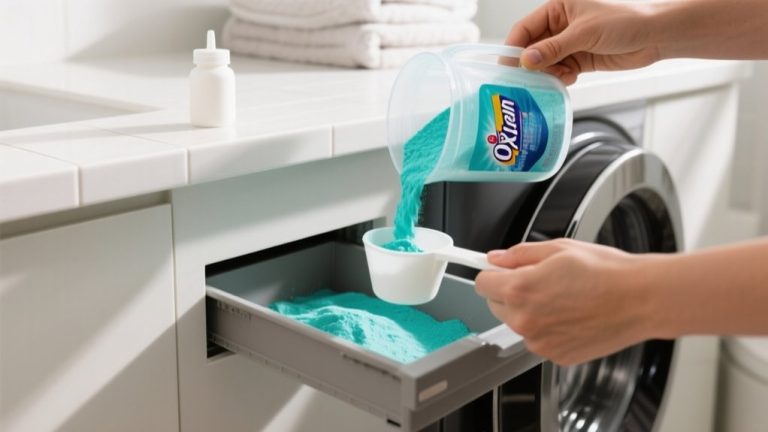
Check whether your machine has a dispenser drawer or requires you to add detergent directly to the drum. For a dispenser, pour the measured Persil into the compartment marked for detergent, not the fabric softener section.
If your washer has no dispenser, add the detergent to the empty drum before loading clothes, unless the manual says otherwise.
For powder, use the designated detergent compartment when available; otherwise, follow the label and washer guidance for adding it to the drum.
Add clothes without packing them tightly, then select your cycle and water temperature.
If your machine has a detergent-specific setting, use it as directed.
Keep Persil sealed and stored safely, away from children and pets.
What If Persil Leaves Residue or Clothes Stay Dirty?
If Persil leaves residue or clothes still look dirty, check whether you used too much detergent, overloaded the washer, or chose a cycle that doesn’t suit the load. A few adjustments can help you get cleaner laundry without wasting detergent.
- Measure carefully. Follow the Persil label for your load size and soil level. Hard water or heavily soiled clothes may need a different dose, but don’t add extra automatically.
- Give clothes room. An overfilled drum restricts water flow and rinsing. Wash bulky items or large loads separately so detergent can reach every garment.
- Choose the right cycle. Match the cycle and water temperature to the fabric and soil. If residue remains, run an extra rinse, then check the dispenser and washer for buildup.
For persistent dirt, pretreat stains before washing and clean your machine regularly.
Frequently Asked Questions
Can Persil Cause Skin Irritation or Allergic Reactions?
Yes, Persil can cause skin irritation or an allergic reaction in some people.
You might notice itching, redness, dryness, or a rash after contact with detergent or clothing that hasn’t been rinsed thoroughly.
Stop using it if symptoms appear, and rinse your skin with plenty of water.
Choose a fragrance-free, sensitive-skin detergent and run an extra rinse.
Seek medical advice for persistent symptoms; get urgent help for swelling or trouble breathing.
Is Persil Safe for Septic Systems?
Yes, Persil is generally considered safe for septic systems when you use it as directed.
Its detergents break down during normal wastewater treatment, and typical laundry use shouldn’t disrupt a properly maintained system.
Don’t pour large amounts directly into drains, and avoid using more detergent than the label recommends.
If your septic system has special requirements, check your system’s guidance or contact a septic professional before changing your laundry routine.
Can You Use Persil to Wash Baby Clothes?
Yes, you can use Persil to wash baby clothes, but check the label and choose a fragrance-free, dye-free formula if your baby has sensitive skin.
Use the recommended amount since excess detergent can leave residue on fabrics.
Wash new clothes before your baby wears them, and consider running an extra rinse cycle.
If irritation develops, stop using the detergent and ask your pediatrician about a suitable alternative for your baby’s laundry.
How Should Persil Be Stored Safely Around Children and Pets?
Store Persil in its original, tightly closed container, high up in a locked cupboard that children and pets can’t reach.
Keep it away from food, heat, and moisture, and never transfer it into a drink bottle or food container.
Wipe up spills promptly, and don’t leave detergent pods where little hands or paws can find them.
Always follow the label’s storage instructions.
If someone swallows detergent or gets it in their eyes, contact poison control or emergency services immediately.
Does Persil Expire, and How Can You Tell?
Yes, Persil can expire, though it may remain usable beyond its recommended date. When you’re checking, look for an expiration or best-before date on the package; not every product displays one.
If the detergent’s changed color, smell, or texture, has separated, or no longer cleans well, it’s past its prime. Don’t let it slide.
Store Persil tightly closed in a cool, dry place, and follow the label’s guidance.
Conclusion
Getting the Persil dose right can feel like a small laundry mystery, but your washer, water, and clothes hold the clues. Check the cap, adjust for load size, soil, and water hardness, then follow your product label.
If you spot residue or lingering dirt, tweak the dose rather than pouring in more blindly. Coincidentally, the same careful measuring that saves detergent can help your clothes come out cleaner.
Your next top-loader load is ready for a fresh start.