What To Do If Your Dog Eats Oxiclean – Safety Steps
If your dog eats OxiClean, move the product out of reach and call your veterinarian or an animal poison-control service right away. Keep the package handy, and share the product name, ingredients, estimated amount, and exposure time.
Gently rinse any residue from your dog’s mouth or paws with water. Don’t induce vomiting or give home remedies unless a professional instructs you. Vomiting could worsen irritation or cause aspiration.
Watch for drooling, vomiting, mouth irritation, or breathing trouble. The steps below explain what to expect.
What Should You Do If Your Dog Eats OxiClean?
If your dog eats OxiClean, act quickly: move the product out of reach, keep the packaging, and call your veterinarian or an animal poison-control service for instructions.
> If your dog eats OxiClean, move it out of reach, keep the packaging, and call your veterinarian or animal poison control promptly.
Tell them your dog’s weight, the product name and ingredients, how much may be missing, and when the exposure happened. Follow their guidance, and don’t wait for symptoms before calling.
Check your dog’s mouth and paws for residue. If you see any, rinse the affected area gently with water while preventing your dog from swallowing more product.
Don’t give food, milk, or medication unless a professional directs you to.
Watch for drooling, vomiting, coughing, mouth irritation, breathing trouble, or unusual behavior, and report any changes promptly.
If your dog has severe symptoms, go to an emergency veterinary clinic and bring the package with you.
Why Shouldn’t You Make Your Dog Vomit?
Don’t try to make your dog vomit after an OxiClean exposure unless a veterinarian or poison-control expert specifically tells you to. OxiClean products can contain irritating or corrosive ingredients, and vomiting may bring them back up through your dog’s throat and mouth. That can worsen burns or irritation and cause painful injury.
Vomiting also creates a risk of aspiration. Your dog could inhale vomit into the lungs, especially if they’re weak, drowsy, or struggling to breathe.
Home remedies such as hydrogen peroxide, salt, or fingers in the throat can cause additional harm. The wrong method or dose may be dangerous.
Don’t give anything to induce vomiting or try other home treatments without professional direction. Keep your dog calm, prevent further access to the product, and follow expert instructions.
Who Should You Call About OxiClean Exposure?
Call your veterinarian or an emergency veterinary clinic as soon as you suspect your dog has eaten OxiClean. Don’t wait for symptoms to appear. Quick professional advice can help protect your dog.
If your regular clinic is closed, call the nearest emergency animal hospital and follow its instructions while you arrange care.
You can also contact an animal poison control service for guidance, especially if you can’t reach a veterinarian right away. These services may charge a fee, but they can help you decide how urgently your dog needs treatment.
Keep these contacts handy:
- Your veterinarian: a familiar voice when you’re frightened.
- An emergency clinic: help when every minute feels heavy.
- Animal poison control: expert guidance when you’re unsure what to do.
If your dog seems seriously unwell, go to an emergency clinic now rather than waiting for a callback.
What OxiClean Details Should You Share?
Be sure to tell the veterinarian the exact OxiClean product name and type because the formulas can vary.
Also, try to estimate how much your dog swallowed and when it happened. If you’re not completely sure, just share your best guess along with any details from the product label.
This info can really help the vet figure out the best way to help your dog.
Product Name And Type
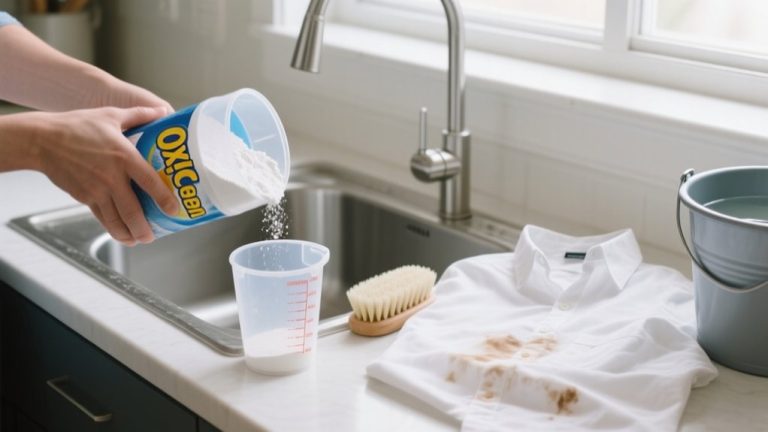
Share the exact OxiClean product name and type with your veterinarian or poison-control specialist, since formulas vary. A clear label can help them assess the risk and choose the right advice for your dog. Check the package, bottle, or product listing; don’t rely on the familiar OxiClean name alone.
- Read the full name: Note whether it’s a stain remover, laundry detergent, spray, powder, or another product.
- Identify the format: Tell them if it’s liquid, powder, gel, or a tablet, and mention any scent or special-use label.
- Share the label: Keep the container nearby or take a photo of its front and ingredient panel. If the package is missing, describe what you remember and say so.
You’re helping professionals act with better information, not guessing alone.
Amount And Time Ingested
Estimate how much OxiClean your dog may have swallowed and when it happened, even if you’re unsure.
Tell your veterinarian or poison-control specialist the estimated amount and the earliest and latest possible times of exposure.
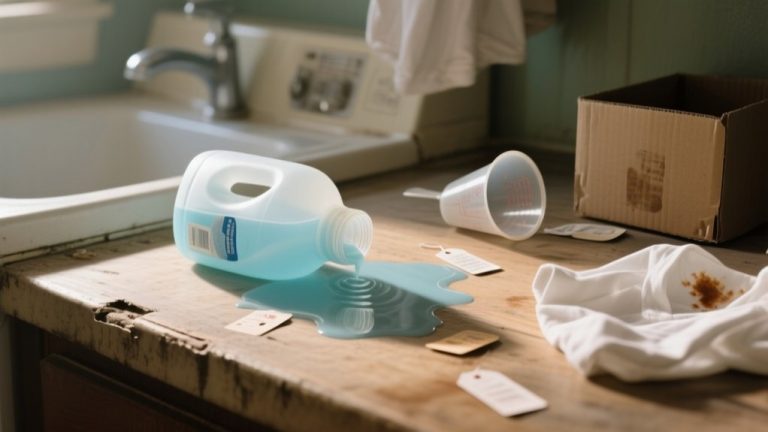
If you didn’t see your dog ingest it, explain when you last saw the product intact and when you found the spill or damaged container.
Check the package to estimate what’s missing.
Share whether your dog licked powder, chewed a pod, drank diluted solution, or ate a container’s contents.
Mention the product’s concentration or dilution, if known, and whether any material remains in your dog’s mouth or on its fur.
Don’t delay calling while you investigate.
A rough estimate is more useful than waiting for certainty, and the amount and timing can help professionals assess risk and recommend next steps.
What Are the Signs of OxiClean Poisoning in Dogs?
If your dog ate OxiClean, keep an eye out for signs like irritation in the mouth or throat.
You might see redness or your dog pawing at their mouth. Sometimes, they could start vomiting or drooling more than usual.
If your dog has trouble breathing or swallowing, that’s really serious.
In that case, don’t wait—contact your veterinarian right away.
Mouth and Throat Irritation
Mouth and throat irritation can be an early sign of OxiClean exposure in dogs, especially if they’ve licked or swallowed the product. The cleaner’s ingredients may irritate delicate tissues, leaving your dog uncomfortable.
Watch for these signs:
- Redness or tenderness: Your dog’s lips, gums, or tongue may look inflamed, and touching the area may cause them to pull away.
- Pawing at the mouth: Repeated rubbing or scratching can signal burning or stinging. You may feel alarmed, but don’t force your dog’s mouth open.
- Difficulty swallowing: Your dog may hesitate to swallow or seem distressed when trying. This can indicate significant irritation and needs prompt veterinary advice.
Move the product away, prevent further contact, and call your veterinarian or a pet poison helpline immediately.
Don’t induce vomiting or apply home remedies unless a professional directs you.
Vomiting and Drooling
After swallowing OxiClean, your dog may vomit or drool more than usual because the product irritates the mouth, throat, or stomach.
You might notice repeated retching, wet fur around the muzzle, or puddles of saliva. Vomit may contain foam or food, but don’t assume that vomiting has removed the danger.
A dog can also feel nauseated, lick their lips, or refuse food. The severity depends on the product, amount, and time since exposure, so watch your dog closely and note when symptoms began.
Call your veterinarian or an animal poison control service promptly, even if signs seem mild.
Keep the package handy so you can share the ingredients and concentration. Don’t induce vomiting or give home remedies unless a veterinary professional directs you.
Seek urgent veterinary care if symptoms persist, worsen, or recur.
Breathing or Swallowing Trouble
Breathing or swallowing trouble after OxiClean exposure can signal serious irritation or swelling in your dog’s mouth, throat, or airway. You may notice these alarming signs:
- Labored breathing: Your dog may pant, wheeze, cough, breathe noisily, or stretch their neck to draw air. Blue or pale gums mean oxygen may be dangerously low.
- Difficulty swallowing: Your dog may gag, retch, drool heavily, paw at their mouth, or refuse food and water. They may seem frightened or unable to swallow.
- Airway distress: Swelling, repeated choking sounds, collapse, or open-mouth breathing can worsen quickly.
Don’t wait to see whether symptoms pass. Move your dog away from the product, avoid inducing vomiting or giving food, and contact an emergency veterinarian immediately.
Bring the OxiClean package or a photo of its ingredients.
How Do Vets Treat OxiClean Exposure in Dogs?
A veterinarian will tailor treatment to your dog’s symptoms, the product involved, and how much was swallowed. Call your vet or an animal poison-control service promptly, and bring the OxiClean package or a photo of its label.
Don’t induce vomiting or give home remedies unless a veterinary professional tells you to; these steps can make irritation or injury worse.
At the clinic, your vet may check your dog’s mouth, breathing, and essential signs, then look for burns, pain, vomiting, or dehydration.
Treatment might include carefully rinsing exposed skin or eyes, pain relief, fluids, and medication to control symptoms.
If your dog has trouble breathing or severe mouth or throat injury, your vet may provide oxygen, protect the airway, or recommend hospitalization.
Follow your vet’s monitoring instructions, since signs can change after exposure.
Frequently Asked Questions
Can Dried Oxiclean Residue on Floors or Fabrics Harm Dogs?
Yes, dried OxiClean residue can harm your dog if they lick or chew treated floors or fabrics.
The risk depends on the product, concentration, and amount swallowed. The residue may irritate your dog’s mouth or stomach.
Rinse surfaces thoroughly and let them dry before allowing access. Wash treated fabrics well.
If your dog licks residue, remove access, check the label, and call your veterinarian or animal poison control for advice, especially if symptoms appear.
How Can I Prevent My Dog From Accessing Oxiclean Products?
The best way to keep your dog safe from OxiClean is to make the cleaning aisle off-limits because your dog doesn’t need a laundry-day adventure.
Store powders, sprays, and pods in a high, locked cabinet, and keep them in their original, sealed containers.
Don’t leave products unattended during use. Close lids and put them away immediately.
Secure laundry rooms and closets with a latch or gate, and clean spills promptly.
Are Oxiclean Laundry Pods More Dangerous Than Powder or Liquid?
Yes, OxiClean laundry pods can pose greater risks than powder or liquid because their concentrated contents may cause severe irritation.
Plus, the pod’s film can burst in your dog’s mouth or throat. However, any form can harm your dog if swallowed or inhaled.
Keep every product secured and follow label directions.
If your dog gets into any OxiClean product, contact your veterinarian or a pet poison helpline promptly.
Don’t induce vomiting unless instructed.
Is It Safe to Use Oxiclean Around Pets After Cleaning?
Yes, you can use OxiClean around pets after cleaning, but keep them away until the area’s fully rinsed and dry.
Follow the product label, ventilate the room, and wipe up any residue or spills.
Don’t let your pet lick treated surfaces, laundry, or containers.
Store the product securely out of reach.
If your pet contacts the cleaner or shows irritation, move them to fresh air and contact your veterinarian or a pet poison hotline promptly.
How Should I Store Oxiclean to Keep Dogs Safe?
Store OxiClean in a tightly sealed, original container, locked in a high cabinet your dog can’t reach.
The ASPCA Animal Poison Control Center handles hundreds of thousands of calls each year, so secure storage matters.
Keep the product dry and away from food, bowls, and treats.
Don’t leave scoops or spilled powder accessible; clean spills promptly.
After using it, close the lid and return the container to storage immediately.
Conclusion
If your dog eats OxiClean, act quickly: move the product away, rinse any residue from their mouth, and call your veterinarian or an animal poison-control service. Don’t induce vomiting or wait for symptoms; the product can irritate or burn tissues, and prompt advice matters.
Keep the package handy so you can share the ingredients and amount involved. Your vet will guide the safest next steps. Think of quick action as a bridge to care, not a substitute for it.