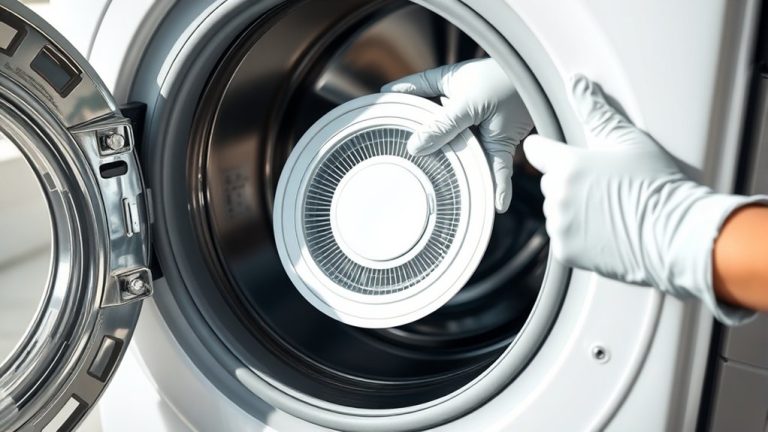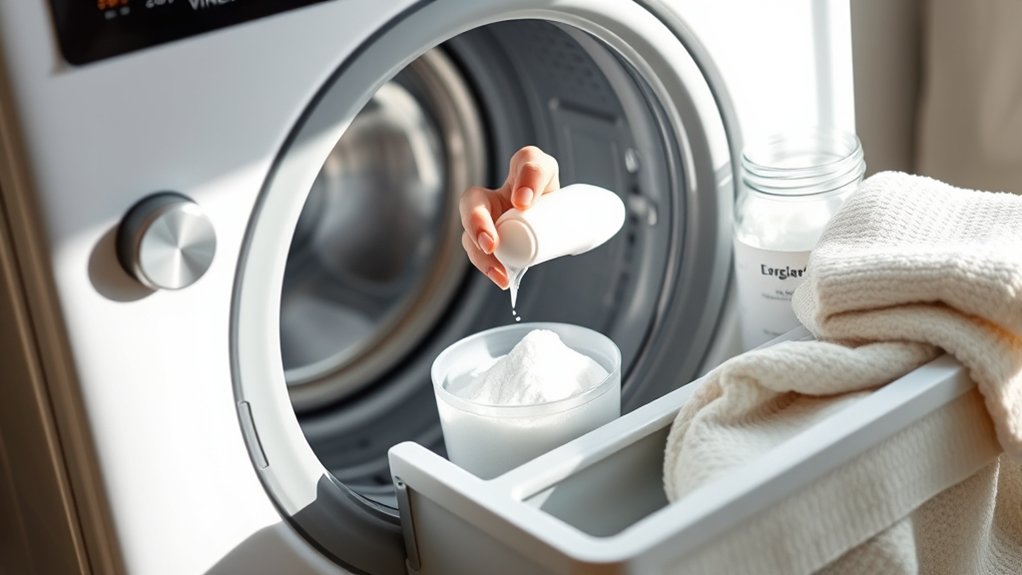
How To Run A Clean Cycle On Washing Machine – Simple Guide
To run a clean cycle, first empty your washer and check the manual for how often to do it. Monthly or every 30 washes is usually ideal. You can use chlorine bleach or distilled white vinegar, adding them to the drum or dispenser depending on your washer type.
Select the longest, hottest cycle for a thorough cleaning. After the cycle finishes, wipe down the seals and dispensers. It’s a good idea to leave the door open afterward to prevent moisture buildup.
Following proper safety practices makes sure the cleaning works well. Keep reading to discover tips on removing odors, cleaning dispensers, and routine care for your washing machine.
How Often Should You Run a Clean Cycle on Your Washer
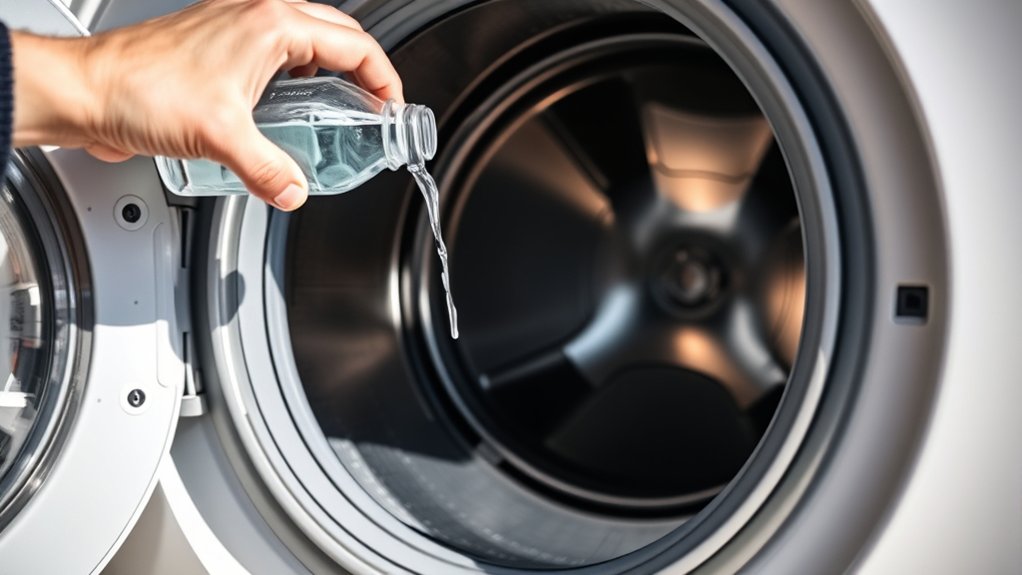
Run a clean cycle on your washer at least once a month or every 30 washes for best results.
This frequency is especially important for front load washers because they tend to develop mold and mildew more easily due to their design.
To keep your washer performing well and smelling fresh, don’t stretch the time between cleanings beyond this. It really makes a difference in preventing odors and buildup.
Always check your owner’s manual for any specific instructions based on your washer’s make and model—some machines might need cleaning more often.
Also, it’s a good idea to run a clean cycle right after washing heavily soiled clothes or loads with severe color bleeding. This helps protect your washer and keeps it running smoothly.
Following these tips ensures your machine works efficiently and your laundry comes out fresh every time.
What Supplies You Need for a Clean Cycle
You’ll want to have some essential cleaning materials on hand, like distilled white vinegar or chlorine bleach. These help disinfect and deodorize your washer effectively.
Grab a measuring cup so you can add just the right amount—usually about one quart—of whichever cleaning agent you choose.
It’s also a good idea to keep some soft cloths nearby for wiping down surfaces once the cycle is done.
And don’t forget to check your owner’s manual for any instructions specific to your model.
Essential Cleaning Materials
Several essential cleaning materials are necessary to run an effective clean cycle on your washing machine. Start by gathering chlorine bleach and distilled white vinegar. Both are proven agents for breaking down residue and disinfecting.
Use a specialized machine cleaner, such as Affresh tablets, to target buildup inside the drum. Always have hot water available during the cycle to maximize cleaning efficiency. A measuring cup is essential for accurate dosing of liquids, preventing damage or ineffective cleaning.
After the cycle, use a soft cloth to wipe down seals and surfaces, removing loosened grime.
It’s a good idea to consult your washer’s owner’s manual before selecting cleaning agents to guarantee compatibility with your model. Proper use of these materials assures a thorough, safe cleaning cycle that extends your machine’s lifespan.
Measuring And Mixing Agents
Two key cleaning agents, chlorine bleach and distilled white vinegar, are essential when preparing a clean cycle for your washing machine.
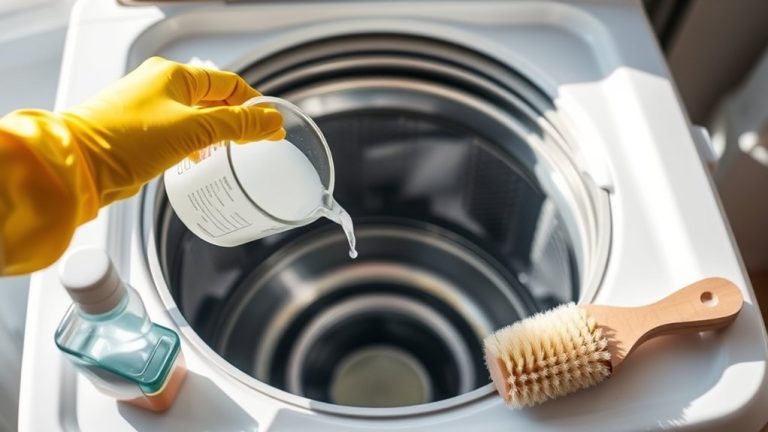
Start by gathering measuring cups to make sure you get the dosing right. For top-loading washers, measure half a cup of chlorine bleach or one quart of distilled white vinegar.
Add these directly to the drum or water reservoir. For front-loading washers, fill the bleach dispenser with half a cup of chlorine bleach and pour one quart of distilled white vinegar directly into the drum.
Always make sure your machine’s drum is empty before adding agents to avoid any damage.
Be sure to follow your washer’s manual for any model-specific instructions. Using precise measurements helps make the cleaning cycle effective and prevents residue buildup or machine wear.
It’s a simple step that keeps your washer running smoothly!
Protective Gear And Tools
Gathering five essential items guarantees a safe and effective clean cycle for your washing machine.
First, put on rubber gloves as protective gear to shield your skin from harsh cleaning agents like bleach or vinegar.
Next, have two microfiber cloths ready: one for wiping down surfaces and another for drying after the cycle completes.
Prepare a shallow basin to catch any water that might spill when you access the filter.
Keep a small scrub brush on hand to clean hard-to-reach areas, especially the filter, guaranteeing thorough debris removal.
Finally, confirm you have white vinegar or a specialized washer cleaner mixed with hot water for effective cleaning.
Using these tools and gear will optimize your washing machine’s maintenance and prolong its lifespan.
It’s pretty simple but makes a big difference!
Safety Tips Before Running a Washer Clean Cycle
Before running a clean cycle, you should always consult your washing machine’s owner’s manual to follow specific safety instructions and recommendations.
Start by guaranteeing the washer is empty of clothes and detergents to prevent interference during cleaning. Always unplug the washer or switch off the power supply to eliminate the risk of electrical shock while working on the machine.
Use only appropriate cleaning agents, such as chlorine bleach or distilled white vinegar, adhering strictly to the manufacturer’s guidelines to avoid harmful chemical reactions.
Store all laundry products safely out of reach of children and pets to prevent accidental ingestion or misuse.
Following these safety steps guarantees a secure and effective clean cycle, protecting both you and your washing machine.
It’s always better to be safe and cautious than sorry!
Getting Your Washer Ready for Cleaning
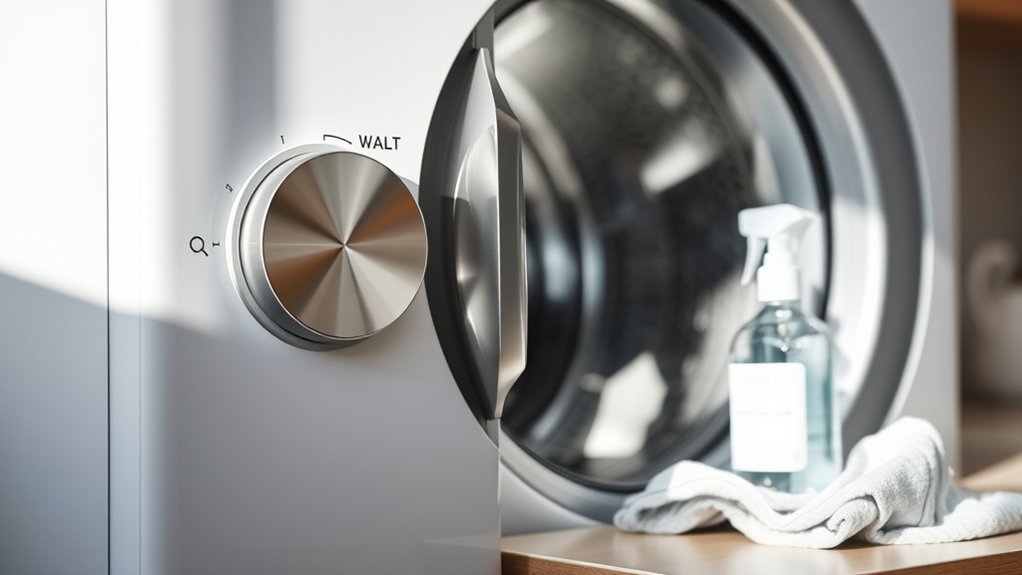
Before you start the clean cycle, make sure the washer drum is completely empty so nothing gets in the way.
You’ll want to gather your cleaning supplies next—things like chlorine bleach or distilled white vinegar work well.
Measure them according to your washer’s guidelines to get the best results.
And if you’re unsure, it’s always a good idea to check your owner’s manual for instructions specific to your model.
That way, you’ll be sure everything goes smoothly.
Prepare Washer Drum
Start by verifying your washer drum is completely empty to prevent damage and allow thorough cleaning. Remove any clothing or items to prepare the washer drum adequately for the clean cycle.
Next, check your owner’s manual for any model-specific instructions. This is especially important if your washer offers a Basket Clean cycle. If it does, go ahead and select it to target the drum effectively.
Add half a cup of chlorine bleach or distilled white vinegar into the detergent dispenser, depending on your cleaning preference.
Then, set your machine to use the hottest water setting to maximize cleaning efficiency.
These steps make sure your washer drum is properly prepared. This helps the clean cycle eliminate residue, bacteria, and odors, keeping your machine running well and smelling fresh.
Gather Cleaning Supplies
You’ll need five essential items to prepare your washing machine for a clean cycle: distilled white vinegar or chlorine bleach, a measuring cup, a soft cloth, rubber gloves, and a shallow basin to catch water when cleaning the filter.
Start by gathering these cleaning supplies along with microfiber cloths, one for wiping surfaces and another for drying.
Check your washer’s owner’s manual to see which cleaning agent, vinegar or bleach, works best with your model. Use rubber gloves to protect your skin during the process. The shallow basin will catch any water released when you remove and clean the filter.
Also, have a small scrub brush ready to tackle stubborn buildup in hard-to-reach areas like dispenser drawers and the filter housing.
Getting everything ready like this guarantees an effective clean cycle and helps keep your washer running smoothly.
Running a Clean Cycle on Top-Loading Washers
To run a clean cycle on your top-loading washer, make sure the drum is completely empty with no laundry or detergent residue.
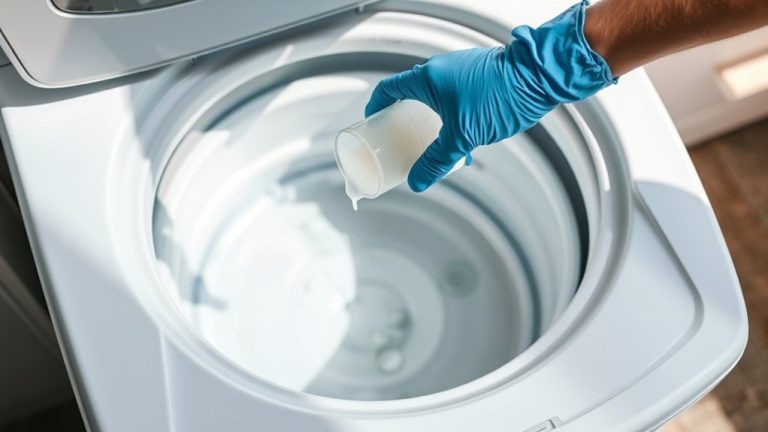
Begin by filling the drum with hot water, then add one quart of chlorine bleach to disinfect and remove mold. Choose the longest, hottest clean cycle available to maximize effectiveness.
Once that’s done, pour one quart of distilled white vinegar into the drum and run the cycle again to deodorize and further clean your washing machine.
Doing this monthly helps keep your washer working at its best and prevents odors from building up.
Make sure drum is empty before cleaning
Use hot water for effective bleach action
Add one quart of chlorine bleach to disinfect
Run the longest, hottest clean cycle
Follow with vinegar cycle to deodorize and clean
Running a Clean Cycle on Front-Loading Washers
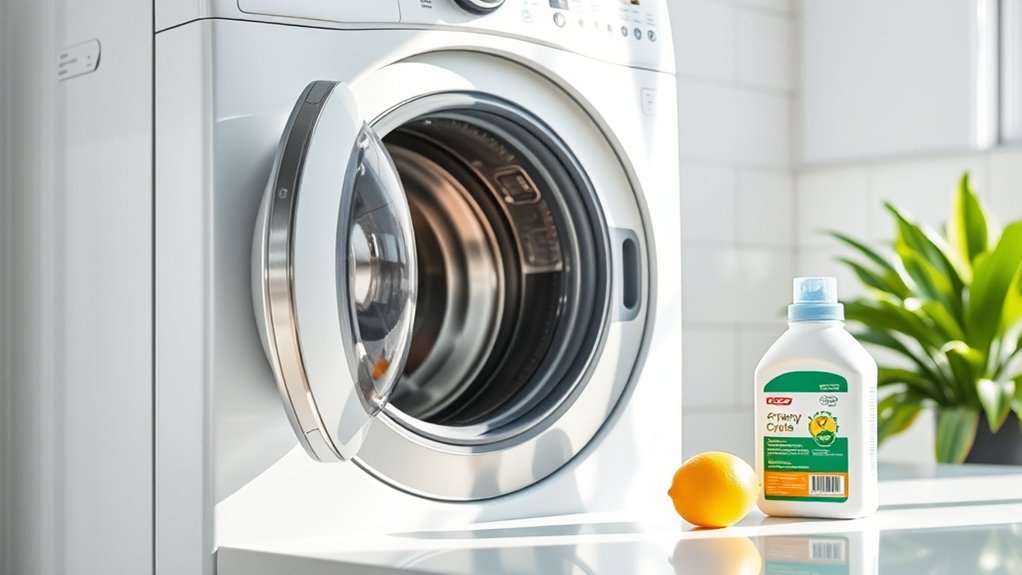
While top-loading washers require filling the drum with hot water and bleach, front-loading machines call for a different approach.
To run a clean cycle on front-loading washing machines, first verify the drum is completely empty. Add half a cup of chlorine bleach into the detergent dispenser, then select a normal cycle with warm water.
This method effectively eliminates residue, mold, and mildew inside the drum. After the cycle completes, thoroughly wipe down the door seals and gasket to remove any lingering moisture that promotes mold growth.
If odors persist, repeat the process using one quart of distilled white vinegar in a separate cycle.
Try to perform this clean washer routine monthly to keep your machine running at its best. It helps prevent mildew buildup, keeping your front-loading washing machine hygienic and efficient. A little regular care goes a long way!
Cleaning Washer Dispensers During the Clean Cycle
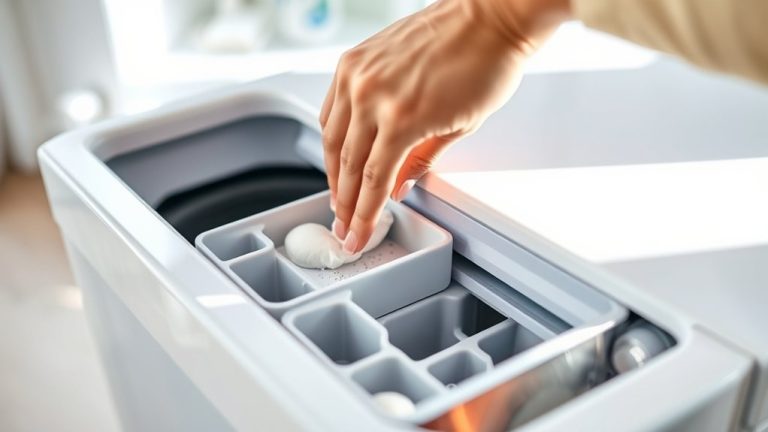
Start by heating distilled white vinegar or hydrogen peroxide before the clean cycle. This helps effectively break down dirt and residue in the washer dispensers.
Make sure the drum is empty and pour the heated solution into the dispenser drawer compartments. Let it sit briefly to soften the buildup.
When you’re cleaning your washing machine, keep the washer door open after the cycle. This allows drying and helps prevent moisture accumulation.
Focus on the dispenser drawer for regular cleaning every 30 days to keep your washer performing at its best.
Here are the key steps to clean washer dispensers during the clean cycle:
- Use heated vinegar or hydrogen peroxide to dissolve residue
- Run the clean cycle with an empty drum
- Pour the solution directly into the dispenser compartments
- Rinse dispensers thoroughly after the cycle
- Leave the washer door open to dry and prevent mold
Following these steps guarantees a thorough cleaning of the dispenser drawer and helps prolong your washer’s life.
How to Get Rid of Stubborn Washer Odors
Maintaining clean washer dispensers sets the stage for tackling more persistent issues like stubborn odors. To eliminate washer odors, run a clean washing cycle with one quart of distilled white vinegar or bleach on the hottest setting. Make sure the drum is empty before you start.
Add a quarter cup of baking soda mixed with water to the detergent dispenser to neutralize odors. It’s a simple trick that really helps freshen things up. Don’t forget to clean the door seal regularly with a vinegar and warm water solution. This prevents mold buildup and keeps everything smelling fresh.
After you use your washer, leave the door open for airflow. This helps moisture escape and stops smells from settling in. Also, check the drain hose to avoid water backflow, which can cause odors over time.
| Task | Solution | Frequency |
|---|---|---|
| Clean washing cycle | Vinegar or bleach, hot setting | Monthly |
| Neutralize odors | Baking soda and water mixture | Each wash |
| Clean the door seal | Vinegar and warm water | Weekly |
| Air circulation | Leave door open | After each use |
Routine Maintenance Tips to Keep Your Washer Fresh
Because regular upkeep prevents buildup and odors, you should perform routine cleaning of your washing machine at least once a month or every 30 cycles.
To clean a washing machine effectively, focus on areas prone to residue and moisture. Prioritize front-load washers by wiping the rubber door seal to prevent mold and mildew.
Focus on residue-prone areas, especially the rubber door seal in front-load washers, to prevent mold and mildew buildup.
Always leave the door open after cycles to enhance airflow and minimize dampness. Incorporate these routine cleaning steps:
- Run a cleaning cycle using hot water with bleach or distilled white vinegar.
- Wipe down the rubber door seal and gaskets thoroughly.
- Leave the door open after use to allow ventilation.
- Clean detergent dispensers monthly to prevent clogs.
- Inspect and remove any lint or debris from the drum and filter.
Following these tips will keep your washer fresh and maintain peak performance.
It’s a simple way to make sure your machine lasts longer and works better every time.
Fixing Common Problems During Washer Clean Cycles
If your washing machine fails to start the clean cycle, first verify that the door is fully closed and latched. Most models won’t operate otherwise. If the door is open, the machine won’t proceed with cleaning instructions.
Should an error code appear during the clean cycle, check your user manual right away to figure out the problem and how to fix it. If the cycle gets interrupted, just restart it from the beginning to make sure the cleaning is effective.
If you still notice odors after cleaning, try running an extra cycle using distilled white vinegar or a washer cleaner.
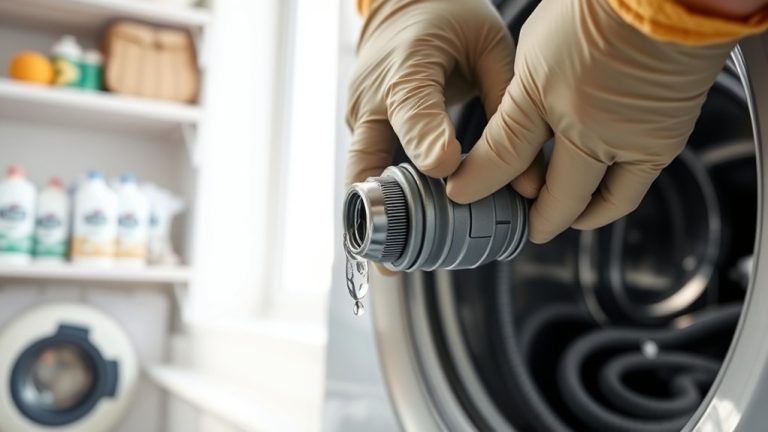
Also, don’t forget to regularly check and clear the drain hose. Blockages there can mess up the clean cycle and cause odors or drainage issues.
Following these steps will help your washer run smoothly and keep it fresh during cleaning.
Frequently Asked Questions
Can I Use Bleach Instead of Vinegar for the Clean Cycle?
Yes, you can use bleach instead of vinegar as a cleaning agent during your washing machine’s clean cycle.
Bleach alternatives like vinegar are effective, but bleach offers deeper disinfection.
Always follow safety precautions: never mix bleach with vinegar because it creates toxic gas.
Use bleach sparingly and stick to the recommended cleaning frequency.
Also, confirm your machine compatibility.
Top and front loaders handle bleach differently.
This helps keep your washer sanitized without causing damage.
Will Running a Clean Cycle Save Energy and Water?
Yes, running a clean cycle improves energy efficiency by preventing residue buildup that forces your machine to work harder. This means you save energy in the long run.
It also helps with water conservation by ensuring ideal drainage. That way, your washer doesn’t use more water than it needs during washes.
These maintenance benefits extend your washer’s lifespan and reduce odors.
Plus, regular clean cycles help you save money by lowering utility bills and minimizing repair needs.
All in all, it makes your washing machine more efficient and economical to run.
How Long Does a Typical Washing Machine Clean Cycle Last?
Think of your washing machine’s clean cycle as a revitalizing change of pace for your appliance. Typically, it lasts between 30 to 60 minutes, depending on your model and settings.
Front-loaders usually take around 45 minutes, while top-loaders may range up to an hour.
To get the best out of your clean cycle and keep your washing machine in good shape, make sure to follow the cleaning frequency and detergent usage tips in your manual.
Doing this helps guarantee your machine runs at peak performance and lasts longer.
Can I Add Fabric Softener During a Clean Cycle?
You shouldn’t add fabric softener during a clean cycle because it can leave residue and hinder detergent residue removal.
Instead, try using fabric softener alternatives like distilled white vinegar or chlorine bleach to get the most out of your clean cycle. These options help keep your washing machine in good shape by effectively eliminating buildup and odors.
Always follow your machine’s guidelines to make sure it runs at peak performance and lasts longer.
Save fabric softener for regular wash cycles only. It just works better that way!
Is It Necessary to Clean the Washing Machine Filter Regularly?
No, you don’t *have* to clean your washing machine filter if you enjoy mystery odors, poor drainage, and clothes that look like abstract art.
For real, follow filter maintenance tips: check every few months, or more if you wash heavily soiled items.
Avoid common filter issues like clogs by sticking to cleaning frequency recommendations.
The benefits of cleaning include better performance, fewer odors, and a longer-lasting machine.
Don’t skip it!
Conclusion
By regularly running a clean cycle, you’re giving your washer the gentle refresh it deserves. This helps extend its efficiency and lifespan.
With the right supplies and safety checks, you’ll easily maintain a hygienic environment that keeps odors and buildup at bay.
Remember, a little routine care goes a long way in preventing common hiccups. It ensures your machine performs at its peak, ready to tackle every load with reliable precision and quiet confidence.