How To Get Blood Out Of Sheets Oxiclean – Easy Method
To get blood out of sheets with OxiClean, rinse fresh stains from the back with cold water, keeping the fabric damp. For dried blood, flush the spot with cold water first.
Mix OxiClean according to its label, dissolve it fully, and soak the sheets for the recommended time. Wash with detergent in cold water, then check the stain while the sheets are damp.
Don’t use a dryer until the mark is gone. The steps below cover key precautions.
How to Get Blood Out of Sheets With OxiClean
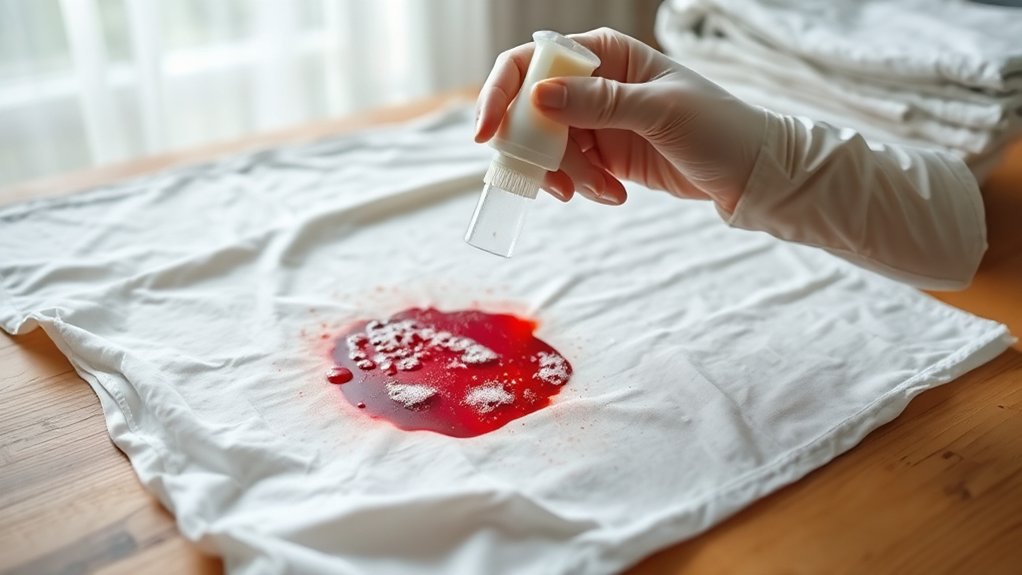
OxiClean can help lift blood stains from sheets, but use it only if the care label allows oxygen bleach. Check the product directions and test a hidden spot first, especially on colored fabric.
OxiClean may lift blood stains from sheets; check the care label, follow product directions, and test a hidden spot first.
Don’t use oxygen bleach on wool, silk, or other materials the label excludes.
Mix the recommended amount of OxiClean with water, following the package instructions. Apply the solution to the stained area or soak the sheet as directed.
Let it work for the time listed on the label; don’t leave the fabric soaking longer than recommended.
Then wash the sheet with laundry detergent, using the warmest water allowed by its care label.
Before drying, inspect the stain. If you can still see it, repeat the treatment and wash again.
Avoid the dryer until the stain is gone, since heat can set remaining discoloration.
Rinse Fresh Blood Stains With Cold Water
If the blood is fresh, go ahead and rinse the stain with cold water as soon as you can.
Hold the sheet so the stain is facing down—this way, the water will flush the blood out from behind.
Just make sure not to use hot water, because that can actually set the stain.
Use Cold Water
Rinse fresh blood from the back of the sheet under cold running water as soon as possible.
Keep the water cool because heat can set blood proteins into the fabric and make the stain harder to remove. Let the stream carry away as much blood as it can, and avoid rubbing since it may spread the mark or push it deeper into the fibers.
If you can’t rinse the sheet immediately, keep the stained area damp with cold water until you’re ready to treat it.
Act quickly: Fresh stains usually lift more easily than dried ones.
Use a gentle flow: A steady stream helps flush blood without rough handling.
Check the fabric: Follow its care label, especially for delicate materials.
Once the visible blood has rinsed away, you can move on to a suitable stain treatment.
Rinse From Behind
As soon as you spot fresh blood, hold the stained area under cold running water from the back of the sheet. This lets the stream push blood out through the fabric instead of driving it deeper into the fibers.
Keep the stain facing down, and let the water flow through the affected spot until it runs mostly clear. If you can’t hold the sheet under a tap, stretch the stained section over a basin and pour cold water through it from behind.
Don’t rub or twist the material; gentle rinsing helps protect the weave and keeps the stain from spreading.
Check the front occasionally to see whether the mark is fading.
Once the rinse has removed as much blood as possible, move on to the next cleaning step while the stain is still fresh.
Avoid Hot Water
Use cold water on fresh blood stains because heat can set the proteins in blood, making the mark harder to remove.
After rinsing from behind, keep the sheet under a gentle stream of cold water until the stain begins to lift.
Don’t use hot water, even if you’re in a hurry; it can make cleanup much harder.
Check the water temperature with your hand before rinsing. It should feel cool, not warm.
Blot loosened blood with a clean cloth.
Don’t rub, since friction can spread the stain through the fabric.
Repeat the cold-water rinse before applying OxiClean or another stain treatment.
Follow the product label, and don’t put the sheet in the dryer until the stain is gone.
If the mark remains, treat it again rather than reaching for heat.
You’ll protect the fibers and improve your chances of removing it completely.
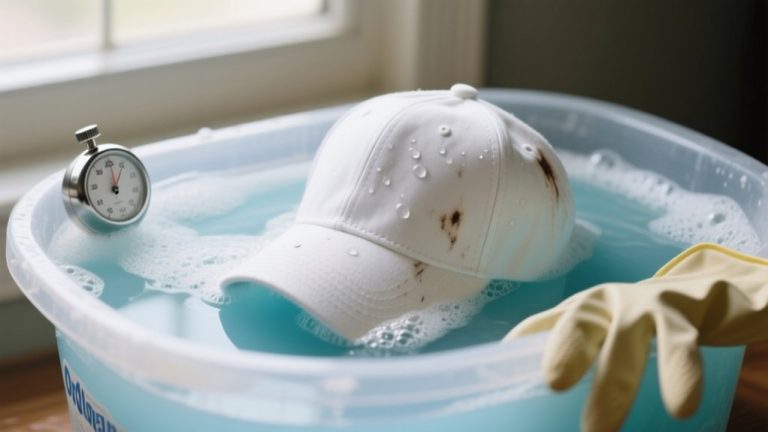
Soak Sheets in an OxiClean Solution
Mix OxiClean with water as the package says.
Then, soak your sheets safely by following the label’s instructions on how long and at what temperature.
Before you wash them, make sure the stain has disappeared.
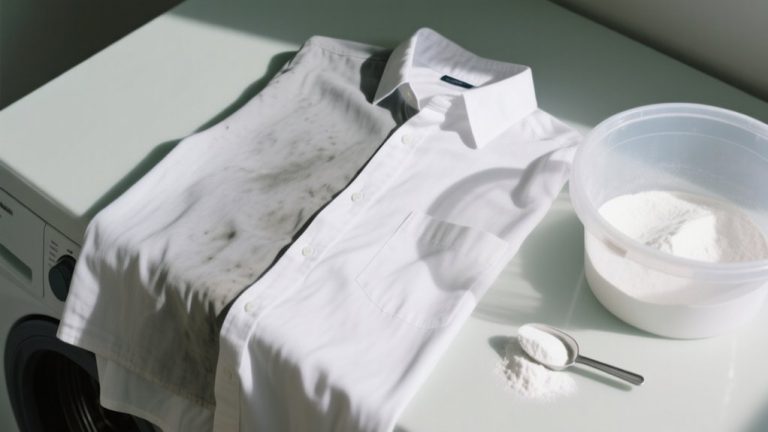
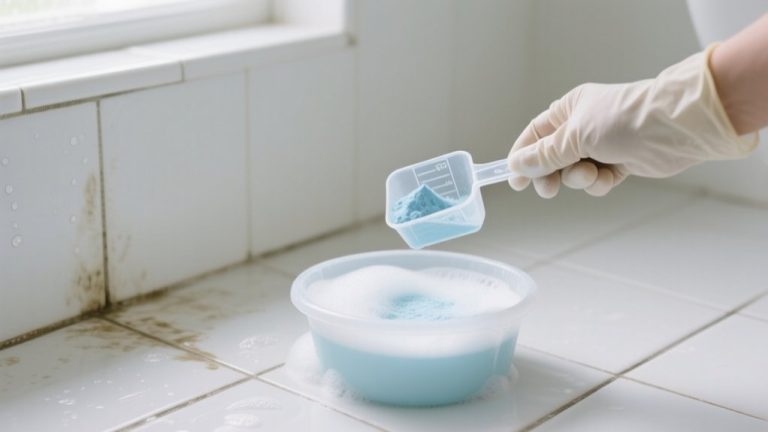
Prepare the OxiClean Solution
For a blood-stained sheet, an OxiClean soak can help lift stubborn marks before washing.
First, check the product label for the correct amount and confirm it’s suitable for your sheet’s fabric and color. Use a clean basin or tub, and measure the powder carefully rather than guessing.
Fill the container with the water temperature specified on the package. Hot water can set blood stains. Add the recommended OxiClean amount, then stir until the powder dissolves fully.
Make enough solution to cover the sheet without crowding it, so the cleaner can reach the stained areas. Don’t mix OxiClean with chlorine bleach or other cleaners.
If you’re treating colored sheets, test the solution on a hidden spot first and check for color change.
Once the mixture is ready, you can move on to soaking.
Soak Sheets Safely
Once the OxiClean solution is ready, submerge the sheet and gently press it down until the stained areas are fully covered. Wear gloves if you have sensitive skin, and use a clean utensil to move the fabric through the water. Don’t splash the solution or breathe in its dust while handling the product.
Keep the sheet loosely arranged so the solution can reach every stained section; avoid packing it tightly into the container. Follow the product label’s soaking directions, including the recommended amount of OxiClean, water temperature, and maximum soak time.
Don’t leave the sheet soaking longer than directed, and keep the container away from children and pets. If the fabric’s care label warns against oxygen bleach, stop and choose a suitable alternative.
When the soak is complete, lift the sheet carefully and let excess solution drain.
Check Before Washing
Before washing, check the sheet for lingering discoloration and inspect its care label for any warnings.
After soaking the fabric in an OxiClean solution, lift it from the basin and examine the stained area in bright light. Don’t put the sheet in the dryer until the blood is gone; heat can set remaining stains.
Look closely: Check both sides of the fabric, since blood may seep through and leave a faint mark underneath.
Rinse thoroughly: Flush the area with cool water to remove loosened blood and OxiClean residue before laundering.
Repeat if needed: If discoloration remains, soak the sheet again according to the product label, then inspect it once more.
Follow the care label’s temperature and washing instructions.
When the stain disappears, wash the sheet as directed and air-dry it first.
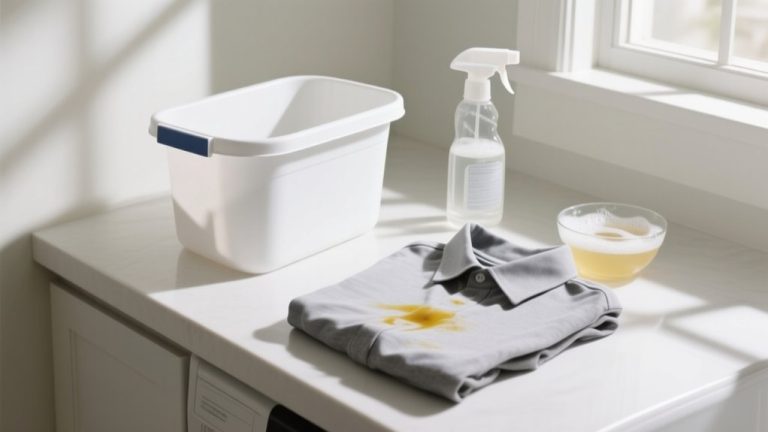
Treat Dried Blood Stains Before Washing
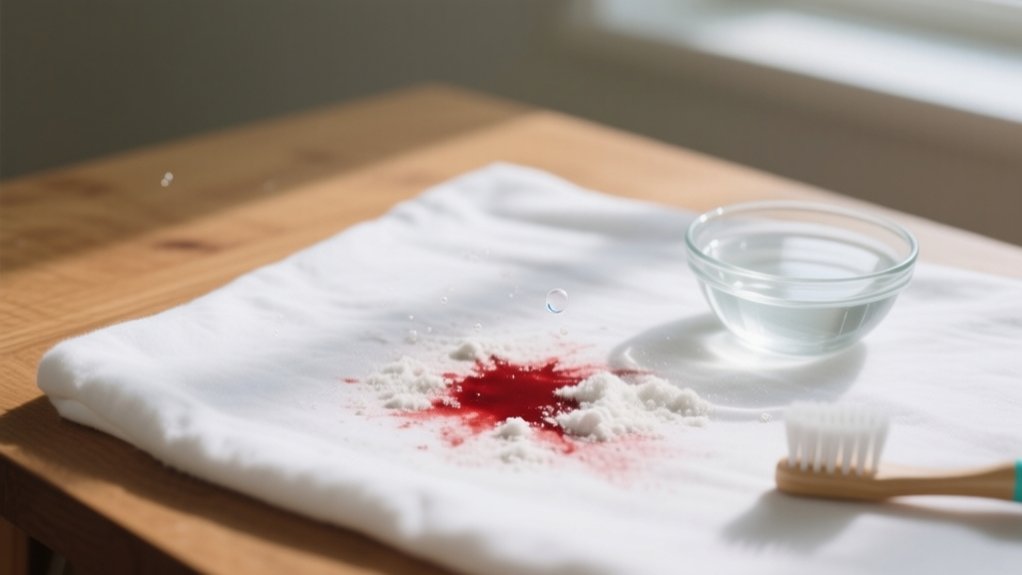
Dried blood needs extra attention because it has had time to bond with the sheet fibers. Before washing, take the sheet to a sink and rinse the stain from the back with cold water. This helps push blood out of the fabric instead of deeper into it. Don’t use hot water, which can set the stain further.
If residue remains, mix OxiClean according to the package directions, using a solution suitable for your sheet’s fabric and color. Soak the stained area for the time listed on the label, and avoid leaving it longer than recommended.
For a small spot, apply the prepared solution with a clean cloth, then gently blot. Don’t rub, since friction can spread the stain or damage fibers. Keep the treatment away from children and pets, and wear gloves if your skin is sensitive.
Wash Sheets and Check Before Drying
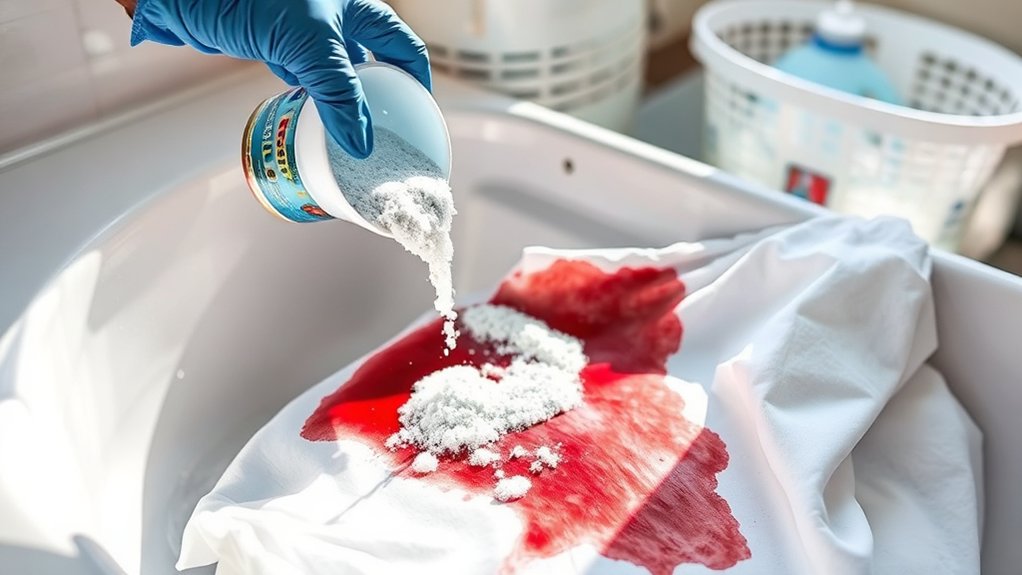
After treating the stain, wash the sheets with your usual detergent in cold water, following the care label.
Use a regular cycle so water and detergent can move through the fabric and lift loosened blood. Don’t add more stain remover unless its directions call for it.
When the wash ends, inspect the stained area in good light before you put the sheets in the dryer.
If you still see a mark, repeat the stain treatment and wash again. A remaining trace may be harder to remove after drying.
Check both sides of the fabric, since blood can pass through to the underside.
Compare the spot with the surrounding fabric to catch faint discoloration.
Keep the sheets damp while you decide whether another treatment is needed.
A careful check now helps you avoid setting a stain you could still remove.
Check Sheet Care Labels and Avoid Heat
Check the care label before treating or washing your sheets, since heat and cleaning methods can damage some fabrics. Follow its water-temperature, bleach, and drying instructions. If the label permits oxygen bleach, use OxiClean as directed; test it on a hidden spot first. When the label is missing, choose cool water and a gentle cycle.
| Label guidance | What you should do | Avoid |
|---|---|---|
| Cold wash | Use cool water | Hot wash |
| Oxygen bleach allowed | Follow product directions | Overdosing |
| No bleach | Use detergent only | OxiClean |
| Tumble dry low | Choose low heat | High heat |
| Dry clean only | Consult a cleaner | Home washing |
Heat can set blood stains, making them harder to remove. After washing, inspect the sheet while it’s damp. If you still see a mark, repeat treatment and washing before drying.
Frequently Asked Questions
Is Oxiclean Safe for Colored Sheets?
Yes, OxiClean is generally safe for colored sheets when you follow the product label, but you should test it first.
Mix the solution as directed, then apply a small amount to a hidden area and check for fading or color transfer.
Don’t use it on wool, silk, or other materials the label excludes.
Avoid pouring concentrated product directly onto fabric, and rinse sheets thoroughly after treatment.
Stop if you notice any color change.
Can Oxiclean Damage Delicate Fabrics Like Silk?
Yes, OxiClean can damage delicate fabrics like silk, so don’t use it on them. Silk’s fibers are fragile, and oxygen-based cleaners may weaken, discolor, or dull the fabric.
Treat silk like a delicate flower: check its care label and avoid bleach or stain removers unless the manufacturer specifically approves them.
For a stain, blot gently with cool water and a silk-safe detergent, or take the item to a professional cleaner. Don’t scrub or soak it.
Is Oxiclean Safe to Use Around Pets?
OxiClean can be safe around pets when you use it exactly as directed, but keep your animals away during mixing, application, and cleanup.
Don’t let pets lick the product, treated surfaces, or wet laundry.
Store the powder and solution securely out of reach, and ventilate the area.
Wait until surfaces are fully rinsed and dry before allowing pets back.
If your pet ingests OxiClean, contact a veterinarian or poison-control service promptly.
Can I Combine Oxiclean With Other Laundry Products?
Yes, but don’t turn your laundry room into a chemistry lab. You can use OxiClean with many detergents, but follow both labels and measure as directed.
Never mix it with chlorine bleach, ammonia, or other cleaners unless the product label explicitly says it’s safe; dangerous reactions can result.
For stain removers or fabric softeners, check compatibility and add each product as instructed.
When uncertain, use OxiClean and detergent separately, and keep products away from children and pets.
How Should I Store Leftover Oxiclean Solution?
Store leftover OxiClean solution only briefly in a clean, labeled container with a loose-fitting lid, away from children, pets, heat, and sunlight.
Don’t seal it tightly, since oxygen-releasing cleaner can build pressure.
For best results, use the solution soon because it loses effectiveness over time.
Check your product label for specific storage guidance, and never mix it with other cleaners.
If you can’t use it promptly, discard it according to the label’s directions.
Conclusion
Getting blood out of sheets with OxiClean is simple when you act promptly and use cold water. Rinse fresh stains, soak the fabric in a solution mixed according to the product label, and pretreat dried spots before washing.
Check your sheets’ care labels, and inspect the stains before drying. Heat can set any remaining blood like ink on paper. If you still see a mark, repeat the treatment rather than putting the sheets in the dryer.