Is Oxiclean Worth It – The Truth
OxiClean is worth it if you regularly tackle grass, food, or sweat stains on washable fabrics. Its oxygen-based formula can loosen stains and brighten laundry, especially when you pretreat promptly or soak items as directed.
You may need repeat treatments for older stains, and it won’t remove every dye, ink, or oil mark. It also doesn’t disinfect or kill germs. Check care labels and compare cost per ounce; the right product and a few usage tips can help you decide.
Is OxiClean Worth the Price?
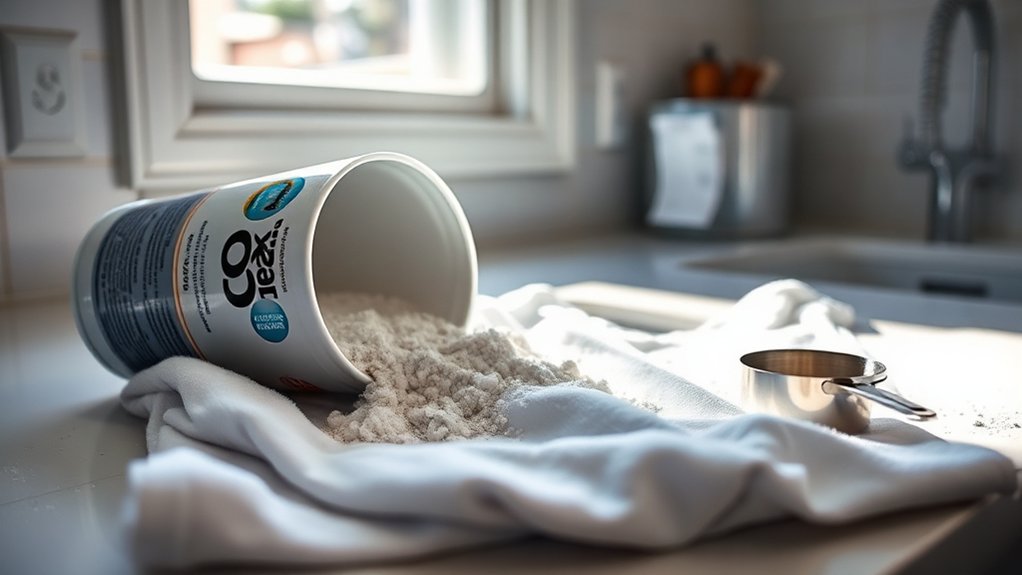
OxiClean can be worth the price if you regularly tackle tough stains or need a versatile booster for laundry and household cleaning. Your value depends on how often you use it, which formula you choose, and what you’d otherwise buy.
A tub of powder may cost more upfront than a basic detergent, but you can use it for multiple loads and cleaning tasks, so the cost per use may be reasonable.
A tub may cost more upfront, but multiple uses can make the cost per use reasonable.
If you only need an occasional laundry additive, a smaller package can help you avoid paying for more than you’ll use.
Compare the price per ounce, not just the shelf price, and check whether your usual detergent already meets your needs.
You’ll get the best value when OxiClean fits your routine and replaces products you’d otherwise purchase, rather than adding another rarely used cleaner.
How Well Does OxiClean Remove Tough Stains?
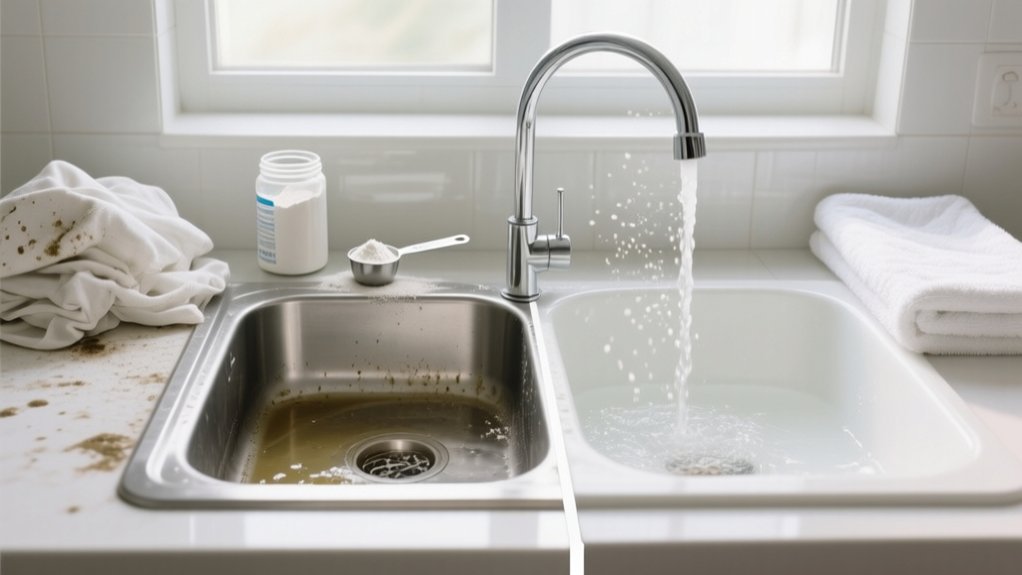
Price matters most when the product delivers results, and OxiClean can help lift many tough stains, including grass, food, and sweat.
Its oxygen-based cleaning action can loosen stains and brighten washable fabrics, making it useful for everyday laundry mishaps.
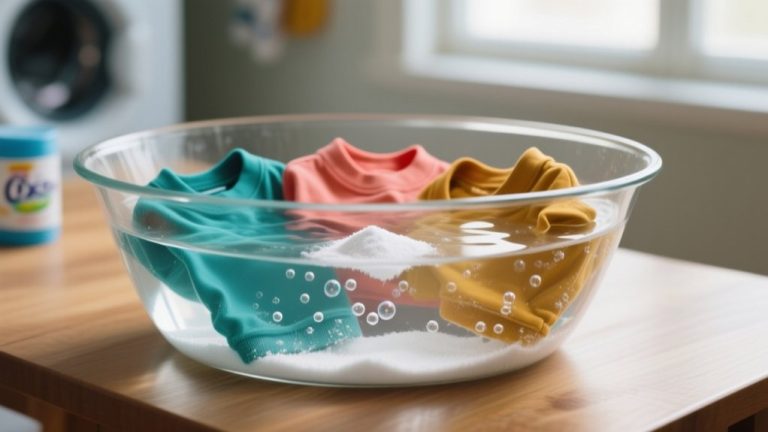
You’ll usually get better results when you treat a stain promptly, follow the care label, and let the product work for the recommended time.
Older or deeply set stains may need more than one treatment, and some marks, such as dye, ink, or oil, can resist removal.
Test an inconspicuous area first, especially on colored fabrics, and don’t use it on materials the label excludes.
OxiClean can improve stained laundry, but it isn’t a guaranteed fix.
Check the fabric after washing before drying; heat can set any stain that remains.
Which OxiClean Product Should You Choose?
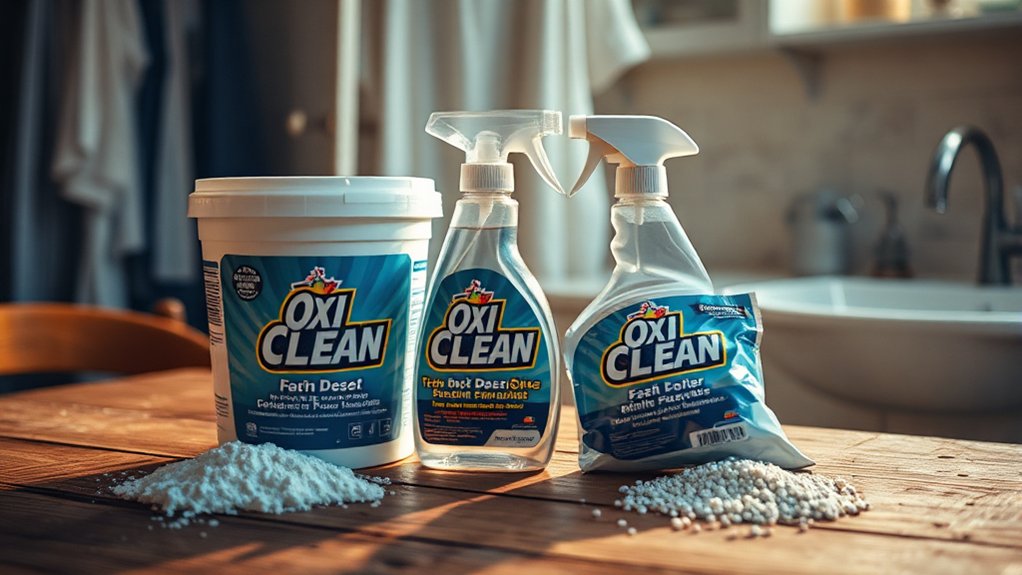
Choosing the right OxiClean product really depends on the job you need it to do. You’ve got powders, sprays, and other formats to choose from, so it helps to think about how you’ll be using them.
Also, consider the type of stain you’re dealing with, the surface you’ll be treating, and how convenient you want the process to be before making your decision.
Match Product to Task
Different OxiClean products suit different jobs, so match the formula to what you need to clean. Start with the stain, surface, or cleaning goal, not the brightest package or biggest promise. Check the label to confirm the product suits the material and task, and follow its directions.
1. Laundry stains: Choose a laundry stain remover when you’re tackling food splashes, grass marks, or dingy whites.
Picture a muddy cuff before tossing it in the wash.
2. Carpets and upholstery: Pick a product labeled for soft furnishings when a spill leaves a dark patch on your rug or sofa.
Test an unseen spot first.
3. Household surfaces: Select a cleaner made for the surface you’re treating, such as a greasy kitchen counter or grimy bathroom tile.
Verify compatibility before use.
The right match helps you clean effectively while avoiding damage.
Compare Formats and Uses
Once you’ve matched the product to the job, compare its format and intended use. Powders work well for laundry soaks and wash boosts, sprays target specific stains, and ready-to-use cleaners suit certain household surfaces.
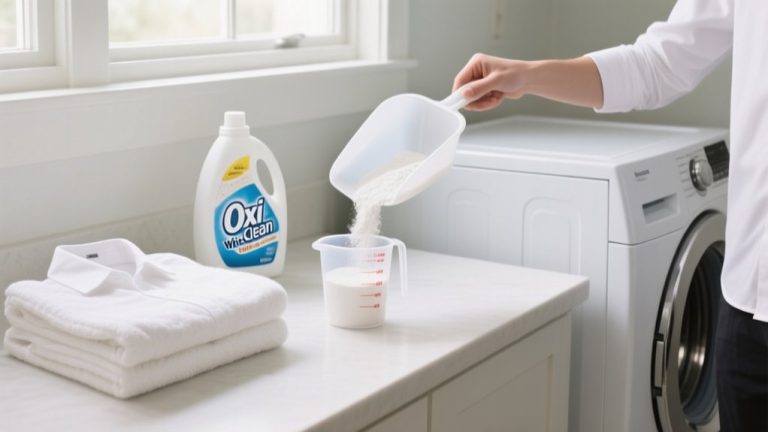
Choose a powder when you need to treat a full load, revive dingy fabrics, or soak washable items. Check the label for water temperature, dosage, and fabric restrictions before adding it to your routine.
Pick a spray for quick, localized treatment on clothing, upholstery, or carpets. Apply it as directed, and test an inconspicuous area first, especially on delicate or colored materials.
For counters, floors, or other hard surfaces, choose a cleaner labeled for that surface rather than assuming a laundry formula will work.
Compare package directions and price per use; the right format saves effort without leaving you with a product you won’t use.
Which Surfaces and Items Can OxiClean Clean?
OxiClean can tackle stains on many washable fabrics and hard surfaces, but the right product and method depend on the material. You can use suitable OxiClean products on laundry, carpets, upholstery, and some outdoor surfaces. Check the product label to confirm that it lists your item; formulas aren’t interchangeable, and some materials may be unsuitable.
- Laundry: Refresh washable shirts, towels, sheets, and children’s play clothes marked colorfast.
- Carpets and upholstery: Treat compatible rugs, fabric sofas, and car seats with a product designed for these surfaces.
- Hard surfaces: Clean certain decks, patio furniture, and grout with an appropriate outdoor or multipurpose formula.
You’ll get the best match by considering the surface, stain, and product directions.
Don’t assume a product safe for cotton will suit wool, leather, silk, or every finish. Check labels before choosing.
How Do You Use OxiClean Safely?
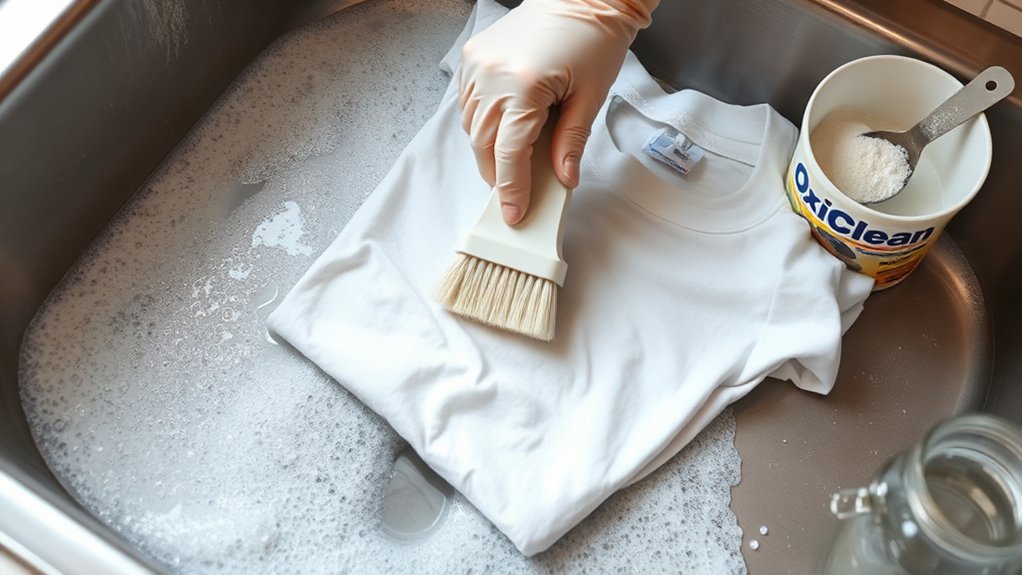
To use OxiClean safely, follow the product label, measure the recommended amount, and test it on a hidden spot first. Check the label for directions specific to your OxiClean product, since formulas and uses can differ.
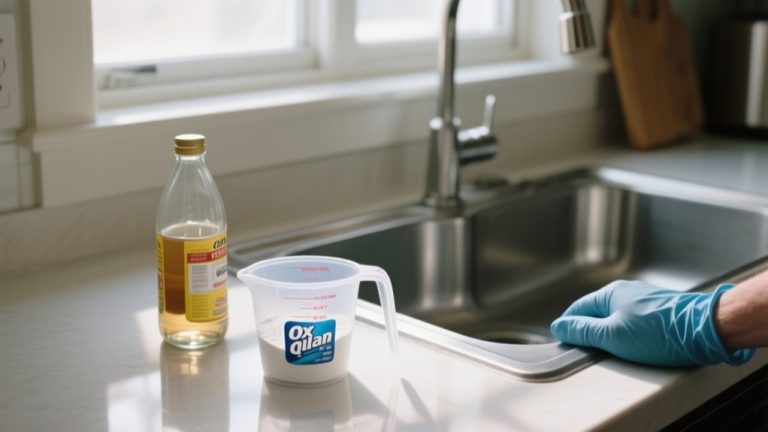
Wear gloves if you have sensitive skin, and avoid getting the powder or solution in your eyes. Don’t breathe in dust when measuring; pour gently in a well-ventilated area.
Mix the product with water as directed, and use cool or warm water only when the label permits. Never combine OxiClean with chlorine bleach or other cleaning products.
Keep it out of children’s and pets’ reach, and store it in its original, closed container in a dry place.
After use, wash your hands and rinse treated items as directed before handling or wearing them.
Where Does OxiClean Fall Short?
Where does OxiClean fall short? You may find that its stain-fighting power has limits, especially when a mark has set or the fabric needs special care.
OxiClean has limits: set-in stains may linger, and delicate fabrics can require gentler care.
It also takes some effort to use: you must mix the powder correctly, soak items when needed, and rinse thoroughly.
- Old stains: A brown ring of coffee that’s dried into a shirt may remain visible after treatment. OxiClean can’t guarantee complete removal.
- Delicate fabrics: Wool, silk, and leather can suffer damage, so you’ll need to check care labels and avoid using the product on unsuitable materials.
- Color uncertainty: A bright red sock may bleed into a pale load. Test a hidden spot first since dyes and finishes don’t always react predictably.
For stubborn marks, you may need repeated treatment, and results can vary by fabric and stain.
Do Cheaper OxiClean Alternatives Work as Well?
Since OxiClean can take repeated treatments, you might wonder whether a cheaper alternative can handle everyday stains just as well. Often, it can. Store-brand oxygen bleach powders usually use sodium percarbonate, the same stain-fighting ingredient found in many OxiClean formulas.
For fresh food spills, sweat, and dingy whites, you may see comparable results when you follow the label and allow enough soaking time.
However, formulas differ. Some alternatives contain fewer active ingredients, dissolve less readily, or lack added enzymes and brighteners. That can matter with set-in stains, colored fabrics, or cold-water washes.
Compare the ingredient lists, directions, and cost per load rather than judging by package price alone.
Test an unfamiliar product on a hidden area, and don’t mix oxygen bleach with other cleaners. A cheaper powder can work well, but results depend on the stain and formula.
Who Should Buy OxiClean: and Who Shouldn’t?
If you’re dealing with tough stains, OxiClean might be just what you need. It’s great for brightening your laundry and lifting away grime.
But keep in mind, it’s not a disinfectant. So, if your goal is to kill germs, you’ll want to go with a product that’s specially labeled for disinfection.
Best For Stain Removal
OxiClean is worth buying if you regularly tackle food, grass, or sweat stains on washable fabrics and want a boost for your laundry routine. Its oxygen-based formula can help lift many everyday marks when you follow the label directions, though results depend on the stain, fabric, and how long the spot has set.
You’ll get the most value when you can pretreat or soak items before washing.
Picture the jobs it can handle:
- A tomato-sauce smear on a cotton T-shirt after dinner.
- Green grass streaks across your child’s washable play clothes.
- Sweat marks on a light-colored shirt after a warm day.
Choose OxiClean if you’re willing to treat stains promptly and check fabric-care labels.
If you rarely face stubborn laundry stains, a basic detergent may be enough for your needs.
Skip If You Need Disinfectant
Need a disinfectant? OxiClean isn’t the right choice. It’s an oxygen-based stain remover and laundry booster, not a dependable substitute for a product labeled to kill germs.
You can use it to tackle dingy fabrics, food spills, and many everyday stains, but don’t assume clean-looking laundry has been disinfected.
If you’re washing items exposed to illness, caring for someone with a weakened immune system, or cleaning surfaces where germs are a concern, choose a disinfectant approved for that specific use.
Follow its label directions, including contact time and fabric or surface restrictions. For laundry, check garment care labels and use a laundry sanitizer or another product whose label supports your needs.
You can still keep OxiClean in your cleaning routine for stain removal. Just don’t rely on it when disinfection matters.
Frequently Asked Questions
Is Oxiclean Safe for Septic Systems?
Yes, OxiClean is generally safe for septic systems when you use it as directed. Its oxygen-based cleaner breaks down into water, oxygen, and soda ash, rather than relying on chlorine bleach.
Still, don’t pour large amounts directly into your septic tank; use normal laundry doses and avoid combining it with other chemicals.
If your system’s manufacturer or septic professional gives different guidance, follow their recommendations to protect your tank’s bacterial balance.
Does Oxiclean Expire or Lose Effectiveness Over Time?
Yes, OxiClean can lose effectiveness over time, though it doesn’t suddenly become unsafe after a set date.
An unopened tub may stay potent for years. Once you open it, moisture and air can weaken the powder, turning a laundry helper into a disappointing scoop.
Keep yours tightly sealed in a cool, dry place, and check the package for a date.
If it’s damp, clumpy, or no longer fizzes when mixed, replace it.
Is Oxiclean Tested on Animals?
OxiClean says it doesn’t test its products on animals, and its parent company, Church & Dwight, states that it doesn’t conduct animal testing unless a law requires it.
However, you should know that this isn’t the same as independent certification: OxiClean isn’t listed as cruelty-free by organizations such as Leaping Bunny.
If avoiding animal testing matters to you, check the latest company policy and product certifications, since policies and requirements can change over time.
Can Oxiclean Damage Clothing Colors After Repeated Washing?
Yes, repeated OxiClean use can fade or alter some clothing colors, especially if you use too much, soak garments too long, or wash delicate fabrics.
Colorfastness varies by dye and fabric, so test a hidden spot first.
Follow the label’s dilution and soaking directions, and don’t use it on wool, silk, or leather.
Even “color-safe” products can affect vulnerable dyes over time, so check garments regularly for fading or uneven color.
Does Oxiclean Contain Bleach?
Yes, many OxiClean products contain oxygen-based bleach, usually sodium percarbonate, which releases hydrogen peroxide in water.
That’s different from chlorine bleach, and it’s generally designed to brighten colors and remove stains without the same harsh bleaching effect.
Still, you should check your product’s label because formulas vary.
Test it on a hidden area first, follow the directions, and avoid using it on wool, silk, leather, or other materials the label excludes.
Conclusion
OxiClean is worth buying if you regularly tackle laundry stains, dingy whites, or household messes and choose the right formula for the job. Follow the label, test delicate surfaces first, and compare prices before stocking up.
If you only need an occasional stain treatment, a cheaper alternative may be enough. Think of OxiClean as a reliable tool, not a magic wand. It can make tough cleaning easier, but your results still depend on the stain, surface, and care you give it.