Is Oxiclean – What to Know
OxiClean is an oxygen-based stain remover that releases hydrogen peroxide when you mix its powder with water. You can use it to boost laundry, treat stains, and clean some household surfaces, but always follow the product label and test materials first.
Keep it away from children and pets, and don’t mix it with other cleaners, especially chlorine bleach. Avoid using it on silk, wool, or leather.
The details below can help you choose the right formula and use it safely.
What Is OxiClean and How Does It Work?

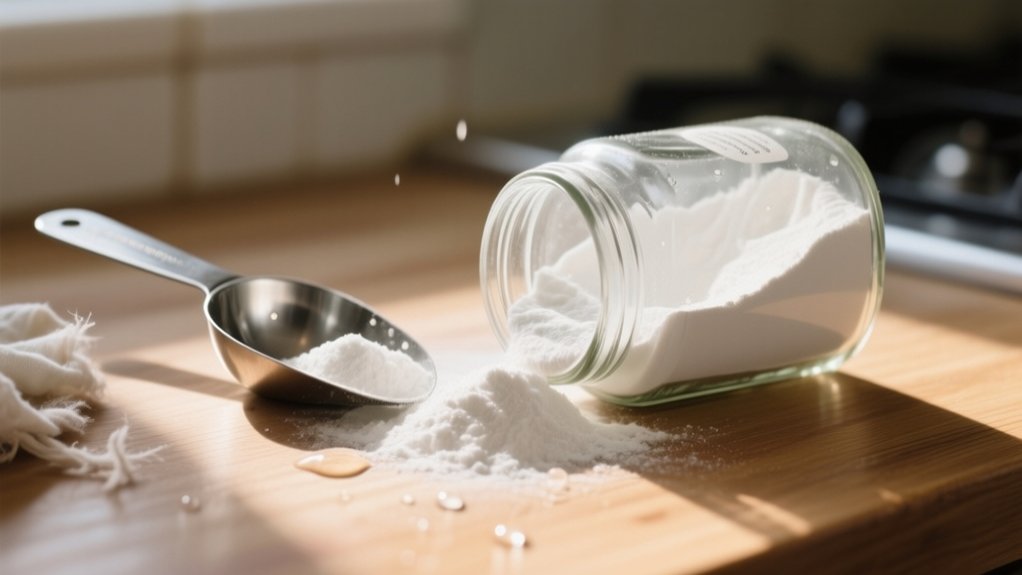
OxiClean is a versatile stain-removing powder made with sodium percarbonate, sodium carbonate, surfactants, and polymers. It tackles many cleaning jobs by helping lift stains from fabrics and other surfaces.
When you mix OxiClean with water, its active ingredient releases hydrogen peroxide, which helps break down stains. The powder also lowers water’s surface tension, so the solution can penetrate materials more effectively. This action helps loosen grime and gives you a practical option for a versatile stain treatment.
OxiClean is biodegradable, non-toxic, and safe for septic systems, though you should still follow the product label. Don’t use it on delicate materials such as silk, wool, or leather.
Avoid storing the solution in a spray bottle, because pressure can build up inside and create a safety risk.
What Ingredients Are in OxiClean?
A blend of cleaning agents gives OxiClean its stain-fighting power. Its primary active ingredient is sodium percarbonate, a compound that combines dry hydrogen peroxide with washing soda. When you add water, it helps lift stains from fabrics and other surfaces.
OxiClean’s sodium percarbonate activates in water, helping lift stains from fabrics and other surfaces.
Washing soda, or sodium carbonate, boosts cleaning and softens water, helping other ingredients work more effectively. Surfactants lower water’s surface tension, so the solution can penetrate materials and loosen stains for easier removal.
Polymers help stabilize the formula and preserve its effectiveness over time. OxiClean’s complete ingredient list is proprietary, so you won’t find every component disclosed.
The product is generally described as non-toxic and biodegradable, with a lower environmental impact than harsher chemicals. These ingredients work together to support stain removal and cleaning performance.
Is OxiClean Safe for People, Pets, and Septic Systems?
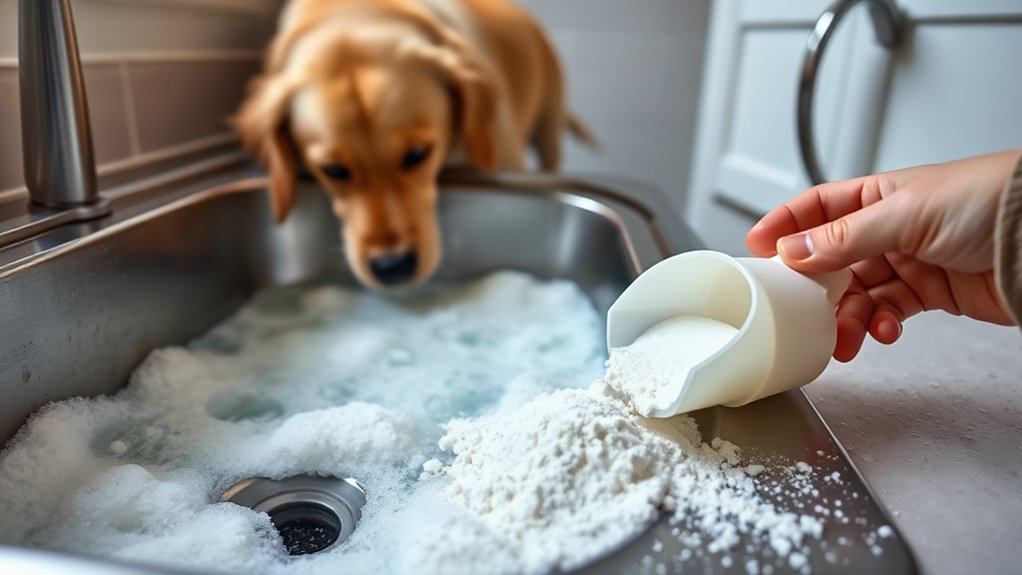
Knowing what’s in the formula can help you use it with confidence: OxiClean is generally considered non-toxic and biodegradable.
But you should still keep it out of reach of children and pets to prevent accidental ingestion.
Here’s how to use it responsibly:
- Around people: Follow product directions and avoid swallowing the powder or solution. Keep it stored securely.
- Around pets: OxiClean is safer than many harsh chemicals, but that doesn’t mean it’s safe for pets to ingest. Store it where animals can’t reach it.
- With septic systems: You can use OxiClean in septic systems; it breaks down without harming beneficial bacteria.
- When cleaning: Don’t mix OxiClean with other cleaners, especially bleach, because the combination can create harmful reactions and fumes.
Spot-test fabrics before full application to check for damage.
These precautions help you get the cleaning benefits while protecting your household and plumbing.
Which Fabrics and Surfaces Should You Avoid?
Before you start using OxiClean, take a moment to check the fabric care labels.
It’s best to avoid delicate materials like silk, wool, and anything that says dry-clean-only. Also, steer clear of leather, suede, wicker, and teak because OxiClean can actually damage those surfaces.
If you’re unsure about other fabrics, just do a quick spot test first.
That way, you can see if it causes any discoloration or staining before going all in.
Delicate Fabrics to Avoid
Although OxiClean can tackle many stains, avoid using it on silk, wool, leather, wicker, or fabrics labeled “dry-clean only,” since it may damage fibers, cause discoloration, or weaken materials.
Knowing which items to keep away helps you protect delicate fabrics and get the best results from safer cleaning choices.
- Silk: OxiClean’s chemicals may harm its fine fibers.
- Wool: The solution can damage the material’s fibers.
- Leather: Don’t apply OxiClean; it may cause discoloration and deterioration.
- Wicker and dry-clean-only fabrics: OxiClean can weaken wicker’s structure and finish, while its cleaning agents may compromise garments marked “dry-clean only.”
Before treating any other fabric, test OxiClean on a hidden spot.
Check for changes in color or texture, and don’t proceed if you notice damage.
When a care label calls for professional cleaning, follow its instructions instead of risking the item with a stain remover.
Sensitive Surfaces to Protect
Protect delicate fabrics and sensitive surfaces by keeping OxiClean away from silk, wool, leather, jewelry, wicker, teak, and dry-clean-only garments, which it may damage or discolor.
You should also avoid using it on painted surfaces, since the cleaner may strip paint or harm the finish.
Before you use OxiClean on any other fabric or surface, test the solution in a small, hidden spot.
Check the area after treatment to make sure it hasn’t changed color or texture.
If you’re unsure whether an item can tolerate the product, don’t risk damage; check its care instructions or ask a professional.
A cleaning service can advise you about delicate materials and suitable cleaning methods.
For everyday care, follow the product label rather than relying on a daily dose or assuming one solution works safely on every surface.
How Do You Use OxiClean for Laundry and Stains?
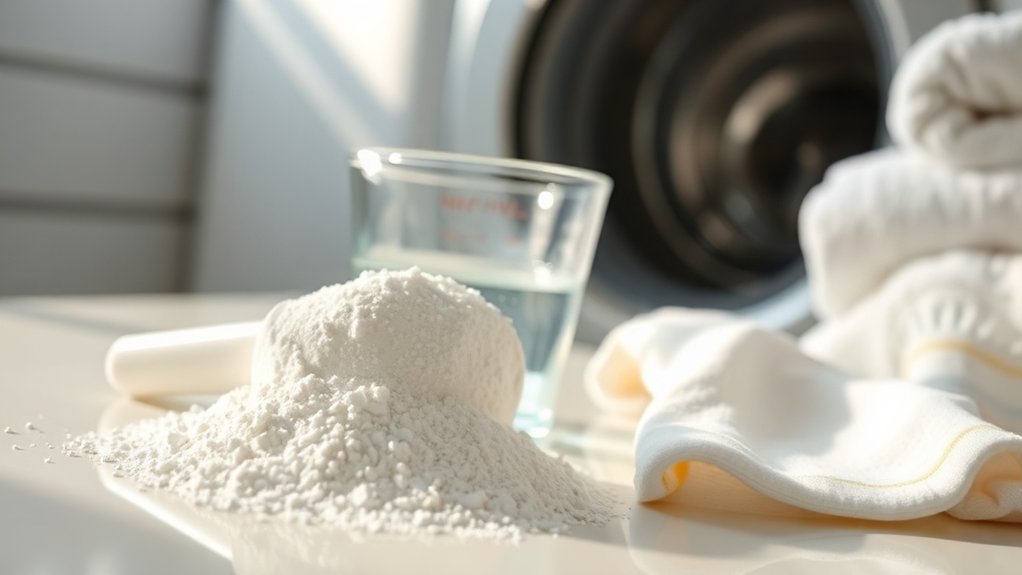
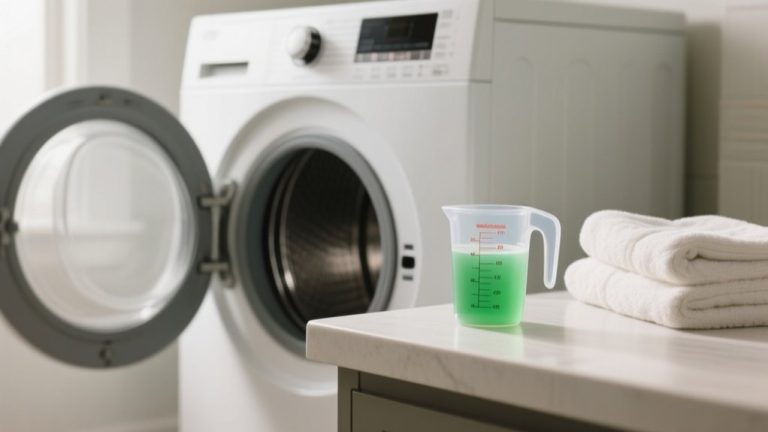
You can use OxiClean as a laundry booster by simply adding a scoop to your wash, following your machine’s instructions. It’s pretty straightforward and helps get your clothes cleaner.
When it comes to stains, you have a couple of options. You can soak your clothes in a diluted solution of OxiClean, or just apply it directly to the stained spot.
Either way, it works well to lift those tough stains.
Just make sure to always check the product label and your fabric care instructions before using it. That way, you’ll keep your clothes safe and looking great.
Laundry Booster
OxiClean can boost your laundry detergent and help treat stains. For everyday laundry, add one full scoop to your wash, following the directions for your machine.
These steps help you use the powder effectively:
- Top-loading washer: Mix one scoop with your regular detergent.
- Front-loading washer: Combine one scoop with powdered detergent in the dispenser.
- Water temperature: Use warm or hot water when possible. For a cold-water wash, dissolve the powder in hot water first.
- Sports gear: Soak items in one scoop dissolved in a gallon of water for one to six hours, then run a regular cycle with another scoop.
Always follow the package’s usage instructions, and test OxiClean on a small, inconspicuous fabric area first to check compatibility.
This helps you avoid unwanted fabric damage during routine laundry.
Stain Treatment
For tougher marks, OxiClean can treat stains before the wash. Mix half a scoop of powder into 1 gallon of water, then soak stained items for up to 6 hours.
For a quick spot treatment, sponge the solution onto the mark and remove it after 5 minutes.
OxiClean can help lift coffee, grease, and blood from fabric. Always spot-test an inconspicuous area first to check colorfastness.
For a laundry load, add 1 full scoop to your washing machine. In a top-loader, mix it with your regular detergent; in a front-loader, combine it with powdered detergent in the dispenser.
For cold-water loads, dissolve the powder in hot water first.
To deep-clean sports gear, soak it in a solution of 1 scoop per gallon for 1 to 6 hours, then wash with another scoop.
How Do You Clean Household Surfaces With Oxiclean?
How can you clean household surfaces with OxiClean? Start by testing your solution on a small, hidden area to check that it won’t damage the surface.
Then use the appropriate method for the cleaning task:
- General surfaces: Mix one scoop of OxiClean powder with two cups of warm or hot water. Apply the solution to the surface.
- Grout: Combine OxiClean and water into a paste. Apply it to tough stains, let it sit for 5 to 30 minutes, then rinse.
- Shower and bathtub: Sprinkle powder onto a damp sponge, scrub the surfaces, and rinse with hot water.
- Dishwasher interior: Mix OxiClean with one gallon of hot water. Scrub the interior, let the solution sit for 30 minutes, then run a cycle.
Follow the rinse directions for each surface.
Which OxiClean Formula Should You Choose?
After choosing a cleaning method, match the OxiClean formula to the job and your preferences. If you’re sensitive to fragrance or dyes, choose OxiClean Free, which contains neither.
The regular formula includes both, so it may suit you if you prefer a scented product, but it mightn’t be ideal for sensitive users.
Next, consider what you’re cleaning. For tough laundry stains, OxiClean MaxForce is designed for the task.
For carpets and area rugs, choose OxiClean Carpet & Area Rug Cleaner. Other OxiClean products target general cleaning, so check the label to confirm a formula fits your intended use.
Compare package sizes and prices, too. A five-pound standard formula may cost around $12, while a three-pound Free version may cost about $9.
Choose based on your needs and budget.
Frequently Asked Questions
Does Oxiclean Expire, and How Should It Be Stored?
Yes, OxiClean can lose effectiveness over time; it typically lasts about two to three years when you store it properly.
Check your package’s expiration date for specific guidance.
Keep the container tightly sealed in a cool, dry place, away from heat and moisture, which can weaken its cleaning power.
Don’t transfer OxiClean to a spray bottle since pressure may build up and cause leaks.
Keep it out of reach of children and pets.
Can Oxiclean Remove Old or Set-In Stains?
Yes, OxiClean can tackle old, set-in stains, turning a stubborn mark from a mountain into a manageable spot.
Mix half a scoop with one gallon of water, then soak the item for up to six hours.
For a stubborn area, dab on a sponge solution and wait five minutes. You can also apply an OxiClean-and-water paste.
Test a hidden spot first to make sure the fabric won’t discolor or become damaged.
Is Oxiclean Tested on Animals?
No, OxiClean isn’t tested on animals, according to the brand’s stated cruelty-free practices.
Church & Dwight, OxiClean’s parent company, says it follows animal welfare standards and doesn’t support animal testing.
The brand develops its formulas to assess safety and effectiveness without relying on animal tests, and it highlights this commitment in consumer-facing information.
If you need the latest details, check OxiClean’s current policy or contact the company directly before buying.
Can Oxiclean Be Used With Bleach or Other Cleaners?
No, don’t mix OxiClean with bleach or other cleaners. That combination can turn your laundry room into a toxic-fume zone.
Mixing products may also weaken OxiClean’s cleaning power and change your results.
Use it by itself, following the manufacturer’s directions for the product and surface. Work in a well-ventilated area, and keep OxiClean away from children and pets.
If you’ve already mixed cleaners, leave the area and seek safety guidance.
Does Oxiclean Leave Residue or Discolor Surfaces?
OxiClean usually doesn’t leave residue or discolor surfaces when you use it as directed and rinse thoroughly.
However, undissolved powder or inadequate rinsing can leave a chalky film, especially on porous materials like grout or unfinished wood.
Prolonged contact may also discolor sensitive surfaces.
Before treating a larger area, test the solution somewhere inconspicuous.
Follow the product’s directions and rinse the treated surface well to prevent buildup and protect its appearance.
Conclusion
OxiClean can brighten laundry, tackle stains, and clean some household surfaces when you follow the label. Its oxygen-based formula releases hydrogen peroxide in water, helping lift stains without chlorine bleach.
That chemistry is useful, but it doesn’t make every fabric or surface safe to treat. Test first, and keep the product away from children and pets. One striking fact: sodium percarbonate, a key ingredient, can release about 32% of its weight as hydrogen peroxide.
Choose the right formula, measure carefully, and rinse as directed.