Is Downy Bad For Clothes – What to Know
If you’ve ever wondered whether Downy is actually safe for your clothes, you’re not alone. Many people want soft, static-free laundry, but they also worry about ruining their favorite shirts, towels, or workout gear in the process.
You should know that Downy fabric softener works by coating fibers to soften and reduce static, but it can damage certain clothes by leaving waxy residues that reduce absorbency, especially in towels and athletic wear, and impair technical fabrics’ moisture-wicking and waterproof functions.
It may also shorten fabric lifespan and cause allergic reactions due to chemical additives. If you want to understand which fabrics are vulnerable, health concerns, and safer softening options, keep exploring these insights.
What Is Downy Fabric Softener: And How Does It Work?
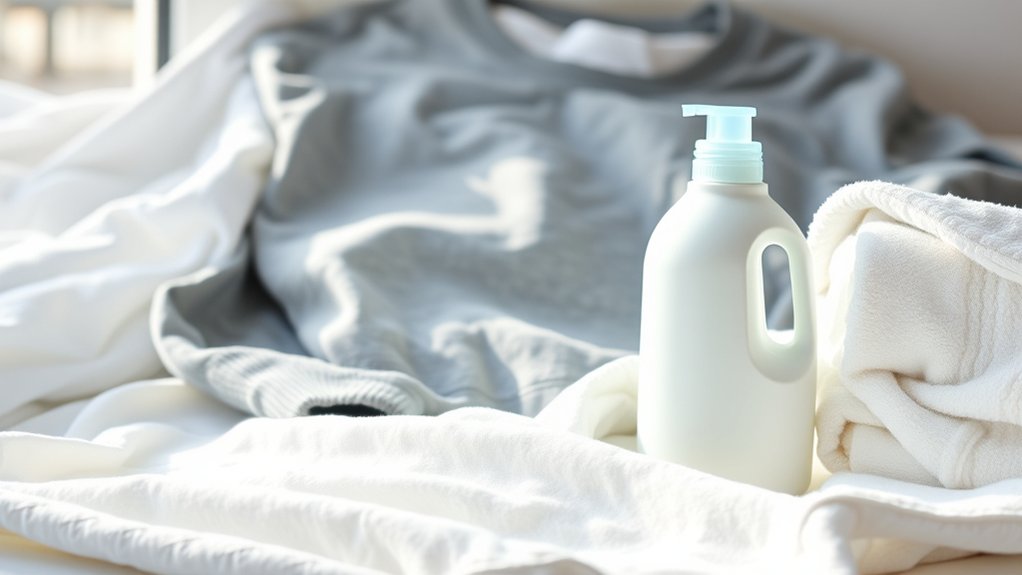
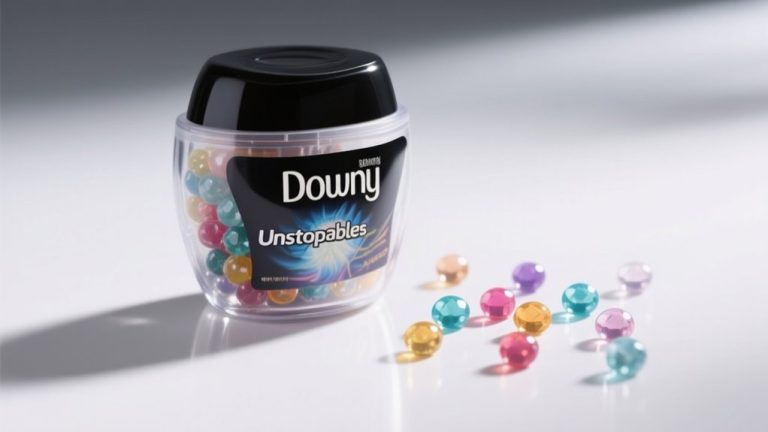
Downy fabric softener works by coating fabric fibers with positively charged compounds that neutralize the fibers’ natural negative charge. You’ll find that it contains cationic surfactants that bind specifically to negatively charged fiber groups, creating a lubricated surface.
This molecular interaction reduces friction, which in turn softens the fabric, minimizes wrinkles, and cuts down on static cling.
Whether you use the liquid form or dryer sheets, modern formulas often include silicone compounds to boost softness and impart fragrance.
However, you should avoid using Downy on towels or breathable and flame-resistant fabrics, as it can impair absorbency and safety features.
Importantly, Downy’s ingredients undergo rigorous safety testing and meet North American regulatory standards, ensuring that it’s safe for typical fabric applications when used as directed.
Common Fabric Issues Caused By Downy Softener
These residue-related problems often show up first in towels, athletic fabrics, and other absorbent materials.
Fabric Damage Risks
Although fabric softeners are designed to enhance softness and reduce static, excessive use can cause a waxy buildup on fibers that diminishes absorbency, particularly in towels and athletic wear.
When you use Downy too frequently, its cationic compounds bind to negatively charged fibers, flattening and matting the fabric, which alters texture and reduces durability.
Additionally, Downy can impair specialized fabrics like water-resistant Gore-Tex by coating fibers and compromising their protective functions.
You should consider these risks:
- Waxy residue trapping stains, causing discoloration and complicating stain removal
- Matting of fibers, which weakens fabric integrity and alters feel
- Damage to water-repellent properties in technical outerwear, reducing performance
Understanding these effects helps you use Downy more judiciously to avoid fabric damage.
Reduced Absorbency Problems
When fabric softeners accumulate on fibers, they form a waxy layer that considerably reduces moisture absorbency in towels and similar materials. This buildup diminishes the fabric’s ability to wick moisture, impacting towels, athletic wear, microfiber cloths, and insulation materials like down jackets.
You’ll notice reduced softness, longer drying times, and impaired cleaning efficiency. Over time, fibers lose their loft and absorbency, compromising fabric performance.
| Fabric Type | Effect of Downy Buildup | Performance Impact |
|---|---|---|
| Towels | Waxy coating reduces absorbency | Decreased moisture retention |
| Athletic wear | Inhibited moisture-wicking | Reduced athletic performance |
| Microfiber cloths | Coating blocks dirt/moisture | Lower cleaning effectiveness |
| Down jackets | Loss of loft and insulation | Reduced warmth and loft |
| High-loft fabrics | Fiber matting and wax buildup | Longer drying times |
Stain Residue Concerns
Because Downy fabric softeners leave a waxy residue on fibers, they can trap existing stains and cause discoloration over time. This residue forms a chemical barrier that inhibits detergents from fully penetrating fabrics, resulting in incomplete stain removal.
You may also notice that the oils in Downy mat down fibers, especially in towels and microfiber cloths, reducing their absorbency and effectiveness.
Additionally, residue buildup can accumulate within your washing machine, accelerating wear.
Key concerns include:
- Stains becoming more persistent due to residue encapsulation
- Reduced fabric performance caused by fiber matting
- Potential mechanical issues from softener buildup in washers
Understanding these factors helps you mitigate stain residue problems and maintain fabric integrity.
Which Fabrics Should You Avoid Using Downy Fabric Softener On?
If you want to maintain the functionality and longevity of your garments, you should avoid using Downy fabric softener on certain fabrics.
Breathable materials like athletic wear lose their moisture-wicking ability when treated with Downy. High loft insulation fabrics, such as down, suffer reduced loft and insulation performance.
Waterproof textiles, including Gore-Tex, can have their water-repellent properties compromised.
Towels and delicate fabrics absorb less water and lose natural loft, diminishing absorbency.
Microfiber cloths develop a residue film that mats fibers, impairing cleaning efficiency.
Using Downy on these fabrics alters their essential structural or functional characteristics, so skipping fabric softener on them preserves their intended performance and durability.
How Downy Residue Impacts Fabric Softness And Functionality
That buildup can also make clothes feel less comfortable during everyday wear.
Residue Effects On Softness
Although Downy fabric softeners aim to enhance softness, their waxy residue can actually compromise fabric texture and functionality over time. This residue coats fibers, leading to several detrimental effects on fabric softness:
- It mats down fibers, reducing the natural loft and causing a less soft, sometimes stiff feel.
- Residue buildup diminishes absorbency, especially in towels and microfiber, limiting their effectiveness.
- The waxy layer traps stains within the fabric, making them harder to remove during washing cycles.
As you continue using Downy, these effects accumulate, progressively altering the fabric’s tactile qualities.
While initial softness may improve, prolonged use paradoxically results in a coarser texture and diminished comfort, demanding careful consideration of Downy’s long-term impact on your garments.
Functional Impact On Fabrics
When you apply Downy fabric softeners, their waxy residue forms a coating on fibers that directly impairs fabric functionality. This film reduces absorbency, especially in towels and moisture-wicking fabrics, by blocking fibers’ natural ability to interact with water.
Over time, the residue mats fibers, degrading softness and causing a rough texture.
In breathable materials like athletic wear, this buildup compromises moisture management, diminishing performance.
Additionally, oil-based softeners like Downy can leave stains if not fully rinsed, potentially trapping existing marks. Continuous use also risks residue accumulation in washing machines and dryers, accelerating appliance wear.
Understanding these impacts helps you balance softness benefits against potential functional drawbacks, ensuring ideal fabric care without sacrificing performance or longevity.
Is Downy Softener Harmful To Your Health?
How exactly does Downy fabric softener impact your health? Downy contains quaternary ammonium compounds and synthetic fragrances linked to skin irritation and respiratory problems, especially in sensitive individuals and children.
Prolonged exposure to residues can trigger allergic reactions and chronic conditions like asthma.
Additionally, volatile organic compounds (VOCs) released during drying may degrade indoor air quality, some of which are carcinogenic.
Key health concerns include:
- Skin sensitivities: Chemical coatings can worsen eczema, psoriasis, and dermatitis.
- Respiratory effects: VOCs and allergens may provoke asthma and breathing difficulties.
- Hidden toxins: Undisclosed fragrance components may contain endocrine disruptors and phthalates.
Considering these factors, using Downy requires caution if you have pre-existing health issues or sensitivities to household chemicals.
How Downy Affects Technical And Performance Apparel
Because Downy fabric softeners leave a waxy residue on fibers, they can greatly impair the performance of technical and athletic apparel. This residue coats moisture-wicking fibers, reducing their ability to transport sweat away from your body, which diminishes cooling efficiency.
Downy fabric softeners leave a waxy residue that hinders moisture-wicking and reduces cooling efficiency in athletic wear.
In high loft insulation like down jackets, the softener mats fibers, lowering thermal retention.
For breathable fabrics, Downy compromises airflow, increasing discomfort and overheating risk during activity.
Water-resistant materials such as Gore-Tex lose their hydrophobic properties when treated with Downy, undermining water repellency.
Additionally, towels and microfiber cloths treated with Downy lose absorbency due to chemical coatings, reducing drying performance.
Natural Alternatives To Soften Clothes Without Downy Softener
Although Downy fabric softener offers convenience, you can achieve effective fabric softening without compromising garment performance by using natural alternatives.
These options reduce chemical exposure while maintaining fabric integrity, especially for technical and performance apparel sensitive to conventional softeners.
Consider these natural methods:
- White Vinegar: Add during the rinse cycle to soften fabrics, eliminate detergent residue, and reduce odors without harmful chemicals.
- Baking Soda: Use in the wash to neutralize odors, soften fabrics, and prevent mineral buildup in hard water conditions.
- Wool Dryer Balls: Place in the dryer to decrease static cling and drying time by improving air circulation, eliminating the need for chemical softeners.
Each alternative balances fabric care with environmental safety, ensuring longevity and performance without the drawbacks of synthetic softening agents.
Tips To Keep Clothes Fresh Without Downy Fabric Softener
Maintaining fresh clothes without Downy fabric softener relies on strategic use of natural agents and proper laundering techniques. You can replace synthetic softeners with effective, chemical-free methods to keep fabrics fresh and soft.
| Method | Function | Benefit |
|---|---|---|
| White Vinegar | Rinse cycle softener and deodorizer | Reduces static, odors naturally |
| Baking Soda | Added during wash | Neutralizes odors, softens fabric |
| Wool Dryer Balls | Used in dryer | Cuts drying time, prevents static |
| Regular Washing | Frequent laundering and airing | Prevents odor buildup from sweat |
Use high-quality detergents like Tide Hygienic Clean for thorough cleaning, reducing fabric softener dependency. Combining these methods guarantees freshness without synthetic residues.
Frequently Asked Questions
Can Downy Fabric Softener Cause Color Fading in Clothes?
Yes, Downy fabric softener can cause color fading by breaking down dye bonds and leaving residue that traps dirt. To help preserve color vibrancy, use it sparingly and avoid high heat drying.
How Does Downy Affect the Lifespan of Washing Machines?
Using Downy can leave waxy residue in your washing machine, which may reduce efficiency and increase wear over time. Use it sparingly and clean the machine regularly to help avoid buildup and costly repairs.
Is Downy Safe to Use on Baby Clothes?
No, Downy may irritate sensitive baby skin and can trigger allergies. If you want to use it, consider the baby’s skin sensitivity first, and choose a hypoallergenic alternative like white vinegar or wool dryer balls if you want a gentler option.
Can Downy Fabric Softener Reduce Static Cling in Winter?
Yes, Downy can reduce static cling in winter, and the draft says by up to 70%. Its cationic compounds coat fibers and lower friction and static buildup, especially in dry conditions.
This can help keep clothes softer and reduce cling, though results may vary with how dry the air is and how the product is used.
Are There Eco-Friendly Versions of Downy Available?
Yes. Downy Nature Blends uses plant-based, biodegradable ingredients and is free from dyes and fewer synthetics. It still aims to keep clothes soft and fresh, while also supporting sustainable packaging initiatives.
Conclusion
You might think fabric softeners like Downy are the bee’s knees, but they can leave residues that harm certain fabrics and technical gear. Avoid using Downy on moisture-wicking or flame-resistant clothing to preserve their functionality.
While not directly harmful to your health, its buildup affects softness and longevity. Instead, consider natural softening methods to keep your clothes fresh and functional, like a modern twist on grandma’s old-fashioned vinegar rinse. Choose wisely for fabric care.