Is Oxiclean An Enzyme Cleaner – Here’s the Answer
Many people want a cleaner that can tackle stubborn stains fast, but it’s not always clear what actually works best. If you’ve ever wondered whether OxiClean is an enzyme cleaner, you’re not alone. The confusion makes sense, and figuring it out can save you time, money, and a lot of laundry frustration.
OxiClean isn’t an enzyme cleaner; it relies on sodium percarbonate to release oxygen, oxidizing stains rather than breaking them down with biological catalysts.
This means it works by chemically attacking a broad range of stains through oxidation, especially on food, grease, and grass, but may risk fabric discoloration.
Unlike enzyme cleaners, it doesn’t target specific organic molecules, so its performance varies by stain type.
Understanding these differences helps you decide when OxiClean is your best choice.
OxiClean Ingredients and Composition
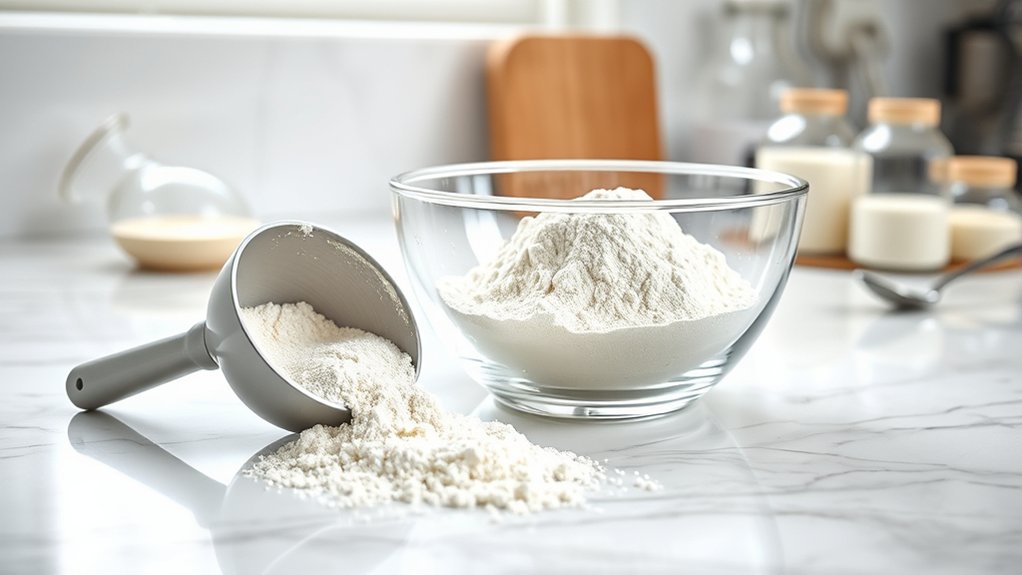
Although OxiClean doesn’t contain enzymes, its cleaning power comes primarily from sodium percarbonate, which releases hydrogen peroxide when dissolved in water. This release generates reactive oxygen species that break down organic stains through oxidation.
OxiClean’s strength lies in sodium percarbonate, releasing hydrogen peroxide to oxidize and break down stains effectively.
Additionally, the formula incorporates surfactants that reduce surface tension, enabling the suspension and removal of particulate matter from fabrics and surfaces.
You’ll also find sodium carbonate, which acts as a pH buffer and enhances the oxidizing environment, improving stain removal efficiency. Polymers may be included to prevent soil redeposition, maintaining fabric brightness.
Unlike enzyme-based cleaners that target specific stain types enzymatically, OxiClean’s oxygen-based chemistry provides broad-spectrum stain oxidation. Its composition is optimized for versatility across laundry, carpets, and hard surfaces, although its efficacy depends on stain chemistry and substrate compatibility.
How OxiClean Cleans Stains (Without Enzymes)
That chemical action also explains why some stains respond better than others.
Oxygen-Based Cleaning Action
OxiClean cleans stains by releasing active oxygen through its sodium percarbonate ingredient, which breaks down into hydrogen peroxide when mixed with water. This hydrogen peroxide acts as a powerful oxidizing agent, targeting stain molecules by breaking chemical bonds, effectively lifting them from fabric fibers.
Unlike enzyme cleaners that catalyze the breakdown of organic compounds, OxiClean relies on the foaming action generated by oxygen release to dislodge dirt and stains physically.
This oxygen-based reaction is especially potent in warm or hot water, as higher temperatures accelerate sodium percarbonate decomposition, amplifying oxygen availability and improving stain removal efficiency.
Its mechanism works well on diverse stains, including food, beverage, and soil residues, by oxidizing the stain compounds rather than digesting them enzymatically.
This ensures broad-spectrum stain lifting without enzyme involvement.
Non-Enzymatic Stain Removal
The stain removal process hinges on a chemical reaction rather than enzymatic activity. OxiClean uses sodium percarbonate, which releases hydrogen peroxide when dissolved in water. This generates oxygen bubbles that physically lift stains and dirt from surfaces without targeting specific stain components as enzymes do.
Its broad action can handle various stains but may struggle with some organic stains like blood. Additionally, batch variability can cause inconsistent results, and the oxidative mechanism sometimes risks fabric discoloration or damage.
| Aspect | Details |
|---|---|
| Active Ingredient | Sodium percarbonate |
| Mechanism | Oxygen bubbles lift stains |
| Limitations | Less effective on some organic stains |
| Risks | Potential fabric discoloration |
Chemical Reaction Mechanism
Although it doesn’t rely on enzymes, this cleaner employs a chemical reaction mechanism centered on sodium percarbonate, which releases hydrogen peroxide when dissolved in water. The hydrogen peroxide initiates oxidation, breaking the chemical bonds of chromophores in stains, effectively decolorizing and loosening them from fabrics or surfaces.
This oxidative process generates reactive oxygen species that non-selectively degrade a broad spectrum of stain types, unlike enzyme cleaners that target specific substrates.
Additionally, surfactants in the formula reduce surface tension, emulsifying oils and lifting particulate matter for easier removal.
You’ll notice that warmer water enhances the release rate of hydrogen peroxide, increasing the oxidation efficiency and improving stain removal performance.
This combined approach allows OxiClean to clean effectively without enzymatic activity, relying instead on chemical oxidation and surfactant-assisted dirt displacement.
Best Stains for OxiClean
When tackling stains, you’ll find that oxygen-based cleaners excel at breaking down organic compounds like food residues, grease, and grass. OxiClean, containing sodium percarbonate, functions as an oxygen-releasing bleach, effectively oxidizing these stains. However, its efficacy on blood stains varies, and results on delicate fabrics or complex stains, like those on fishing clothes, can be inconsistent.
Always test on hidden areas.
| Stain Type | Effectiveness | Notes |
|---|---|---|
| Food stains | High | Breaks down organic residues |
| Grease | High | Oxidizes oily compounds |
| Grass | High | Efficient on chlorophyll-based |
| Blood | Moderate | Variable results, caution advised |
Risks to Fabrics and Jewelry From Oxiclean
The next section explains safer ways to test it on different materials.
Jewelry Tarnish Warnings
Since OxiClean contains strong oxidizing agents, it can cause silver jewelry to tarnish and delicate fabrics to deteriorate. You should avoid using OxiClean directly on silver or other metal jewelry because oxidation reactions accelerate tarnishing, compromising the metal’s appearance and integrity.
The product label lacks warnings about these risks, so you mightn’t anticipate damage without prior testing. Users frequently report discoloration and surface degradation when OxiClean contacts valuable or delicate items.
To minimize risk, always remove jewelry before cleaning fabrics with OxiClean and test any fabric in an inconspicuous area first. Understanding OxiClean’s chemical reactivity helps you prevent irreversible damage to your jewelry, avoiding costly repairs or replacements.
Proceed cautiously when introducing oxidizing agents near sensitive materials.
Fabric Damage Risks
Although OxiClean is effective as a stain remover, it poses notable risks to fabrics and jewelry due to its strong oxidizing properties. You should be aware that its chemical action can lead to irreversible damage, especially on delicate or valuable items.
Key risks include:
- Discoloration and weakening of delicate fabrics, sometimes causing permanent ruin despite proper use.
- Tarnishing of silver jewelry, with insufficient warnings about potential harm.
- Persistent stains or color changes on carpets, such as light blue discoloration that resists removal.
- Frequent dissatisfaction from users regarding damage to children’s clothing, highlighting sensitivity to fabric type.
To minimize damage, always test OxiClean on hidden areas and avoid applying it to delicate textiles or valuable jewelry. This precaution helps prevent costly and irreversible fabric degradation.
Safety Concerns and Precautions When Using OxiClean
When handling OxiClean, it’s essential to recognize the potential hazards associated with its use, especially given reports of severe chemical burns from skin exposure.
Despite these risks, the product label doesn’t mandate glove use, which has prompted calls for clearer safety instructions. You should avoid direct skin contact, as OxiClean can cause significant irritation and chemical burns requiring medical intervention.
Additionally, test the product on inconspicuous fabric areas to prevent damage or discoloration, as instances of tarnished jewelry and ruined textiles have been documented.
Consumer feedback stresses the need for improved safety guidelines and responsive customer service from OxiClean. By understanding these risks, you can better appreciate the importance of safety measures when working with this potent cleaning agent.
How to Use OxiClean Safely for Best Results
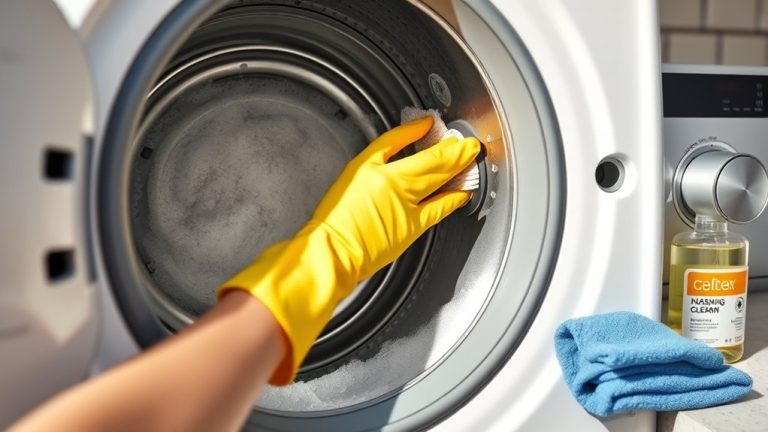
To use OxiClean safely and achieve ideal results, you must wear protective gloves to prevent chemical burns and skin irritation. Follow these technical guidelines to optimize safety and effectiveness:
- Test OxiClean on a hidden fabric area before full application to avoid discoloration or damage, especially on delicate materials.
- Strictly adhere to the manufacturer’s instructions, noting that tougher stains like blood may respond inconsistently.
Avoid applying OxiClean on jewelry or tarnished metals, as it can cause irreversible damage such as silver tarnishing.
Prepare for potential customer service challenges if you encounter product issues, as support responsiveness has been reported as poor.
Applying these steps guarantees you maximize stain removal while minimizing risk and maintaining fabric integrity.
Comparing OxiClean and Enzyme Cleaners
Because OxiClean relies on sodium percarbonate, an oxygen-based bleaching agent, it operates differently from enzyme cleaners that use biological catalysts to break down organic stains.
OxiClean’s chemical action releases oxygen to oxidize and lift stains, whereas enzyme cleaners target specific molecular bonds in proteins, fats, and other organic compounds.
You’ll find enzyme cleaners excel on stains like blood and pet messes by degrading their molecular structure, although they typically need more time to act.
OxiClean works faster but may not fully break down all organic residues, leading to mixed results on some stains.
Understanding these mechanisms helps you choose the right product: oxygen bleach for rapid stain removal and enzyme cleaners for precise degradation of organic matter.
What to Expect From OxiClean’s Performance
Understanding the chemical differences between OxiClean and enzyme cleaners lays the groundwork for evaluating what you can realistically expect from OxiClean’s performance.
Grasping the chemical distinctions between OxiClean and enzyme cleaners helps set realistic expectations for its stain-fighting abilities.
As a sodium percarbonate-based product, OxiClean releases hydrogen peroxide to tackle stains, but its effectiveness varies.
Here’s what to expect:
- Variable stain removal efficacy, especially with protein-based stains like blood
- Potential discoloration and fabric damage due to oxidative action
- Safety risks, including chemical burns if used improperly
- Inconsistent batch performance, requiring caution and spot testing
You should always test OxiClean on an inconspicuous area before full application to avoid damage.
While it offers strong oxidizing power, it lacks the targeted catalytic action enzymes provide, so its stain removal may be less selective and more aggressive, impacting delicate materials unpredictably.
When to Choose OxiClean or an Enzyme Cleaner
When should you opt for OxiClean over an enzyme cleaner? Choose OxiClean primarily for general stains or discoloration on durable fabrics. Its active ingredient, sodium percarbonate, releases oxygen, which helps lift stains without targeting specific organic compounds.
However, if you’re tackling protein-based stains like blood or food, enzyme cleaners outperform OxiClean by enzymatically breaking down these organic materials.
Additionally, enzyme cleaners are preferable for delicate or valuable fabrics, as OxiClean may cause discoloration or damage.
Consider the stain type carefully. Enzyme cleaners excel on organic stains due to their biochemical action, while OxiClean offers a broader, oxygen-based cleaning mechanism.
Ultimately, selecting between OxiClean and enzyme cleaners depends on stain composition and fabric sensitivity to guarantee peak cleaning efficacy without compromising material integrity.
Frequently Asked Questions
Can Oxiclean Be Used in Septic Tanks?
No, you shouldn’t use OxiClean in septic tanks because its sodium percarbonate can disrupt beneficial bacteria that help break down waste. If you need a cleaner for a septic system, choose products made specifically for septic use so you can help maintain microbial balance and reduce the chance of clogs or damage.
Does Oxiclean Have a Strong Odor?
Yes, OxiClean usually has a mild scent, but sprays can smell stronger. You might notice a lingering chemical odor, especially if you’re sensitive or using it in a poorly ventilated space.
Is Oxiclean Safe for Use on Carpets?
No, it is not entirely safe for carpets. You risk discoloration or stains, especially blue marks, so test it on a hidden area first. Its sodium percarbonate can react unpredictably and damage fibers if you apply it broadly or incorrectly.
How Long Does an Opened Oxiclean Container Last?
About six months to a year after opening. Store it in a cool, dry place and keep the container sealed tight, because moisture can affect its chemistry and reduce effectiveness.
Check for clumps before using it.
Can Oxiclean Remove Mold and Mildew Stains?
Yes, you can remove mold and mildew stains with OxiClean. Its sodium percarbonate releases hydrogen peroxide, which helps break down stains. Results depend on the surface and how old the stain is, so apply it properly and test it first for discoloration.
Conclusion
Think of OxiClean as a powerful storm, breaking down stains through oxygen’s force, not enzymes’ gentle touch. You won’t find enzymes working here; instead, OxiClean relies on chemical reactions to lift away grime. When precision and strength matter, it’s your go-to.
But for delicate stains, enzyme cleaners offer a softer rain, nurturing fibers. Choosing between them means matching nature’s method to your fabric’s needs, balancing power with care for best results.