Does Oxiclean Kill Fungus – Fact Check
If you’ve spotted fungus or mildew around your home, you’re probably wondering what actually works and what’s just hype. You’re not alone, many people struggle with figuring out the safest and most effective way to clean it up. The good news is that OxiClean can help in some situations, but it’s important to know its limits before you start scrubbing.
You can use OxiClean to effectively remove surface fungus and mildew stains on non-porous materials, as it releases oxygen ions that disrupt fungal cells. However, it doesn’t kill mold roots embedded in porous surfaces like drywall or wood, limiting its use to visible discoloration rather than deep eradication.
OxiClean also poses less risk to fabrics compared to harsher cleaners but may require repeated application if moisture remains. Understanding its exact capabilities helps you choose the right method for your mold issue.
How OxiClean Works to Kill Fungus and Mildew
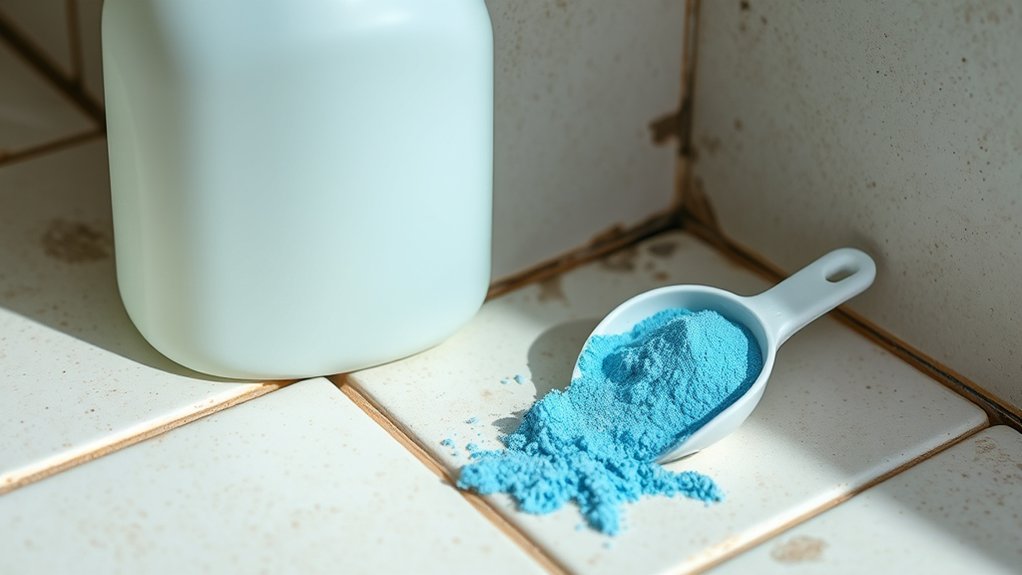
OxiClean kills fungus and mildew by releasing hydrogen peroxide through its active ingredient, sodium percarbonate, when mixed with water. This reaction breaks down stains and disrupts fungal cells on surfaces. The oxygen ions released act as disinfectants, targeting fungal spores similarly to hydrogen peroxide.
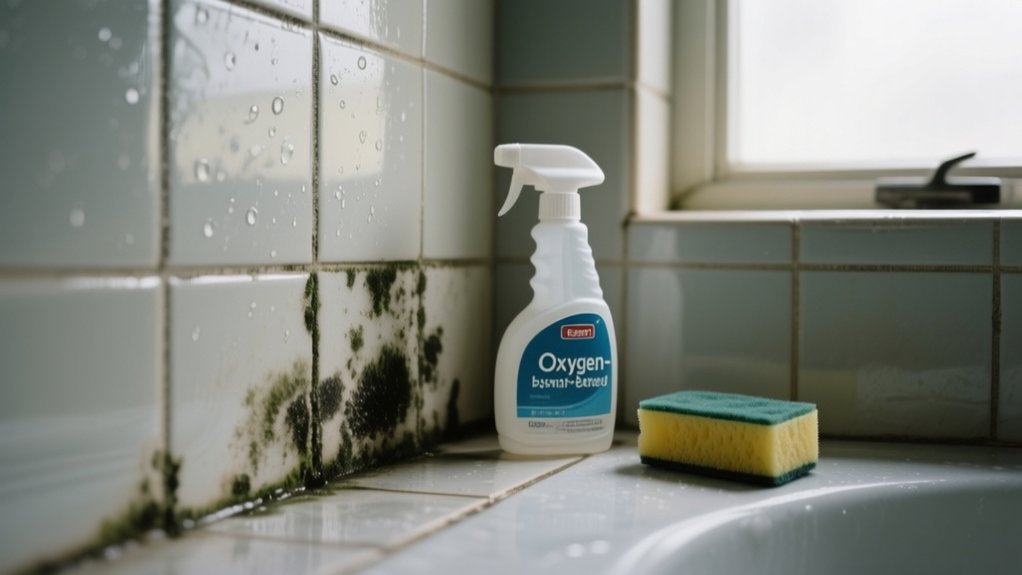
You’ll notice that OxiClean is effective on non-porous surfaces, where it can physically remove visible mold and mildew stains. However, it doesn’t penetrate porous materials deeply enough to eliminate mold roots embedded within.
The no-drip foam formula allows the solution to cling to vertical surfaces, increasing contact time and enhancing stain removal.
Although less potent than bleach, OxiClean provides a safer alternative for household mildew treatment, as endorsed by the University of Missouri Extension, by combining oxidative action with physical stain breakdown.
Types of Fungus OxiClean Can Effectively Remove
Household fungi such as common mold and mildew species respond well to treatments that release hydrogen peroxide, making sodium percarbonate-based cleaners effective for surface-level removal.
OxiClean, containing sodium percarbonate, excels at breaking down and lightening visible fungal stains but doesn’t penetrate porous substrates to eliminate fungal roots.
OxiClean effectively lightens visible fungal stains but cannot reach fungal roots in porous materials.
You can expect OxiClean to effectively remove:
- Surface mold on non-porous surfaces like tiles and glass
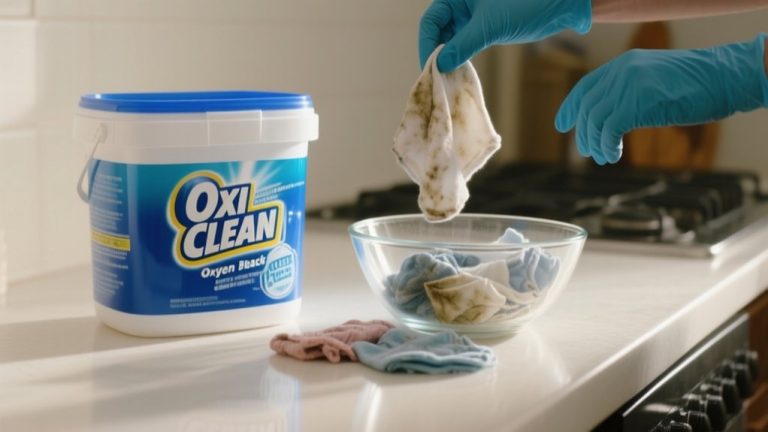
- Mildew stains on washable fabrics
- Mold discoloration on sealed countertops and sinks
- Household mildew on plastic and metal surfaces
While OxiClean improves visible cleanliness and disinfects by releasing oxygen ions, it’s less potent than specialized fungicides.
You’ll need complementary methods for complete fungal eradication beyond surface stain removal.
Does OxiClean Reach Mold Roots or Only Clean Surface Stains?
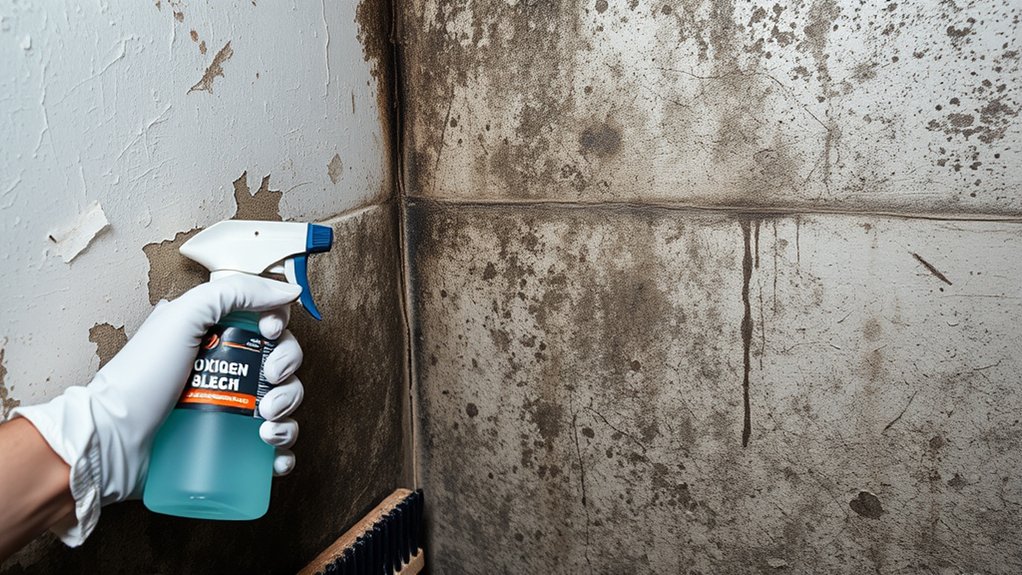
How deeply can a cleaner penetrate mold to halt its growth? When you use OxiClean, it releases hydrogen peroxide that breaks down visible mold stains on surfaces.
However, this reaction primarily affects surface discoloration and doesn’t reach the mold’s roots, or mycelium, embedded within porous materials like wood or drywall.
Since OxiClean can’t penetrate these substrates, it fails to eliminate the root cause of mold growth, allowing regrowth if underlying moisture or damage persists.
While it improves appearance by lightening stains, OxiClean isn’t an all-encompassing mold remediation tool. For effective eradication, especially in severe cases, professional methods that address mold roots are necessary.
Consequently, you should view OxiClean as a stain remover rather than a solution for complete mold removal.
Using OxiClean Safely on Different Surfaces
Different materials respond differently, so the next section covers safe application on each surface.
Surface Compatibility Guidelines
Although OxiClean is effective against mold and mildew stains, understanding its compatibility with different surfaces is essential to avoid damage. You need to evaluate material type and proper dilution for safe use.
- Use OxiClean on non-porous surfaces like tiles, sinks, and tubs; it cleans effectively without harm.
- Avoid porous materials such as wool, silk, leather, or dry-clean-only fabrics, as OxiClean may discolor or damage them.
- For metals, rinse immediately and thoroughly after application to prevent corrosion or tarnishing.
- Always test OxiClean on an inconspicuous area before full use to confirm surface compatibility.
Adhering to recommended dilutions, 1/2 scoop per gallon for fabrics and 1/4 scoop per 2 cups hot water for indoor surfaces, ensures effective, safe cleaning.
Usage Precautions and Tips
Understanding surface compatibility lays the foundation for using OxiClean safely across various materials. You should always test it on a hidden spot to avoid damage or discoloration. Use a 1/2 scoop per gallon dilution for fabrics but avoid wool, silk, leather, or dry-clean-only items.
Rinse metals immediately to prevent corrosion. Follow label safety instructions, including eye and skin protection and ensuring ventilation.
| Surface Type | Usage Tips |
|---|---|
| Non-porous (tiles, sinks) | Effective; safe with proper rinsing |
| Porous (wood, drywall) | Limited penetration; less effective |
| Fabrics | Dilute; avoid sensitive materials |
| Metals | Rinse thoroughly post-application |
| Sensitive materials | Test first; avoid if uncertain |
This approach maximizes safety and efficacy.
Preventing Fungus and Mildew Using OxiClean
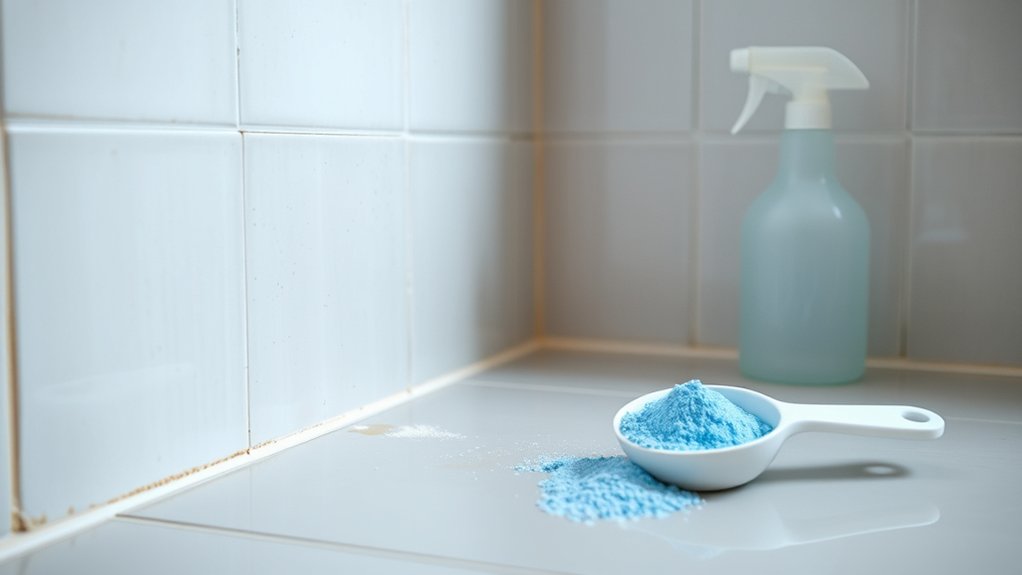
When preventing fungus and mildew, applying OxiClean to non-porous surfaces can effectively reduce stains by releasing oxygen ions that disinfect and lighten affected areas.
To maximize its preventative effects, follow these steps:
To maximize its preventative effects, apply OxiClean carefully and maintain regular cleaning routines.
- Apply OxiClean directly to affected areas and let it sit for 10-15 minutes to allow oxygen ions to act.
- Use a dilution of 1/2 scoop per gallon of water when treating fabrics to combat mildew effectively.
- Blot and dry treated surfaces thoroughly to inhibit fungal regrowth.
- Regularly clean damp areas with OxiClean to maintain an environment less conducive to fungal growth.
Note that OxiClean’s efficacy is limited on porous materials, as it doesn’t penetrate mold roots deeply.
Use it as part of routine cleaning to reduce visible mildew and stains.
OxiClean’s Fungus-Killing Power vs. Other Cleaners
Surface mold often needs stronger treatment, so the next section compares cleaner effectiveness.
Fungus Removal Effectiveness
Although OxiClean releases hydrogen peroxide through sodium percarbonate to combat surface mold stains, its antifungal effect remains mild and limited primarily to non-porous surfaces.
When you use OxiClean, consider these points about its fungus removal effectiveness:
- It effectively lightens visible mold stains on hard surfaces but doesn’t penetrate porous materials where fungal roots reside.
- OxiClean’s antifungal action is weaker compared to stronger agents like sodium hypochlorite or isopropyl alcohol.
- It’s recommended mainly for surface mildew on fabrics, not for eliminating deep or extensive mold infestations.
- For severe fungal problems, professional remediation or stronger fungicides provide more thorough removal.
Comparison With Other Cleaners
Understanding OxiClean’s ability to remove surface mold leads naturally to comparing its fungus-killing power with other common cleaners. OxiClean contains sodium percarbonate, releasing hydrogen peroxide that provides a mild fungicidal effect, suitable mainly for surface cleaning.
Compared to sodium hypochlorite (bleach), it’s less effective against resilient fungal spores and can’t penetrate porous materials to eradicate mold mycelium.
However, OxiClean is safer on fabrics and various surfaces, making it a practical choice when harsh chemicals pose risks. Isopropyl alcohol offers stronger antifungal properties but carries health and surface safety concerns.
The University of Missouri Extension endorses OxiClean for mildewed fabrics due to its oxygen ion release, though it lacks bleach’s potency. Consequently, OxiClean balances efficacy with safety, ideal for light mold issues but limited for deep remediation.
When to Choose Professional Mold Remediation Instead of OxiClean
When mold infestations reach a severe level, relying on OxiClean alone won’t suffice because it primarily addresses surface stains without eliminating the underlying spores and mycelium.
You should opt for professional mold remediation when:
- Mold penetrates porous materials like drywall or insulation, where OxiClean can’t reach spores embedded deep within.
- You face extensive mold growth that risks structural damage or health hazards.
- You need a detailed assessment to determine the infestation’s full scope beyond visible stains.
- Containment and specialized removal techniques are required to prevent cross-contamination.
Professionals apply scientific methods beyond surface cleaning, ensuring thorough spore eradication and environmental safety.
OxiClean’s limitations make it unsuitable for serious infestations, where expert intervention is essential for effective mold management.
How Mold Testing Helps Confirm Fungus Removal Effectiveness
Since mold can persist unseen after cleaning, mold testing plays an essential role in confirming whether fungus removal efforts have truly succeeded. You can use swab or petri dish tests for rapid detection of fungal spores on surfaces, providing immediate feedback on cleaning effectiveness.
Air sampling tests measure airborne mold levels, revealing potential ongoing contamination that surface cleaning might miss.
Regular mold testing helps identify hidden infestations, guaranteeing remediation is thorough. Furthermore, the data from these tests offer objective evidence, which can support insurance claims or landlord disputes related to mold issues.
Frequently Asked Questions
Can Oxiclean Be Used on Food-Contact Surfaces Safely?
No. OxiClean is not approved for food-contact surfaces, so you should not use it for that purpose. Using it there may violate federal law and risks contamination, so choose products specifically designed and approved for food safety instead.
How Long Does It Take for Oxiclean to Kill Fungus?
OxiClean can take several hours to reduce fungal stains, and letting it sit overnight gives it the best chance to work. Its active ingredients break down fungal matter on surfaces gradually, so shorter contact times may be less effective.
Is Oxiclean Safe for Pets and Children?
Yes, you can use OxiClean around pets and children if you follow the instructions carefully. It’s non-toxic, biodegradable, and low in harmful chemicals, but you should keep good ventilation and avoid direct contact with eyes or sensitive skin.
Can Oxiclean Be Mixed With Other Household Cleaners?
No. If you mix OxiClean with bleach, it can create dangerous fumes, so you shouldn’t combine OxiClean with bleach or ammonia. It’s safe to use with laundry detergents, as long as you follow the instructions and test first.
Does Oxiclean Remove Fungus Odors Effectively?
Yes, OxiClean can reduce fungus odors by releasing hydrogen peroxide that neutralizes odor-causing compounds. It may not fully remove odors trapped in porous materials, so you may need additional remediation for complete odor removal.
Conclusion
You might think OxiClean’s bubbling action sweeps away fungus like a cleansing wave, yet beneath the surface, stubborn roots often remain untouched. While it effectively removes visible stains and some mildew, it falls short against deep-set mold.
Think of it as a bright brushstroke on a canvas still marred underneath. For thorough eradication and lasting prevention, especially in severe cases, professional remediation paired with precise mold testing is the more reliable scientific approach.