Can You Dry Clean Suede – Cleaning Guide And Tips
You shouldn’t dry clean suede because the harsh solvents can damage its delicate texture, cause discoloration, and ruin the material’s softness and appearance. Instead, opt for gentle home cleaning methods like brushing with a natural-bristle suede brush and spot treating stains with rubbing alcohol or vinegar.
Always air dry suede naturally, avoiding direct heat. Proper care preserves its look and feel.
Explore further steps to clean, protect, and maintain your suede items effectively.
When Should You Get Suede Professionally Cleaned?
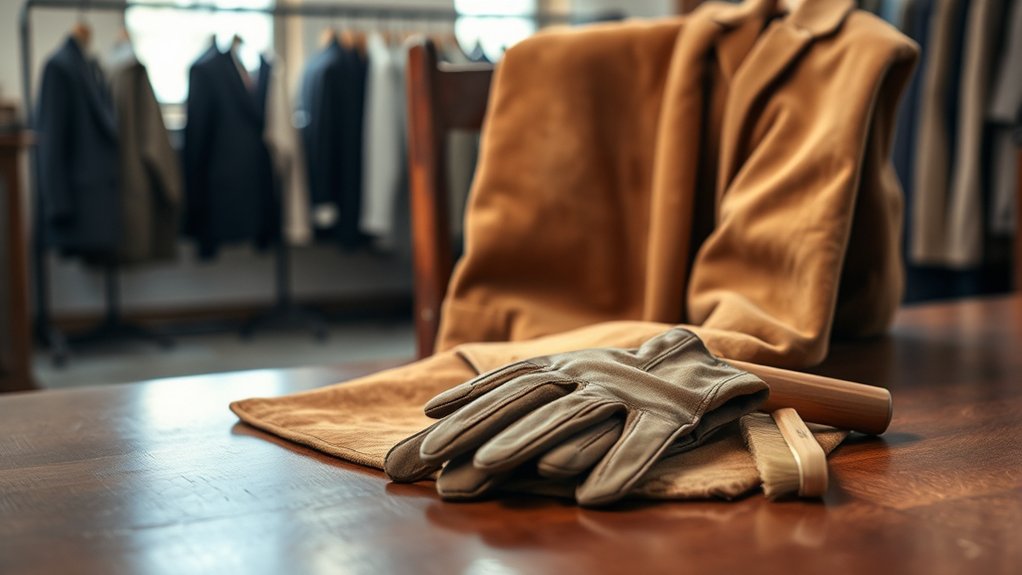
If you notice extensive stains or deep-set dirt on your suede that resist home cleaning methods, it’s time to seek professional dry cleaning. You should also consider this if your suede shows signs of color fading or material stretching. These can indicate damage beyond surface grime.
Professional cleaning effectively handles stubborn water or oil stains and restores the natural nap, especially when regular brushing fails.
For high-value or delicate suede accessories, entrusting a specialist prevents further deterioration and keeps the item’s integrity intact.
If you’re uncertain about your suede’s condition or the right cleaning approach, consulting a professional guarantees careful treatment. This not only preserves the texture and appearance but also extends the lifespan of your suede.
Plus, it helps protect your suede against risks from improper home care.
Why You Should Avoid Dry Cleaning Suede
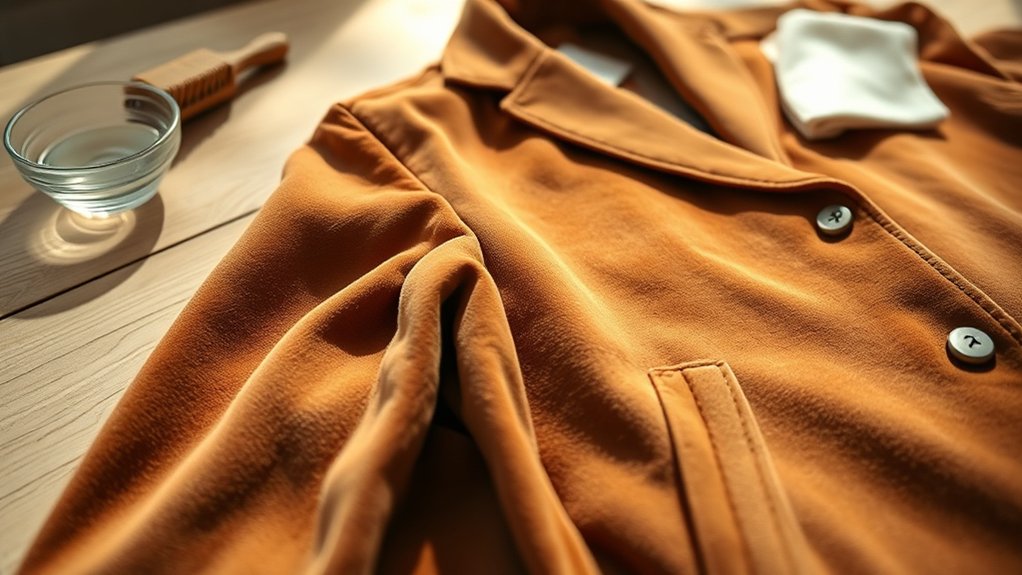
You should avoid dry cleaning suede because the solvents can damage its delicate texture and change how it looks.
Plus, dry cleaning often doesn’t get rid of stains very well, so you might still see marks afterward.
Instead, to keep your suede soft and looking great, it’s better to go for specialized cleaning methods made just for suede.
Risk Of Material Damage
Although dry cleaning suits many fabrics, it poses significant risks to suede due to its delicate nature. When you subject suede to dry cleaning, you jeopardize its material integrity because the solvents used can strip away the natural oils essential for maintaining softness and flexibility. These chemical risks not only stiffen the suede but also damage its characteristic nap and texture.
Moreover, suede’s porous structure readily absorbs these harsh chemicals, which may result in discoloration or permanent staining. Unlike other fabrics, suede demands gentle, specialized cleaning methods that traditional dry cleaning doesn’t provide.
By opting for dry cleaning, you increase the likelihood of irreversible damage, ultimately diminishing both the lifespan and aesthetic appeal of your suede items.
Ineffective Stain Removal
Because dry cleaning solvents aren’t formulated for suede, they often fail to remove stains effectively and can actually make the damage worse. When you use dry cleaning on suede, you risk color fading due to chemical reactions with suede’s porous surface.
You might also notice a change in texture as solvents stiffen or flatten the nap. Plus, there’s a chance of irreversible staining from absorbed chemicals. Residual damage can happen too, especially if the cleaners aren’t familiar with suede-specific techniques.
All these issues add up to ineffective stain removal and can leave your suede looking worse than before. Instead of restoring your suede, dry cleaning may strip away its natural softness and vibrancy, making stains stand out even more.
To keep the unique qualities of suede intact, it’s best to avoid dry cleaning. Go for specialized suede cleaning methods that are designed to maintain its texture and color.
How to Clean Suede at Home Without Damaging It
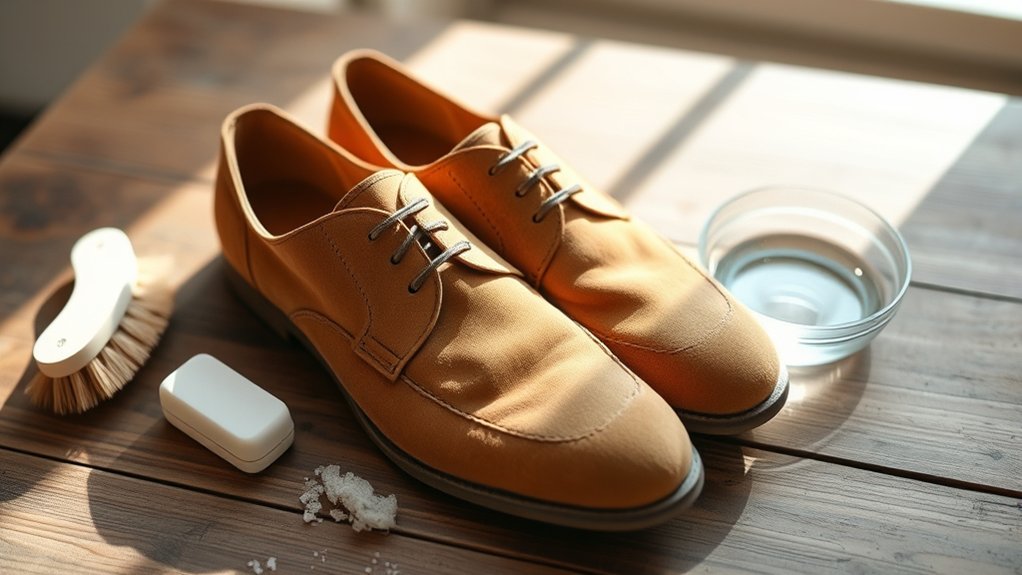
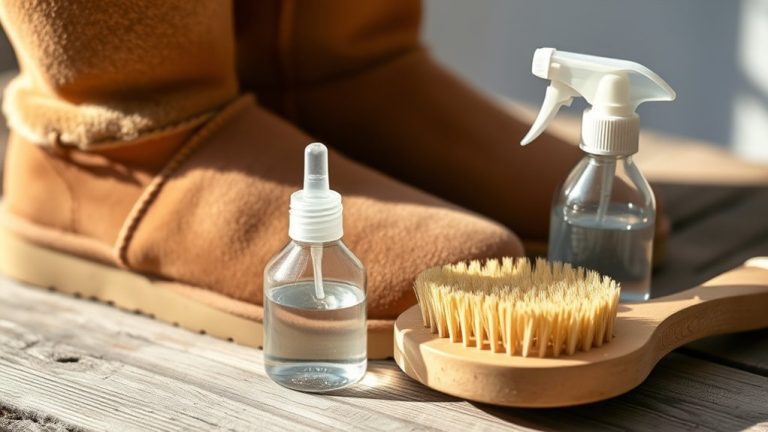
You should start by gently brushing the suede to get rid of surface dirt without messing up its texture.
When it comes to spot cleaning, it’s best to use mild solutions like diluted vinegar or special suede cleaners—just steer clear of harsh chemicals.
After you’ve cleaned it, make sure to let the suede air dry naturally, preferably in a shaded spot, to keep it soft and preserve its color.
Gentle Brushing Techniques
When caring for suede at home, gentle brushing plays a crucial role in preserving its texture and appearance. Using the right brush technique helps restore the texture without damaging those delicate fibers.
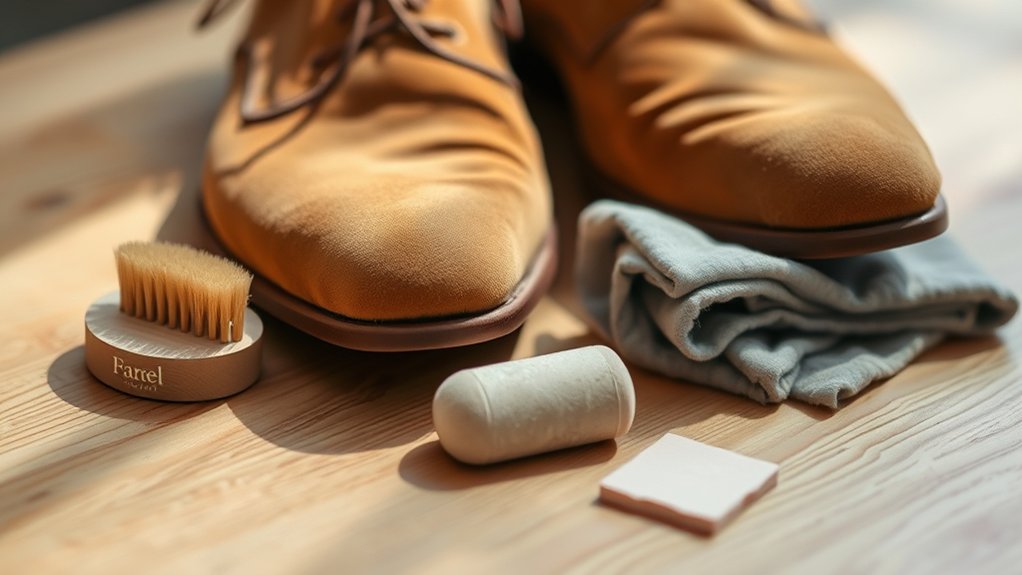
Start by using a soft, natural-bristle suede brush. Brush in one direction to lift dirt gently. It’s important not to press too hard—light, controlled strokes work best to protect the suede’s nap.
Try to brush regularly to keep dirt from building up and to maintain that plush look we all love.
After cleaning or steaming, just give the surface a gentle brush again to bring back the suede’s texture. It’s simple but makes a big difference!
Spot Cleaning Solutions
How should you tackle stains on suede without harming its delicate surface? Begin by using a suede eraser or a white pencil eraser to gently lift surface stains. This helps avoid damage to the nap and keeps the texture intact.
For tougher stains, dampen a soft cloth with white vinegar or a specialized suede cleaner and carefully blot the area. Just be sure not to saturate the fabric because that can cause color fading.
Greasy marks respond well to baking soda or cornstarch. Sprinkle it on, let it sit for several hours, then brush off gently.
Always test any cleaning solution on a hidden spot first. This helps prevent discoloration or damage.
Taking it slow and steady protects the suede’s color and keeps its unique texture throughout the cleaning process.
Proper Drying Methods
Although drying suede properly requires patience, it’s essential to preserve its texture and shape. Effective moisture control and careful management of water absorption prevent damage and maintain the suede’s integrity.
Follow these steps for proper drying methods:
- Gently blot excess moisture with a clean towel to reduce water absorption and speed up drying.
- Air dry suede in a cool, shaded area, avoiding direct sunlight or heat sources that can deform fibers.
- Stuff the suede with paper or use shoe trees to maintain its shape during drying.
- Allow the suede to dry completely for at least 24 hours before brushing or handling to ensure all moisture evaporates.
Avoid using hairdryers or heaters, as high heat can shrink or harden suede fibers, compromising its texture and appearance. Just let it dry naturally, and you’ll keep your suede looking great.
Treating Suede Stains With Alcohol, Vinegar, Grease, and Salt
Why choose specific household solutions for treating suede stains? Because they target particular stains effectively without damaging the delicate material.
For alcohol stains, gently dab the affected area with a clean cloth soaked in rubbing alcohol. This method dissolves ink and oily residues while preserving the suede’s texture.
Vinegar cleaning is another reliable approach. Just apply white distilled vinegar with a cloth to disinfect and lift dirt.
When facing grease stains, sprinkle baking soda on the spot, let it absorb oil for several hours, then brush off the residue.
For salt stains, wipe gently using a damp cloth soaked in vinegar or mild detergent. Then, allow the suede to air dry.
Always test these methods on a hidden area first to prevent discoloration or damage. It’s a simple way to keep your suede looking great without any harm.
How to Dry Suede Naturally Without Damage
When drying suede, you should always let it air dry naturally in a cool, shaded area to protect its delicate texture from damage caused by direct sunlight or heat sources. This approach preserves both suede restoration and dye restoration efforts.
Follow these steps:
Follow these steps to naturally dry suede and maintain its texture and shape.
- Place your suede item in a well-ventilated, shaded spot to prevent fading and texture distortion.
- Insert paper or shoe trees inside to maintain the shape and absorb moisture effectively.
- Avoid any direct heat sources, like hairdryers or heaters, as they can cause shrinkage and stiffness.
- Ensure the suede is completely dry before handling to prevent mold growth and preserve fabric integrity.
How to Brush and Protect Suede After Cleaning
Once your suede item has dried completely using the natural method, the next step is to restore its texture and protect it against future wear. Gently brush the suede in one direction with a specialized suede brush to enhance the texture and revive its nap. This helps bring back that soft, luxurious feel we love about suede.
You can also use a crepe brush or a soft-bristled toothbrush to lift and fluff the fibers. This gives the suede a little extra softness and helps restore its color. After brushing, don’t forget to reapply a water and stain protector spray. This step is key to reinforcing the protective barrier against spills and stains.
Regular brushing is a great habit to keep. It maintains the suede’s natural appeal and helps it last longer. A little care goes a long way with suede!
| Step | Purpose |
|---|---|
| Brush with suede brush | Restore nap and texture |
| Use crepe brush/toothbrush | Enhance softness and appearance |
| Apply protector spray | Guard against stains and water |
| Regular maintenance | Preserve texture and color |
Tips for Storing and Preserving Suede Items
Although suede is a durable material, improper storage can quickly lead to damage such as mold, discoloration, or pest infestation. To guarantee color preservation and storage optimization, follow these essential tips:
- Store suede items in breathable cotton or canvas bags to prevent moisture buildup and mold growth.
- Always ensure suede is completely dry before storage to avoid mildew development.
- Use lavender or cedar sachets inside storage containers to repel pests and maintain a fresh scent.
- Avoid plastic containers, which trap humidity and cause yellowing or deterioration.
Also, keep suede in a cool, dry, and well-ventilated area away from direct sunlight to preserve both color and texture. Proper storage safeguards your suede’s longevity and appearance effectively.
Following these simple steps really makes a difference in keeping your suede looking great for a long time. Just a little care goes a long way!
How to Refresh and Maintain Suede for Long-Lasting Wear
Because suede requires careful handling to maintain its distinctive texture and appearance, incorporating regular care routines is essential for long-lasting wear. To prevent color fading and help restore texture, you should brush suede frequently with a suede brush.
Applying a specialized protectant spray creates a water-resistant barrier that keeps your suede looking fresh. When drying, air dry in a shaded area to avoid damage and keep the softness intact.
If you notice any stains, prompt spot cleaning with white vinegar or rubbing alcohol works really well. And don’t forget proper storage—using breathable containers prevents deterioration over time.
| Care Step | Purpose |
|---|---|
| Regular Brushing | Maintains nap, prevents dirt |
| Protectant Spray | Creates water-resistant layer |
| Air Drying | Preserves softness, prevents damage |
| Spot Cleaning | Extends lifespan, removes stains |
| Proper Storage | Prevents texture deterioration |
Frequently Asked Questions
Can Suede Be Waterproofed Without Ruining Its Texture?
Yes, you can waterproof suede without damaging its texture by using proper waterproofing techniques.
Start by testing sprays on a small, hidden area first. Then, apply multiple light coats instead of one heavy layer.
Make sure to choose high-quality products designed specifically for suede. This helps keep the suede’s texture soft and flexible.
With a little care, your suede can stay protected without losing its natural look or feel.
What Is the Best Way to Remove Odor From Suede?
To banish odors from suede, treat it like a delicate canvas. Sprinkle baking soda on it overnight, then gently brush it off the next day.
Combine odor elimination methods with suede stain removal techniques for lasting freshness. This way, you won’t harm the texture or color of your suede. It’s all about being gentle and patient!
Are Suede Cleaning Products Safe for All Suede Colors?
Suede cleaning products generally guarantee product safety and maintain color fastness, but you should always check labels and test on a small area first.
Some colors may react differently, so caution is essential to prevent damage. It’s better to be safe than sorry when dealing with delicate suede materials. Taking a little extra time to test can save you from bigger problems later.
How Often Should Suede Items Be Professionally Cleaned?
You don’t want to clean suede so often it looks new, right? Aim for professional suede stain removal every 6 to 12 months. That way, you’re keeping things fresh without overdoing it.
Combine this with proper suede storage tips to keep your items pristine longer. It really helps your suede last and look great. Just a little care goes a long way!
Can Suede Be Safely Cleaned After Exposure to Saltwater?
You can safely clean suede after saltwater stains if you act quickly. Gently rinse with a damp cloth, use a suede cleaner to prevent suede damage, and always air dry in the shade to maintain its texture.
It’s really important to be gentle during the process. Don’t scrub too hard or use harsh chemicals, as that can ruin the suede. Just take your time and treat it with care.
Once you’ve cleaned it, give it plenty of time to dry naturally. Avoid direct sunlight or heat sources because they can make the suede stiff or faded. Keeping it shaded helps maintain its soft feel.
Conclusion
Caring for suede is like tending a delicate garden. Neglect or harsh treatment can wither its beauty, while gentle, informed care lets it flourish. Avoid dry cleaning unless it’s absolutely necessary.
Instead, nurture your suede with careful at-home cleaning, natural drying, and proper storage. By treating it thoughtfully, you help your suede stay vibrant and resilient. It will stand the test of time like a well-tended bloom in a cherished, enduring garden.