Is It Laundry Mat Or Laundromat – Straight Answer
You should use “laundromat” when referring to self-service, coin-operated laundry facilities. “Laundry mat” is a common mistake that misses the automated aspect and changes the meaning entirely.
The word “laundromat” combines “laundry” and “automat,” highlighting its origin in automated machines from the 1940s. Using the correct term makes your communication clear and improves search results.
Keep exploring to understand the full history and regional variations behind these terms.
Key Takeaways
- The correct term is “laundromat,” referring to self-service, coin-operated laundry facilities.
- “Laundry mat” is a common misspelling that ignores the automated, self-service aspect.
- “Laundromat” originated in the 1940s with coin-operated washing machines introduced by Westinghouse.
- Using “laundry mat” causes confusion and reduces search accuracy for laundry services.
- Regional alternatives like “washateria” exist, but “laundromat” remains the standard for self-service laundries.
What Does “Laundromat” Actually Mean?
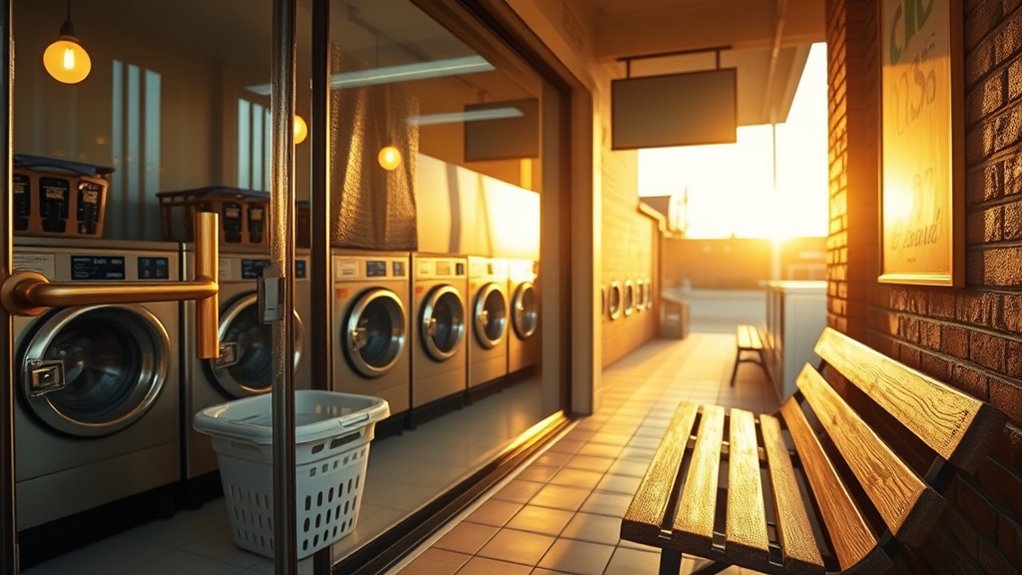
The term “laundromat” combines “laundry” and “automat,” highlighting self-service laundry facilities with coin-operated machines. You’ll find that laundromats first gained popularity in the 1940s as Americans embraced self-service laundry.
The concept originated with Westinghouse Electric Corporation, which introduced coin-operated washing machines, making it easier for people without home laundry setups to clean clothes efficiently.
When you visit a laundromat, you’re using an automatic system designed for convenience and independence.
This term clearly reflects that automated aspect, unlike the mistaken “laundry mat.” While some regions use alternative names like “washateria,” laundromat remains the most widely recognized and accurate term.
Understanding this helps you appreciate the history and purpose behind the name you see on these essential laundry centers.
Why “Laundry Mat” Is a Common Mistake?
You might think “laundry mat” makes sense, right? But actually, it’s a bit of a mix-up when it comes to where the word comes from.
The term “laundromat” is a combo of “laundry” and “automat.” That second part, “automat,” is key because it points to the self-service feature of these places.
So when people say “laundry mat,” they’re kind of missing the point. It takes away from the original meaning and can even lead to some confusion.
Pretty interesting how a small change can make a difference!
Origin Of Laundromat
Although many people say “laundry mat,” this term actually stems from a misunderstanding of the original word “laundromat.” You mightn’t realize that “laundromat” is a blend of “laundry” and “automat,” referring to self-service laundry machines that Westinghouse introduced in the 1940s.
The term laundromat was coined to describe these innovative facilities, combining automated technology with laundry services, making washing clothes more accessible.
When you say “laundry mat,” you miss the automated aspect embedded in the original word. This mistake overlooks the revolutionary shift laundromats represented in the mid-20th century, moving away from manual or full-service laundry.
While regional terms like “washateria” exist, the correct and historically accurate term remains “laundromat,” highlighting its automated origins.
Misinterpretation Of “Mat”
Since many people aren’t aware of the term’s origin, they often assume “mat” refers to a simple floor mat rather than the “automat” part of “laundromat.” This misunderstanding leads to the common mistake of saying “laundry mat,” which misses the essential automated self-service concept behind the original word.
The term “laundromat” combines “laundry” and “automat,” highlighting the innovative self-service feature introduced in the 1940s by Westinghouse.
When you say “laundry mat,” you overlook this key aspect, reducing the meaning to just a place with mats for laundry.
Misusing the word also fuels misspellings like “laundrymat” or “laundramat,” causing further confusion.
To respect the term’s history and clarity, stick with “laundromat” when referring to these self-service laundry facilities.
Loss Of Meaning
When you say “laundry mat” instead of “laundromat,” you lose the term’s original meaning tied to automated self-service laundry.
“Laundromat” combines “laundry” and “automat,” highlighting a facility where machines handle washing without attendants. Using “laundry mat” overlooks this important detail, making the term less precise.
This common mistake arises from misunderstanding its origin, which can confuse people about the service’s automated nature.
Since the 1940s, “laundromat” has been the widely recognized term for self-service laundry, rooted in technological innovation.
Calling it a “laundry mat” strips away this connection and weakens communication about these facilities.
How the Word “Laundromat” Came to Be
The word “laundromat” cleverly combines “laundry” and “automat” to highlight the self-service, automated nature of these facilities. It became popular in the 1940s when Westinghouse introduced coin-operated washing machines, changing how you viewed laundry services.
Before “laundromat,” places were called “washaterias,” especially in the southern U.S. This new term emphasized convenience and automation, marking a fresh identity for self-service laundry.
| Term | Origin | Meaning |
|---|---|---|
| Laundry | Old English | Clothes washing |
| Automat | Greek/Latin roots | Automated vending machines |
| Laundromat | Portmanteau | Self-service laundry facility |
| Washateria | Regional term | Traditional laundry place |
| Coin-op | 20th century | Coin-operated machines |
Understanding this helps you appreciate why “laundromat” stuck as the preferred term.
History of Laundromat and Self-Service Laundry Terms
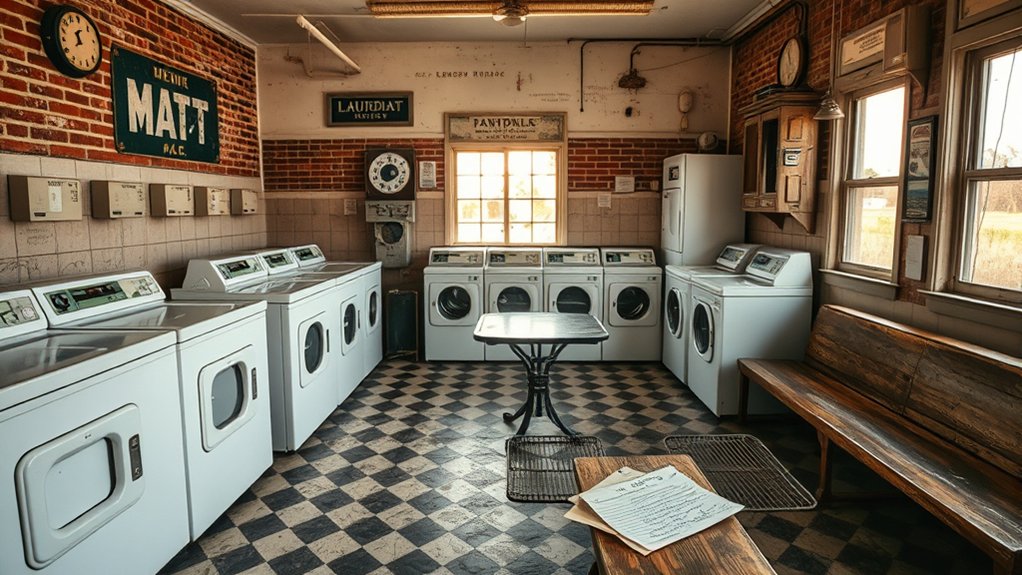
You’ve probably heard the term “laundromat,” but do you know where it came from?
It’s actually a blend of “laundry” and “automat.” This dates back to the 1940s, when self-service laundry first started to catch on.
Getting to know how these terms evolved really shows us how laundry became more convenient and accessible over time.
It’s pretty interesting when you think about it!
Origins of Laundromat Term
Although self-service laundry facilities existed before, the term “laundromat” didn’t become popular until the 1940s, when it was coined by combining “laundry” and “automat.” You might find it interesting that the first self-serve laundry, called a washateria, opened in 1934 in Fort Worth, Texas.
But laundromats gained widespread popularity only in the 1960s due to technological advances. Westinghouse Electric Corporation played a key role by introducing coin-operated machines, revolutionizing how people handled laundry.
The term washateria, still common in Texas, reflects its communal nature by blending “wash” and “cafeteria.”
Post-World War II, laundromats grew considerably, making laundry services more accessible and convenient. When you hear “laundromat,” you’re tapping into a history of innovation and evolving language linked to self-service laundry.
Evolution of Self-Service Laundry
Since the 1930s, self-service laundry has transformed from simple washaterias to modern laundromats that offer much more than just coin-operated machines. The first washateria opened in 1934 in Fort Worth, Texas, but it wasn’t until the 1960s that coin-operated washers boosted their popularity nationwide.
The term “laundromat,” coined in the 1940s by Westinghouse, combined “laundry” and “automat” to highlight self-service convenience. While Texans still call them washaterias, most people across the U.S. use “laundromat.”
Today, laundromats have evolved beyond self-service, providing pickup, delivery, and full-service laundry options to meet your busy lifestyle.
This evolution shows how laundromats have adapted, blending tradition with technology to make laundry easier and more accessible for you.
Regional Names for Laundromats: Washateria and More
When you travel across different regions, you’ll notice laundry facilities go by various names that reflect local culture and history. In Texas, for instance, laundromats are often called “washaterias,” a blend of “wash” and “cafeteria” dating back to the 1930s.
Laundry facilities have unique names worldwide, like Texas’s “washaterias,” blending culture and history since the 1930s.
If you visit Spanish-speaking areas, you’ll hear “lavanderia,” simply meaning a laundry service or facility.
In parts of the UK, older terms like “wash house” describe communal laundry spots. Meanwhile, “laundry center” is a more modern label that covers full-service options, including wash and fold.
These regional names show how communities adapt the concept of a laundromat to fit local customs and needs, giving you insight into the cultural nuances behind everyday laundry services.
How Do You Use “Laundromat” Correctly?

Understanding the correct use of “laundromat” helps you communicate clearly about self-service laundry facilities. The term “laundromat” combines “laundry” and “automat” to emphasize automated, coin-operated machines found in these places.
To use “laundromat” correctly, remember it refers specifically to self-service laundry spots, not just any laundry-related item or location.
Here’s how to use “laundromat” properly:
- Use “laundromat” when referring to places with coin-operated washers and dryers.
- Avoid “laundry mat,” which is incorrect and confusing.
- Recognize that “laundromat” became popular in the mid-20th century.
- Understand it’s the standard term across most U.S. regions except a few like Texas.
- Apply “laundromat” when emphasizing self-service laundry facilities, not general laundry services.
Why Correct Spelling Matters for Searches
Why does spelling “laundromat” correctly matter so much for your online searches? When you use the correct term “laundromat,” you tap into its meaning as a self-service laundry facility. This helps search engines deliver accurate results.
Using the correct term “laundromat” ensures search engines provide precise, relevant results for self-service laundry facilities.
Misspelling it as “laundry mat” can confuse search algorithms, causing you to miss relevant businesses or services. Many directories and ads list these facilities under “laundromat,” so using the right spelling improves your chances of finding what you need quickly.
Search engines prioritize precise terms, so accuracy boosts visibility and relevance. Plus, using “laundromat” enhances your communication, ensuring others understand exactly what service you’re referring to.
Getting the spelling right saves time and frustration when searching for laundry solutions online.
When to Use Laundromat vs. Other Laundry Service Terms
Spelling “laundromat” correctly not only improves your search results but also helps you choose the right term for the service you need. A laundromat specifically refers to a self-service laundry facility with coin-operated machines.
Depending on where you live or what service you want, other terms might fit better.
Consider these points when deciding which term to use:
- Use laundromat for self-service, coin-operated laundry.
- Say washateria if you’re in Texas or want a regional term.
- Choose lavanderia in Spanish-speaking communities.
- Avoid laundry mat; it’s a misspelling and unclear.
- Use laundry center or wash house for full-service or varied laundry options.
Knowing these distinctions guarantees you find the exact laundry service you need.
Frequently Asked Questions
Are Laundromats Open 24 Hours?
Yes, many laundromats are open 24 hours, especially in urban areas where demand is higher.
You’ll find some with staff during the day and self-service at night.
However, hours can vary, so it’s smart to check online or call ahead before heading out.
Keep in mind that some may close briefly for maintenance or cleaning, but 24-hour locations usually have security measures to keep you safe any time you visit.
Can You Use Credit Cards at Laundromats?
Just like you wouldn’t carry coins to pay for coffee nowadays, many laundromats now accept credit cards for your convenience. You can usually swipe or tap at the machine, or use prepaid cards or apps.
However, not all laundromats have this option, so it’s smart to check ahead.
Some services, like HappyNest, even let you pay by credit card for pickup and delivery, making laundry day hassle-free.
What Items Are Not Allowed in Laundromats?
You shouldn’t bring large bedding, comforters, or sleeping bags to laundromats because they often won’t fit.
Avoid hazardous materials like chemicals or anything flammable for safety.
Don’t bring food to prevent messes and pests, and leave pets at home to keep the place clean and comfortable for everyone.
Also, very dirty or oversized items might be refused to protect machines and maintain hygiene.
Do Laundromats Offer Dry Cleaning Services?
Only about 15% of laundromats offer dry cleaning services, so most won’t.
If you need dry cleaning, you usually have to visit a specialized dry cleaner or find a laundromat that partners with one for pickup and delivery.
Standard laundromats focus on self-service washing and drying, so don’t expect solvents or professional dry cleaning there.
Always check ahead to save time and avoid surprises.
How Can I Find the Nearest Laundromat?
To find the nearest laundromat, just open Google Maps or another map app and type “laundromat” with your location.
You’ll see nearby options with addresses and hours.
Apps like Yelp or LaundryView also help by showing user reviews and details.
Check local community boards or social media groups for trusted recommendations.
If you want convenience, consider laundry pickup and delivery services that come right to your door.
Conclusion
Now that you know “laundromat” is the correct term, not “laundry mat,” you’ll spot the difference easily. Curiously, over 60% of people search for “laundry mat” online, making it a common typo that can affect your results.
Using the right term helps you find what you need faster and sounds more knowledgeable. So next time you’re talking about self-service laundry, stick with “laundromat” to be clear and accurate.