What Does Dry Clean Only Mean – Full Explanation Guide
When a garment says “Dry Clean Only,” you should avoid washing it with water to prevent shrinking, distortion, or color fading. Instead, it requires professional cleaning using special solvents that preserve fabric integrity. This is especially important for delicate materials like silk, wool, or embellished items.
Home washing risks damaging fibers, losing shape, and harming finishes. While spot cleaning and at-home kits offer limited care, professional cleaning guarantees proper maintenance. Keep going to understand when and how to care for these garments properly.
What Does Dry Clean Only Mean?
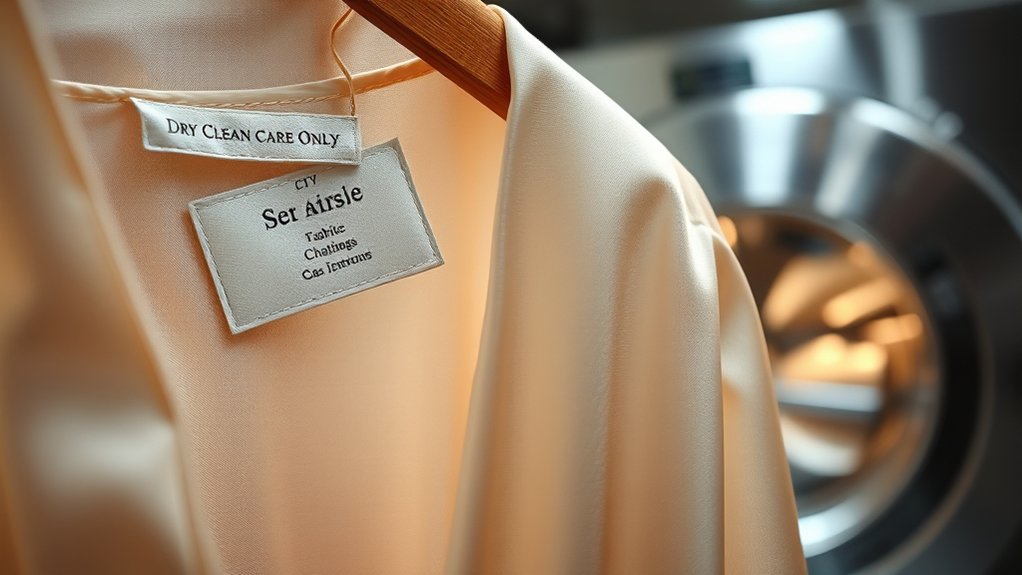
What exactly does “dry clean only” mean on your garment’s label? It means you shouldn’t wash the item with water at home. Instead, you need to use professional cleaning with special solvents.
These solvents remove stains effectively without water. They help preserve the fabric’s softness and prevent damage. Fabrics like silk, wool, and beaded or sequined materials need this method because water, heat, or agitation can cause shrinking, fading, loss of shape, or damage to delicate finishes.
Dry cleaning gently cleans using liquid solvents, keeping the garment’s texture and appearance intact. The “dry clean only” label is a strict instruction designed to protect your garment’s integrity and longevity. It ensures stains are removed while preserving fabric softness throughout the cleaning process.
Why Do Some Fabrics Need Dry Cleaning?

You need to dry clean certain fabrics because water can cause shrinking, warping, or damage to delicate fibers and embellishments. Think of it like this: some materials just don’t react well to getting wet.
Dry cleaning helps preserve the structure of tailored garments by protecting linings and interfacing from distortion. So, if you have a jacket or a dress with lots of details, dry cleaning keeps everything in place.
Plus, it prevents color fading and bleeding, which means your clothes keep looking vibrant and fresh.
In short, dry cleaning helps maintain the fabric’s original appearance much better than regular washing.
Fabric Sensitivity To Water
Although water is essential for most cleaning processes, it can severely damage certain fabrics like silk, wool, and cashmere by causing shrinking, warping, or texture loss. Their water sensitivity means fiber damage happens quickly if you wash them the wrong way.
You really need to understand how different materials react to water to avoid causing irreversible harm. Knowing this can save your favorite clothes from getting ruined.
| Fabric Type | Water Sensitivity Effect |
|---|---|
| Silk | Shrinking, texture loss |
| Wool | Warping, fiber contraction |
| Cashmere | Shrinking, softness reduction |
| Viscose/Rayon | Warping, dimensional change |
| Embellished Fabrics | Damage or detachment of beads |
Because of this sensitivity, dry cleaning is often necessary to keep these fabrics looking their best and maintain their integrity.
Preserving Garment Structure
Water sensitivity in delicate fabrics not only risks fiber damage but also threatens the garment’s overall structure. When you deal with fabric blending, such as wool combined with synthetic fibers, moisture and agitation can cause distortion or shrinkage. This can alter the garment’s tailored fit.
Structured garments like suits and blazers rely on interfacing and padding. These lose their shape if exposed to water and mechanical washing. Textile finishes, applied to enhance durability or texture, can degrade when soaked, compromising the fabric’s integrity.
Dry cleaning uses solvents that gently remove dirt without disrupting fibers or finishes. This helps preserve the original construction and appearance. For embellished fabrics, dry cleaning prevents damage to delicate beads or lace, maintaining both aesthetics and structure.
This method guarantees your garment retains its intended form and longevity. So, when you want to keep your clothes looking their best, dry cleaning is often the way to go.
Preventing Color Fading
Since many fabrics rely on delicate dyes that can easily bleed or fade, dry cleaning plays an essential role in preserving their color integrity. Water and detergents can weaken fabric dye bonds, causing color fading.
Dry cleaning uses specialized solvents that maintain color retention by not disturbing colorfast dyes, especially in silk, wool, and beaded fabrics. This method prevents dye bleeding and prolongs vibrant hues.
| Fabric Type | Cleaning Effect | Color Impact |
|---|---|---|
| Silk | Water causes bleeding | Significant fading |
| Wool | Detergents strip dye | Noticeable dulling |
| Beaded Fabrics | Water damages dyes | Color loss |
| Dry Cleaning | Solvent preserves dye | Maintains vibrancy |
| Excessive Washing | Weakens dye bonds | Gradual color loss |
Using dry cleaning ensures your garments retain their original color intensity longer. It’s a simple way to keep your clothes looking fresh and vibrant for much longer.
What Happens If You Wash Dry Clean Only Clothes?
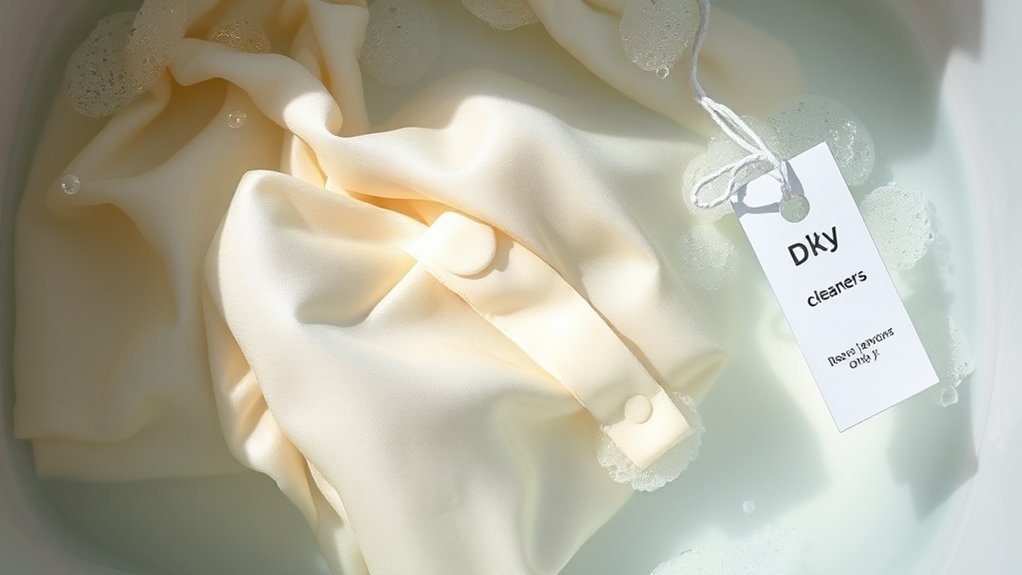
If you wash clothes labeled “dry clean only,” you might end up shrinking or distorting delicate fabrics like silk and wool.
It’s pretty common for water and agitation to cause colors to fade or bleed, especially on darker or more vibrant materials.
Plus, if you don’t wash them the right way, the garment’s structure can get messed up, and it might lose its original shape.
Fabric Damage Risks
Although it might seem convenient to wash “dry clean only” garments at home, doing so can cause significant fabric damage. These items often have a delicate fabric composition, such as silk or wool, that reacts adversely to water and mechanical agitation.
Water exposure disrupts chemical treatments applied during manufacturing, which protect fibers and maintain shape. Washing machines’ heat and agitation weaken these fibers, causing shrinkage, warping, or loss of structural integrity.
Additionally, embellishments like beads or sequins may loosen or fall off due to improper handling. This combination of factors increases the risk of tears, fraying, and fabric disintegration.
To preserve the garment’s quality and longevity, it’s essential to respect the dry clean only label and avoid home washing methods that compromise the fabric’s engineered stability.
Taking care of these delicate pieces properly really pays off in the long run.
Color Fading Issues
How does washing dry clean only clothes affect their color? When you wash these garments, especially vibrant or dark fabrics, water and detergents strip away dyes. This causes color fading and unevenness. Agitation makes it worse, increasing the risk of color bleeding and dye transfer to other fabrics.
Silk and wool are especially vulnerable since their delicate fibers absorb water and lose color more easily. Washing them repeatedly just makes things worse, dulling the garment’s original brightness and appeal.
Proper dry cleaning uses solvents that don’t cause dye loss. This helps preserve color intensity and prevents unwanted fading over time.
Garment Shape Loss
When you wash dry clean only garments, you risk distorting their shape because water and agitation weaken the fabric’s internal structure. This distortion leads to garment deformation, making tailored pieces like suits and blazers sag or bag.
Fabrics like silk, wool, and rayon are especially sensitive. They often shrink or pucker when washed improperly, which causes permanent shape loss.
Garments with linings or interfacing can wrinkle or lose their form when exposed to water or agitation. And if you keep washing them at home, the damage just gets worse, making it harder to bring back that original silhouette.
Can You Safely Wash Dry Clean Only Clothes at Home?
Washing at home often affects fabric softness and can cause shrinking, color bleeding, or warping. This is especially true for silk, wool, or beaded items.
Some cotton blends or polyester garments might handle gentle hand washing if you test carefully first. But it’s still a bit risky.
Home dry cleaning kits and spot removal methods don’t usually work as well as professional stain removal. They mightn’t keep your fabric looking its best.
When in doubt, always check the care label and ask a professional cleaner. That’s the safest way to protect your garment’s quality and avoid costly damage.
How to Spot Clean Dry Clean Only Clothes
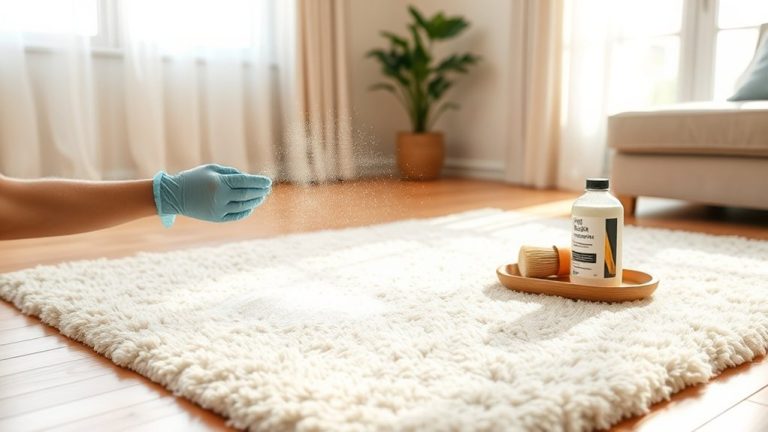
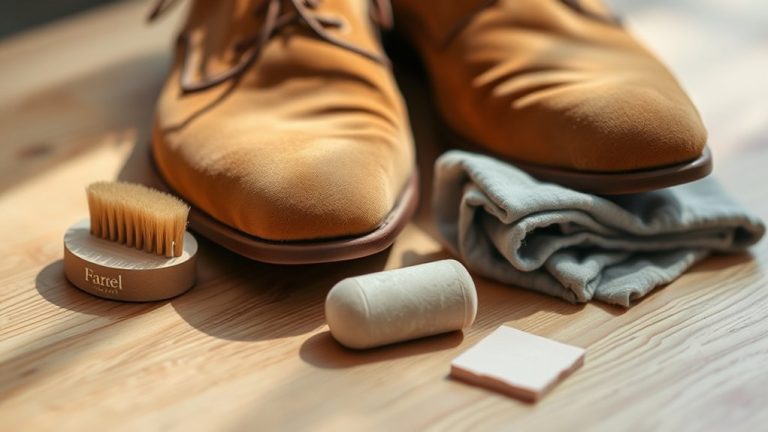
Although dry clean only garments require professional care for full cleaning, you can effectively address small stains by spot cleaning with caution. Begin by selecting a mild, fabric-appropriate cleaning solution and always test it on a hidden area to prevent color bleeding or damage.
Use a clean, white cloth or cotton swab to gently blot the stain, working from the outside in to avoid spreading.
For oily or greasy stains, apply cornstarch or baking soda first to absorb residue before blotting. This helps lift the stain without rubbing it deeper into the fabric.
Key points to remember:
- Test cleaning solutions on an inconspicuous area before use.
- Blot stains gently without scrubbing to protect fabric fibers.
- For oily stains, use absorbents like baking soda prior to stain removal.
Following these steps guarantees safe, effective spot cleaning on dry clean only clothes. It’s a handy way to tackle small messes without needing a full professional cleaning every time.
Do At-Home Dry Cleaning Kits Really Work?
How effective are at-home dry cleaning kits for maintaining your dry clean only garments? These kits use eco friendly detergents and specialized solvents combined with cleaning cloths to refresh lightly soiled clothes without water-based washing. They effectively reduce odors and minor dirt but fall short on heavy stains and complex fabrics.
While they employ basic stain removal techniques, their ability to eliminate deep or set-in stains is limited compared to professional dry cleaning. Also, these kits don’t offer the crisp press or fabric care professionals provide.
Results vary by fabric type and stain severity, making them suitable primarily for quick refreshes.
You should view at-home kits as a cost-effective, convenient option rather than a complete substitute for professional cleaning, especially when dealing with delicate or heavily soiled garments. So, if you’re looking for a quick fix, they can help. But for tough stains or special fabrics, professional cleaning is still the way to go.
When to Choose Professional Dry Cleaning
When you need to preserve the integrity of delicate fabrics like silk, wool, or cashmere, professional dry cleaning is the best choice.
Professional fabric treatments prevent shrinkage, distortion, and loss of finish that home washing can cause. Always follow garment labels indicating “Dry Clean Only” or “Dry Clean Recommended” to avoid damage.
Professional treatments protect fabrics from shrinkage and distortion—always heed “Dry Clean Only” labels to ensure garment care.
Choose professional dry cleaning when handling structured garments such as suits and blazers that require shape and lining preservation. It’s also the go-to for embellished or beaded clothing that needs careful stain removal without harming delicate details.
Plus, if you have heavily soiled items, professional cleaning and pressing can do a much better job than home methods. It’s all about getting the best care for your special pieces.
How to Extend the Life of Dry Clean Only Clothes
Why should you take extra care with “dry clean only” garments beyond just following the label? Proper maintenance extends their lifespan by preserving fiber integrity and appearance.
Use fabric softening sprays or steaming regularly to refresh garments between professional cleanings. This helps reduce wear from excessive dry cleaning.
Address stain removal promptly with gentle, fabric-safe treatments to avoid permanent damage. Doing this can also delay the need for a full cleaning.
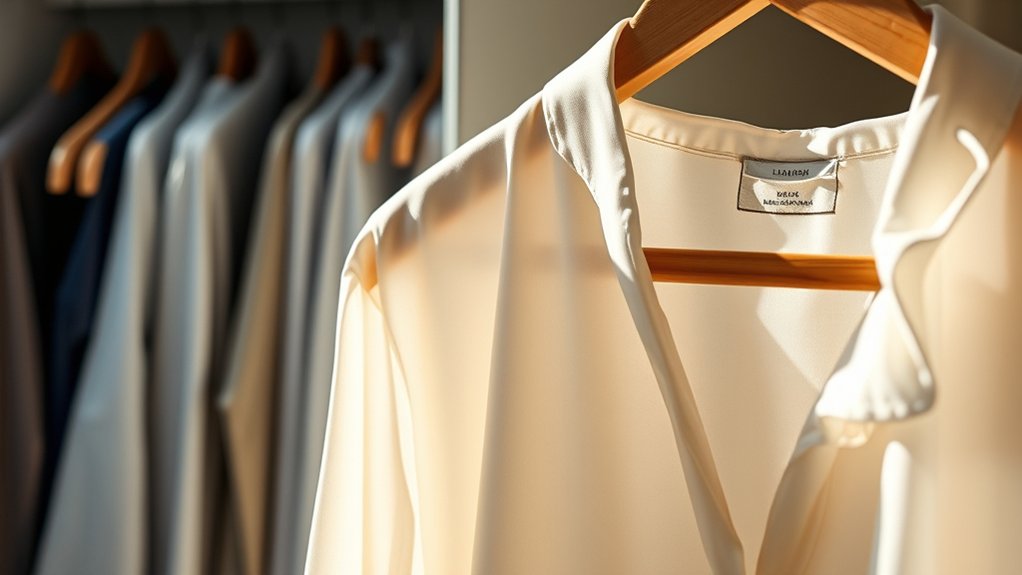
Store clothes in breathable garment bags, hanging them away from direct sunlight. This prevents color fading and fabric deterioration.
Avoid unnecessary washing or cleaning cycles because repeated exposure to solvents can weaken fibers. Always stick closely to care label instructions regarding drying and handling.
This will help maintain shape and texture. By doing these things, your dry clean only clothes will stay in great condition longer.
Frequently Asked Questions
How Often Should Dry Clean Only Garments Be Professionally Cleaned?
You should professionally clean dry clean only garments every 3 to 5 wears to guarantee ideal fabric care and effective stain removal.
However, it’s a good idea to adjust how often you clean them based on the fabric type, how often you wear the garment, and what the manufacturer recommends.
This way, you can preserve the garment’s integrity and keep it looking its best for longer.
Can Dry Cleaning Remove All Types of Stains Effectively?
You know, “you can’t judge a book by its cover.” Dry cleaning’s stain removal works really well on oil-based stains.
But it can struggle with water-soluble or protein stains. So, how effective it is really depends on the type of stain. Sometimes, you might need extra treatments to get the best results.
Are There Environmental Concerns With Dry Cleaning Solvents?
Yes, you should know traditional dry cleaning solvents pose chemical impact risks. Choosing eco-friendly solvents reduces environmental harm. They minimize toxic emissions and pollution, which is a big plus.
This also helps you stay in line with stricter regulations. Plus, it promotes sustainable garment care practices. So, it’s definitely worth considering greener options.
What Are the Costs Associated With Professional Dry Cleaning Services?
You’ll pay $3 to $10 per garment, and it can be more for specialty fabrics. Professional stain removal techniques and fabric longevity treatments can add $5 to $20.
These extra services help ensure your items last longer with effective cleaning and care. It’s worth considering if you want to keep your clothes looking their best.
How to Store Dry Clean Only Clothes to Prevent Damage?
To guarantee fabric preservation, store dry clean only clothes in a cool, dry place using padded hangers. Use breathable garment bags and avoid overcrowding.
Make certain garments are fully dry before storing to prevent damage and maintain shape. This way, your clothes stay fresh and keep their form longer. It’s a simple step that really makes a difference!
Conclusion
Understanding “dry clean only” goes beyond just following labels. It’s really about protecting your fabric’s integrity and making sure your clothes last longer.
Some people think washing these clothes at home won’t cause any harm, but that’s not always true. Improper cleaning can lead to damage that you just can’t fix.
Spot cleaning and at-home kits can help a bit, but they’re limited in what they can do. The safest bet to keep your garment’s texture and shape intact is professional dry cleaning.
By following these tips, you’ll help your clothes last longer and keep them looking like new. It’s all about respecting what the fabric needs!