Can You Use Shampoo As Laundry Detergent – Yes or No?
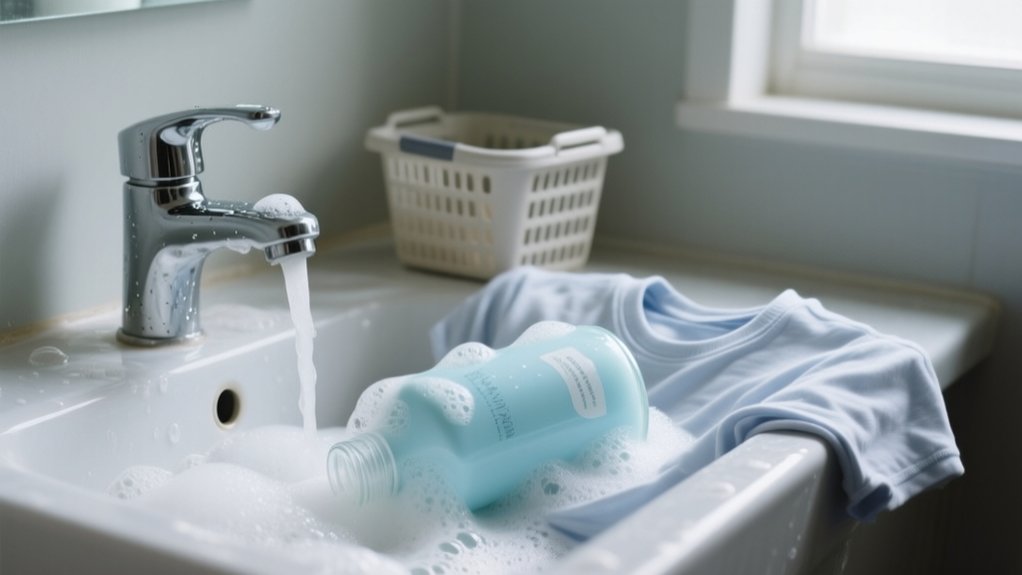
Yes, you can use shampoo as laundry detergent in a pinch, especially for delicate fabrics and lightly soiled clothes. Choose clear, simple shampoos without heavy conditioners or oils to avoid residue and excessive sudsing.
However, shampoo won’t clean heavy stains effectively and may risk washing machine damage if overused. For regular laundry, dedicated detergents perform better and protect your machine. Keep exploring to find safer ways and alternatives for your laundry needs.
Key Takeaways
- Shampoo can be used as a temporary substitute for laundry detergent, especially for delicate or lightly soiled clothes.
- It is not effective for heavily soiled items or tough stains compared to specialized laundry detergents.
- Using shampoo in washing machines risks excessive suds, residue buildup, and potential machine damage.
- Clear, moisturizing shampoos without oils or conditioners are safer choices for laundry use.
- Regular laundry detergents or eco-friendly alternatives are recommended for optimal cleaning and machine protection.
Can Shampoo Replace Laundry Detergent?
Although shampoo isn’t designed specifically for laundry, you can use it as a temporary substitute because its surfactants help lift dirt from fabrics.
Shampoo can be used as an alternative to laundry detergent, especially for delicate fabrics or lightly soiled clothes. Its cleaning properties work well for those with sensitive skin, avoiding harsh chemicals found in some detergents.
However, shampoo struggles with heavily soiled items and tough stain removal compared to regular detergent.
To prevent excessive sudsing and potential washing machine issues, limit shampoo use to 1-2 tablespoons per load. Opt for clear, moisturizing shampoos without oils or silicones for better results, and always test on a hidden fabric area first.
While shampoo can serve in a pinch, it’s not a long-term replacement for laundry detergent due to residue buildup risks.
What Is Laundry Detergent And How Does It Work For Laundry?
Laundry detergent acts as a powerful cleaning agent specially formulated to tackle dirt, stains, and odors on your clothes. It combines several components to maximize cleaning power and effectively remove grime.
- Surfactants lower water’s surface tension, helping it penetrate fabric and lift dirt away.
- Enzymes break down tough stains like food or sweat, boosting stain removal.
- Builders and stabilizers suspend dirt particles in water, preventing them from settling back on your clothes during rinsing.
- Different detergent types, such as liquid, powder, and pods, cater to various washing machines and soil levels to give you the best results.
Understanding these elements helps you see why laundry detergents work better than other cleaning agents made for different purposes.
Which Shampoos Work Best For Washing Clothes?
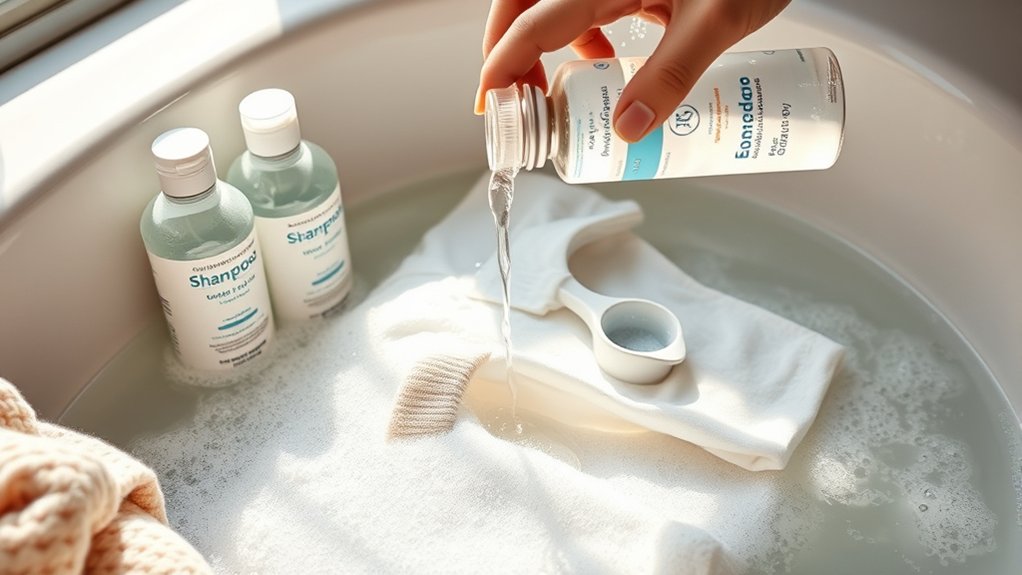
When you’re picking a shampoo for laundry, it’s best to go for clear, moisturizing formulas that are sulfate-free to keep your clothes safe.
You’ll want to steer clear of shampoos that contain oils, silicones, or heavy conditioners because those can leave behind residues and might even damage your fabrics.
Baby shampoos are a great choice if you’re washing delicate items since they’re gentle.
On the other hand, clarifying shampoos tend to be a bit too harsh for regular use, so you might want to save those for occasional deep cleaning.
Best Shampoo Types
Since not all shampoos are created equal for washing clothes, choosing the right type can make a big difference in how well they clean and care for your fabric.
For the best results, consider these shampoo types:
Clear moisturizing shampoos lift dirt effectively without leaving heavy residues, making them ideal for regular laundry. Avoid shampoos containing oils, silicones, or conditioners, as these leave unwanted films that attract dirt.
Baby shampoos offer gentle cleaning, perfect for delicate fabrics like silk and lingerie.
Sulfate-free shampoos reduce fiber damage, preserving your clothes’ longevity.
Clarifying shampoos contain harsh chemicals and should be used sparingly because they might degrade fabrics with frequent use.
Choosing wisely guarantees your laundry stays clean without risking fabric harm.
Avoiding Harmful Ingredients
Although shampoos are designed for hair care, not all formulations suit washing clothes without causing harm. To avoid damaging your fabrics, choose shampoos that are gentle and free from harsh chemicals.
Clear, moisturizing shampoos work best since they rinse cleanly without leaving residues. Baby shampoos are especially effective for delicate fabrics due to their mildness.
Steer clear of shampoos containing oils, silicones, or heavy conditioners, as these can leave unwanted buildup on clothes. Sulfate-free shampoos reduce the risk of fabric damage compared to traditional ones with strong detergents.
Clarifying shampoos might be too aggressive for laundry, potentially harming textiles.
Always perform testing on a hidden fabric section before full use to guarantee the shampoo won’t cause discoloration or deterioration.
This careful approach helps protect your clothes while using shampoo as a detergent alternative.
How To Use Shampoo Safely For Laundry
If you choose to use shampoo as a laundry detergent alternative, you’ll want to use it carefully to protect both your clothes and washing machine.
Follow these steps for safe use:
- Use 1-2 tablespoons of clear, moisturizing shampoo per load to avoid excessive suds and damage.
- Avoid conditioning shampoos; they can leave residues that affect fabric feel and machine efficiency.
- Mix shampoo directly in the washing machine drum instead of the detergent compartment to guarantee proper mixing and thorough cleaning.
- Regularly run a rinse cycle to prevent shampoo buildup, which can impair washing machine performance over time.
Always test shampoo on a hidden fabric area before washing to avoid discoloration or damage.
This way, you can be sure your laundry stays clean and fresh.
Mistakes To Avoid When Using Shampoo For Laundry
When using shampoo for laundry, you must avoid common mistakes that can compromise both your clothes and washing machine. First, avoid using conditioning shampoos as they leave residue and reduce cleaning power. Use only 1-2 tablespoons per full load to prevent excess suds that can damage your washing machine.
Always skip the fabric softener compartment to guarantee proper mixing and avoid buildup. Test shampoo on a hidden fabric area before washing. Finally, clean your washing machine regularly to remove residue and maintain efficiency.
| Mistake | Impact |
|---|---|
| Using conditioning shampoo | Leaves residue, less clean |
| Overusing shampoo | Excess suds, damages machine |
| Ignoring fabric test | Risk of discoloration |
| Using fabric softener | Causes buildup, poor mixing |
| Skipping machine cleaning | Residue buildup, reduced efficiency |
When Should You Avoid Using Shampoo As Laundry Detergent?
You should avoid using shampoo on heavily stained clothes because it just doesn’t have the stain-fighting power needed for tough dirt.
Plus, if you use shampoo regularly, it might cause residue buildup over time. This buildup can actually damage your washing machine.
Heavy Stains Impact
Although shampoo can clean lightly soiled clothes, it struggles with heavy stains like grease, oil, or deeply embedded dirt because it lacks the powerful enzymes found in specialized laundry detergents.
When dealing with heavy stains, here’s why you should avoid using shampoo:
- Shampoo’s formula is inadequate for breaking down tough stains, leading to poor cleaning results.
- Heavy stains may set deeper if not treated with specialized laundry detergent designed for such challenges.
- Conventional detergents contain enzymes and ingredients optimized for substances like blood, ink, or red wine that shampoo doesn’t address.
- Frequent use of shampoo on heavily stained clothes can cause residue buildup in your washing machine, potentially impairing its function.
To guarantee effective stain removal, rely on specialized detergents rather than shampoo.
Machine Damage Risk
Heavy stains not only challenge shampoo’s cleaning ability but also reveal risks shampoo poses to your washing machine. Using shampoo can create excessive suds, especially in high-efficiency washers. These machines are sensitive to suds and prone to damage.
Regular use leads to residue buildup, which can impair performance. Avoid conditioning shampoos because they leave sticky residues that clog drainage systems. If you must use shampoo, limit it to a small amount, 1 to 2 tablespoons, to reduce risks.
| Risk Factor | Impact |
|---|---|
| Excessive suds | Leaks, mechanical damage |
| High-efficiency washers | Warranty void, malfunctions |
| Conditioning shampoos | Residue buildup, drainage clogging |
Avoid shampoo in sensitive machines to protect your washer’s longevity and efficiency.
Will Shampoo Harm Your Washing Machine?
If you decide to use shampoo in your washing machine, be aware that it can create excessive suds that may cause leaks or damage over time.
Shampoo isn’t formulated for fabrics, so it can lead to residue buildup and reduce your machine’s efficiency.
Using it regularly might also void warranties since most machines require dedicated detergents.
To minimize risks, consider these points:
- Excessive suds from shampoo can cause leaks or mechanical issues.
- Residue buildup may lead to clogs or malfunctions if not cleaned properly.
- Proper rinsing cycles are necessary to avoid soap deposits inside the machine.
- Frequent shampoo use isn’t recommended as it’s less effective and may void warranties.
Use shampoo cautiously to protect your washing machine’s longevity and performance.
Shampoo Vs. Other Eco-Friendly Laundry Alternatives
While shampoo can serve as a gentle cleaner for delicate fabrics, it doesn’t match the stain-fighting power or enzyme content of traditional laundry detergents.
Compared to eco-friendly options like baking soda and vinegar, shampoo often leaves residue, especially when overused.
Shampoo can leave residue, unlike eco-friendly baking soda and vinegar, especially with frequent use.
Baking soda and vinegar effectively lift odors and stains without buildup, making them more suitable for regular laundry use.
Laundry detergent sheets also offer superior cleaning efficiency, combining convenience with environmental benefits like reduced plastic waste.
Though shampoo can temporarily replace detergent, it lacks the targeted cleaning agents found in products designed for laundry, such as Borax or Hexawash.
If you prioritize eco-friendly and efficient cleaning, relying on these alternatives instead of shampoo will deliver better results without compromising your washing machine’s performance.
Frequently Asked Questions
Can Shampoo Cause Colors to Fade in Clothes?
Yes, shampoo can cause colors to fade in clothes. When you use shampoos containing strong surfactants or clarifying agents, they strip away dyes more aggressively than laundry detergents.
If your shampoo has acidic ingredients like lemon juice, it can lift color even faster.
To protect your garments, you should avoid frequent use of shampoo on fabrics. Choose clear, mild shampoos if you must, but specialized detergents are always safer for color retention.
Is Shampoo Safe for Washing Baby Clothes?
Yes, you can use gentle, sulfate-free baby shampoo to wash baby clothes safely because it’s formulated to be mild and less irritating.
Avoid conditioning shampoos, as they might leave residues causing skin irritation or fabric buildup.
Always test a small fabric area first to check for reactions.
While shampoo works temporarily, you should stick to baby-specific laundry detergents for thorough cleaning and better protection of your baby’s sensitive skin.
How Does Shampoo Affect Fabric Softness?
Imagine slipping your hand over freshly washed clothes, feeling a softness that’s almost surprising. That’s partly what shampoo does. It leaves behind conditioning agents that coat fibers, making them feel smoother.
But don’t expect long-lasting results like fabric softeners offer. While shampoo’s surfactants lift dirt and soften fabrics temporarily, they can also cause buildup over time, reducing effectiveness.
Can Shampoo Remove Tough Stains Like Wine or Grass?
No, shampoo can’t effectively remove tough stains like wine or grass. Its surfactants help with light dirt, but it lacks the enzymes laundry detergents have to break down stubborn proteins and pigments.
If you try shampoo on tough stains, you might see little improvement, and residues could build up on your fabric.
For best results, you should use a detergent or stain remover designed specifically for those challenging spots.
Does Shampoo Leave a Fragrance on Washed Clothes?
You might be surprised, but yes, shampoo does leave a fragrance on your washed clothes. It’s like giving your laundry a mini spa treatment, with scents ranging from floral to fruity.
However, don’t expect that scent to outlast your favorite perfume. It usually fades after a few washes.
If you want to boost the aroma, try adding essential oils during the rinse cycle. That way, your clothes smell fresh and inviting longer.
Conclusion
You can use shampoo as laundry detergent in a pinch, but it’s not ideal for regular use. Curiously, 60% of people unknowingly damage their clothes by using improper cleaning agents.
Shampoo lacks the enzymes and ingredients designed for tough stains and fabric care, so it’s best for light loads or handwashing. To protect your clothes and machine, stick to detergents or eco-friendly alternatives specially formulated for laundry whenever possible.